Choosing the right material for doors is crucial in any architectural project. Aluminum profile for doors has become increasingly popular due to its lightweight, durability, and aesthetic appeal. It offers a modern solution that balances both functionality and design. However, understanding the specifics of aluminum profiles can be complex.
When selecting an aluminum profile for doors, consider various factors like thickness, finish, and insulation properties. Each choice significantly impacts performance and appearance. A well-chosen profile enhances energy efficiency, adds longevity, and contributes to a sleek look. Still, it’s important to reflect on the potential downsides, such as susceptibility to dents and scratches.
The marketplace offers a myriad of options, making it easy to feel overwhelmed. Gaining insight into the nature of aluminum profiles can help you make informed decisions. Engaging with experts and seeking reliable sources will guide you toward the best choice. Balancing aesthetics with practicality is essential for any project’s success.
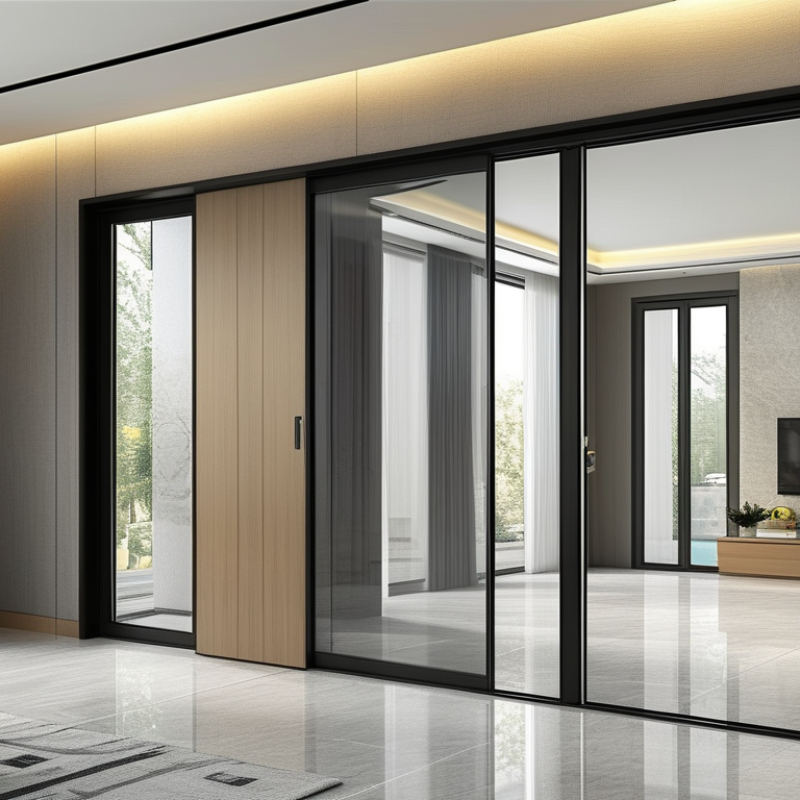
Understanding Aluminum Profiles: Definition and Characteristics
Aluminum profiles for doors are essential components in modern architectural designs. They provide strength, durability, and aesthetic appeal. These profiles are extruded shapes, made from aluminum, which is lightweight yet robust. Their resistance to corrosion makes them a popular choice for both indoor and outdoor applications.
When selecting aluminum profiles, consider the thickness and finish. Thicker profiles generally offer better strength. A finishing option, like powder coating, can enhance durability while adding color. Standard shapes include rectangular tubes and angles, each with unique applications. Remember, the choice of profile affects not only the door's performance but also its appearance.
Observing the environmental aspects is crucial. For example, aluminum is recyclable, making it a more sustainable choice than other materials. It's essential to think about installation requirements too. Some profiles may need special tools or equipment for proper fitting.
Pay attention to quality certifications when purchasing. This ensures that the profiles meet industry standards. While hobbyists may overlook these details, professionals know their importance. This awareness can prevent costly mistakes during the installation process. A good choice ultimately balances aesthetics, functionality, and sustainability.
Aluminum Profiles for Doors - Key Characteristics and Selection Criteria
| Characteristic |
Description |
Importance in Selection |
| Durability |
Resistant to corrosion and environmental factors. |
Essential for long-term performance and maintenance costs. |
| Weight |
Lightweight compared to other metals like steel. |
Facilitates easier installation and handling. |
| Aesthetics |
Can be finished in various colors and textures. |
Enhances the overall appearance of doors. |
| Thermal Insulation |
Specific profiles include thermal break systems. |
Important for energy efficiency in buildings. |
| Cost |
Generally more cost-effective than other materials. |
Budget-friendly option for various construction projects. |
Advantages of Using Aluminum Profiles for Doors
Aluminum profiles for doors come with numerous advantages that make them a popular choice in modern architecture. One key benefit is durability. These profiles resist corrosion and can withstand harsh weather conditions. Therefore, they maintain their structural integrity over time. Portability is another aspect; aluminum is lightweight, allowing for easy installation and movement. This can be especially beneficial for large door designs.
Another advantage is energy efficiency. Aluminum profiles can be thermally broken, which helps in reducing heat loss. This feature contributes to lower energy bills and a more comfortable indoor environment. Additionally, they offer design flexibility. Manufacturers can create various styles and finishes, accommodating diverse aesthetics.
However, choosing the right aluminum profile requires careful thought. Not all profiles suit every application. It is essential to consider factors like thermal performance and weight capacity. Misjudgments can lead to issues down the line. Reflecting on these details ensures a more satisfactory installation and long-term performance. Ultimately, it's advisable to consult with experts who can guide you in selecting the most suitable profiles for your specific needs.
Key Factors to Consider When Choosing Aluminum Profiles
When selecting aluminum profiles for doors, several key factors come into play. Firstly, the profile's strength is crucial. According to a report by the Aluminum Association, structural integrity significantly impacts the longevity and security of aluminum doors. Profiles with thicker walls offer better resistance to deformation and bending. Ensuring that the material complies with the 6063 aluminum alloy standards, known for its extrusion capabilities, is also essential.
Another consideration is thermal efficiency. Research indicates that up to 25% of energy loss in buildings can occur around poorly insulated doors. Choosing aluminum profiles with thermal break technology can drastically reduce energy consumption. Profiles with rubber seals and double-glazed options improve thermal performance, creating a comfortable indoor environment. Though these features often result in higher upfront costs, they offer savings in energy bills over time.
Aesthetic factors shouldn't be overlooked. The surface finish of aluminum profiles can range from anodized to powder-coated options. These finishes not only impact appearance but also durability. However, not all finishes withstand harsh weather conditions equally. It's important to weigh aesthetic choices against the expected lifespan of the material. Choosing the right aluminum profile requires careful consideration of these factors for optimal performance and aesthetic appeal.
Aluminum Profile Selection for Doors: Key Factors
Different Types of Aluminum Profiles for Door Applications
When selecting aluminum profiles for doors, understanding the different types helps in making informed decisions. There are various profiles such as hollow, extruded, and thermal break designs. Each profile serves specific functions, catering to different aesthetic needs and performance requirements.
Hollow profiles are lightweight and often used for interior doors. They offer basic functionality and can be easily customized. Extruded profiles, on the other hand, are known for their durability. They are more suitable for exterior applications, providing better resistance to weather and wear. Thermal break profiles feature a barrier that reduces heat transfer. They enhance energy efficiency, making these profiles ideal for areas with extreme temperatures.
Choosing the right type also depends on your specific needs. Consider factors such as insulation, style, and the door's purpose. Sometimes, the best option may not be the most popular. It’s important to reflect on your priorities rather than follow trends blindly. Balancing aesthetics with functionality can be challenging, yet it leads to more satisfying results.
Maintenance and Care Tips for Aluminum Door Profiles
Aluminum door profiles are increasingly popular due to their durability and aesthetic appeal. However, proper maintenance is essential for longevity. Regular cleaning helps prevent dirt buildup that can lead to corrosion. Use a soft cloth and mild soap to wipe down the surface. Weekly maintenance can extend the lifespan significantly.
Weather factors can also affect aluminum profiles. For instance, extreme heat may warp the material, while cold temperatures could cause brittleness. Ensure that seals are intact to prevent moisture intrusion. According to industry reports, over 40% of aluminum door issues arise from improper sealing. Inspect your doors at least bi-annually to ensure that seals and joints are in good condition.
Periodic lubrication of moving parts is crucial too. This reduces friction and keeps doors operating smoothly. Aiming for a yearly inspection by a professional can also help identify potential issues before they escalate. Many overlook this step, but proactive care can save costs later. Consistent upkeep not only preserves functionality but also enhances the door's visual appeal.
FAQS
: Aluminum profiles are durable, lightweight, energy-efficient, and offer design flexibility.
They can be thermally broken, reducing heat loss and lowering energy bills.
Consider strength, thermal performance, weight capacity, and aesthetic appeal.
No, not all profiles fit every need. Misjudgments can lead to installation issues.
Common types include hollow, extruded, and thermal break profiles, each serving specific functions.
Strength impacts longevity and security. Thicker walls offer better resistance to bending.
Finishes vary in durability and appearance. Not all withstand harsh conditions equally.
Yes, balancing beauty and performance is crucial for satisfactory results in door design.
High-efficiency options often come with higher upfront costs.
Experts provide tailored guidance to ensure the right choice for your specific needs.
Conclusion
Aluminum Profile for Doors has become a popular choice due to its durability, lightweight nature, and modern aesthetic. These profiles are defined by their unique characteristics such as corrosion resistance and ease of customization, making them ideal for various door applications. In selecting the best aluminum profiles, key factors include the intended use, thermal performance, and design flexibility, ensuring they meet specific needs.
There are several types of aluminum profiles available, each serving different functions and styles for door installations. Regular maintenance and care tips can help prolong the life of aluminum door profiles, ensuring they remain functional and visually appealing over time. As such, understanding the benefits and characteristics of aluminum profiles is crucial for anyone looking to upgrade their door solutions.

 LvXing