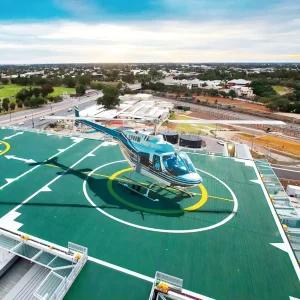
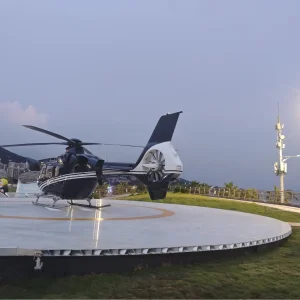
Comprehensive Architectural and Engineering Whitepaper on Modular Structural Helidecks, Technical Compliance, and Dynamic Load Performance
Established in 2015 and located in Foshan City, Guangdong, LvXing Intelligent Equipment Co., Ltd. boasts a skilled R&D team with extensive experience. We leverage exceptional technical expertise to effectively transform customers' ideas into reality, consistently meeting their precise requirements.
We utilize premium Fenglu aluminum, offering a diverse range of profiles for flexible applications. Our extrusion lines, ranging from 800T to 20,000T, accommodate alloys 1xxx, 2xxx, 3xxx, 5xxx, 6xxx, and 7xxx, allowing us to produce shaped products with section dimensions up to 1.2 meters in width and 28 meters in length. These products are recognized for their precision and meticulous processing, finding broad application in aerospace, military, medical, and industrial sectors.
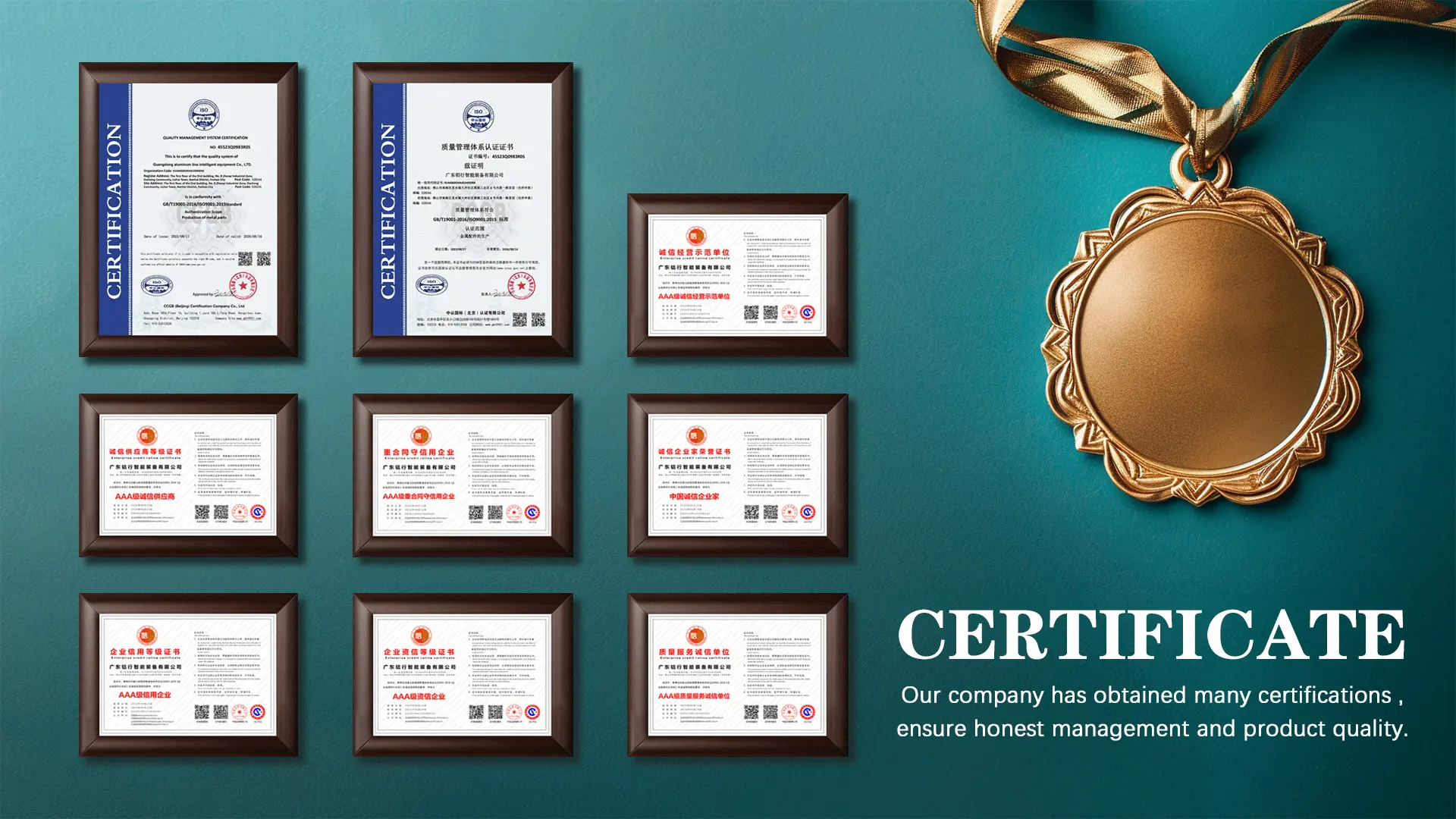
Our commitment to excellence is evident throughout the manufacturing process, rigorous quality control, thorough packaging, and efficient shipping procedures. This dedication has earned us recognition as a national excellent and honest enterprise, along with quality system certification in accordance with GB/T19001-2016/ISO9001:2015 standards.
We aspire to be your trusted business partner and warmly invite you to visit our factory.
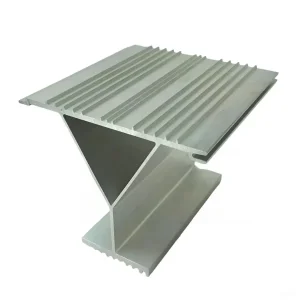
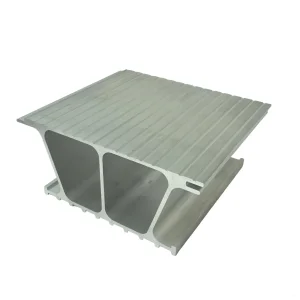
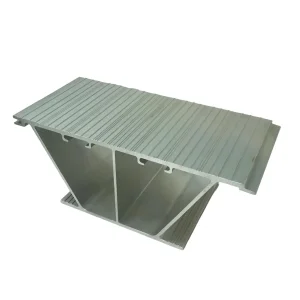
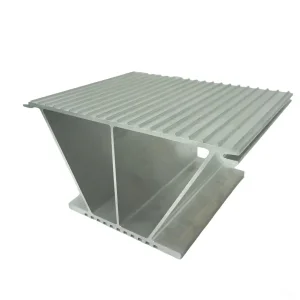
Helipad aluminum profiles must withstand dynamic live loads from rotorcraft operations while maintaining absolute structural integrity under extreme marine, tropical, or urban environmental conditions.
| Alloy & Temper | Yield Strength (MPa) | Tensile Strength (MPa) | Elongation (%) | Key Performance Attributes |
|---|---|---|---|---|
| 6082-T6 | ≥ 260 | ≥ 310 | ≥ 10 | Highest structural strength among 6000 series, excellent marine corrosion resistance, used for major structural beams. |
| 6005A-T6 | ≥ 215 | ≥ 270 | ≥ 8 | Superior extrudability for complex thin-walled hollow shapes, exceptional weldability with minimal strength loss in HAZ. |
| 6061-T6 | ≥ 240 | ≥ 290 | ≥ 9 | Standard structural grade, highly reliable mechanical characteristics, excellent surface finishing capabilities. |
| 5083-H112 | ≥ 125 | ≥ 275 | ≥ 12 | Non-heat-treatable, premium resistance to saltwater pitting, preferred for auxiliary frames and coastal perimeter meshes. |
In accordance with ICAO Annex 14 Volume II and FAA AC 150/5390-2C, all Lvxing helipad extrusions are engineered to sustain a minimum dynamic landing impact factor of 2.5x to 3.0x the Maximum Take-Off Weight (MTOW) of heavy helicopters (e.g., Sikorsky S-92, EH101 Merlin). Finite Element Analysis (FEA) is executed in-house to verify deflection limits (typically L/200) under intense localized wheel or skid configurations.
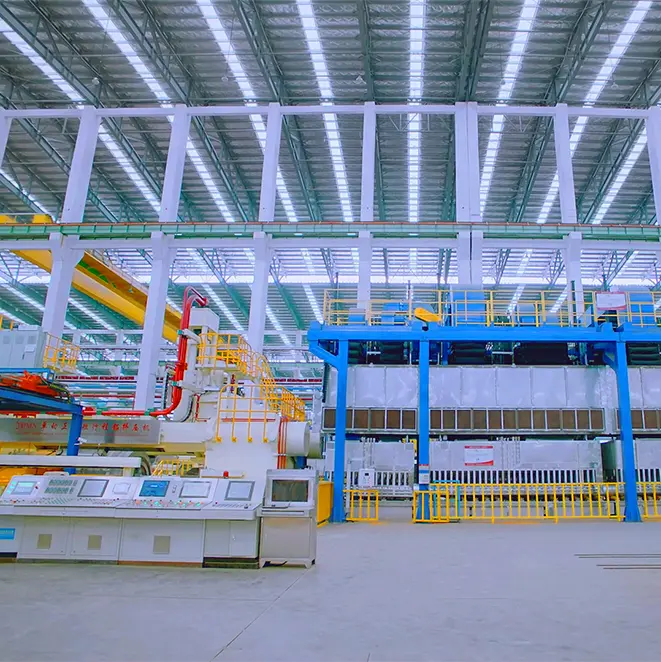

We have obtained the exclusive "Special Aluminium Materials for Aerospace" Certificate. This rigorous validation ensures that every batch of aluminum profiles undergoes comprehensive non-destructive testing (NDT), metallurgical micro-grain inspection, and tight tolerance audits to guarantee safety during high-impact landings.
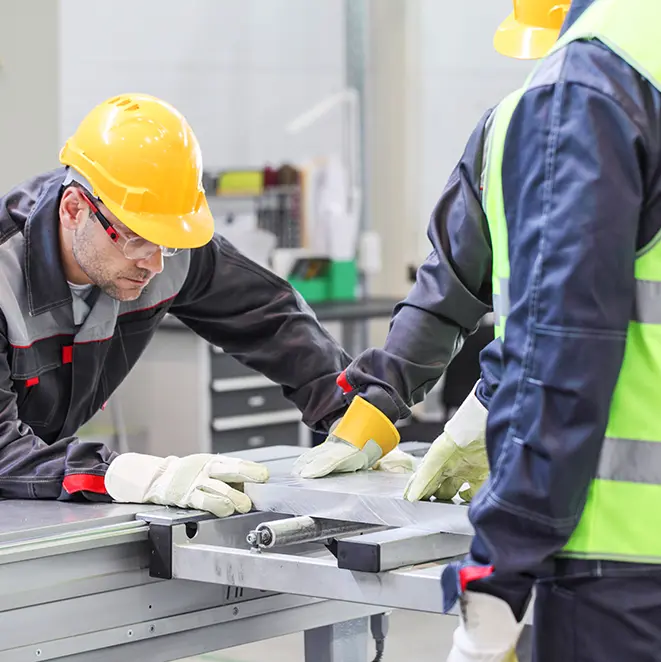

We utilize high-quality Fenglu aluminum profiles. Leveraging heavy-duty extrusion lines ranging from 800T to a monumental 20,000T, we can process structural alloys from the 1xxx, 2xxx, 3xxx, 5xxx, 6xxx, and 7xxx groups, yielding fully shaped products with cross-sections up to 1.2 meters wide or continuous lengths of 28 meters.
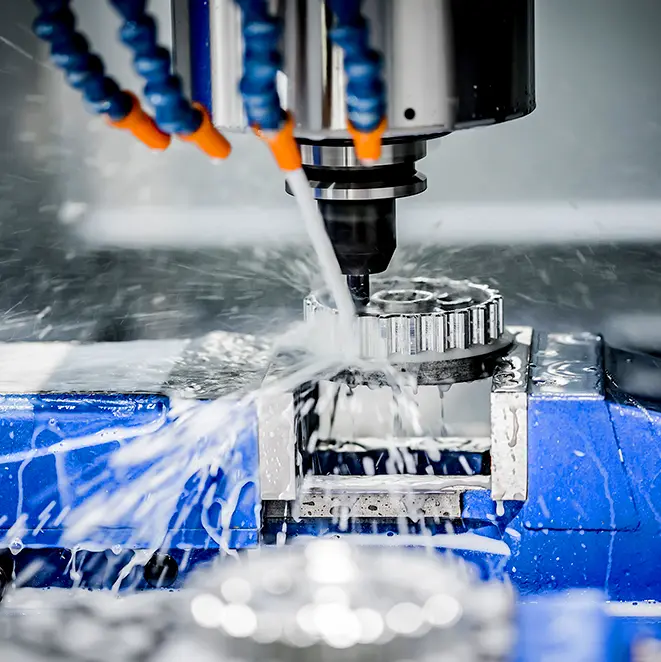

Our engineering squad consists of technical professionals with over 15 years of practical structural engineering experience. We offer advanced design consultations, translating concept drawings into structural models, conducting FEA stress analysis, and refining profile joints to prevent shear failure at critical stress points.
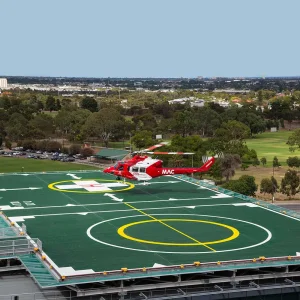
In modern aviation infrastructure, the market is undergoing a structural transition from heavy steel or reinforced concrete helipads to lightweight, high-performance modular aluminum deck systems. Globally, commercial helicopter landing decks (helidecks) on marine vessels, offshore oil and gas rigs, and urban hospital roofs are being designed around aluminum extrusions due to three major factors:
This dynamic shift has led to significant capital expenditure (CAPEX) savings for project owners, while virtually eliminating ongoing operational maintenance costs (OPEX) over a typical 30-to-50-year service life.
Aluminum profiles are highly versatile, enabling specialized engineering adjustments for unique physical environments. The primary localized application fields include:
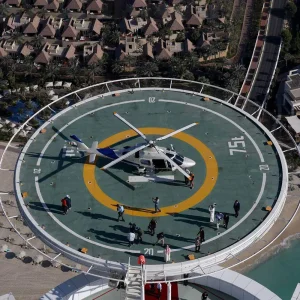
Offshore oil platforms in regions like the North Sea or the Gulf of Mexico operate under extreme wind shears and high-humidity, high-salinity air. LvXing marine-grade 6082-T6 structural profiles resist saltwater corrosion while maintaining strength down to sub-zero temperatures. Their integrated safety nets and perimeter deck drains quickly channel rainwater and ocean spray away from the landing surface.
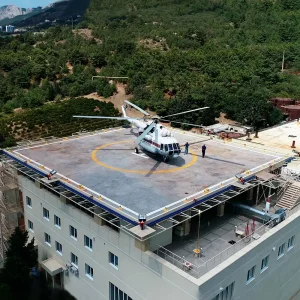
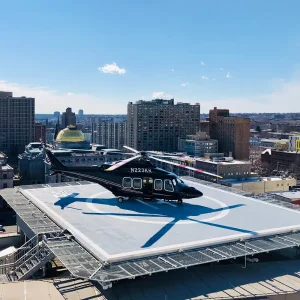
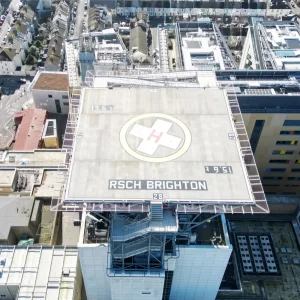
For hospital roofs in metropolitan centers, local zoning codes often limit structural building loads. Interlocking aluminum extrusion planks act as a rigid diaphragm, distributing landing forces across a lightweight beam grid. Additionally, the extruded internal channels allow for integrated fire-suppression piping (diffusers) and electrical conduits for runway lights, minimizing deck thickness.
Rapidly deployable landing zones (LZ) require lightweight components that can be flown in by cargo planes or helicopters. Our tactical aluminum interlocking panels can be assembled on unprepared soil or sand without concrete pouring. The quick-locking joints ensure the runway remains stable even under the downwash pressure of heavy transport military helicopters.
Luxury yacht naval architects require high structural efficiency and sleek aesthetics. Custom anodized profiles provide a premium finish that resists corrosive bilge water and seawater, matching the vessel's exterior styling while maintaining standard safety ratings.
Aviation construction demands strict adherence to regulatory standards to prevent catastrophic structural failure. LvXing ensures our helipad aluminum profiles comply with international aviation codes:
Integrating strain gauges and fiber-optic sensors directly into the hollow extrusion profile chambers. This enables real-time structural health monitoring and load-deflection warning systems during heavy landings.
Extruding internal conduit paths to house automated glycol heating coils or electrical resistance cables. This prevents dangerous ice formation on decks operating in Arctic or high-altitude environments.
Partnering with primary smelters that utilize clean hydropower energy. This reduces the embodied carbon of Lvxing profiles, helping infrastructure projects meet strict Scope 3 emission targets.
Lvxing operates from Foshan City, Guangdong Province, the global hub of high-end aluminum extrusion manufacturing. This localized industrial cluster gives us distinct competitive advantages:
 LvXing