 LvXing
1 / 3
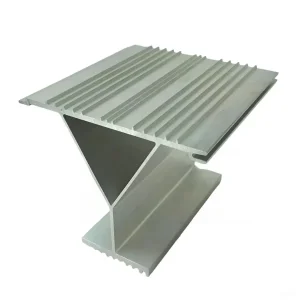
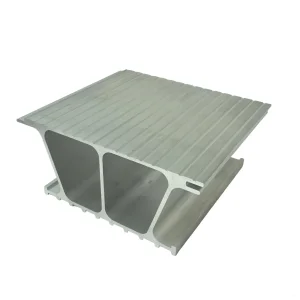
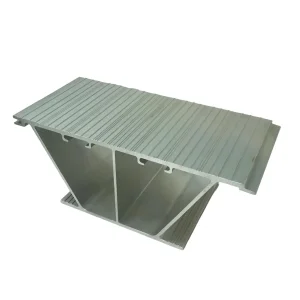
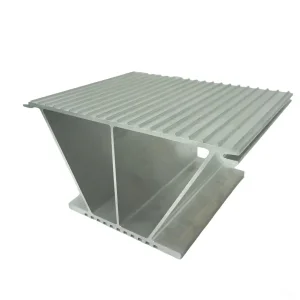
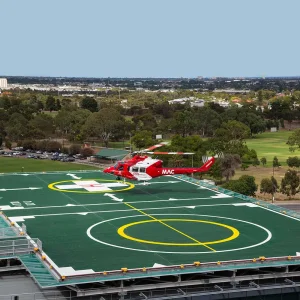
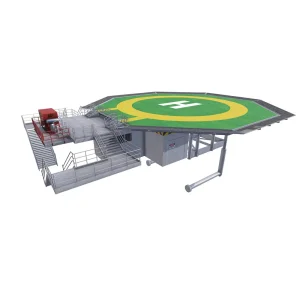
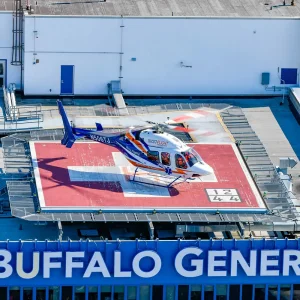
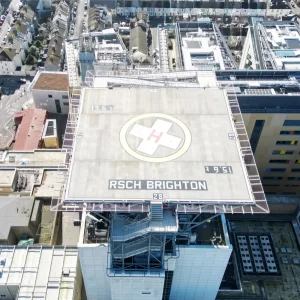
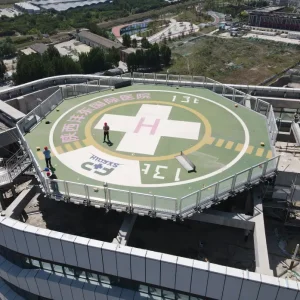
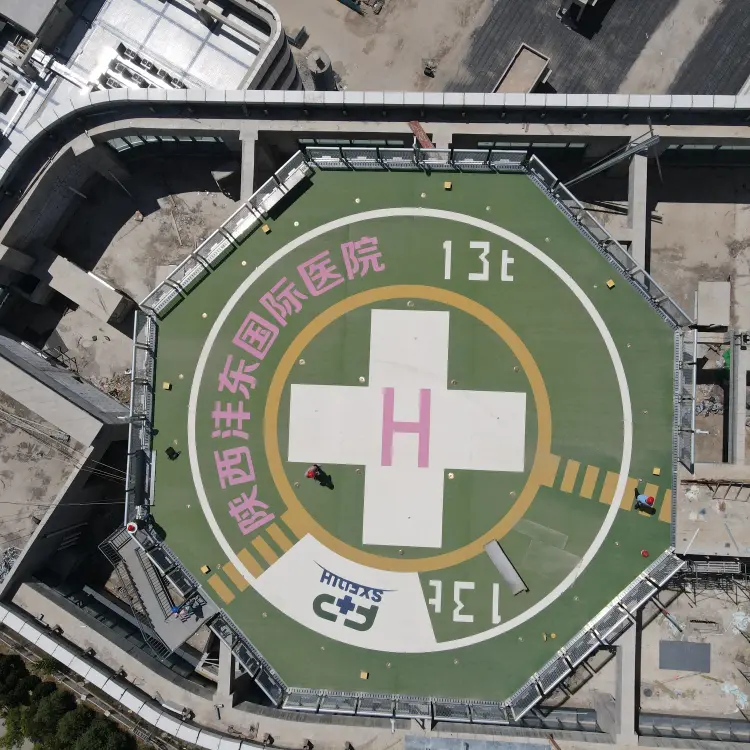
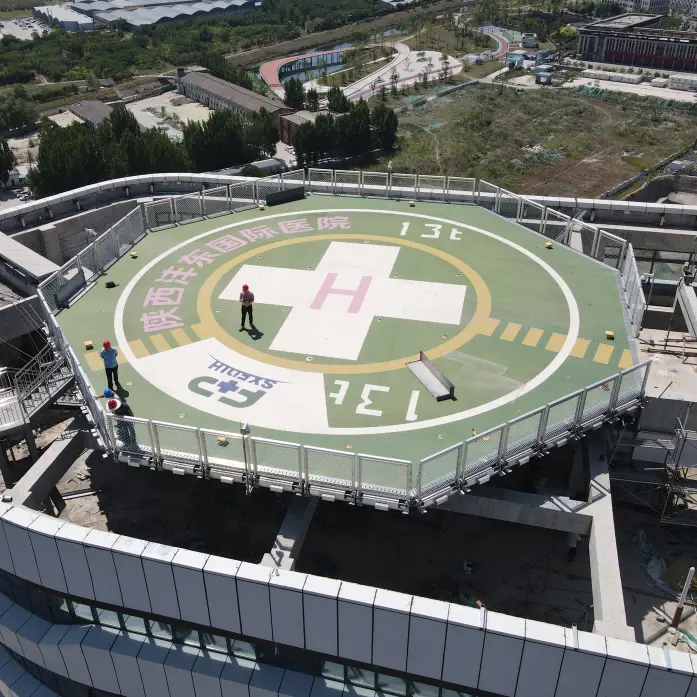
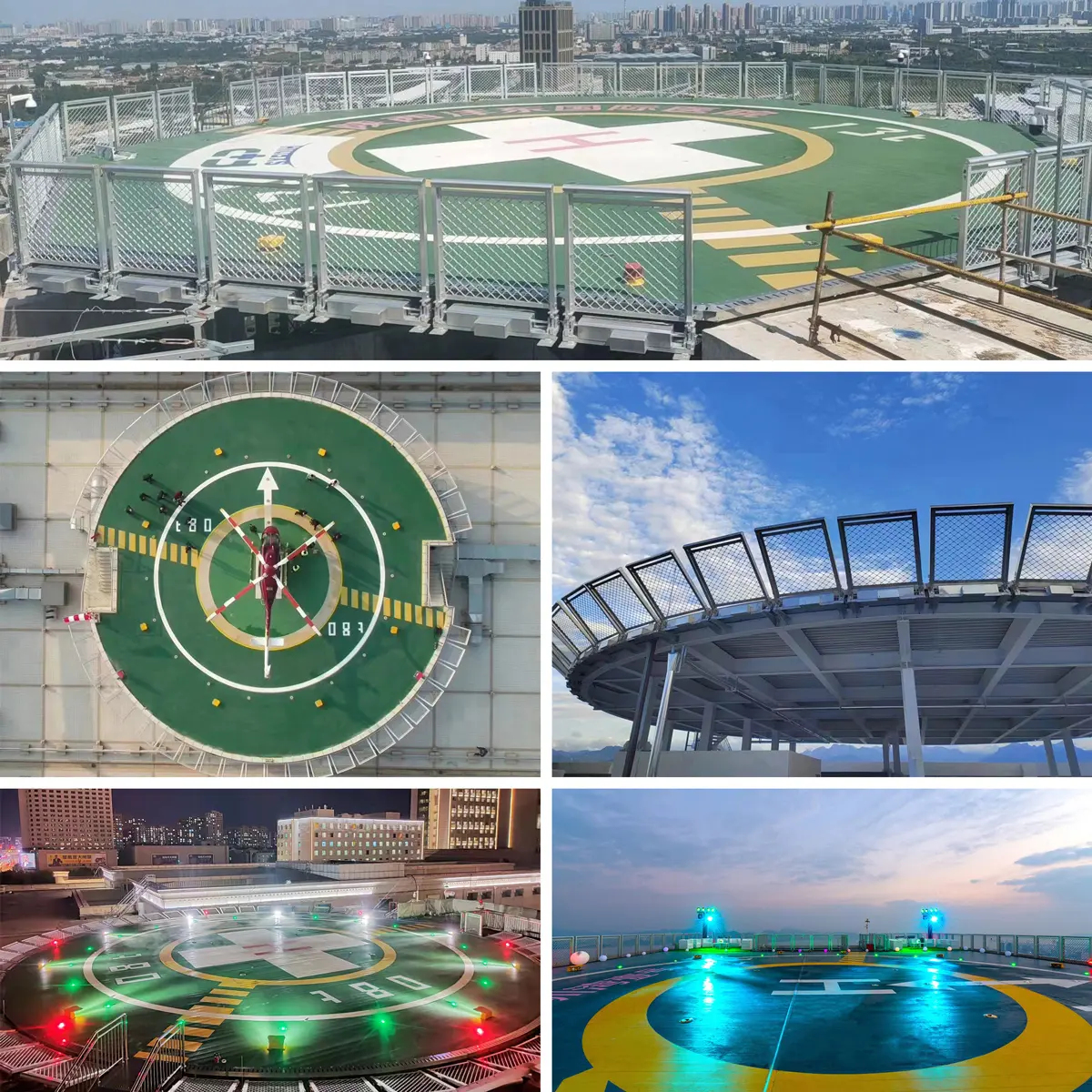
The aluminum profile safety net for helicopter aprons is a protective facility designed specifically for helicopter aprons, aimed at ensuring the safety and stability of helicopters during takeoff and landing. This safety net is made of high-quality aluminum profiles, which have advantages such as lightweight, high strength, and corrosion resistance.
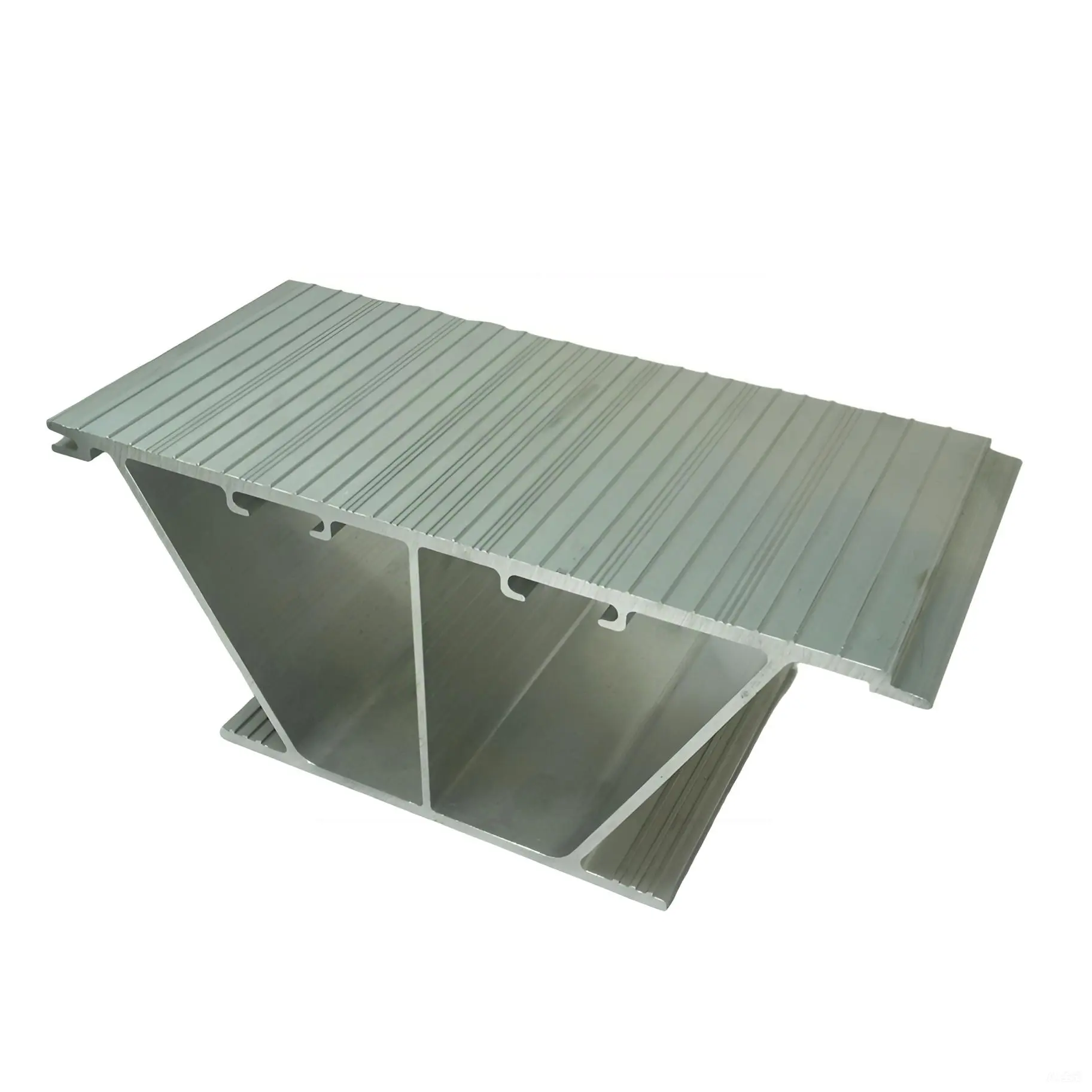
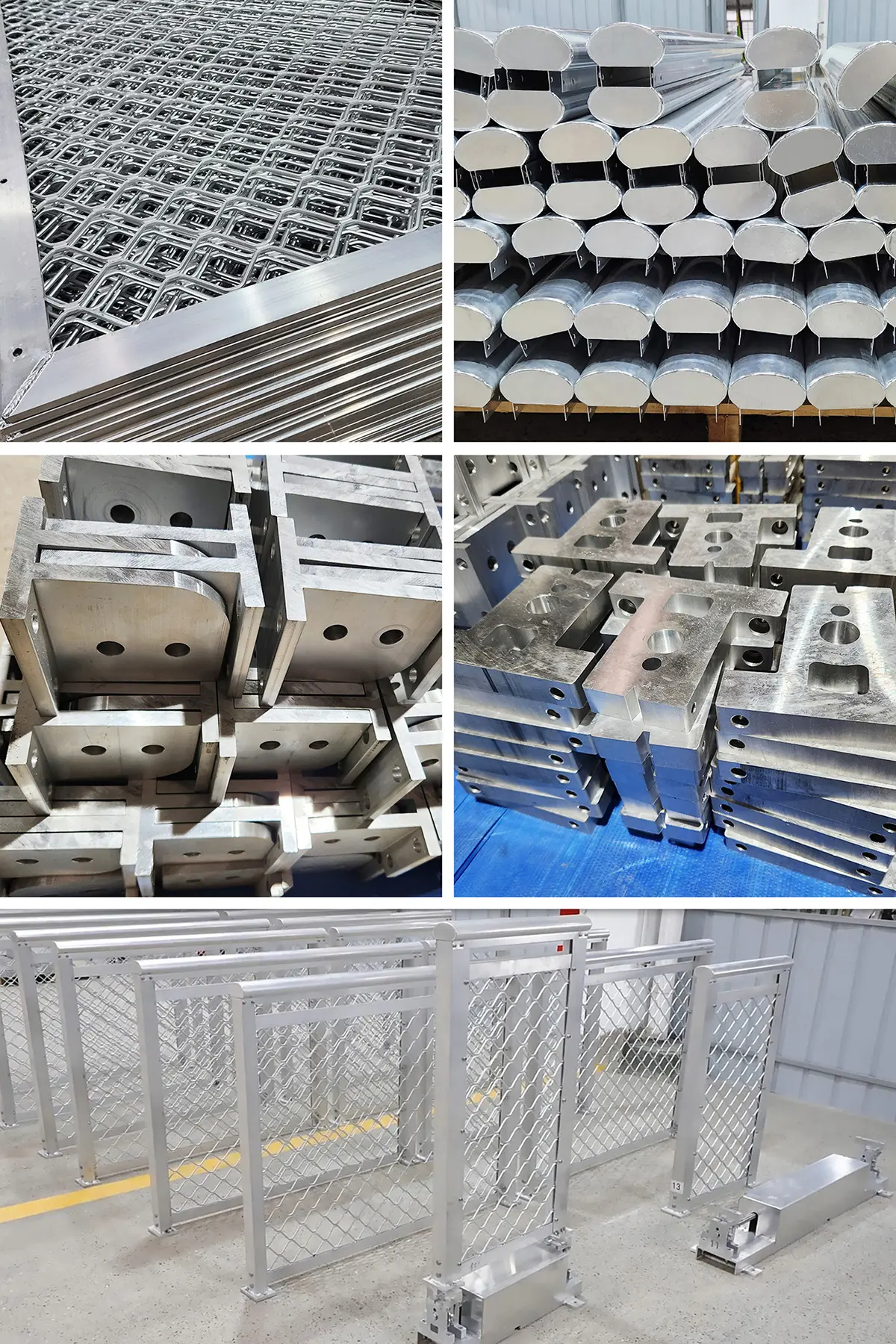
Material: Aluminum profile is one of the main materials for making helicopter apron safety nets. Generally, the safety net is made of 6063-T5 aluminum alloy material, which has good formability, weldability, and processability, high strength, and is easy to coat. In addition, aluminum also has excellent corrosion resistance and oxidation resistance, which can maintain long-term stability in various environments and have excellent tensile strength and weather resistance.
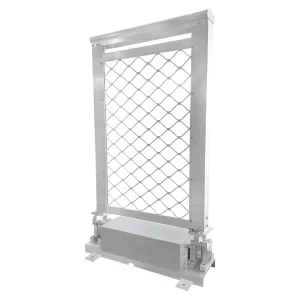
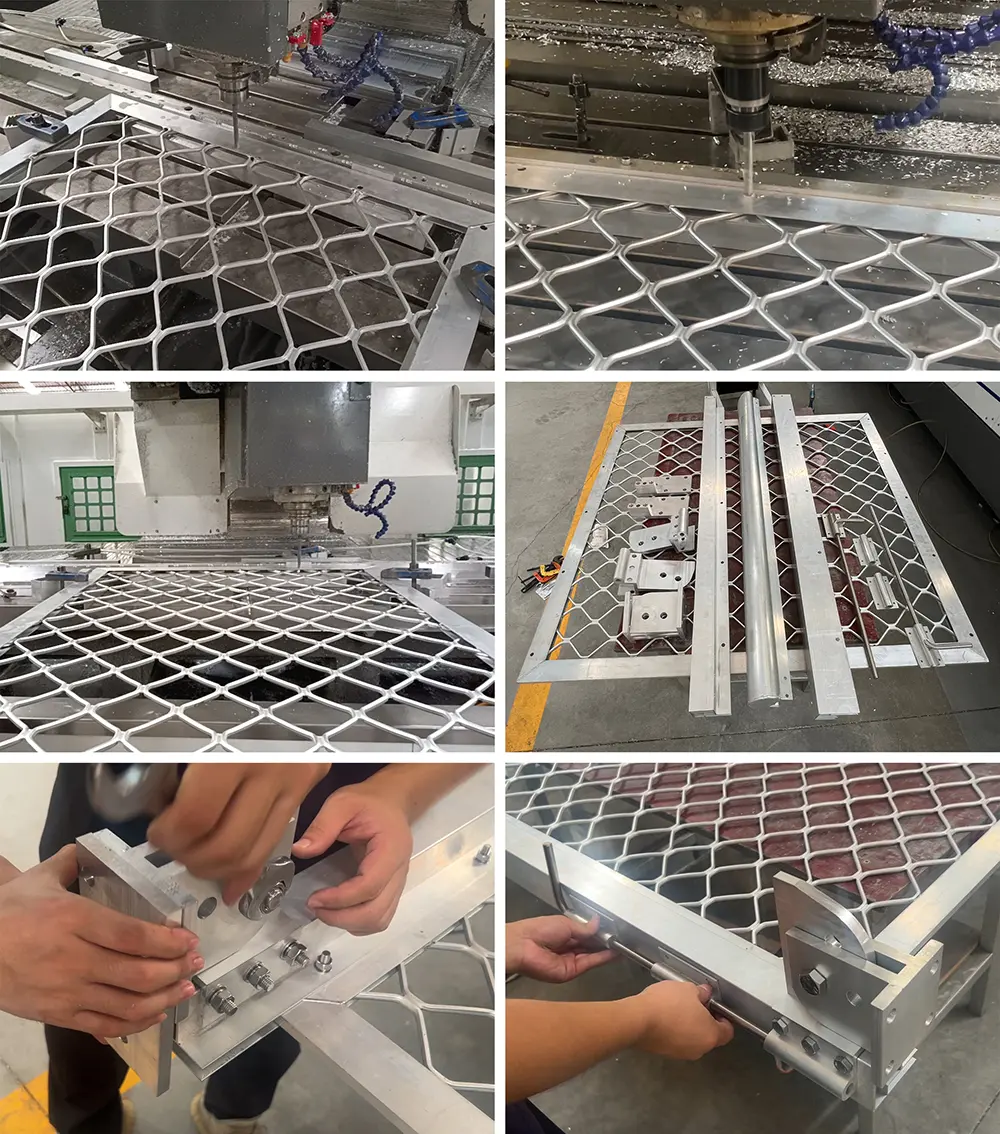
Structure: The helicopter apron safety net is usually composed of supporting columns, mesh plates, and L-shaped angle steel. The supporting column is composed of square shaped pipe fittings with a general inclination angle of 10 ° to ensure its stability and safety. The mesh plate is connected to the support column through bolt components and fixed along the frame with L-shaped angle steel. The mesh surface adopts a high-strength woven mesh design, with uniform mesh holes and stable structure, which can effectively prevent foreign objects from entering the apron area.
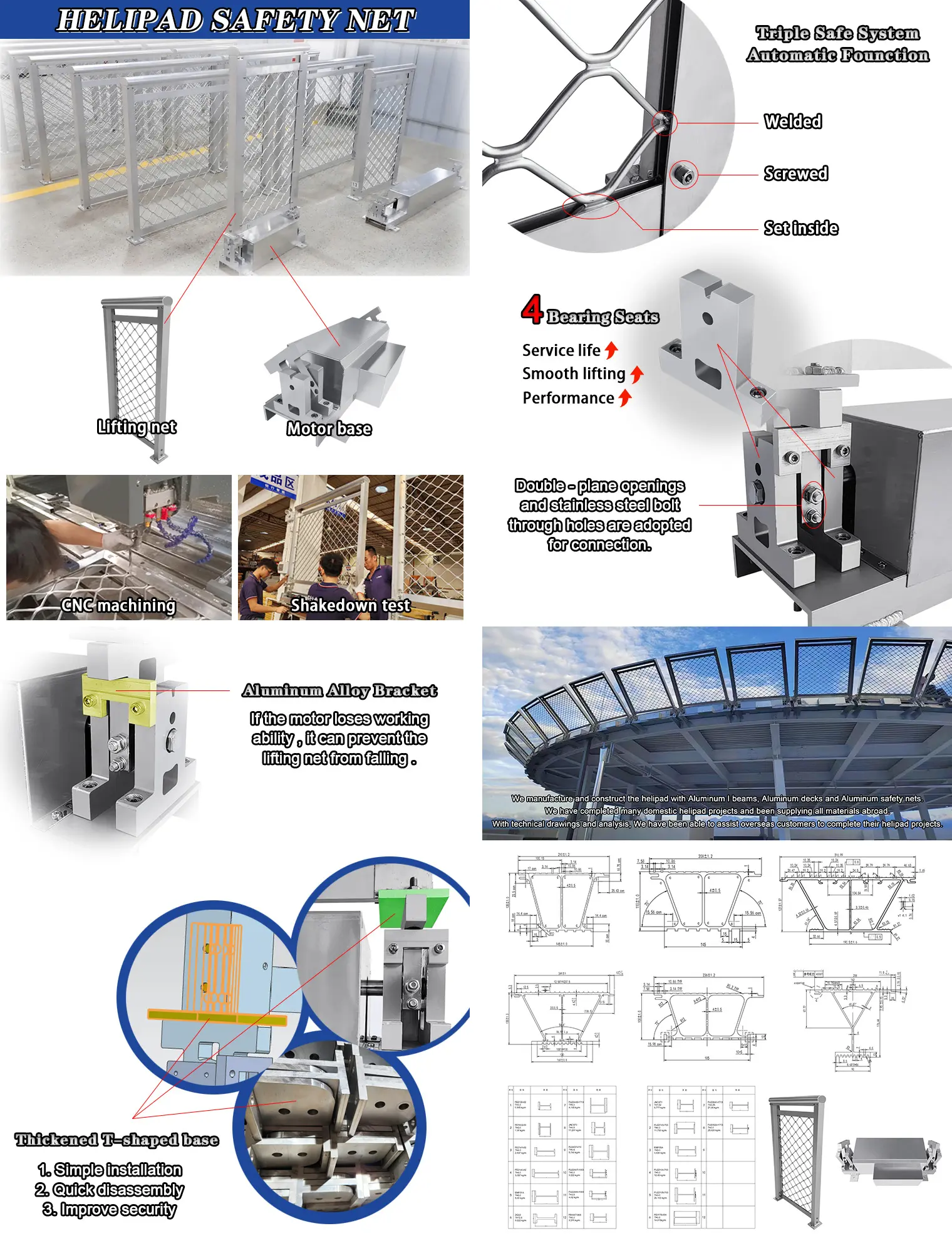
The safety net is primarily constructed from high-quality 6063-T5 aluminum alloy, providing excellent formability, high strength, and weather resistance.
Aluminum profiles offer high corrosion resistance, oxidation resistance, and lightweight strength, making them ideal for long-term outdoor stability in harsh climatic conditions.
It consists of support columns (square pipe fittings with a 10° inclination angle), mesh plates, and L-shaped angle steel secured with bolt components.
Yes. The safety net features a lightweight, modular design, which allows for quick installation, maintenance, and disassembly.
No. The woven mesh design offers high transparency, ensuring a clear line of sight for the pilot during takeoff and landing.