Product Video
Product Description
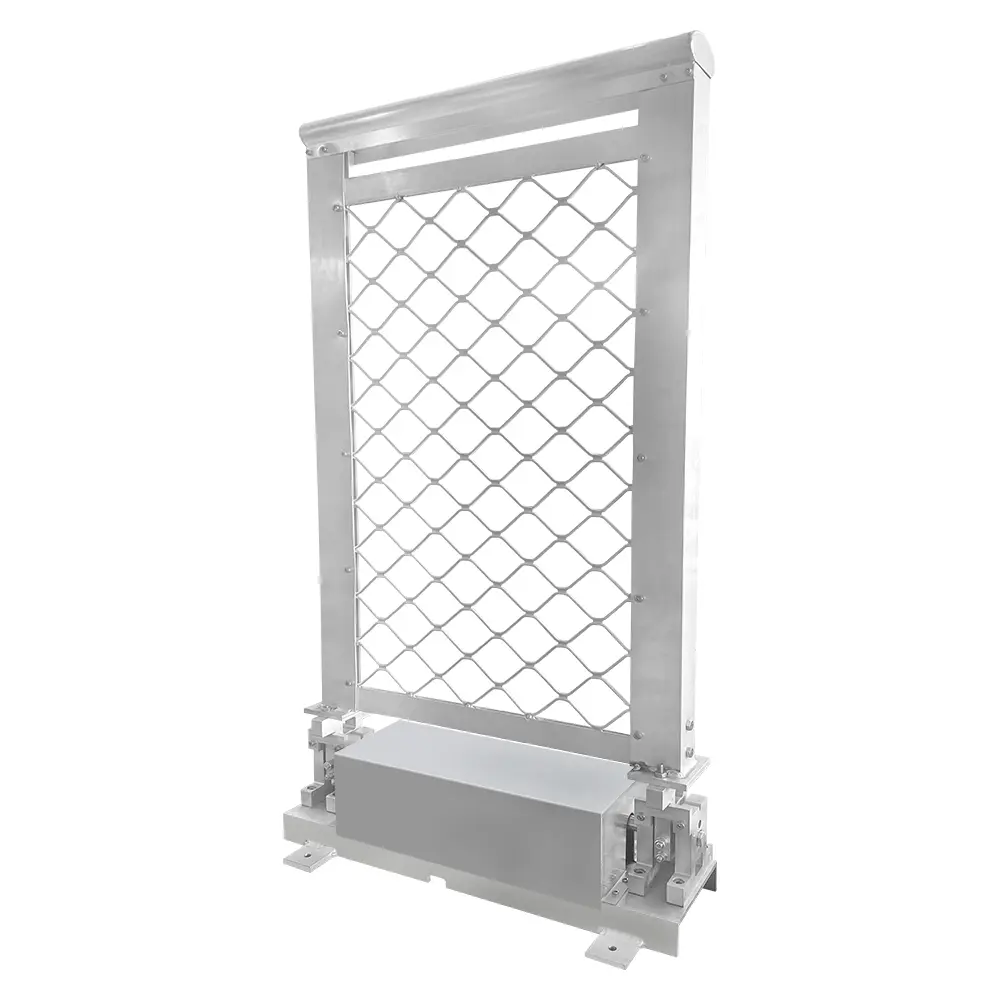
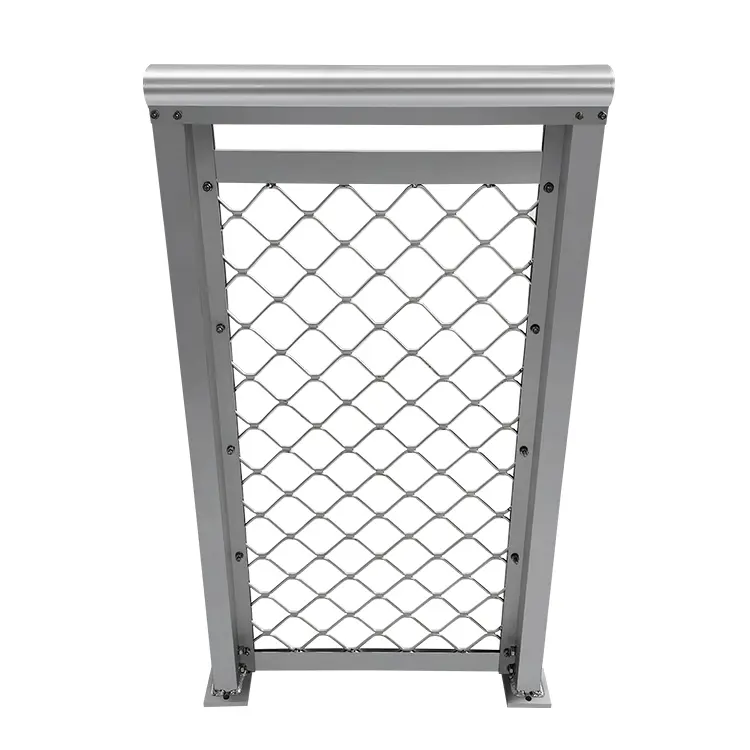
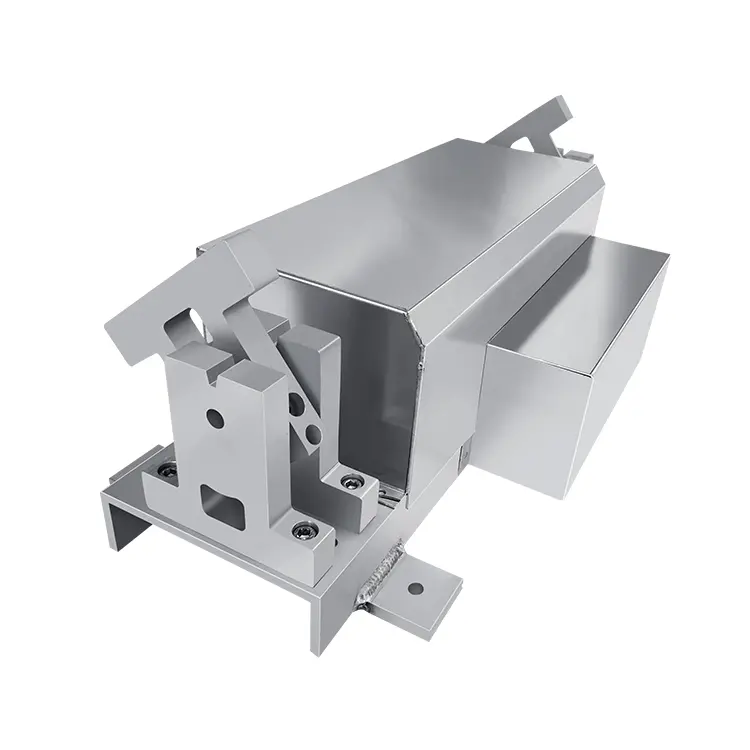
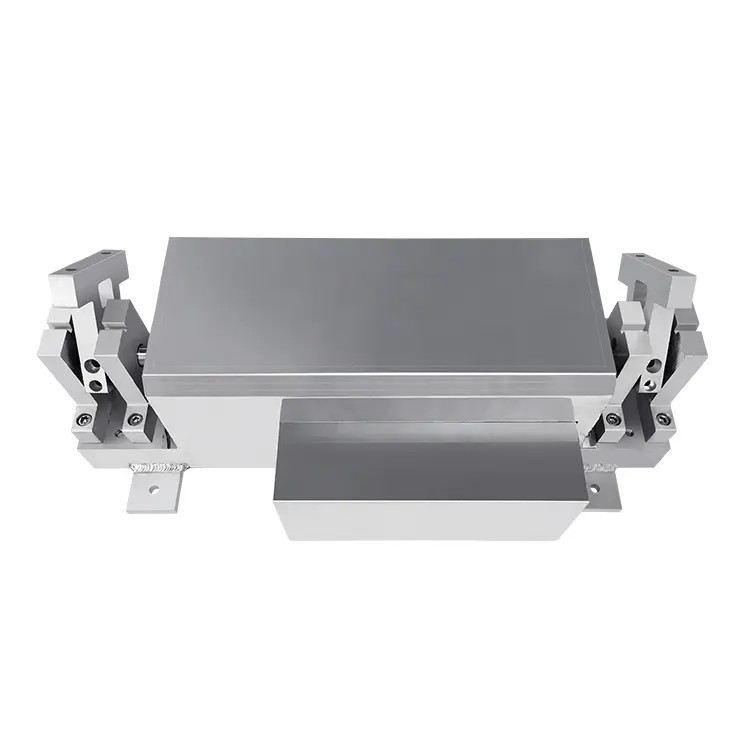
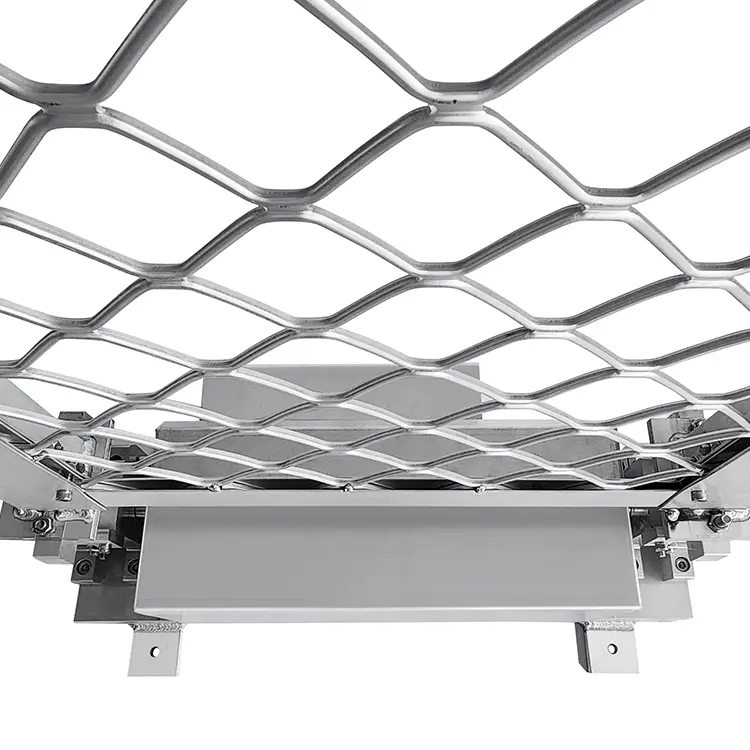
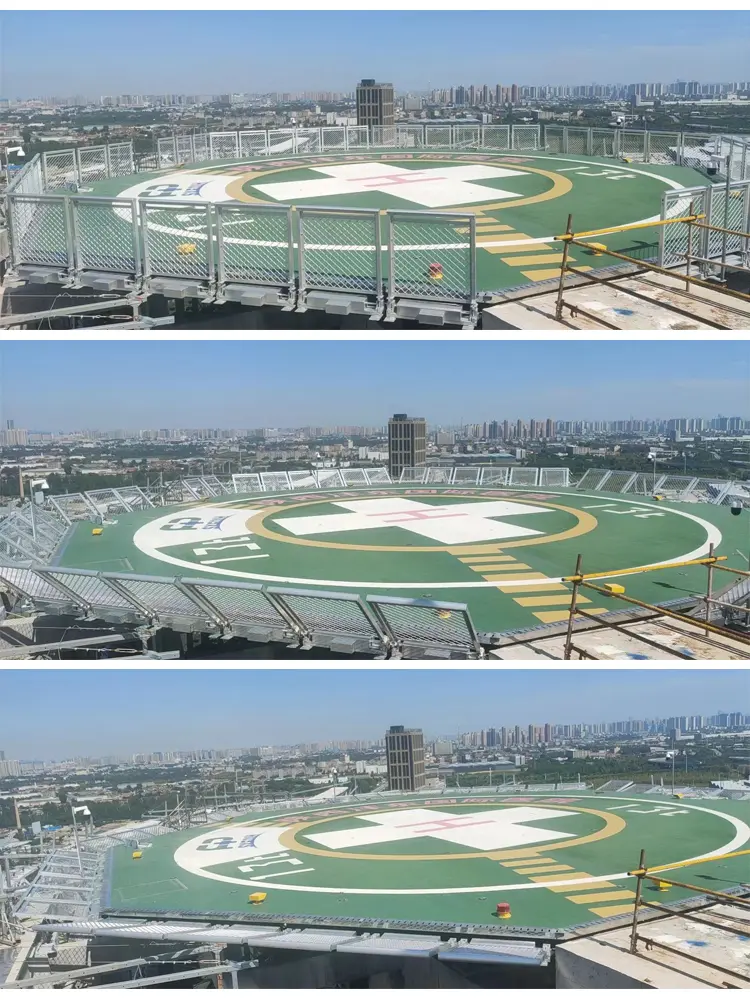
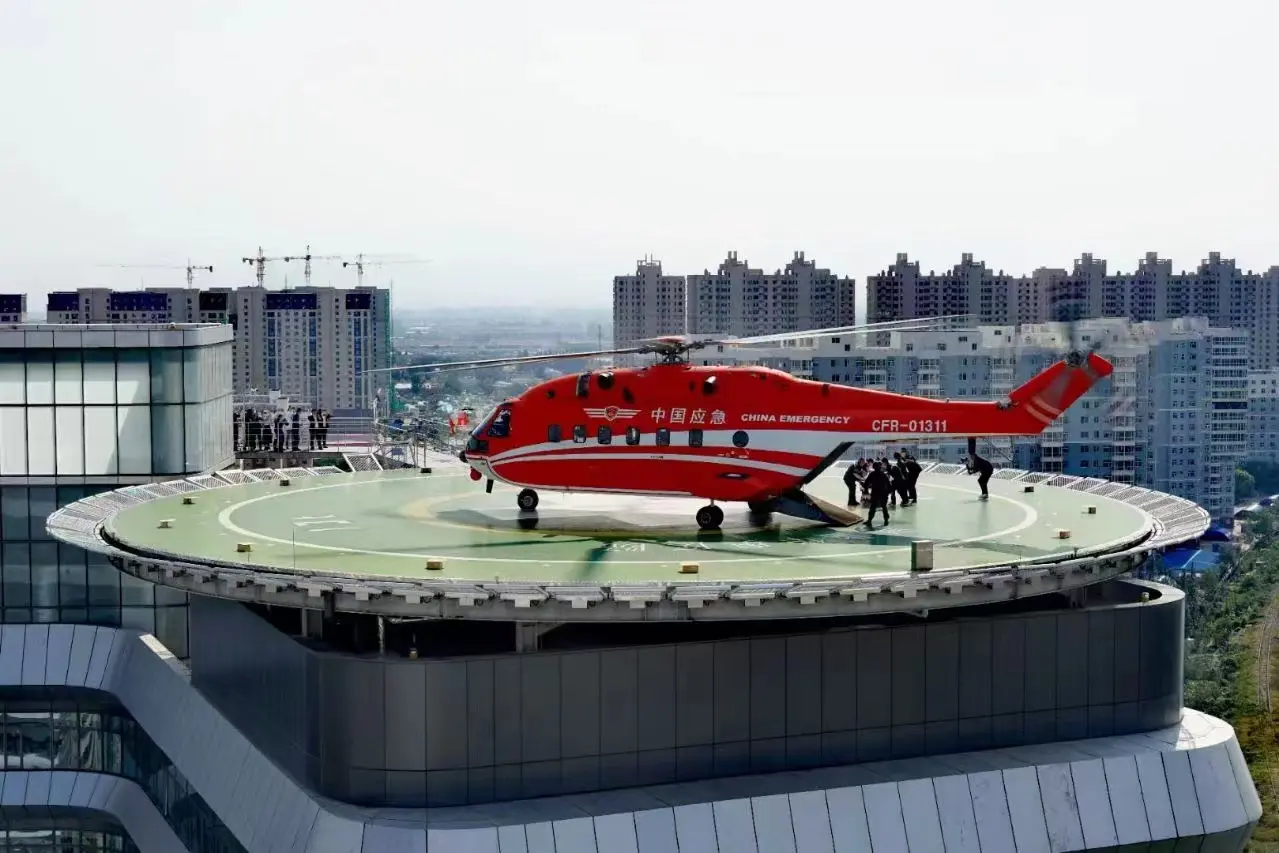
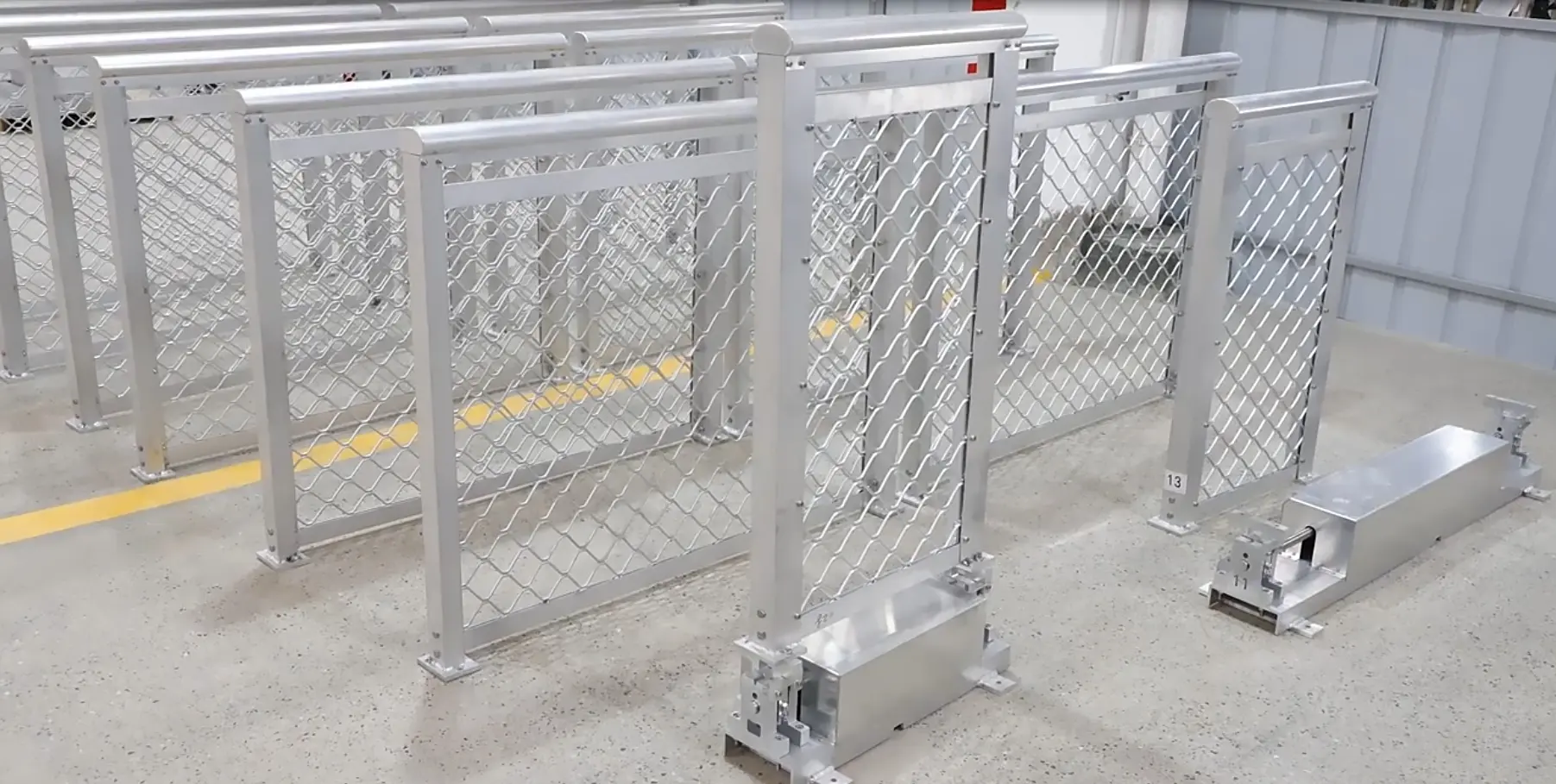
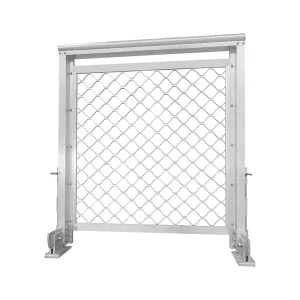
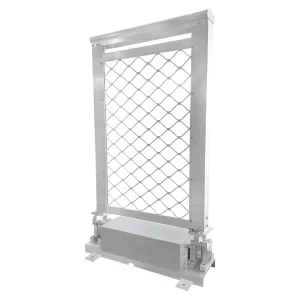
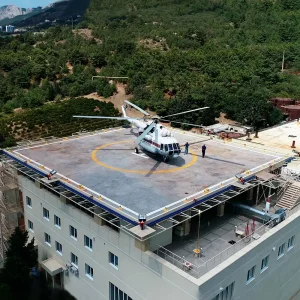
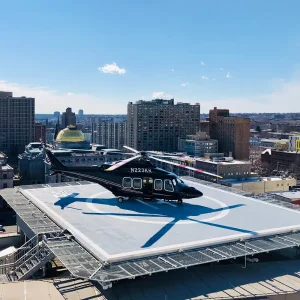
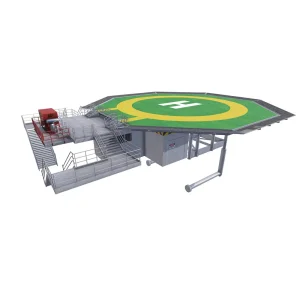
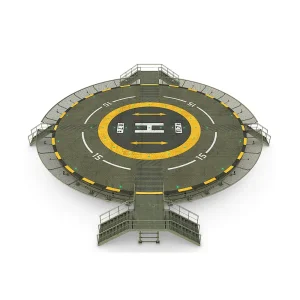
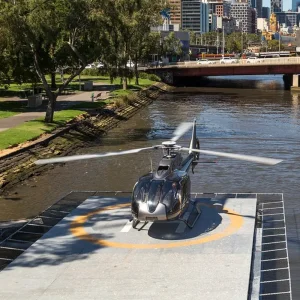
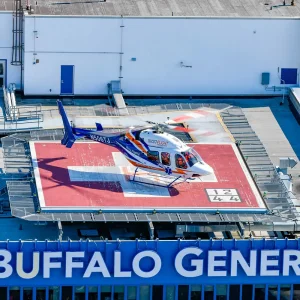
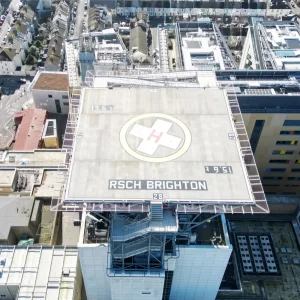
Helicopter electrical safety nets are designed to provide a safe and secure barrier around the helicopter during landing, preventing potential hazards and minimizing the risks associated with ground operations. Its electric mesh system is engineered to deploy quickly and efficiently, forming a protective shield around the helicopter as it lands. This ensures that any unexpected movement or external factors are intercepted, preventing any potential damage to the aircraft or harm to people nearby.
Frequently Asked Questions
What is the primary purpose of helicopter electrical safety nets?
The primary purpose is to provide a secure and reliable safety barrier around the landing deck area. This prevents personnel, equipment, or debris from falling over the edge, significantly reducing risks during landing and ground operations.
How fast can the electric safety mesh system be deployed?
The system is engineered for rapid and efficient deployment. Depending on the specific configuration, it can form a complete protective shield around the helipad in a matter of moments to ensure immediate safety during landings.
Can these safety nets withstand harsh weather conditions?
Yes, these safety nets are manufactured using high-durability materials designed to resist corrosion, UV exposure, and extreme marine or highland weather environments, ensuring long-term operational safety.
Are the automatic safety nets suitable for offshore helidecks?
Absolutely. The automatic design and robust engineering make them ideal for offshore platforms, vessels, and rooftop helipads where safety space is limited and automation is critical.
Do the safety nets interfere with the helicopter's structural clearance?
No, the safety net system is designed to lay flat or retract below the level of the landing deck when not deployed, ensuring there are no obstructions for the helicopter during takeoff and landing maneuvers.
 LvXing