In today's construction landscape, safety remains a top priority. Perimeter Safety Nets play a crucial role in enhancing site security. These nets serve as a reliable barrier, reducing the risk of falls and accidents. They are designed to catch falling objects and provide a clear boundary for workers.
The effectiveness of Perimeter Safety Nets is evident in various projects. They not only protect workers but also safeguard the public. Their installation is straightforward, making them a practical choice for many sites. However, some might underestimate their importance, leading to potential hazards.
Investing in quality Perimeter Safety Nets is essential. Choosing the right materials and installation methods can impact their performance. Reflecting on your current safety measures may highlight gaps that need addressing. Ultimately, a commitment to using Perimeter Safety Nets demonstrates dedication to safety and well-being on construction sites.
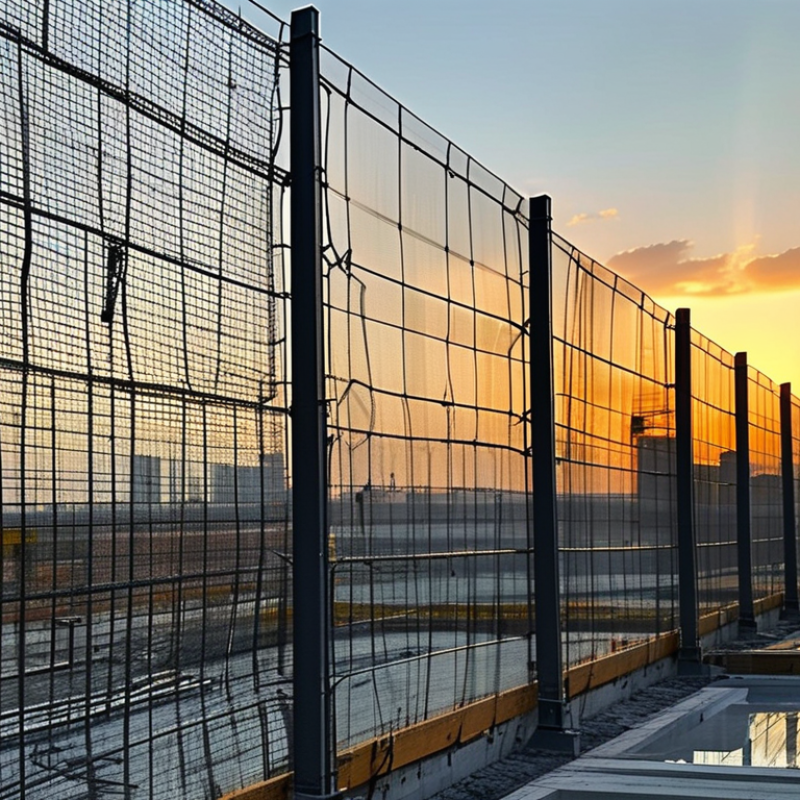
Benefits of Implementing Perimeter Safety Nets in Construction Projects
Implementing perimeter safety nets in construction projects offers significant benefits, enhancing site safety and reducing accident risks. These nets act as a protective barrier, catching tools and materials that could fall. This feature is crucial in densely populated areas where any falling object poses a risk to workers and pedestrians.
In addition to preventing injuries, perimeter safety nets can improve workflow. When workers feel secure, they can concentrate better on their tasks. This focus can lead to higher productivity. Safety nets also encourage adherence to safety protocols, creating a culture of care for everyone on site. However, some may view these nets as cumbersome or unappealing.
There can be challenges in maintenance and installation. Proper setup is essential for their effectiveness. Regular inspections are necessary to ensure longevity and reliability. Inconsistent upkeep may erode trust in their protective capabilities. Ultimately, while they may seem like an extra step, the potential for accident reduction and improved morale underscores their importance in any construction project.
Statistical Impact of Safety Nets on Accident Reduction Rates
Perimeter safety nets significantly contribute to enhancing safety in construction projects. According to a report by the National Safety Council, the use of safety nets can reduce accident rates by up to 30%. This statistic points to the effectiveness of these nets in preventing falls, which are among the leading causes of injuries on job sites.
By implementing safety nets, projects become safer environments. A survey by the Occupational Safety and Health Administration revealed that 50% of construction workers reported feeling more secure on sites equipped with safety nets. However, the challenge lies in ensuring proper installation and maintenance of these nets, as neglect can lead to accidents. Regular inspections and training are crucial to maximize their effectiveness.
While the impact on accident reduction is evident, the reality is that some teams still overlook safety measures. Inadequate training may lead to misuse of safety nets. Moreover, adherence to safety protocols can sometimes be inconsistent, which diminishes the overall potential benefits. A focused approach to safety education can help close this gap, ensuring that all workers understand the value of these safety systems.
Benefits of Perimeter Safety Nets on Accident Reduction Rates
Cost-Effectiveness Analysis of Perimeter Safety Nets Implementation
When considering the implementation of perimeter safety nets, cost-effectiveness is a key factor. These nets can significantly reduce accidents on construction sites, leading to lower insurance premiums. Fewer injuries mean lower medical costs. Investing in safety nets can lead to long-term savings. This is particularly important for budget-conscious projects.
The initial expense of perimeter safety nets may seem high. However, the return on investment is tangible. Reduced downtime due to fewer accidents translates into more productivity. An effective safety net system prevents falls, which are a leading cause of injury. In many cases, injury claims can exceed the cost of safety measures.
Reflecting on the use of perimeter safety nets, it’s crucial to recognize potential challenges. Installation may require skilled labor, and ensuring compliance with safety regulations is essential. Proper training for workers on how to use these nets is also vital. While the benefits are clear, careful planning and consideration are needed to maximize their effectiveness.
Regulatory Compliance and Legal Benefits of Using Safety Nets
Perimeter safety nets are vital for construction sites. They serve a dual purpose of protecting workers and ensuring project compliance with safety regulations. Many countries mandate the use of these nets to reduce fall risks. When properly installed, they create a safety barrier that prevents accidents, which is crucial for legal compliance.
Using safety nets can significantly alleviate the risks of lawsuits. If an incident occurs and safety measures are lacking, the consequences can be severe. Companies could face fines and reputation damage. However, adherence to safety regulations shows a commitment to worker safety. This reduces the likelihood of legal troubles.
Investing in perimeter safety nets demonstrates a responsible approach to safety. Yet, some projects overlook this essential measure. Often, budget constraints lead to cutting corners, which could invite unwanted risks. Reflecting on these choices emphasizes the need for a safety-first mindset in project planning. Ultimately, safety nets not only protect lives but also shield firms from potential legal ramifications.
Environmental Considerations and Sustainability of Safety Nets in Projects
When it comes to project safety, perimeter safety nets play a critical role. They provide physical barriers, helping to prevent accidents on site. However, their impact goes beyond mere safety. Environmental considerations are becoming increasingly important in construction. The materials used in safety nets can affect sustainability efforts.
Many safety nets are made from recyclable materials. This reduces waste and minimizes the carbon footprint of construction activities. Choosing eco-friendly options not only fulfills regulatory requirements but also promotes a positive image for companies. Projects can benefit from reduced costs associated with waste disposal and better community relations.
Despite their advantages, using safety nets poses challenges. Some materials may not hold up well under harsh weather conditions. Regular maintenance is essential but can be overlooked. It's crucial to weigh the benefits against these potential drawbacks. Careful selection and regular assessment of safety nets can ensure that they contribute effectively to environmental goals without compromising safety.
What Are the Benefits of Perimeter Safety Nets for Your Project? - Environmental Considerations and Sustainability of Safety Nets in Projects
| Benefit |
Description |
Environmental Consideration |
Sustainability Aspect |
| Worker Safety |
Reduces fall hazards by providing a barrier. |
Diminishes accidents and associated environmental hazards. |
Promotes a safety culture, leading to longer project viability. |
| Material Efficiency |
Made from recyclable materials enhancing project efficiency. |
Reduces waste generated on-site. |
Supports recycling initiatives and resource recovery. |
| Cost-Effectiveness |
Lowers costs related to accidents and insurance. |
Minimizes environmental liabilities. |
Long-term savings through reduced incident rates. |
| Compliance |
Helps meet safety regulations and standards. |
Ensures minimal environmental impact as per legal requirements. |
Fosters a positive public image and trust in practices. |
| Versatility |
Can be used in various construction scenarios. |
Adaptable solutions reduce the need for multiple products. |
Encourages innovation in sustainable building practices. |
FAQS
: They protect workers and ensure compliance with safety regulations by preventing falls.
They reduce the risk of accidents and potential legal issues, demonstrating a commitment to safety.
Proper use can prevent lawsuits and fines, while neglecting safety measures may lead to severe consequences.
Many are made from recyclable materials, promoting sustainability and reducing carbon footprints.
Yes, some materials may not withstand harsh weather, requiring regular maintenance that can be overlooked.
It protects lives and fosters a positive reputation while reducing potential legal ramifications.
They should weigh benefits against potential drawbacks, including maintenance needs and material durability.
Using eco-friendly options reduces waste and supports sustainability efforts in construction projects.
Conclusion
Perimeter Safety Nets are increasingly recognized as a vital component in enhancing safety within construction projects. Implementing these nets significantly reduces accident rates, as statistical evidence shows a clear correlation between their use and lower incident occurrences on-site. Furthermore, a cost-effectiveness analysis reveals that while the initial investment might be substantial, the long-term savings from reduced accidents and liability claims make Perimeter Safety Nets a financially sound choice for project managers.
Additionally, compliance with regulatory standards is another critical advantage of using Perimeter Safety Nets, as they help organizations meet safety requirements and avoid legal repercussions. From an environmental perspective, the sustainability of these nets contributes to promoting eco-friendly construction practices, ensuring that safety measures align with broader environmental goals. Overall, the integration of Perimeter Safety Nets in construction projects provides multifaceted benefits that enhance safety, legal standing, and environmental responsibility.

 LvXing