When it comes to selecting the right components for construction and design, the importance of the 4040 Aluminum Profile cannot be overlooked. As John Smith, an industry expert with over 15 years of experience, states, “The right profile can make or break the structural integrity of your project.” This highlights the necessity of making informed decisions.
The 4040 Aluminum Profile is renowned for its versatility and strength. It is commonly utilized in a variety of sectors, including manufacturing and automation. However, many buyers often overlook critical details that could affect their choice. The dimensions, weight capacity, and connection types can significantly alter performance.
Investing in the right 4040 Aluminum Profile requires a meticulous approach. Relying solely on specifications can lead to mismatched expectations. Practical experience, combined with expert advice, offers a balanced perspective for buyers. It is crucial to reflect on your specific needs before making a purchase.
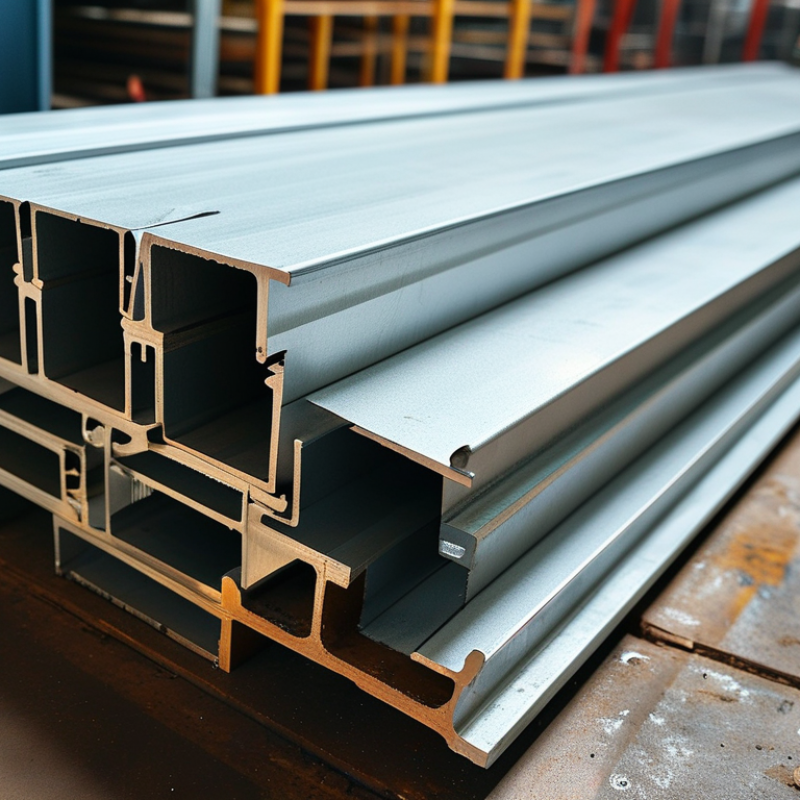
Understanding 4040 Aluminum Profiles: Features and Applications
4040 aluminum profiles have gained popularity due to their versatility and strength. These profiles are commonly utilized in various industries, including construction, automotive, and electronics. With a 40mm x 40mm cross-section, they offer a stable structure while remaining lightweight. A report from the Aluminum Association indicates that the global demand for aluminum profiles is expected to grow by 5% annually through 2025.
The features of 4040 aluminum profiles include excellent corrosion resistance and high thermal conductivity. This makes them suitable for both indoor and outdoor applications. For example, in the renewable energy sector, these profiles are used for mounting solar panels. According to a study by the International Energy Agency, solar energy installations are projected to increase significantly, which could drive the demand for 4040 aluminum profiles.
However, choosing the right profile can be challenging. The specifications may vary between suppliers, affecting the final application. Some profiles may not have uniform strength, which could lead to structural issues in critical applications. Buyers should carefully assess the quality standards of the profiles before making a purchase. Ensuring reliability is essential for long-term use.
Key Factors to Consider When Buying 4040 Aluminum Profiles
When purchasing 4040 aluminum profiles, consider a few key factors. First, assess the profile's dimensional accuracy. This ensures that the components fit together correctly. Proper fitting is crucial for stability, especially in structural projects. Look for profiles that have precise cuts and consistent wall thickness to minimize alignment issues.
Next, evaluate the material's quality. Aluminum profiles should be made from high-grade aluminum for strength and durability. Check for specifications regarding corrosion resistance and surface treatment. These details can greatly affect performance in various environments.
Additionally, think about the intended application. Some profiles may offer more flexibility, while others provide rigidity. Understanding the specific needs of your project can guide you in making the right choice. Be cautious, as not all manufacturers provide clear information on their products. Always verify claims through independent reviews or consumer feedback.
Best 4040 Aluminum Profile Buying Guide for Global Buyers
| Dimension (mm) |
Weight (kg/m) |
Material Type |
Surface Finish |
Purpose |
Price Range ($) |
| 40 x 40 |
2.5 |
6063-T5 |
Anodized |
Structural frames |
10 - 15 |
| 40 x 80 |
4.0 |
6061-T6 |
Mill Finish |
Machine frames |
12 - 18 |
| 40 x 120 |
5.5 |
6063-T5 |
Powder Coated |
Assembly lines |
15 - 22 |
| 40 x 160 |
7.0 |
6061-T6 |
Brushed |
Display stands |
20 - 30 |
Comparative Analysis of 4040 Aluminum Profile Manufacturers
When exploring the landscape of 4040 aluminum profiles, it's essential to assess various manufacturers critically. Different suppliers offer varying qualities and specifications. Some focus on cost-effectiveness, while others prioritize advanced manufacturing techniques. Buyers should carefully consider the intended application of the profiles before making a decision. For instance, profiles used in structural frameworks require different strength and durability than those used in aesthetic designs.
Moreover, examining manufacturing processes can provide insights into reliability. Some manufacturers utilize advanced extrusion technologies that enhance profile consistency and reduce defects. However, not all companies maintain the same standards. Conducting a thorough analysis can reveal discrepancies in quality that may impact performance. It's also valuable to seek feedback from existing users, as real-world experiences can highlight both strengths and weaknesses that specifications alone may not disclose.
Price can give a snapshot of value, but it doesn't tell the whole story. A lower price may sometimes correlate with lower quality. Choosing a manufacturer should involve weighing factors like compliance with industry standards, customer service, and warranty offerings. This evaluation process is not always straightforward and can be a learning journey. Every buyer must refine their criteria based on their unique needs and experiences.
Benefits of Using 4040 Aluminum Profiles in Various Industries
4040 aluminum profiles are emerging as essential components across various industries. Their lightweight nature and strength make them ideal for construction, automation, and manufacturing. According to recent market analyses, the global aluminum profile market is projected to reach $74 billion by 2027, reflecting a compound annual growth rate of 5.7%. This growth highlights the increasing adoption of aluminum profiles, particularly the 4040 size, in industrial applications.
In the automation sector, 4040 aluminum profiles are often used for machine frames and structures. They provide flexibility and easy assembly. Their modular design allows for quick adjustments, catering to dynamic production needs. However, not all designs are flawless. Some users report difficulties in ensuring tight connections, which can impact stability. It is essential to assess each project's requirements before choosing the profile type.
The construction industry also benefits from 4040 aluminum profiles. They are corrosion-resistant and require less maintenance. This longevity is supported by data from industry reports which claim that structures utilizing aluminum profiles have a lifespan increase of 36%. Yet, buyers should consider the initial costs versus long-term benefits. Planning and careful evaluation can lead to better outcomes.
Tips for Selecting the Right Supplier for 4040 Aluminum Profiles
When selecting a supplier for 4040 aluminum profiles, start by assessing their experience. Look for companies with a proven track record. Experienced suppliers understand the nuances of quality and service. They can offer better insights on materials and specifications.
It's also vital to evaluate the supplier's technical expertise. Check if they can provide detailed product information. A knowledgeable supplier should supply specifications, tolerances, and finish options. Ask about their manufacturing processes to gauge their capabilities. This can reveal their commitment to quality.
Don't overlook the importance of customer reviews. Feedback from previous clients can provide useful insights. Analyze both positive and negative comments to get a balanced view. Suppliers with consistent, high ratings often demonstrate reliability and professionalism. Look for testimonials that highlight responsiveness and support.
4040 Aluminum Profile Supplier Comparison
4040 Aluminum Profile Supplier Comparison
This chart compares the quality ratings of various suppliers for 4040 aluminum profiles. A higher rating indicates better quality, helping global buyers make informed decisions when selecting suppliers.
FAQS
: They are used in construction, automation, and manufacturing. Their lightweight and strength make them ideal for these fields.
They are perfect for machine frames. Their modular design offers flexibility and easy assembly, meeting dynamic production needs.
Some users report issues with tight connections. This can affect stability and may require careful planning before selecting them.
They are corrosion-resistant and require less maintenance. Structures using them can have a lifespan increase of about 36%.
Check their experience and track record. An experienced supplier will understand quality nuances and offer valuable insights.
A knowledgeable supplier can provide detailed specifications and options. This reflects their commitment to delivering quality products.
Reviews offer insights into reliability and professionalism. Analyzing feedback helps you make informed choices based on previous experiences.
Evaluate the initial costs against long-term benefits. Careful planning can lead to more favorable outcomes in the long run.
Yes, they are designed for longevity. However, evaluating your specific project needs is vital before making a decision.
Yes, their modular design allows for quick adjustments. However, ensure that the necessary capabilities exist before proceeding.
Conclusion
The "Best 4040 Aluminum Profile Buying Guide for Global Buyers" provides an insightful overview of 4040 aluminum profiles, highlighting their unique features and versatile applications across various industries. The guide emphasizes key factors to consider when purchasing these profiles, including strength, finish, and compatibility with existing systems. It also conducts a comparative analysis of different manufacturers, helping buyers make informed choices.
Additionally, the guide outlines the numerous benefits of using 4040 aluminum profiles, such as their lightweight nature, durability, and customization options. To ensure optimal purchasing experiences, it offers essential tips for selecting the right supplier. By understanding these elements, global buyers can effectively navigate the market for 4040 aluminum profiles and find solutions that meet their specific needs.

 LvXing