Choosing the right aluminum profiles for doors is crucial for both aesthetics and functionality. Renowned expert in architectural materials, Dr. Emily Carter, states, "The right aluminum profiles doors can transform a space while ensuring durability." This highlights the importance of selection in this specialized field.
When navigating the options in Aluminum Profiles Door, one must consider several factors. Quality, design, and purpose all play a role. Do you need insulation? Is style a priority? Each choice affects the overall impact. The world of aluminum profiles can seem overwhelming at first. However, informed decisions lead to better outcomes.
Additionally, there are imperfections that come with many profiles. Some may not withstand harsh conditions as expected. Others may require more maintenance over time. Reflecting on these shortcomings is essential. Acknowledging the potential downsides ensures a more satisfying investment. In doing so, your choice of Aluminum Profiles Door will resonate with your needs and preferences.
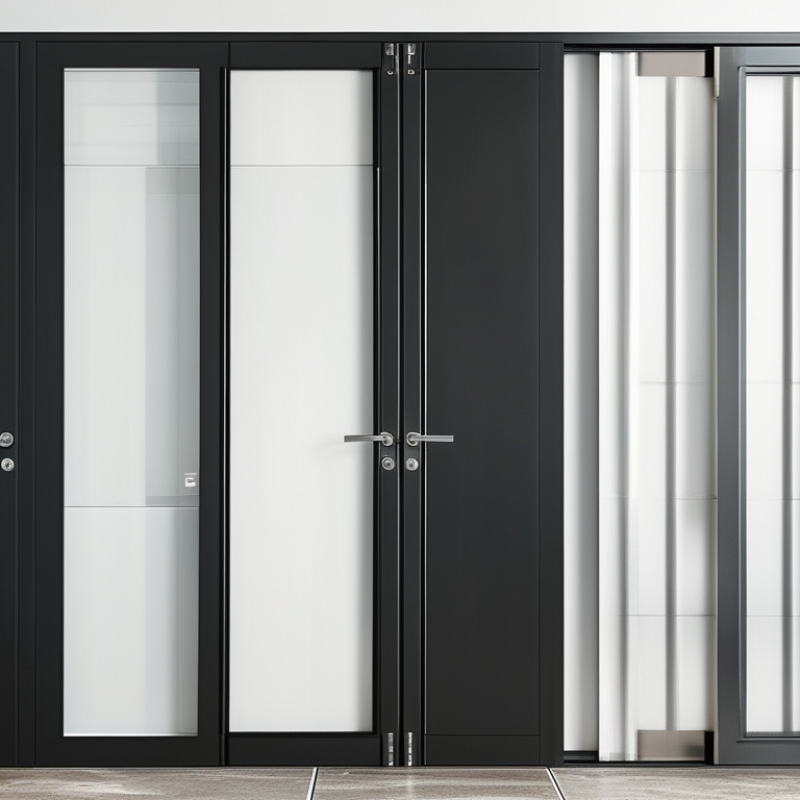
Aluminum profiles play a crucial role in door construction. They provide structural integrity, durability, and aesthetic appeal. The use of aluminum in doors has been on the rise, with industry reports indicating that the global aluminum door market is projected to grow significantly, driven by demand for energy-efficient and lightweight materials.
The importance of choosing the right aluminum profile cannot be overstated. A study by a leading industry analyst noted that over 70% of door failures are due to poor material selection. Profiles that lack proper thermal break can lead to condensation issues, affecting insulation. Additionally, high-quality aluminum profiles resist corrosion better than traditional materials, enhancing longevity.
In selecting aluminum profiles, consider weight, strength, and finish. Inappropriate specifications can lead to increased maintenance costs and safety concerns. Also, environmental factors such as humidity and exposure to chemicals should be evaluated. Reports suggest that the right profiles can reduce energy costs by up to 30%, highlighting their efficiency and value.
Selecting aluminum profiles for doors requires careful consideration of several key factors. The structural integrity of the profiles is paramount. According to industry reports, profiles with a minimum thickness of 1.2 mm offer better durability and resistance to warping. Many manufacturers recommend a profile strength rating of around 300 MPa for optimal performance. Ensure that the profiles comply with local building codes to avoid future issues.
Another crucial aspect is thermal efficiency. Profiles with thermal breaks reduce energy loss significantly. Studies show that using thermal break profiles can improve energy efficiency by up to 30%. It's vital to examine the insulation properties of the chosen profiles. Consider using profiles with multi-chamber designs, as they provide enhanced thermal performance.
Aesthetic appeal is also important. Aluminum profiles come in various finishes and colors. Customizing the look can enhance the overall design of the door. Yet, achieving a balance between aesthetics and functionality can be challenging. Some finishes may require higher maintenance, potentially affecting long-term satisfaction. Therefore, weigh the beauty against the practicality of upkeep. This thoughtful approach will guide you in making informed decisions when selecting aluminum profiles for doors.
| Factor | Description | Importance Level | Consideration |
|---|---|---|---|
| Material Quality | Evaluate the strength and durability of aluminum used in profiles. | High | Choose profiles with high corrosion resistance. |
| Thickness | Determine the right thickness for strength and insulation. | Medium | Consider local building codes for minimum thickness. |
| Design Options | Look for profiles that fit desired aesthetics and architectural style. | Medium | Choose customizable options for unique designs. |
| Thermal Performance | Assess the insulation properties of aluminum profiles. | High | Consider thermal breaks to improve efficiency. |
| Cost | Evaluate the price versus long-term benefits of the profiles. | High | Balance quality and budget while making a decision. |
When selecting aluminum profiles for doors, understanding the different types available is crucial. Each style of door design can benefit from specific aluminum profiles. For example, sliding doors often use slimline profiles that maximize glass space. This design allows for more natural light, enhancing the ambiance of any room. On the other hand, hinged doors might require sturdier profiles to ensure durability.
Consider the aesthetic aspects as well. Architectural designs vary widely, so the selected profile should match the overall style. Modern homes might favor minimalist designs with clean lines. In contrast, traditional settings may call for more ornate profiles. The finish of the aluminum is also vital. Options range from powder-coated to anodized, each offering different visual and functional properties.
It’s important to assess the door's use case and environment before making a decision. Weather conditions can impact the choice of profile. For instance, coastal areas may need more corrosion-resistant materials. It is worth reflecting on personal preferences and the door's function. Choosing the wrong profile can lead to dissatisfaction and functional issues later. Carefully weigh your options to ensure long-term reliability and style.
When evaluating the durability and maintenance of aluminum profiles for doors, several factors come into play. Aluminum is known for its resistance to rust and corrosion, making it an excellent choice for various climates. According to a 2022 report from the Aluminum Association, aluminum profiles have a lifespan of up to 50 years with proper care. This longevity is attributed to the material's ability to withstand harsh weather conditions without significant wear.
Maintenance, however, can vary widely based on the quality of the aluminum finish. Profiles with a higher-grade anodized finish often require less upkeep. A study by the National Association of Architectural Metal Manufacturers indicates that regular cleaning can extend the lifespan of aluminum profiles. Recommendations suggest cleaning surfaces at least twice a year. This can prevent dirt buildup and maintain aesthetics, but neglecting maintenance might lead to diminished performance over time.
It's worth considering the environmental impact of aluminum as well. While the recycling process is energy-intensive, recycled aluminum uses 95% less energy than new production, according to a 2020 report by the World Aluminum Institute. Thus, choosing profiles that prioritize recyclability can contribute to sustainability, though it's a complex decision; not all suppliers maintain consistent recycling practices. This variability highlights the need for careful research when selecting aluminum profiles for doors.
Budgeting for aluminum profiles in door projects requires careful consideration of several factors. On average, aluminum profiles can cost between $3 to $7 per linear foot. This price range varies based on the alloy and finish selected. Some high-strength alloys might push costs higher, up to $10 per linear foot, especially when specialized finishes are added. The choice of profile design—like thermal breaks or frame types—also impacts the budget.
In addition to material costs, installation plays a significant role. Installation can add an extra 20% to 30% to the total project cost. Hiring professionals with expertise in aluminum installation is often vital. Their knowledge ensures that profiles are accurately measured and fitted, minimizing wastage. This expertise might seem costly initially but can save on long-term maintenance.
Additionally, consider long-term investment. High-quality aluminum profiles can last decades if properly maintained. In contrast, cheaper options may lead to increased replacements or repairs over time. Balancing initial costs with durability is essential for budget-conscious consumers. Always calculate the life-cycle cost to get a true picture of your investment.
: Profiles should have a minimum thickness of 1.2 mm for durability. Thicker profiles resist warping better.
Profiles with thermal breaks can improve energy efficiency by up to 30%. They minimize energy loss effectively.
Aluminum profiles come in various finishes and colors. Customizing may enhance design but requires maintenance balance.
Different door designs require specific aluminum profiles. Sliding doors, for instance, benefit from slimline profiles for natural light.
Weather conditions affect profile selection. Coastal areas need more corrosion-resistant materials for longevity.
Prices range from $3 to $7 per linear foot. Specialized finishes may raise costs to $10 or more per foot.
Installation can add 20% to 30% to the total project cost. Professional installation helps ensure proper fitting.
High-quality profiles last decades with proper maintenance. Cheaper options may incur more replacements, affecting overall costs.
A strength rating around 300 MPa is recommended for optimal performance. This ensures structural integrity and durability.
Personal preferences should reflect on the door's function and style. Choosing the wrong profile can lead to dissatisfaction later.
Choosing the best Aluminum Profiles Door is crucial for ensuring the structural integrity and aesthetic appeal of door constructions. Understanding the significance of aluminum profiles, one must consider key factors such as design compatibility, weight, and thermal efficiency. Different aluminum profiles cater to various door designs, ranging from contemporary to traditional styles, providing versatility in choices.
Additionally, evaluating the durability and maintenance requirements of aluminum profiles is essential, as this material is often chosen for its resilience and low upkeep. Cost considerations are also vital; budgeting for aluminum profiles in door projects can significantly impact the overall expenditure. By carefully assessing these factors, one can successfully select the most suitable aluminum profiles to enhance both functionality and style in door installations.

LvXing