In the construction industry, safety is paramount. One crucial element of job site safety is the Perimeter Safety Net. Experts emphasize its importance. John Smith, a leading safety consultant, asserts, “Perimeter Safety Nets are essential for protecting workers and bystanders alike.” His statement highlights the dual role these nets play – safeguarding both laborers and the public.
Installing a Perimeter Safety Net can prevent fatal accidents. These nets help catch falling objects, reducing injury risk on construction sites. Their effectiveness hinges on proper installation and routine maintenance. However, many sites neglect these crucial steps. This oversight can lead to devastating consequences.
Regular training on the use of Perimeter Safety Nets is vital. Workers should understand their significance and how to maintain them. Neglecting training can result in injuries, even fatalities. While Perimeter Safety Nets are not foolproof, they provide an essential layer of defense. Reflecting on past incidents can help improve current safety measures.
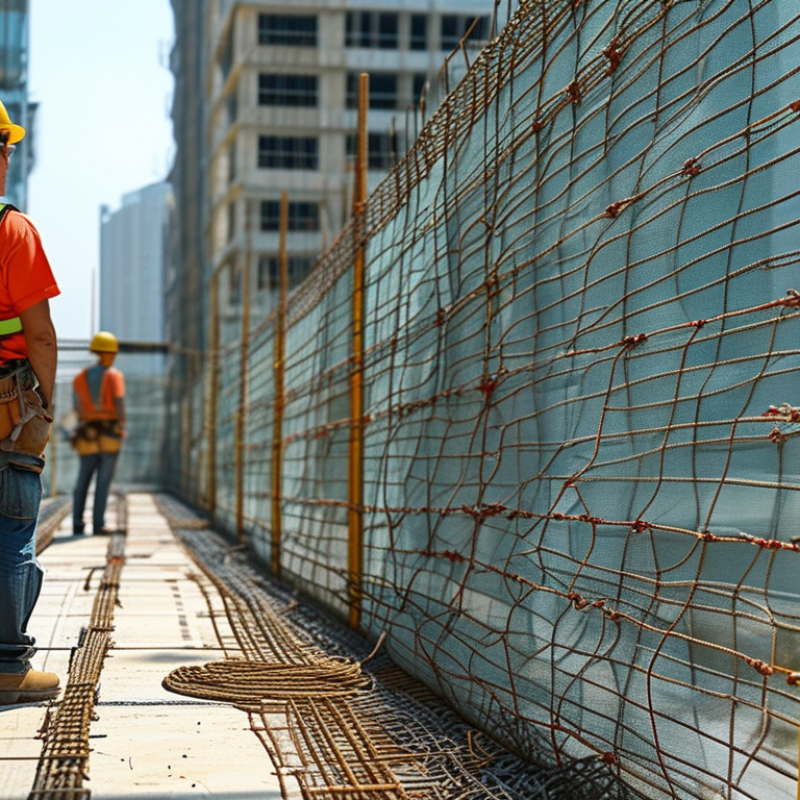
Understanding the Importance of Perimeter Safety Nets in Construction Sites
Perimeter safety nets play a crucial role in construction site protection. They act as a barrier, preventing materials and workers from falling. This is vital in maintaining safety standards. A well-implemented safety net system can significantly reduce the risk of injury and accidents. When properly installed, these nets are robust, yet they can be surprisingly easy to overlook during planning stages.
Understanding the importance of these nets goes beyond compliance. Effective site protection requires careful design and ongoing monitoring. Workers should be trained on net safety, and inspections should be routine. However, a gap often exists between knowledge and practice. Teams may neglect to assess the nets regularly, leading to potential hazards. It’s crucial to foster a culture where safety is prioritized.
The use of perimeter safety nets can also bring challenges. Weather conditions may affect their stability. Regular maintenance is necessary to ensure their performance. Ultimately, safety nets are just one part of a comprehensive approach to site safety. Teams must remain vigilant and proactive in their safety measures. It's not just about having nets in place; it’s about commitment to ongoing safety.
Key Features of Effective Perimeter Safety Nets
Perimeter safety nets are crucial for site protection. They prevent falls and injuries, safeguarding workers and visitors. A recent industry report indicates that fall-related incidents account for over 30% of construction injuries. Effective safety nets can significantly reduce these numbers.
Key features of effective perimeter safety nets include robust material and design. High-tensile strength netting is essential for durability. Safety nets should withstand harsh weather and heavy usage. According to OSHA, nets need to be installed with a maximum spacing of 6 feet horizontally. This spacing ensures that any falls are adequately contained.
Regular inspection and maintenance are vital. Nets should be checked for wear and tear. A study found that neglecting maintenance can lead to a 40% increase in safety risks. Workers should be trained on the importance of using safety nets properly. Consider the installation height and potential hazards in the area. Each site is unique and requires a tailored approach to be effective.
Best Practices for Installing Perimeter Safety Nets
When it comes to installing perimeter safety nets, effective practices are key. Proper installation ensures safety and compliance on construction sites. Make sure to assess the area for hazards before installation. This step is often overlooked but crucial for protecting workers.
Consider the structural integrity when setting up safety nets. The nets must be attached securely to prevent failure. Regularly inspect the nets for wear and tear. Over time, they can degrade, which may lead to accidents. It's important to prioritize the quality of materials used. Choose nets that meet industry standards.
Engaging trained professionals can greatly improve installation quality. They have experience and knowledge about best practices. This reduces the risks associated with improper setup. Remember, inadequate safety measures can lead to serious consequences. Always keep communication open among team members regarding safety protocols. Taking these steps ensures a safer working environment for everyone involved.
Perimeter Safety Net Installation: Best Practices
Regular Maintenance and Inspection of Perimeter Safety Nets
Regular maintenance and inspection of perimeter safety nets are crucial for site protection. According to a recent industry report, 30% of workplace accidents occur due to inadequate safety measures. This emphasizes the need for proactive safety net management. Regular checks can help identify wear and tear, which can lead to failures. Inspecting nets at least once a month is recommended to ensure they remain effective.
Visual inspections should focus on physical damage. Look for cuts, fraying, or deformation in nets. The inspection should also evaluate the anchors and attachment points. Data shows that improper installation accounts for 25% of incidents. Thus, ensuring a secure setup is non-negotiable. Any detected issues require immediate attention.
Documentation of all inspections can highlight patterns over time. This helps in predicting potential failures. However, many companies neglect this aspect. About 40% don’t maintain proper records, increasing the risk of overlooked problems. It’s essential to reflect on these practices to enhance safety measures effectively.
Perimeter Safety Net Tips for Effective Site Protection - Regular Maintenance and Inspection of Perimeter Safety Nets
| Inspection Frequency |
Maintenance Actions |
Common Issues |
Recommended Solutions |
Last Inspection Date |
| Weekly |
Visual check for tears and signs of wear |
Tears or holes in the netting |
Repair or replace damaged sections |
2023-10-01 |
| Monthly |
Check for proper tension and fittings |
Loose fittings |
Re-tighten all attachment points |
2023-09-15 |
| Quarterly |
Thorough cleaning and inspection |
Accumulation of dirt or debris |
Use mild soap and water for cleaning |
2023-07-20 |
| Annually |
Comprehensive inspection by professionals |
Age-related degradation |
Full replacement if over 5 years old |
2023-01-10 |
Compliance with Safety Regulations and Standards for Site Protection
Perimeter safety nets play a crucial role in construction site protection. To comply with safety regulations, effective measures must be in place. Reports indicate that around 40% of workplace injuries result from falls. The proper use of perimeter safety nets reduces this risk significantly.
Adhering to safety standards starts with understanding guidelines set by organizations such as OSHA. These standards outline specific requirements for safety nets. A compliant net needs to withstand a minimum load of 5,000 pounds. This ensures reliable protection for workers at height.
It's essential to regularly inspect and maintain safety nets. Failure to do so can lead to potential hazards. Over time, wear and tear will diminish their effectiveness. Regular assessments can help identify issues before they become dangerous. Training workers on the importance of site protection is vital. They should be aware of how to check safety gear before use. This proactive approach enhances safety culture on-site.
Conclusion
Perimeter Safety Nets play a crucial role in enhancing the safety and protection of construction sites. By understanding their significance, construction managers can ensure better site safety and reduce accident risks. Effective perimeter safety nets possess key features such as durability, visibility, and ease of installation, which contribute to their efficiency in preventing falls and protecting workers.
Implementing best practices during installation is essential to maximize effectiveness, including proper anchoring and securing methods. Regular maintenance and thorough inspections of the perimeter safety nets are necessary to sustain their integrity over time. Moreover, compliance with safety regulations and standards ensures that construction sites meet necessary legal requirements, thereby fostering a safer working environment for all involved.

 LvXing