In the ever-evolving construction industry, "Window Aluminum Profiles" have gained significant importance. They are critical components for modern architecture, influencing both aesthetics and functionality. These profiles offer durability, energy efficiency, and design flexibility. Global buyers must understand the various options available to make informed choices.
The demand for high-quality Window Aluminum Profiles is growing rapidly. Factors such as climate conditions and market trends affect the selection process. Buyers must consider not just the price but also the profiles' performance and longevity. Each project might present unique challenges, highlighting the need for reliable suppliers.
Navigating the multitude of options can be overwhelming. Some profiles may not meet specific requirements, leading to potential project setbacks. Therefore, it’s essential for buyers to weigh the available choices carefully. By fostering a deep understanding of Window Aluminum Profiles, they can ensure their projects achieve the desired results.
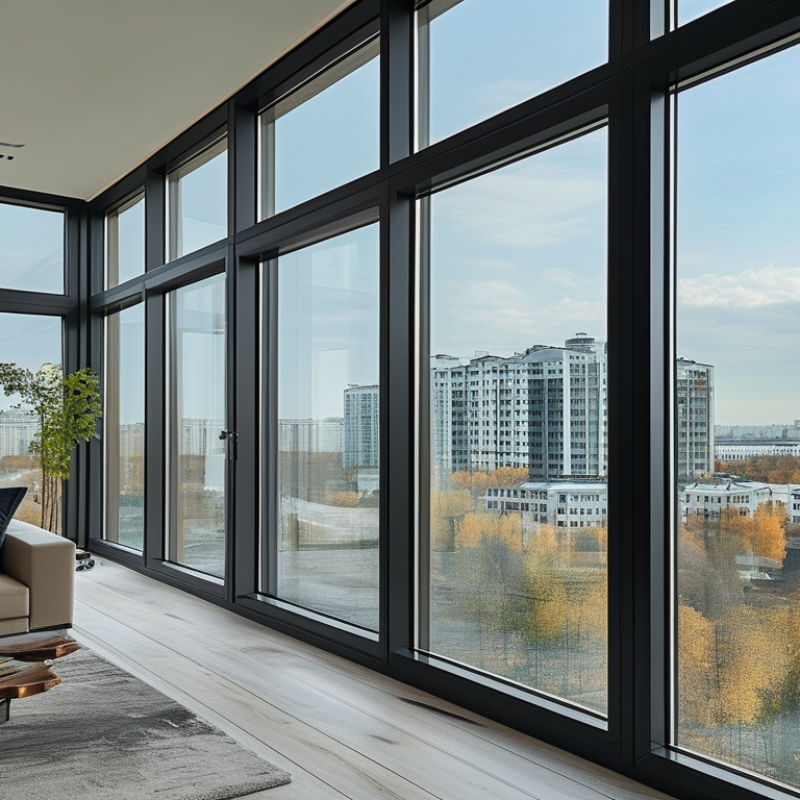
The aluminum window profile market is evolving rapidly. Recent studies indicate that the global aluminum profile market will reach approximately $65 billion by 2026. This growth is attributed to increased demand for energy-efficient building materials. The shift towards sustainable construction practices is a major driver in the industry. Reports show that aluminum frames enhance thermal efficiency, making them a popular choice among builders and homeowners.
Several trends are shaping the aluminum window profile market. The rising interest in modern architecture emphasizes sleek designs and minimalistic aesthetics. As noted in a recent market analysis, over 45% of consumers prefer windows with a contemporary look. Furthermore, technological advancements are resulting in improved fabrication processes. This leads to higher quality profiles that withstand various environmental conditions. Windows are becoming not just functional, but also integral to a building's overall design and energy performance.
For buyers seeking aluminum window profiles, a few things to consider: focus on manufacturers that prioritize sustainability and innovation. Additionally, consider the thermal insulation ratings of the profiles you choose. It’s wise to review performance certifications. The data reveals that good insulation can cut energy costs significantly. Be wary of overly cheap options; they may not deliver the quality needed for long-term durability.
In recent years, the demand for window aluminum profiles has surged globally. Several key factors fuel this growth. One major contributor is the construction industry's shift toward sustainable materials. Builders and architects increasingly prefer aluminum for its durability and recyclability. This trend emphasizes energy efficiency in building design.
Another factor is urbanization. As cities expand, the need for efficient housing solutions rises. Aluminum profiles are lightweight and easy to install, making them appealing for residential and commercial projects. Yet, the global supply chain can be unpredictable. Fluctuations in material costs often affect pricing and availability. Buyers must navigate these challenges while seeking quality products.
Market preferences also vary. Different regions have unique aesthetic and functional requirements. Some buyers prioritize thermal insulation, while others focus on design flexibility. Consequently, manufacturers must adapt their offerings. Continuous innovation is crucial, but not every new product meets market expectations. Failing to understand local demands can lead to wasted resources. As the market evolves, careful research and adaptability are paramount for success.
This chart illustrates the projected global demand for window aluminum profiles from 2023 to 2026, highlighting a steady increase each year as the construction industry continues to grow.
The aluminum profile market is expected to grow significantly by 2026. Various manufacturers are leading the charge in this vibrant sector. Their expertise drives innovation and efficiency in producing window aluminum profiles. This market segment demands high-quality materials and advanced production techniques. Buyers look for durability and design flexibility.
Leading manufacturers often adopt eco-friendly practices. This focus not only boosts their reputation but also meets global sustainability standards. Some companies face challenges in sourcing raw materials. Supply chain disruptions can hinder production schedules. Manufacturers must adapt quickly to changes in the market landscape. The pressure to innovate can sometimes lead to mistakes in design.
Moreover, competition is fierce. Many companies invest in research and development. They aim to stay ahead in technology and design trends. However, not every investment yields a positive return. Some firms may struggle to align their products with buyer expectations. The need for continuous learning is paramount in this sector. Although the landscape is competitive, opportunities for growth abound.
The global demand for window aluminum profiles is witnessing a robust shift towards innovative designs and sustainability. According to recent industry reports, approximately 70% of consumers prioritize energy-efficient windows. Aluminum profiles, known for their durability and thermal performance, are increasingly designed with sustainability in mind. Manufacturers are utilizing recycled materials and eco-friendly production processes to minimize environmental impact.
Design trends in window aluminum profiles are evolving. Sleek designs are favored for modern architecture, while traditional styles remain popular in residential buildings. The focus is on maximizing natural light and energy efficiency. Data suggests that well-designed window profiles can reduce energy costs by up to 30%, making them a smart investment for homeowners.
When selecting window aluminum profiles, consider the following tips: assess energy ratings and certifications. Check the source of materials used. While many products claim sustainability, true eco-friendliness lies in life cycle analysis. Additionally, the overall aesthetic should complement the building's style. Understanding these aspects can lead to better decision-making and long-term satisfaction with your choice.
| Profile Type | Thermal Performance (U-Value) | Sustainability Rating | Application Area | Color Options |
|---|---|---|---|---|
| Standard Profile | 1.4 W/m²K | Green Certified | Residential | White, Anodized Silver |
| High-Performance Profile | 0.9 W/m²K | LEED Certified | Commercial | Black, Customized Colors |
| Eco-Friendly Profile | 1.2 W/m²K | Eco-Label Certified | Residential & Commercial | Natural Finish, Various Colors |
| Sound Insulation Profile | 1.1 W/m²K | Sustainable Choice | Urban Areas | Anodized Grey, Custom Options |
The aluminum profile market is on a promising trajectory. According to a recent industry report, the global aluminum profile market is projected to grow at a CAGR of 6.5% from 2022 to 2026. This growth is driven by increased construction and infrastructure projects worldwide. The demand for lightweight and durable materials makes aluminum profiles a favored choice among builders and manufacturers.
In North America, the market is witnessing a significant upsurge. The construction sector is expanding, leading to an increased need for sustainable materials. In Asia-Pacific, particularly in countries like China and India, rapid urbanization drives the demand for aluminum profiles. Estimates indicate a growth rate exceeding 7% in this region alone. However, challenges remain, including fluctuating raw material prices and environmental regulations that could impact production.
European markets are also adjusting, focusing on innovation and recyclability. The shift towards circular economy practices means that new profiles will emphasize sustainability. Yet, achieving consistent quality amidst innovative advancements poses a challenge. Companies must balance innovation with practical production realities and regulatory compliance. The aluminum profile landscape presents opportunities, but stakeholders should remain vigilant about potential pitfalls.
: The shift towards sustainable materials and energy efficiency is a major factor influencing demand.
Urbanization creates a need for efficient housing solutions, making aluminum profiles appealing due to their lightweight nature.
Buyers deal with fluctuating material costs and unpredictable supply chain issues, affecting pricing and availability.
Different regions have specific aesthetic and functional requirements, resulting in varied market demands.
The aluminum profile market is projected to grow at a CAGR of 6.5% from 2022 to 2026.
Continuous innovation is essential, but not all new products meet market expectations, leading to potential resource waste.
European markets focus on sustainability while facing challenges in maintaining quality amidst innovation.
Understanding local demands is critical to avoid wasted resources and ensure product relevance.
The Asia-Pacific region, especially China and India, may see growth rates exceeding 7%, driven by rapid urbanization.
Companies must balance innovation with production realities and regulatory compliance to succeed in this market.
The article "Top 2026 Window Aluminum Profiles for Global Buyers" provides a comprehensive overview of the current and evolving trends in the window aluminum profiles market. It highlights the increasing demand driven by factors such as energy efficiency, aesthetic appeal, and the overall shift towards sustainable building materials. The analysis of leading manufacturers reveals their innovations in design and technology, which are pivotal for attracting global buyers.
Furthermore, the article projects significant growth rates for window aluminum profiles, supported by regional market insights that outline potential opportunities across various demographics. As sustainability becomes a central focus in construction, the integration of innovative designs in window aluminum profiles will likely play a crucial role in shaping the market landscape leading up to 2026.

LvXing