Top 10 Aluminum Profiles Every Global Buyer Should Know?

Time:2026-07-20 Author:Charlotte
0%

In the competitive landscape of global manufacturing, understanding the "Industry Aluminum Profile" is essential. According to a recent report from the Aluminum Association, the industry has seen a significant growth rate of 5% annually over the past five years. This rise indicates the increasing demand for aluminum profiles across various sectors, including construction and automotive. Buyers must be aware of the top products that meet sustainability and innovation standards.

Aluminum profiles are not just about lightweight structures. They enhance energy efficiency and can reduce costs significantly. A study by Research and Markets revealed that the global aluminum extrusion market is projected to reach USD 148 billion by 2025. This figure reflects both the potential and challenges faced by buyers. Products vary widely in quality and application, which complicates purchasing decisions.

Navigating this market requires expertise and the right partnerships. Each profile serves different industrial needs. However, with such a vast array, some profiles may underperform or be misaligned with specific requirements. Hence, informed choices are vital for competitive advantage. Understanding these top aluminum profiles will prepare buyers to make strategic decisions that drive efficiency and effectiveness.
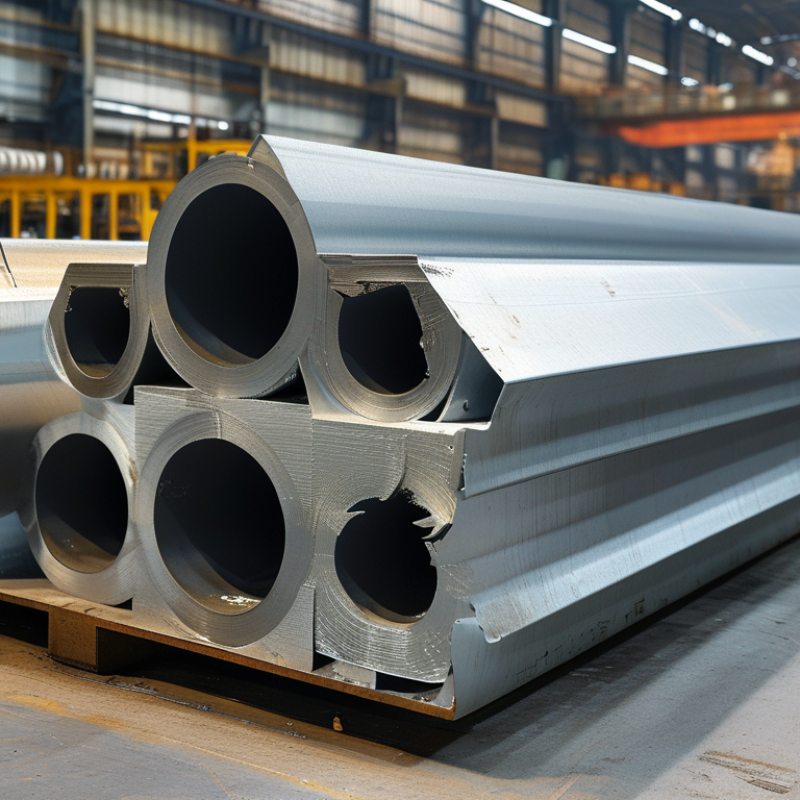
Top 10 Aluminum Profiles Every Global Buyer Should Know?

Essential Characteristics of Aluminum Profiles for Global Buyers

When considering aluminum profiles, global buyers must focus on essential characteristics that impact performance and application. According to the Aluminum Association, the global aluminum extrusion market is projected to grow by 6.9% annually from 2021 to 2026. This surge highlights the increasing demand for high-quality aluminum profiles in various industries, including construction and automotive.

One critical aspect is the alloy composition. Different alloys offer various strengths and corrosion resistance. For example, 6061 and 6063 alloys are popular choices due to their excellent corrosion resistance and workability. Reports suggest that 6063 is preferred for architectural applications, while 6061 is favored in structural components. Buyers must also consider the profile's surface finish. According to recent studies, anodizing increases durability by up to 50%. However, achieving a flawless anodized surface requires precision, and imperfections can lead to costly reworks.

Another important characteristic is the profile's geometrical complexity. Complex shapes can enhance structural integrity but may increase manufacturing costs. Recent analyses show that approximately 30% of companies face challenges in balancing complexity and cost-effectiveness. Buyers must reflect on their production capabilities and market needs. Understanding these characteristics ensures that buyers make informed decisions in selecting the right aluminum profiles for their projects.

Common Applications of Aluminum Profiles in Various Industries

Aluminum profiles are essential in numerous industries. They are strong yet lightweight, making them ideal for various applications. In construction, aluminum profiles are utilized for windows, doors, and façades. Research indicates that the construction sector accounted for over 40% of aluminum usage in 2022. This trend highlights the material's vital role in architectural designs.

In the transportation industry, aluminum profiles contribute significantly to vehicle manufacturing. Their high strength-to-weight ratio enhances fuel efficiency. According to industry reports, vehicles made from aluminum can reduce weight by up to 30%. This reduction improves performance and decreases carbon emissions. However, some manufacturers face challenges in sourcing high-quality aluminum, impacting production timelines.

Electronics is another growing field for aluminum profiles. They are used in heat sinks and structural components. With the increasing demand for electronic devices, the need for efficient thermal management is more critical than ever. However, achieving the perfect balance of durability and weight remains an area where many engineers can improve.

Key Factors Influencing the Selection of Aluminum Profiles

When selecting aluminum profiles, several key factors come into play. The type of alloy used affects strength, weight, and corrosion resistance. Buyers must understand that different projects require different alloys. For instance, structural applications may need stronger types, while aesthetic projects might prioritize surface finish.

Another crucial aspect is the profile shape. The design can significantly impact the performance and functionality of the project. Straight profiles often provide straightforward solutions, while complex shapes may better meet specific needs. Consider how the profile will interact with other elements.

Tip: Research the specific requirements for your project. This will help you avoid costly mistakes later.

Don’t forget to evaluate the manufacturer. Look for industry certifications and quality assurance processes. A supplier's reputation can shed light on their commitment to reliability.

Tip: Request samples to assess quality before making a large order.

Lastly, consider availability and lead times. Delays in receiving materials can affect project timelines. Understanding these factors can lead to better decision-making in your sourcing process.

Top 10 Aluminum Profiles by Market Demand and Popularity

Aluminum profiles play a critical role in various industries, from construction to transportation. Their versatility makes them highly sought after globally. Here are the top 10 aluminum profiles that every buyer should consider based on market demand and popularity.

One of the most popular choices is the aluminum extrusion profile. It’s lightweight yet sturdy. This profile is frequently used in architectural applications. Another key profile is the T-slot framing, known for ease of assembly. It allows for flexibility in design and support. In the automotive sector, structural aluminum profiles are essential. They reduce vehicle weight, enhancing fuel efficiency.

Many buyers look for angles and channels as well. These profiles are widely used for support structures. The market also favors hollow tubes and rods for various applications. However, not every profile fits every need. Buyers sometimes struggle with selecting the right type and size. This can lead to inefficiencies and waste. It's vital to communicate specific requirements clearly. Over time, understanding the nuances of these profiles can help refine choices, ensuring better project outcomes.

Guidelines for Sourcing Aluminum Profiles from Global Suppliers

When sourcing aluminum profiles globally, buyers must navigate various factors to ensure a reliable partnership. Approximately 50% of global aluminum suppliers lack adequate certifications. Buyers should require documentation to verify quality standards. This includes international certifications like ISO 9001, which ensure consistent quality management. Familiarity with these standards is crucial for risk management.

Data from the Aluminum Association reveals that demand for aluminum profiles has increased by 25% over the past five years. This growth highlights the importance of selecting suppliers that can scale production efficiently. A good benchmark is a supplier's monthly production capacity. You may find that a capacity of 100 tons per month is common for medium-sized producers.

Flexibility in sourcing is vital. Many non-compliant suppliers may offer lower prices initially. Opting for cheaper options can lead to hidden costs. Some profiles may fail quality tests, resulting in increased expenses. Understanding the supplier's production technology and material sourcing practices can prevent these issues. Aim for transparent communication and regular audits to build a trustworthy relationship with chosen suppliers.

FAQS

: What factors should I consider when selecting aluminum profiles?

: The type of alloy, profile shape, and project requirements are crucial. Each project has unique needs.

Why is alloy type important in aluminum profiles?

Different alloys offer varying strength, weight, and corrosion resistance. Choose based on your application's demands.

How can profile shape impact my project?

The shape influences performance. Straight profiles are simple, while complex shapes can provide tailored solutions.

What should I evaluate in an aluminum profile manufacturer?

Look for industry certifications and quality assurance. A good reputation often indicates reliability.

Why is it important to request samples before ordering?

Samples help you assess quality. It prevents costly mistakes with larger orders later.

What role does supplier certification play in sourcing?

Certification verifies quality standards. Many suppliers lack these, which can pose risks.

How does supplier production capacity affect my sourcing?

Larger capacity suppliers can scale production effectively. Aim for suppliers with consistent output capabilities.

Should I consider price over quality when sourcing?

Cheaper options may lead to hidden costs. Quality failures can overshadow initial savings.

What can I do to ensure a reliable sourcing partnership?

Regular audits and transparent communication help build trust. Understanding production practices is essential.

How does the demand for aluminum profiles affect sourcing?

Increased demand means competition. Choose suppliers who can efficiently meet your project's needs.

Conclusion

This article provides a comprehensive overview of essential factors that global buyers should consider when sourcing Industry Aluminum Profiles. It begins by outlining the key characteristics that distinguish aluminum profiles, such as durability, lightweight nature, and versatility, which make them suitable for a wide range of applications across various industries. The article highlights common uses in sectors like construction, automotive, and electronics, emphasizing their critical role in modern manufacturing and product design.

Additionally, it explores the key factors influencing the selection process, including material properties, cost-effectiveness, and supplier reliability. The top 10 aluminum profiles by market demand are presented, showcasing their popularity and applications. Finally, the article offers practical guidelines for sourcing aluminum profiles from global suppliers, ensuring that buyers can make informed decisions in a competitive market.

Charlotte

Charlotte

Charlotte is a seasoned marketing professional with a deep understanding of the company's portfolio and a passion for elevating its presence in the market. With a keen eye for detail and a commitment to excellence, she ensures that our professional blog is regularly updated with insightful articles......