Discover our CE-certified profiles and landing system components engineered for extreme environments.
Modern engineering demands a seamless convergence of strength, design, and versatility. In the search for high-integrity structural layouts—ranging from specialized aerospace platform components to high-load laboratory, hospital, and cleanroom modular workspaces—CE Certified aluminum extrusion profiles play a pivotal role.
By leveraging advanced alloy matrices (1xxx through 7xxx) and complying with stringent CE Certification standards (EN 1090-3 and EN 755), tier-one manufacturers ensure that heavy-duty furniture framing and supporting decks maintain superior architectural load capacity, anti-corrosive characteristics, and structural longevity.
Whether configuring complex urban rooftop structures, high-stress maritime furniture, or modular medical installations, global procurement teams require factories that can maintain absolute dimensional accuracy, certified safety ratings, and dynamic supply chain transparency.
Our heavy-duty profile processing ranges from raw alloy refinement to finished surface treatments, catering to severe architectural, industrial, and maritime applications.
| Parameter / Alloy | 6xxx Series (6063/6082) | 7xxx Series (7075) |
|---|---|---|
| Yield Strength (Rp0.2) | 160 - 250 MPa | 460 - 500 MPa |
| Tensile Strength (Rm) | 215 - 290 MPa | 540 - 570 MPa |
| Anodizing Thickness | Class 15 / Class 20 (Standard) | Class 25 (Marine Grade) |
| Structural Compliance | EN 755, EN 12020-2 | EN 1090-3 Structural Code |
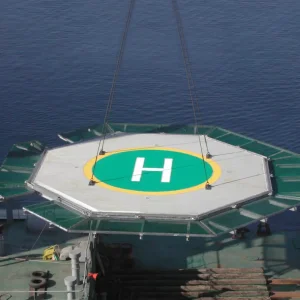
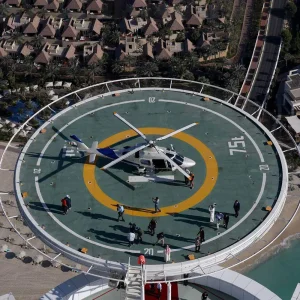
| Primary Use Case | Heavy Modular Frames, Medical Units | Aerospace Decks, Helipads |
LVXING, SPECIALIZES IN ALUMINUM SOLUTIONS.
Established in 2015 and located in Foshan City, Guangdong, LvXing Intelligent Equipment Co., Ltd. boasts a skilled R&D team with extensive experience. We leverage exceptional technical expertise to effectively transform customers' ideas into reality, consistently meeting their precise requirements.
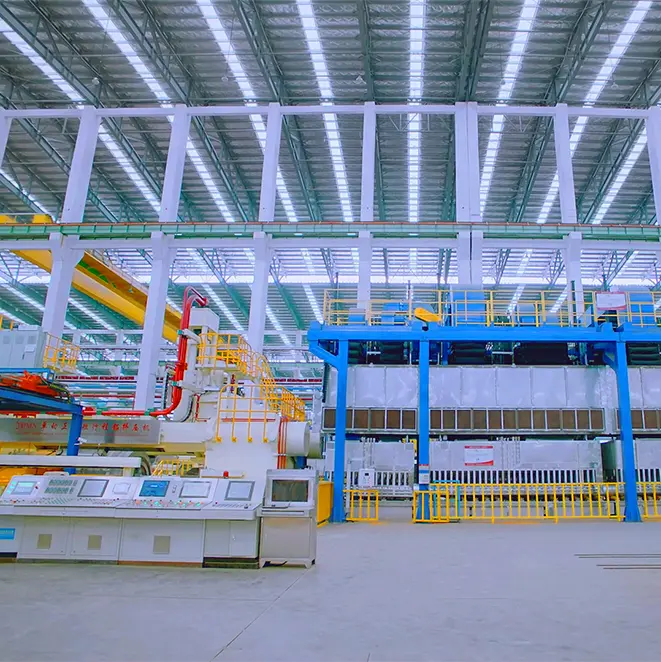
We utilize premium Fenglu aluminum, offering a diverse range of profiles for flexible applications. Our extrusion lines, ranging from 800T to 20,000T, accommodate alloys 1xxx, 2xxx, 3xxx, 5xxx, 6xxx, and 7xxx, allowing us to produce shaped products with section dimensions up to 1.2 meters in width and 28 meters in length. These products are recognized for their precision and meticulous processing, finding broad application in aerospace, military, medical, and industrial sectors.
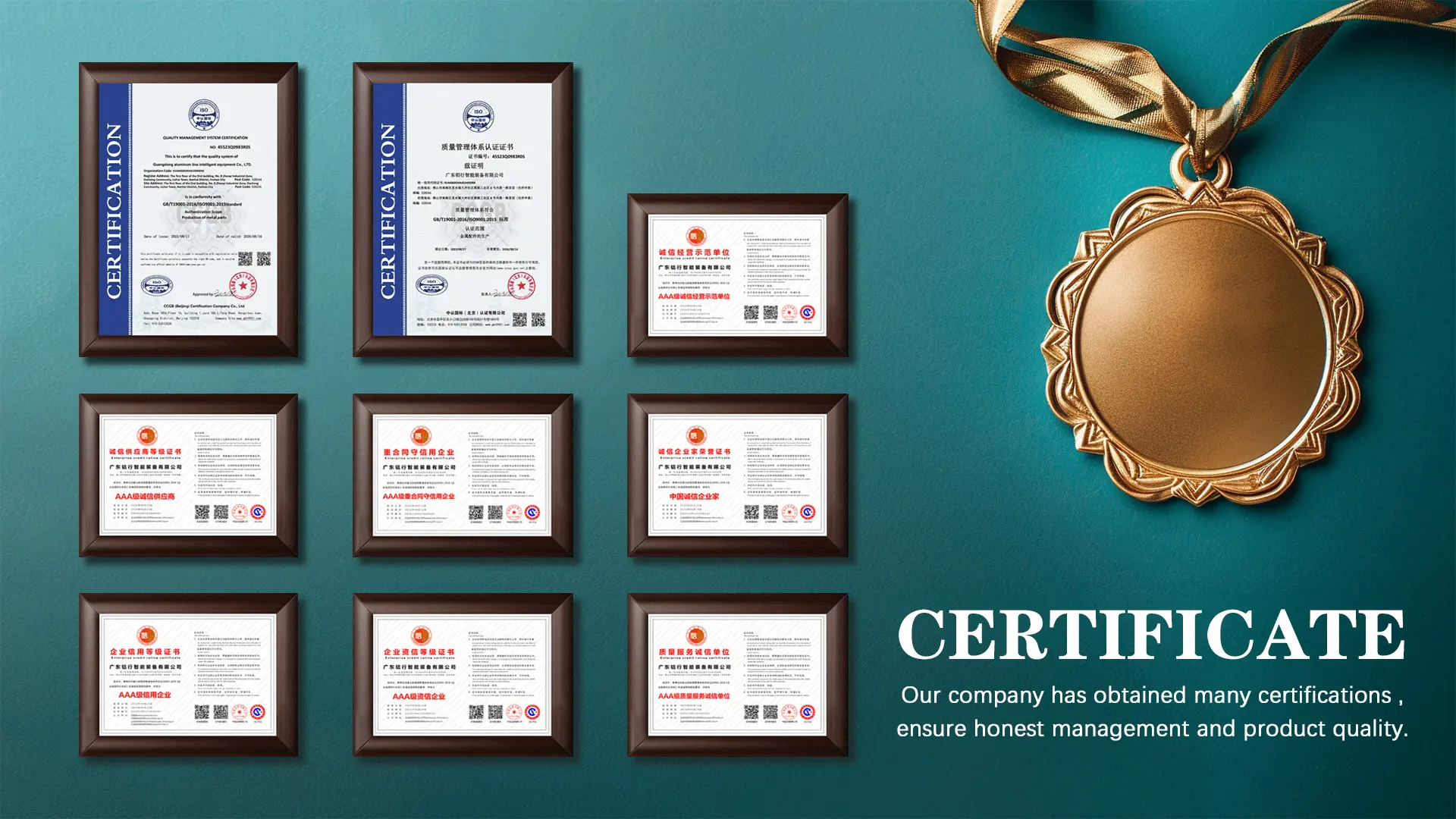
Our commitment to excellence is evident throughout the manufacturing process, rigorous quality control, thorough packaging, and efficient shipping procedures. This dedication has earned us recognition as a national excellent and honest enterprise, along with quality system certification in accordance with GB/T19001-2016/ISO9001:2015 standards.
We aspire to be your trusted business partner and warmly invite you to visit our factory.
Setting new benchmarks in industrial manufacturing and aerospace-grade structural engineering.

We have obtained the “Special Aluminium Materials for Aerospace” Certificate. This validation highlights our factory's capabilities in supplying extreme load-bearing and highly stable profile systems.

We provide and utilize high-quality Fenglu aluminum profiles. With extrusion lines ranging from 800T to 20,000T, we can produce alloys 1xxx, 2xxx, 3xxx, 5xxx, 6xxx, and 7xxx. We can manufacture fully shaped products with section dimensions up to 1.2 meters in width or 28 meters in length.

We have a team of technicians with 15 years of invaluable experience. Our deep understanding of customer requirements allows us to identify potential issues and offer practical insights, turning customer ideas into tangible products that meet specific needs.
The international structural design domain is undergoing a massive shift away from heavy, carbon-intensive iron and steel options toward custom-engineered aluminum extrusions. In high-performance architectural projects, medical facility fittings, and specialized industrial settings, structural profiles must deliver extreme tensile strengths and high stiffness-to-weight ratios without sacrificing adaptability.
Global building codes are prioritizing recyclable materials. Aluminum's infinite recyclability, paired with low lifecycle maintenance costs, makes it the top selection for eco-friendly modular structures, emergency helicopter decks, and commercial office systems.
From high-silicon 6xxx alloys optimized for complex extrusion geometries, to zinc-heavy 7xxx series designed for extreme yield strength in helicopter landing decks, manufacturers are demanding specialized chemical compositions to resist high shear stresses.
Procurement in European and associated markets is strict. Without CE certification, structures cannot receive structural safety sign-offs. This makes audited production lines, documented mill test reports, and compliance certificates non-negotiable for developers.
B2B structural buyers face rising shipping costs, variable lead times, and unstable raw material pricing. Procurement officers prioritize factories that can guarantee raw billet supply chain integrity—such as partnerships with premium sources like Fenglu—and house massive extrusion lines (up to 20,000T) in-house. This capacity ensures that high-volume orders, complex section profiles (up to 1.2m wide), and structural configurations are extruded, heat-treated, and precision-machined under a single quality control workflow.
Foshan City, Guangdong, stands as the global silicon-valley of aluminum extrusion. In this industrial cluster, LvXing Intelligent Equipment Co., Ltd. blends decades of technical expertise with automated extrusion operations. Our manufacturing framework is optimized to mitigate supply chain disruption for global clients, ensuring consistency across every profile batch.
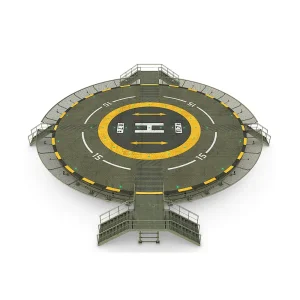
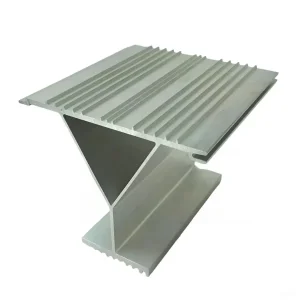
Having access to varying press scales allows us to balance orders efficiently. Small complex profiles are processed on high-speed 800T lines, while major structural profiles (e.g. helipad systems, structural support beams up to 1.2 meters wide and 28 meters long) are processed on our heavy-duty lines. This ensures rapid throughput and reduced lead times.
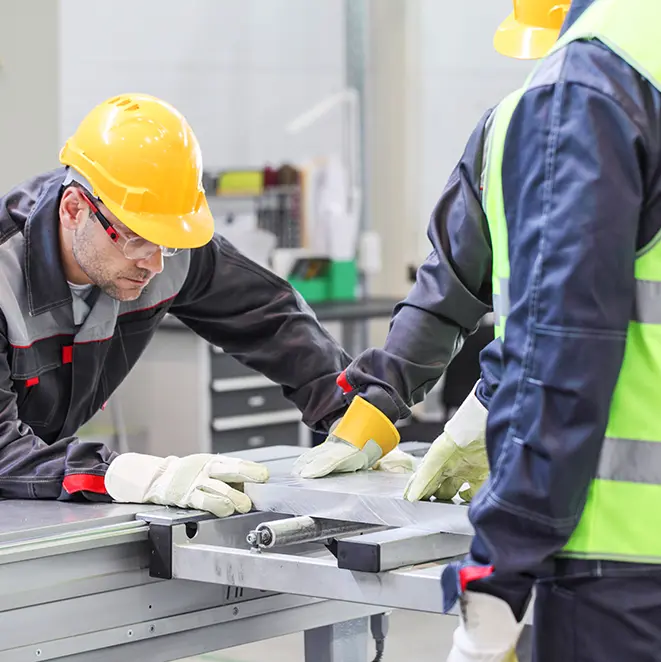
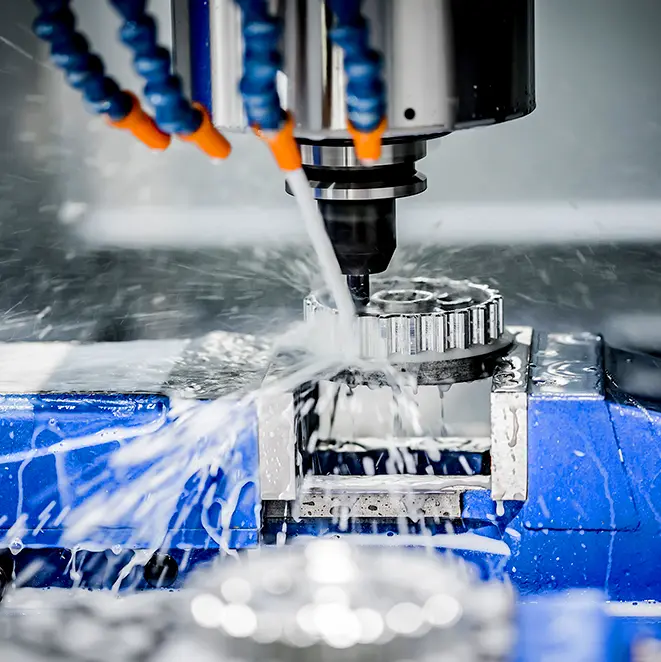
Extrusion is only the first step. Our manufacturing floor includes multi-axis CNC routers, automated cutting saws, and precision drilling stations. This allows us to supply complete assembly-ready kits, eliminating secondary processing errors at the job site.
Every extrusion run undergoes rigorous metallurgical and dimensional inspection. Raw billet quality, aging furnace thermal cycles, tensile tests, and anodizing thicknesses are tracked digitally. This data provides the core traceability required for CE certification.
Based in Foshan City, Guangdong, we benefit from a streamlined shipping and materials cluster. This logistical proximity to major shipping hubs like Shenzhen and Guangzhou guarantees efficient transport, reduced domestic freight costs, and stable raw material access.
Our aluminum profile configurations excel in environments requiring extreme reliability, mechanical resilience, and safety.
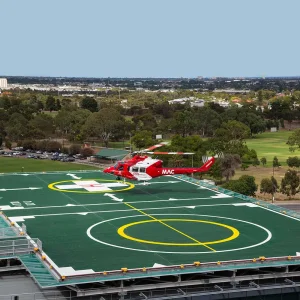
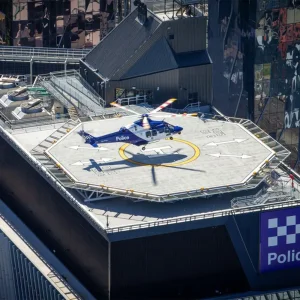
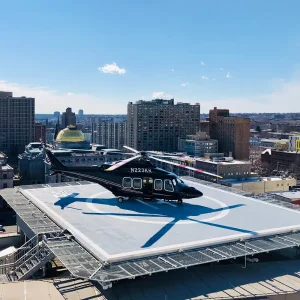
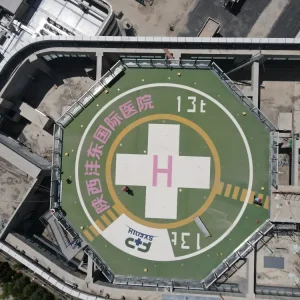
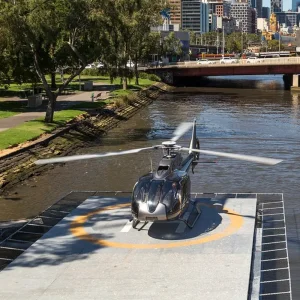
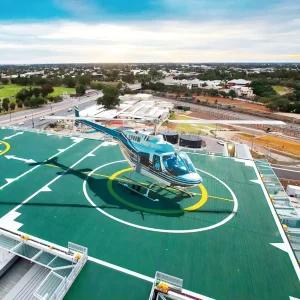
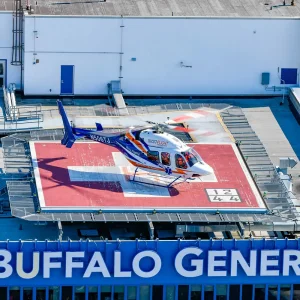
Designed to meet hospital rooftop requirements, these profiles support structural systems under strict CE safety specifications, ensuring rapid rooftop patient transfer options in emergencies.
Saltwater atmospheres are corrosive. By applying high-grade Class 25 anodizing on alloys like 6082 and 5xxx series, we supply structural platforms that resist degradation in open ocean installations.
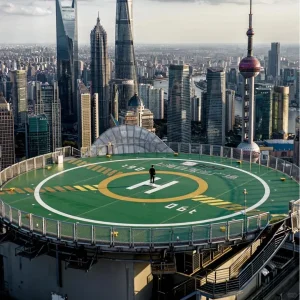
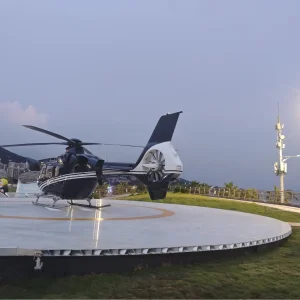
High-elevation platforms deal with severe wind shear and seismic shifts. Our dynamic extrusion sizes allow for structural designs that balance high load-carrying capacity with low overall structure weight.
Heavy-duty assembly spaces require modular frameworks that are strong enough to support heavy equipment. CE-certified profiles provide the structural base for high-stress automation frameworks.
Clear answers on technical specifications, certification standards, and supply chain logistics.
CE Certification (specifically EN 1090-3) validates that the aluminum components comply with European structural design and execution standards. It ensures material properties like yield strength, weldability, and dimensional tolerance are tested and recorded, which is essential for obtaining construction permits and liability approvals.
For most structural and load-bearing framing applications, 6xxx series alloys (such as 6061-T6, 6082-T6, and 6005A-T6) are preferred due to their excellent balance of tensile strength, machinability, corrosion resistance, and weldability. For extreme structural loads (such as aerospace or helicopter landing zones), 7xxx series alloys may be utilized.
Larger extrusion presses allow for the manufacturing of profiles with much larger cross-sections (up to 1.2 meters wide in our factory) in a single run. This reduces the need to weld or bolt multiple smaller sections together, improving structural integrity, reducing stress concentration points, and saving assembly labor.
For high-corrosion, marine, or coastal environments, we recommend a Class 20 or Class 25 clear/color anodizing treatment, which creates a durable protective layer. Alternatively, architectural-grade powder coatings (certified by Qualicoat) provide excellent resistance against UV rays, physical wear, and chemical exposure.
Our quality control workflow is certified to GB/T19001-2016/ISO9001:2015. Every batch undergoes mechanical testing, surface inspection, and tolerance checks. For transit, profiles are wrapped with protective interleaf films, packed in heavy-duty wood-reinforced crates, and secured in shipping containers to prevent scratching, bending, or exposure to moisture.
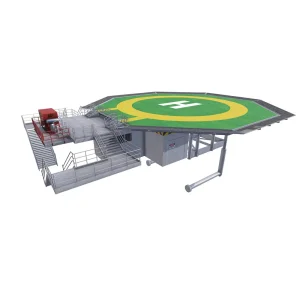
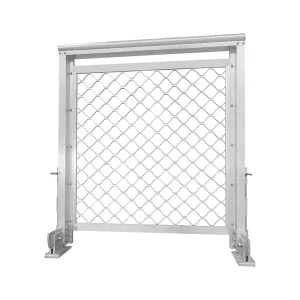
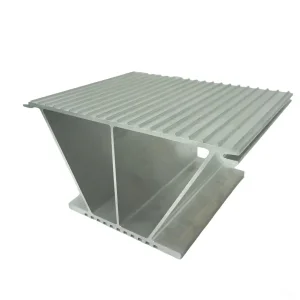
Explore our comprehensive range of specialized structural profiles, nets, and landing safety elements.
 LvXing