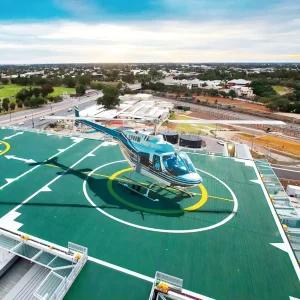
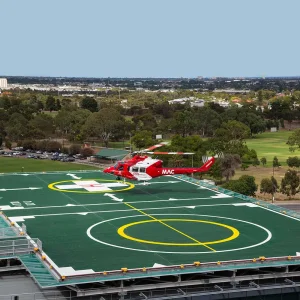
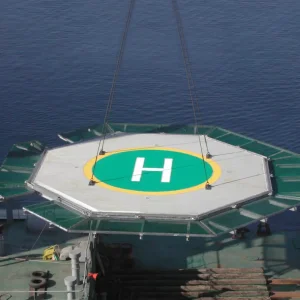
In modern industrial and structural design, the 4080 Aluminum Profile (measuring 40mm x 80mm in cross-section) acts as a foundational standard for medium-to-heavy structural engineering. Combining a high strength-to-weight ratio with modular flexibility, these profiles serve critical applications from manufacturing automation frames to specialized, high-load structures like modular helidecks and aviation landing platforms.
When sourcing 4080 structures globally, procuring from certified factories that support strict compliance and CE Certification is crucial. Standard CE certification indicates adherence to rigorous European Union construction and safety standards (such as EN 1090-3 and EN 15088), ensuring that the mechanical properties, dimensional tolerances, and alloy purity can withstand dynamic structural loads.
Established in 2015 and strategically situated in Foshan City, Guangdong (a global hub for aluminum extrusion manufacturing), LvXing Intelligent Equipment Co., Ltd. has grown to become an industry-leading manufacturer of high-precision structural aluminum solutions. With a highly qualified and skilled R&D team carrying decades of collective engineering experience, we specialize in converting client concepts and specifications into real, high-performance physical structures.
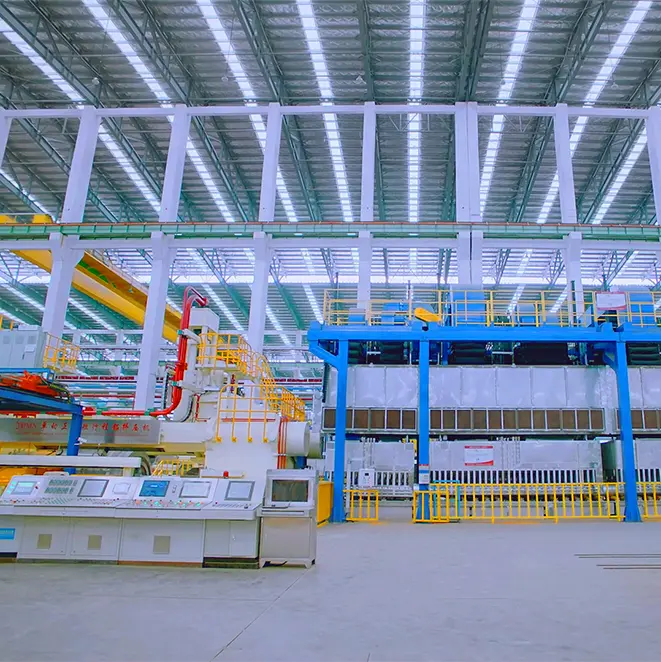
We source premium raw materials, primarily utilizing Fenglu aluminum, to produce a diverse range of modular and structural profiles. Our advanced manufacturing facility operates versatile extrusion lines ranging from 800T to 20,000T capacity. This scale allows us to comfortably accommodate structural alloys across the 1xxx, 2xxx, 3xxx, 5xxx, 6xxx, and 7xxx series. We are capable of extruding fully shaped structural products with section dimensions measuring up to 1.2 meters in width and 28 meters in length.
Our structural aluminum profiles are recognized for their dimensional precision and meticulous post-extrusion processing. Consequently, they find extensive application in aerospace, military, medical, marine, and high-load industrial sectors. Our commitment to quality begins with strict raw-material control and carries through extrusion, heat treatment, precision CNC machining, finishing, and packaging. This comprehensive process has earned us recognition as a trusted national supplier, backed by our quality system certification under GB/T19001-2016/ISO9001:2015 standards.
In modern industrial engineering, there is a distinct transition away from heavy, permanently welded steel frames to modular aluminum systems. 4080 T-slot and V-slot profiles allow rapid structural modifications, reduce setup labor, and eliminate the need for hot-work permits in sensitive environments like offshore platforms or automated production lines.
Applications in maritime sectors and structural helidecks demand alloys that can withstand aggressive wind loads and saltwater exposure. The industry is focusing on 6082-T6 and 7075-T6 structural profile modifications. These materials provide mechanical parameters that match carbon steel while maintaining only one-third of the weight.
With infrastructure safety facing closer regulatory scrutiny, global procurement leads require traceable quality documentation. Products must be accompanied by European CE Marks, ISO 9001 factory verification, and EN 10204 3.1 Material Certificates. These documents verify the chemical composition and mechanical capabilities of structural members.
Procuring 4080 aluminum profiles from factories requires an understanding of how raw costs, processing, and compliance affect the final pricing. The base manufacturing cost of structural aluminum profiles typically follows this pricing formula:
Below is a general reference matrix detailing structural alloys, typical prices, and their primary engineering applications. Actual pricing fluctuates based on spot aluminum market rates and customized design requirements.
| Alloy Grade | CE Compliance | Mechanical Strengths (Yield) | Processing & Extrusion Cost Index | Primary Sourcing Target |
|---|---|---|---|---|
| 6063-T5 / T6 | Yes (EN 755-2) | 160 - 200 MPa | Standard (Baseline) | Light structural frames, machine enclosures, modular shelving. |
| 6061-T6 | Yes (EN 755-2) | 240 - 276 MPa | Moderate (+15% vs 6063) | Heavy-duty structures, dynamic framing, structural helipad subframes. |
| 6082-T6 | Yes (EN 1999-1-1) | 260 - 310 MPa | Higher (+25% vs 6063) | Structural marine platforms, bridge structures, offshore heliports. |
| 7075-T6 | Yes (Special Order) | 450 - 500 MPa | Premium (+50% to +80%) | Aerospace components, defense systems, ultra-high stress structural elements. |
When requesting quotes from 4080 aluminum extrusion factories, buyers must outline the specific dimensional tolerances and surface finishes needed. For marine or exterior structures, a minimum anodized film thickness of 15–20 microns or specialized PVDF coatings are recommended to prevent galvanic and atmospheric corrosion.
LvXing Intelligent Equipment Co., Ltd. maintains strict production controls, verified by national authorities and international testing standards. Our structural components are engineered to deliver reliable performance in heavy-duty and high-stress environments.

We have obtained the official “Special Aluminium Materials for Aerospace” Certificate, demonstrating our capability to supply critical aviation structures.
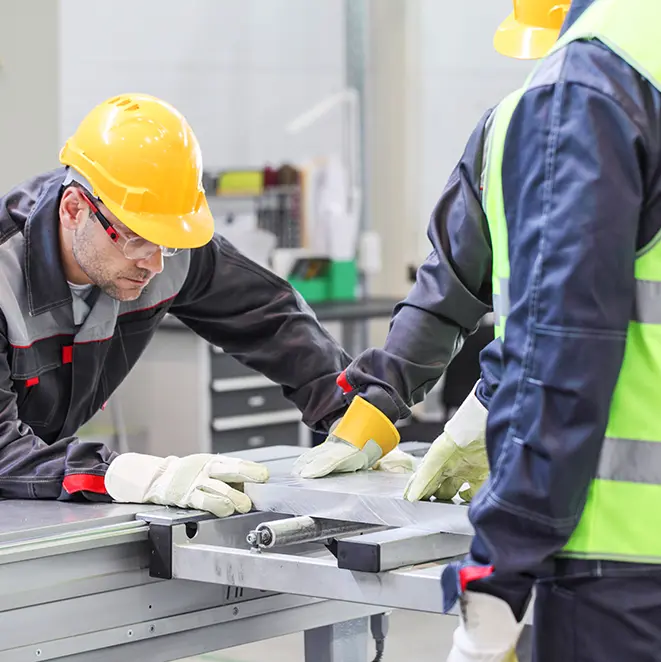

Utilizing premium Fenglu aluminum, our extrusion lines (800T to 20,000T) process alloys from 1xxx to 7xxx, producing sections up to 1.2m wide and 28m long.
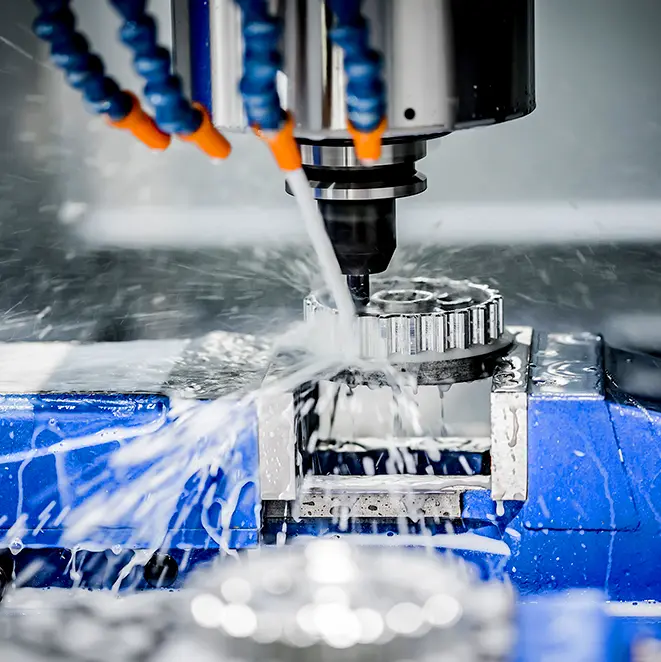

Our technicians bring 15 years of industry experience to assist with load calculations, design optimization, and custom fabrication challenges.
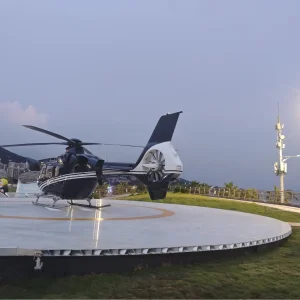
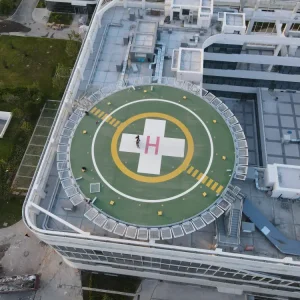
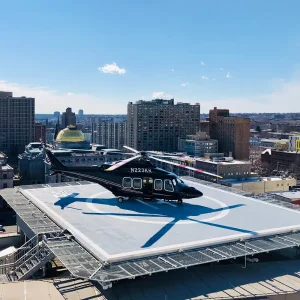
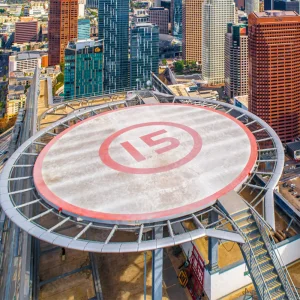
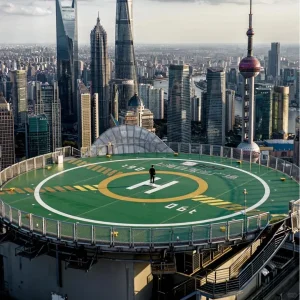
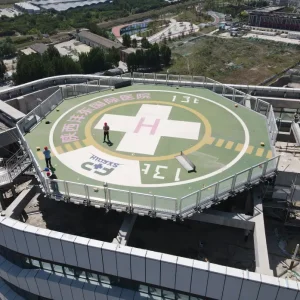
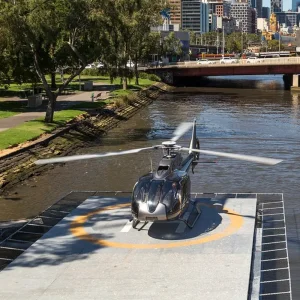
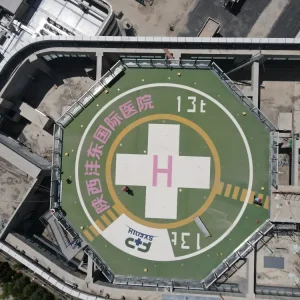
Our heavy-duty extruded structural profiles are designed for demanding, load-bearing applications like aviation infrastructure. Modern rooftop, marine, and hospital helidecks are increasingly built using structural aluminum profiles due to several distinct advantages:
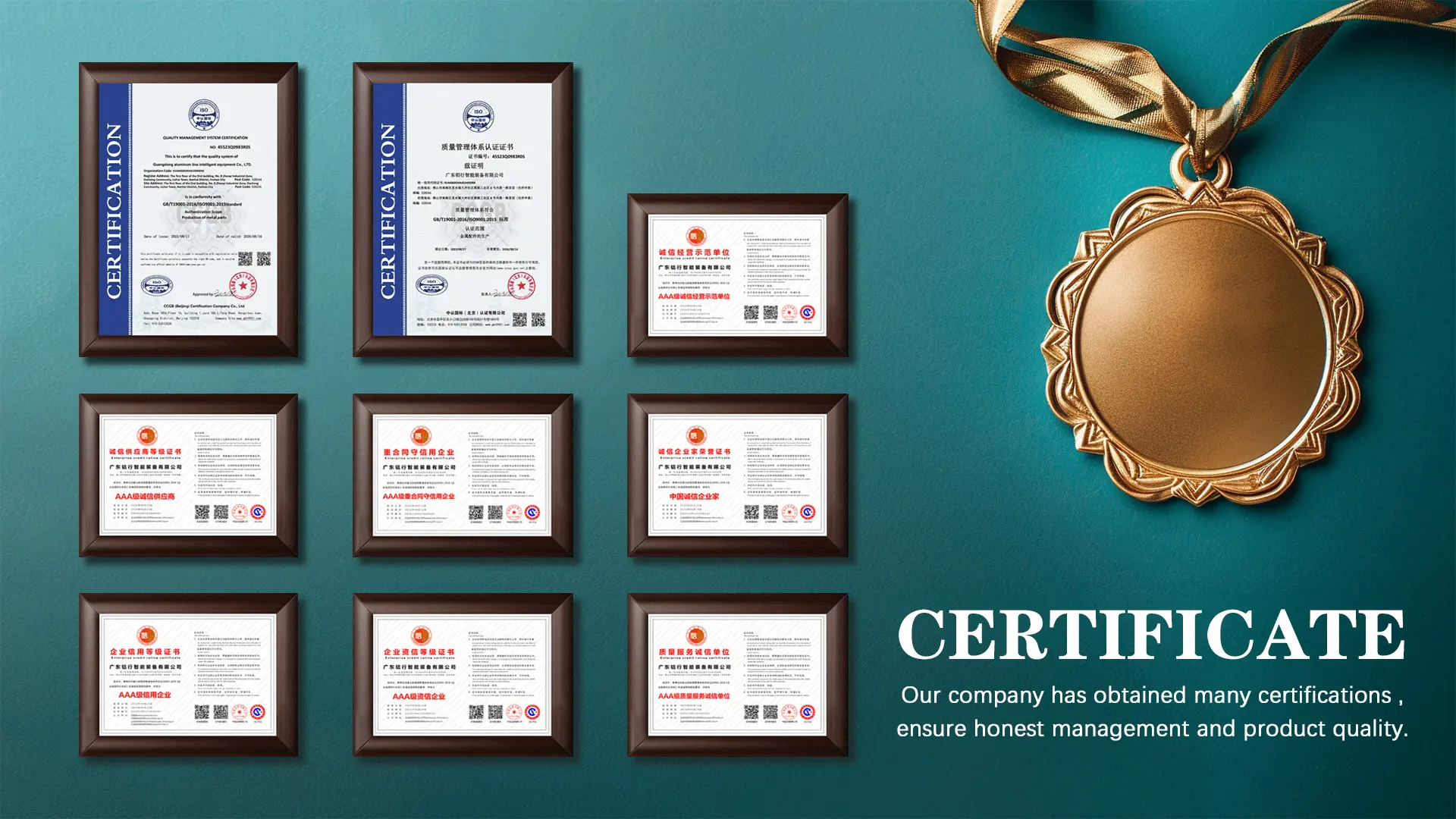
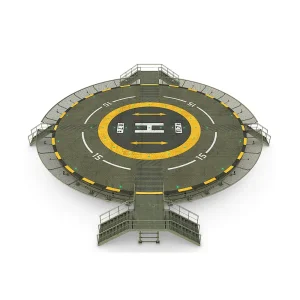
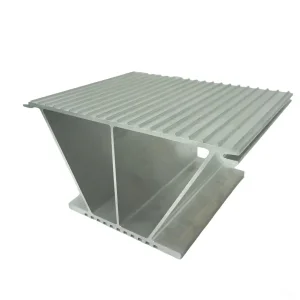
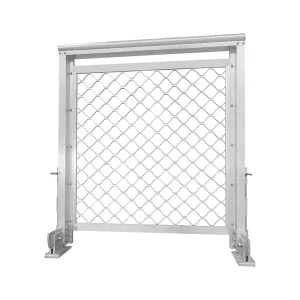
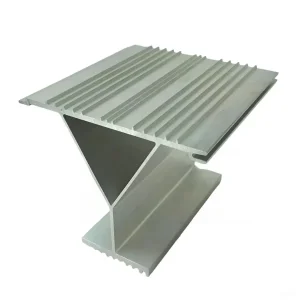
Figure: Interlocking extrusion profiles designed for structural helidecks, featuring integrated safety meshes and perimeter support elements.
Our engineering division oversees the design and fabrication of complete helideck kits, including structural subframes, decking, perimeter safety netting, and integration components. By utilizing large 20,000T extrusion lines, we produce long, single-piece interlocking deck profiles that reduce structural seams, improve load distribution, and extend service life.
CE Certification is an essential requirement for structural components imported into or used within the European Economic Area (EEA). For aluminum extrusions utilized in civil, industrial, or offshore structures, compliance is governed by the EN 15088 standard, which establishes requirements for the evaluation and verification of constancy of performance (AVCP).
Our manufacturing workflows in Foshan align with the following international standards:
We provide a comprehensive documentation package with every shipment to simplify local engineering audits and customs clearance:
To support global carbon-reduction goals, our manufacturing processes prioritize resource efficiency and energy conservation. Our technical roadmap focuses on the following key areas:
We work with primary smelters that utilize hydroelectric power to minimize the embedded carbon footprint of our raw ingots. This supports corporate sustainability initiatives (Scope 3 emissions reduction) for our global partners.
Our R&D team continues to optimize chemical compositions to improve the yield strength of the 6xxx series without affecting extrusion speed or surface quality. This balance helps reduce overall project weight.
To reduce field modifications, we offer precision CNC machining, including automated cutting, drilling, tapping, and milling on 3-axis and 5-axis machines. Profiles can be shipped pre-machined and ready for assembly.
 LvXing