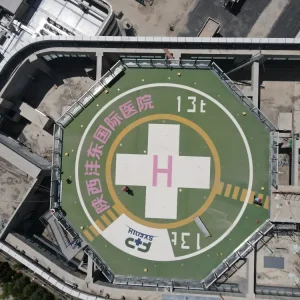
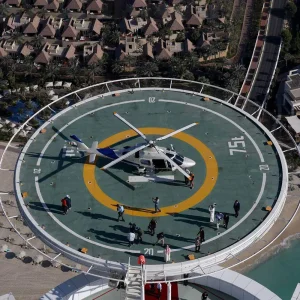
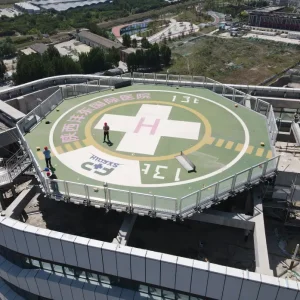
CE certified, high-grade aluminum profiles and system assemblies engineered for global regulatory standards and structural load environments.
Within structural, marine, and aviation engineering, the selection of materials dictates the margins between success and catastrophic failure. Aluminum alloy profiles have emerged as the standard for high-performance structural systems, including aircraft landing platforms, skyscraper helipads, and complex maritime decking. However, implementing these profiles demands rigid compliance with international safety paradigms—primarily marked by the CE Certification (EN 1090-3 / EN 15088).
CE Certification serves as a declaration that structural aluminum products comply with European safety, health, and environmental protection standards. For global procurement officers, consulting engineers, and EPC contractors, choosing a CE-certified factory is not merely a legal checkbox; it is a fundamental assurance of metallurgical consistency, dimensional tolerance control, and ultimate load-bearing predictability.
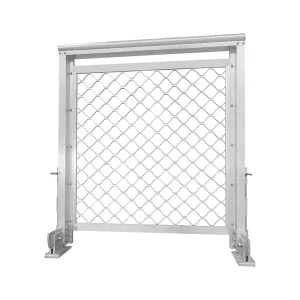
By enforcing trace structural standards (such as grain-flow optimization, precise chemical composition limits, and tensile fatigue limits), CE certification guarantees that safety meshes, perimeter nets, and landing profiles perform under extreme conditions—ranging from thermal expansion cycles to dynamic impact loads from helicopter rotor forces and turbulent oceanic swells.
“Pioneering heavy-capacity structural extrusion technologies, transforming abstract engineering concept models into validated structural reality.”
Established in 2015 and located in Foshan City, Guangdong, LvXing Intelligent Equipment Co., Ltd. boasts a skilled R&D team with extensive experience. We leverage exceptional technical expertise to effectively transform customers' ideas into reality, consistently meeting their precise requirements.
We utilize premium Fenglu aluminum, offering a diverse range of profiles for flexible applications. Our extrusion lines, ranging from 800T to 20,000T, accommodate alloys 1xxx, 2xxx, 3xxx, 5xxx, 6xxx, and 7xxx, allowing us to produce shaped products with section dimensions up to 1.2 meters in width and 28 meters in length. These products are recognized for their precision and meticulous processing, finding broad application in aerospace, military, medical, and industrial sectors.
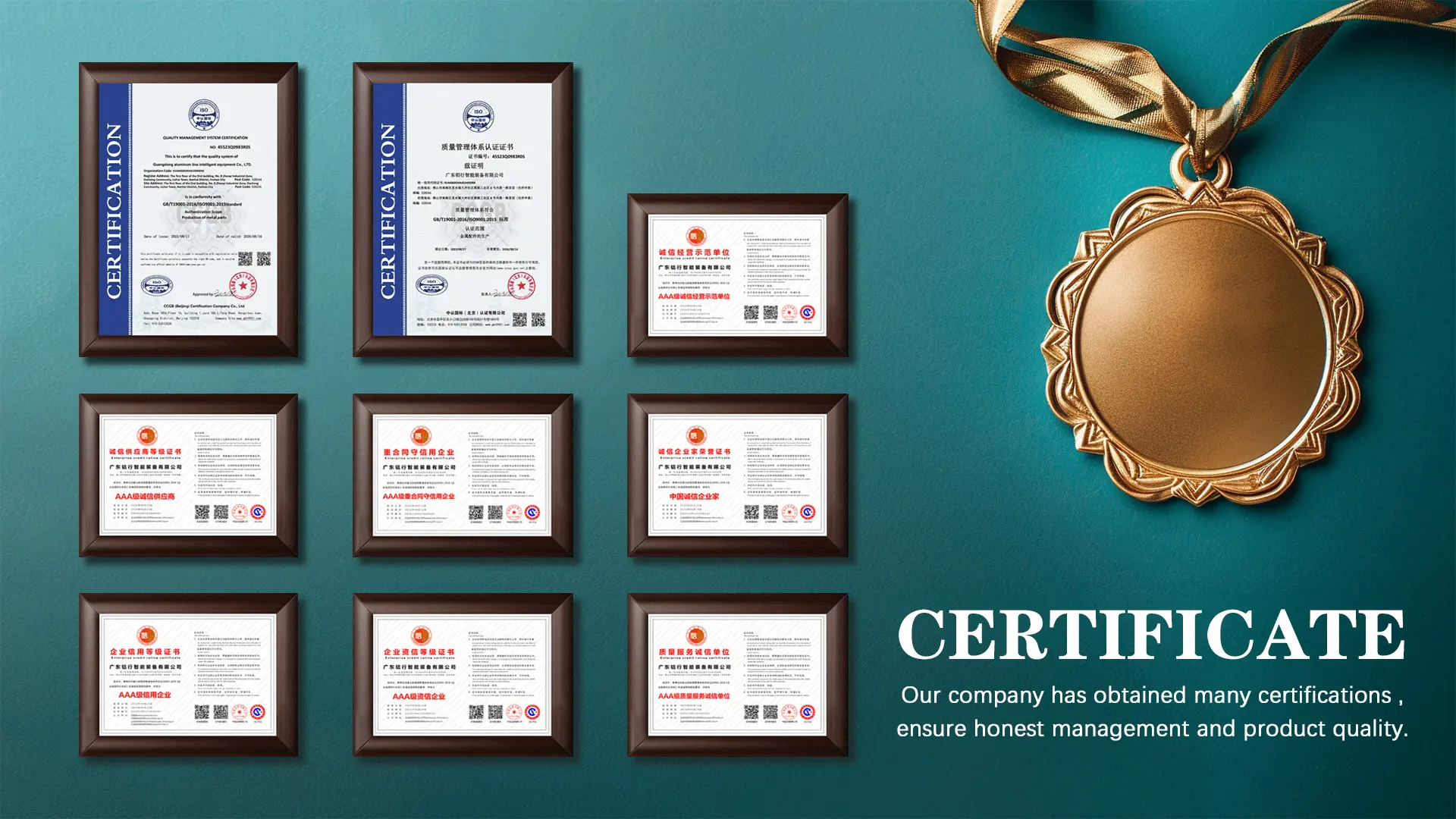
Our commitment to excellence is evident throughout the manufacturing process, rigorous quality control, thorough packaging, and efficient shipping procedures. This dedication has earned us recognition as a national excellent and honest enterprise, along with quality system certification in accordance with GB/T19001-2016/ISO9001:2015 standards.
We aspire to be your trusted business partner and warmly invite you to visit our factory.
Advanced manufacturing capabilities backed by aerospace certification and world-class structural metallurgy.
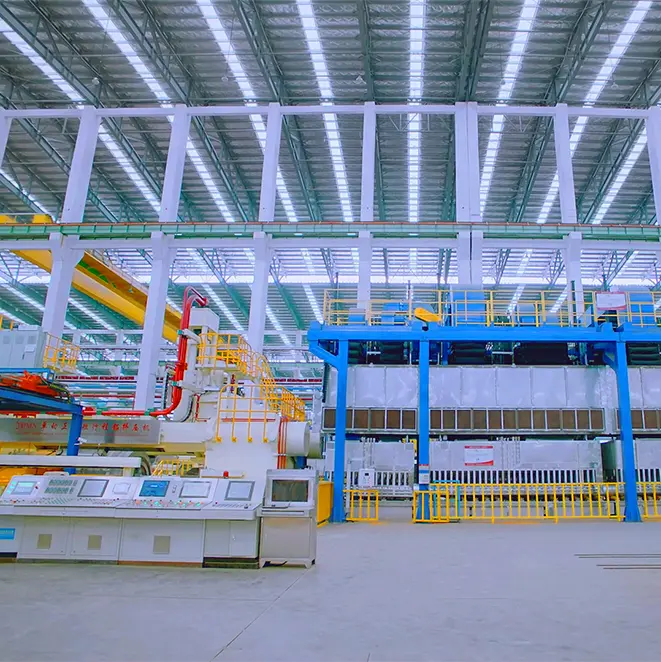

We have obtained the "Special Aluminium Materials for Aerospace" Certificate, confirming our ability to supply critical high-durability structures.
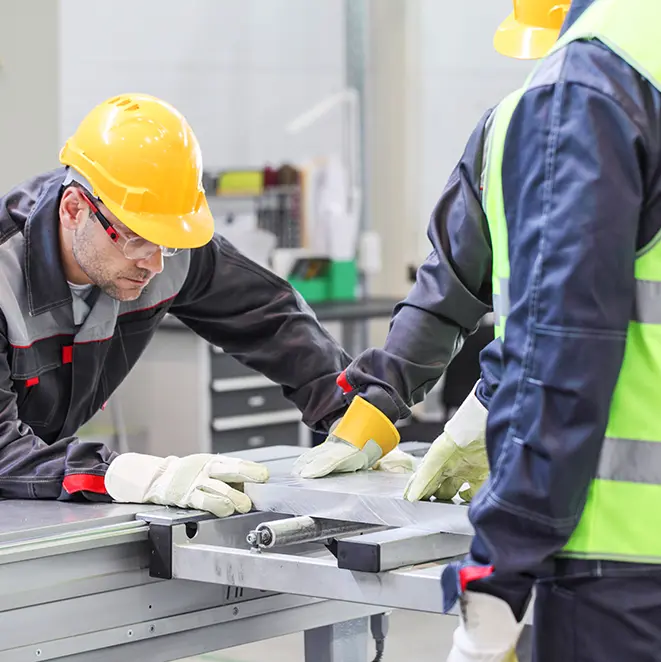

We provide and utilize high-quality Fenglu aluminum profiles. With extrusion lines ranging from 800T to 20,000T, we can produce alloys 1xxx, 2xxx, 3xxx, 5xxx, 6xxx, and 7xxx. We can manufacture fully shaped products with section dimensions up to 1.2 meters in width or 28 meters in length.
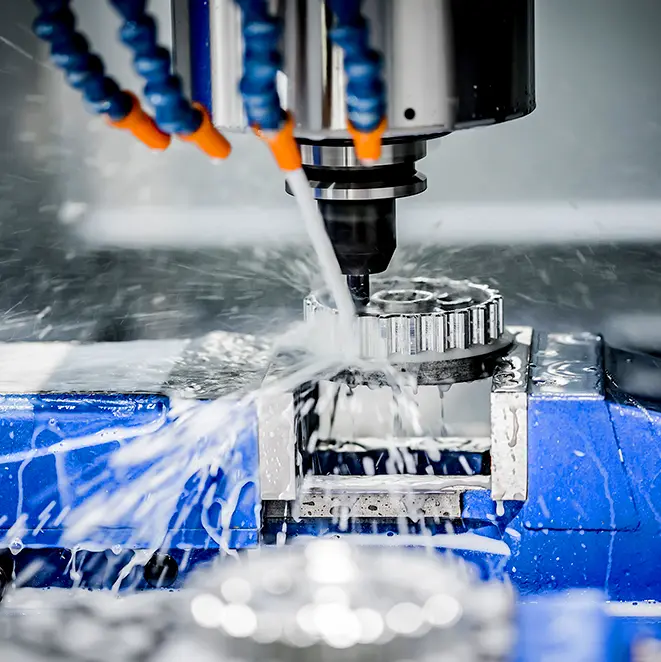

We have a team of technicians with 15 years of invaluable experience. Our deep understanding of customer requirements allows us to identify potential issues and offer practical insights, turning customer ideas into tangible products that meet specific needs.
A comprehensive breakdown of specific chemical compositions, tempering options, and target engineering environments.
| Alloy Series | Key Elements | Mechanical Strengths | Ideal Structural Applications | CE Standards Compliance |
|---|---|---|---|---|
| 1xxx Series (e.g., 1060, 1100) | Pure Al (≥99.0%) | Low mechanical strength; excellent thermal/electrical conductivity. | Thermal dissipation units, electrical shielding in maritime helidecks. | EN 573-3 (Chemical Composition) |
| 2xxx Series (e.g., 2024-T4) | Copper (Cu) | High strength, outstanding fatigue resistance. High structural weight performance. | Aerospace structural frames, dynamic load brackets, helicopter fittings. | EN 1090-3 Execution class checklist |
| 3xxx Series (e.g., 3003) | Manganese (Mn) | Moderate strength, excellent formability, and corrosion tolerance. | General safety components, non-structural support brackets. | ISO 6308 Compliance standards |
| 5xxx Series (e.g., 5083, 5086) | Magnesium (Mg) | Superior marine corrosion resistance, exceptional weldability. | Marine vessels, offshore drilling rig helidecks, harbor installations. | DNV-GL Marine and EN 15088 |
| 6xxx Series (e.g., 6061-T6, 6082-T6) | Silicon & Magnesium | High yield strength, easily machinable, exceptional load response. | Structural helipad decks (LX-HP04), structural columns, framework. | EN 755-2 (Mechanical Properties) |
| 7xxx Series (e.g., 7075-T6) | Zinc (Zn) | Extreme tensile yield strengths (comparable to structural steel). | Critical defense landing gears, aerospace structural panels, heavy impact plates. | EN 10204 3.1 Traceability protocols |
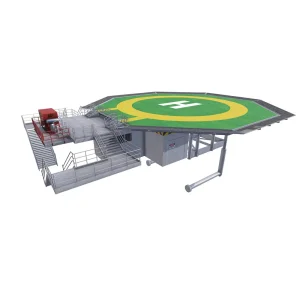
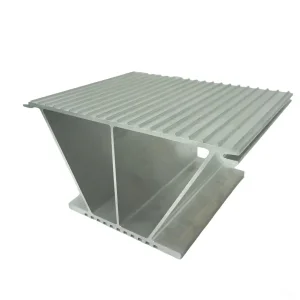
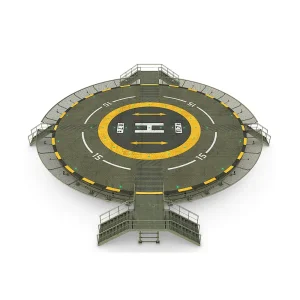
For applications such as the LX-HP04 Helipad Aluminum Profile, utilizing 6xxx series alloys (such as 6082-T6) provides a optimal balance of yield strength, extrusion ease, and corrosion resistance. The addition of manganese in 6082 allows grain structure control during the hot-extrusion process on our 20,000T press line, producing a profile that withstands structural fatigue from thousands of high-velocity landings without micro-fissure propagation.
How the geographic and structural consolidation of raw materials, manufacturing, and logistics delivers global cost leadership and operational efficiency.
Situated in Foshan City, Guangdong—the silicon valley of aluminum extrusion—our facility shares proximity with specialized mold-making, die-casting, surface-treatment, and high-purity smelter operations. This geographic centralization eliminates internal supply delays and minimizes local logistic overheads.
From CAD rendering to die design, custom mold machining, extrusion, solution heat treating, aging, anodizing, and final multi-axis CNC machining—we control the entire workflow in-house. This closed-loop fabrication chain ensures design secrets are protected and guarantees strict dimensional accuracy.
With an extrusion press portfolio scaling up to 20,000T, we optimize raw material yields and minimize extrusion cycle times. Our purchasing leverage for premium Fenglu raw ingots guarantees competitive unit pricing even during volatile metal pricing periods.
Procuring structural materials for international infrastructure involves navigating distinct local design codes (e.g., Eurocode 9 for aluminum design, ASTM B221, and AS/NZS 1866). Our engineering department facilitates compliance across these frameworks by delivering:
Detailed Mill Test Certificates (MTC): Compliant with EN 10204 3.1 or 3.2, documenting precise chemical analysis, ultimate tensile strengths, yield strength (proof stress), and fracture elongation values.
Traceability Protocols: Every extrusion run is hot-stamped and serialized, allowing complete traceability back to the raw batch cast. This transparency is critical for civil works and military construction audits.
Third-Party Validation: We work directly with international classification agencies (SGS, Bureau Veritas, DNV, and Lloyd's Register) to perform independent test protocols, validating mechanical capabilities under simulated environmental load limits.
Ensuring exact alloy trace percentages before feeding the preheating furnaces.
Scanning cross-sectional tolerances against CAD models down to 0.05mm precision.
Detecting interior porosity or micro-tearing in critical aviation structural applications.
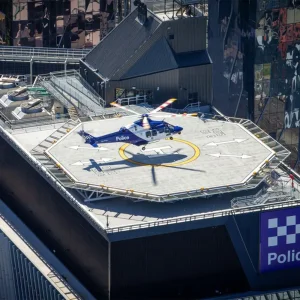
From deep-sea resource extraction platforms to urban high-rise emergency healthcare helipads, our aluminum profiles form the backbone of modern structures.
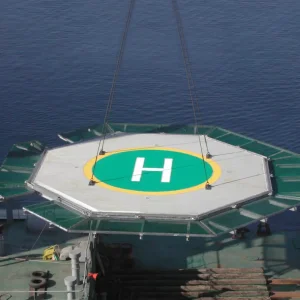
High salinity, constant UV radiation, and shifting wind directions present extreme challenges for offshore structures. Utilizing marine-grade alloys like 5083/6082, our marine deck extrusions prevent salt-spray degradation, ensuring a service life exceeding 25 years without requiring surface coatings.
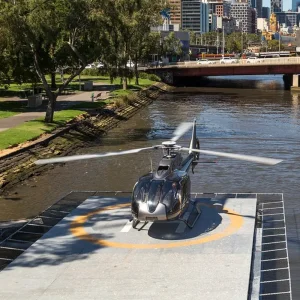
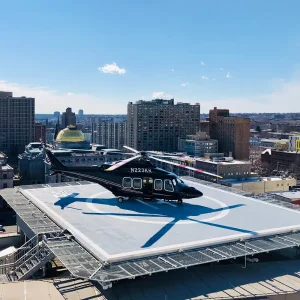
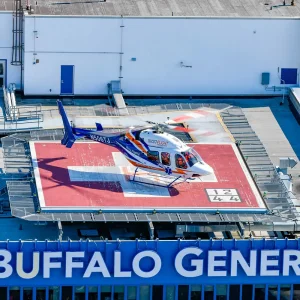
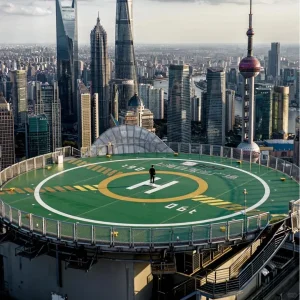
In medical emergency infrastructure, every second matters. Our rooftop helipads are engineered with lightweight, high-yield strength aluminum alloy profiles. This configuration minimizes the dead weight loaded onto hospital roof trusses while providing structural margins for emergency rotorcraft landings.
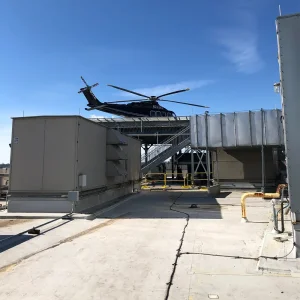
High-altitude construction demands structural systems with minimal thermal expansion profiles and simplified installation parameters. Our modular aluminum profiles feature integrated interlocking joints, eliminating the need for extensive structural welding at height and accelerating on-site installation.
The global demand for high-strength aluminum extrusions is shifting toward sustainability and intelligent performance. As industries align with carbon neutrality targets, the metallurgical sector is adopting green smelting methodologies to lower the embodied energy of alloys like 6082 and 7075.
Concurrently, developments in Finite Element Analysis (FEA) allow factories to refine profile interior geometries. Instead of deploying solid, heavy cross-sections, modern profiles feature internal reinforcement webs. This achieves equivalent resistance to vertical and torsional shear forces while using less raw material.
For operations like aviation helidecks and perimeter safety nets, this reduction in dead weight translates to improved structural efficiency for primary building columns. It also enables rapid assembly, making modular structural aluminum a preferred choice over traditional heavy structural steel.
Expert insights answering critical structural, procurement, and regulatory questions from engineering leads and architects.
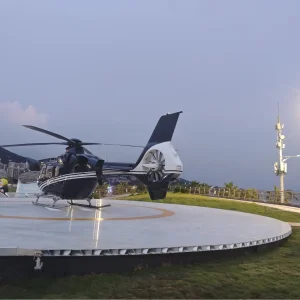
High-integrity components designed for architectural integration, rooftop landing areas, and severe marine conditions.
 LvXing