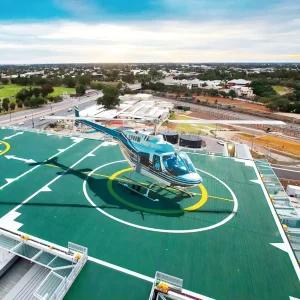
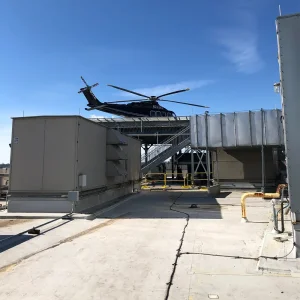
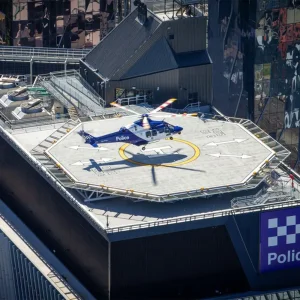
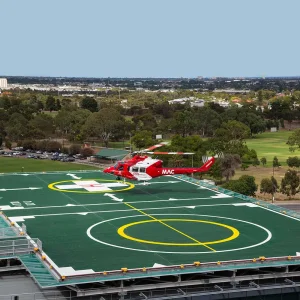
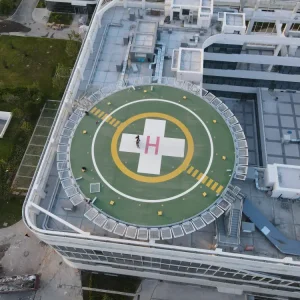
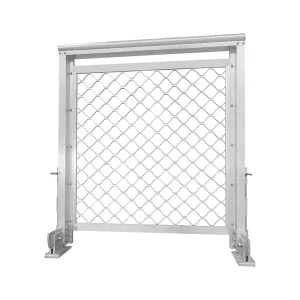
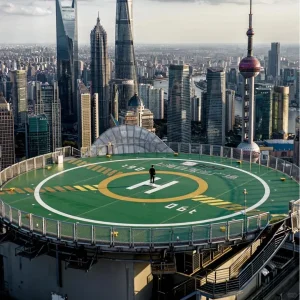
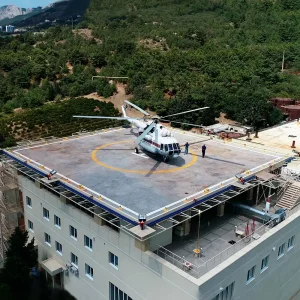
In the rapidly changing aerospace industry, landing safety remains the ultimate parameter of mission success. High-ascent aircraft landing nets and marine helideck safety nets act as critical barriers preventing catastrophic aircraft slippage, human falls, and equipment failure. This technical whitepaper delves into the engineering principles, metallurgical configurations, supply chain dynamics, and regulatory pathways of high-performance landing nets manufactured by Lvxing Intelligent Equipment.
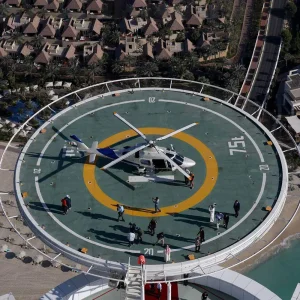
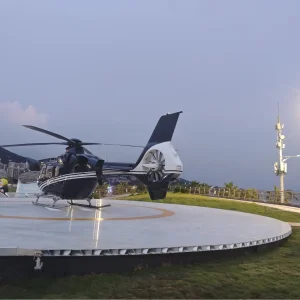
Modern aviation infrastructures, ranging from deep-sea offshore drilling rigs to high-rise metropolitan medical helipads, demand safety containment barriers that can survive harsh environments. According to international aviation regulators, structural failure of landing nets and perimeter platforms constitutes one of the most common risks during VTOL (Vertical Takeoff and Landing) operations. In extreme maritime zones, helicopters landing on moving decks face wind gusts up to 50 knots combined with heave, pitch, and roll motions.
High-ascent aircraft landing nets play an indispensable role in securing helicopters, UAVs (Unmanned Aerial Vehicles), and heavy-payload vertical transport systems. Because of the dynamic forces generated during sudden landings, ordinary industrial netting is completely inadequate. Highly specialized CE certified safety nets, featuring high-tensile aluminum profiles, are mandatory to guarantee compliance with international standards such as CAP 437, FAA, and European Standard EN 1263-1.
When an aircraft encounters severe turbulence or slide vectors, the lateral kinetic energy must be absorbed over milliseconds. A rigid structure risks catastrophic structural cracking, whereas a flexible aluminum composite grid provides controlled elastic deformation, cushioning the aircraft without failing under high shear forces.
Established in 2015 and located in Foshan City, Guangdong, LvXing Intelligent Equipment Co., Ltd. boasts a skilled R&D team with extensive experience. We leverage exceptional technical expertise to effectively transform customers' ideas into reality, consistently meeting their precise requirements.
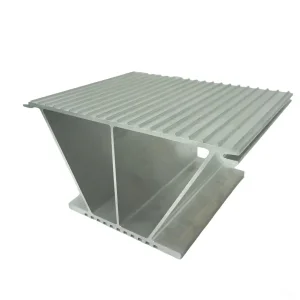
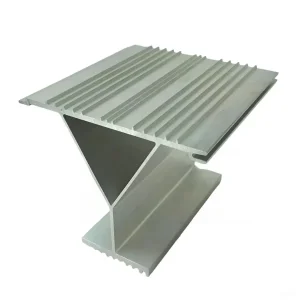
We utilize premium Fenglu aluminum, offering a diverse range of profiles for flexible applications. Our extrusion lines, ranging from 800T to 20,000T, accommodate alloys 1xxx, 2xxx, 3xxx, 5xxx, 6xxx, and 7xxx, allowing us to produce shaped products with section dimensions up to 1.2 meters in width and 28 meters in length. These products are recognized for their precision and meticulous processing, finding broad application in aerospace, military, medical, and industrial sectors.
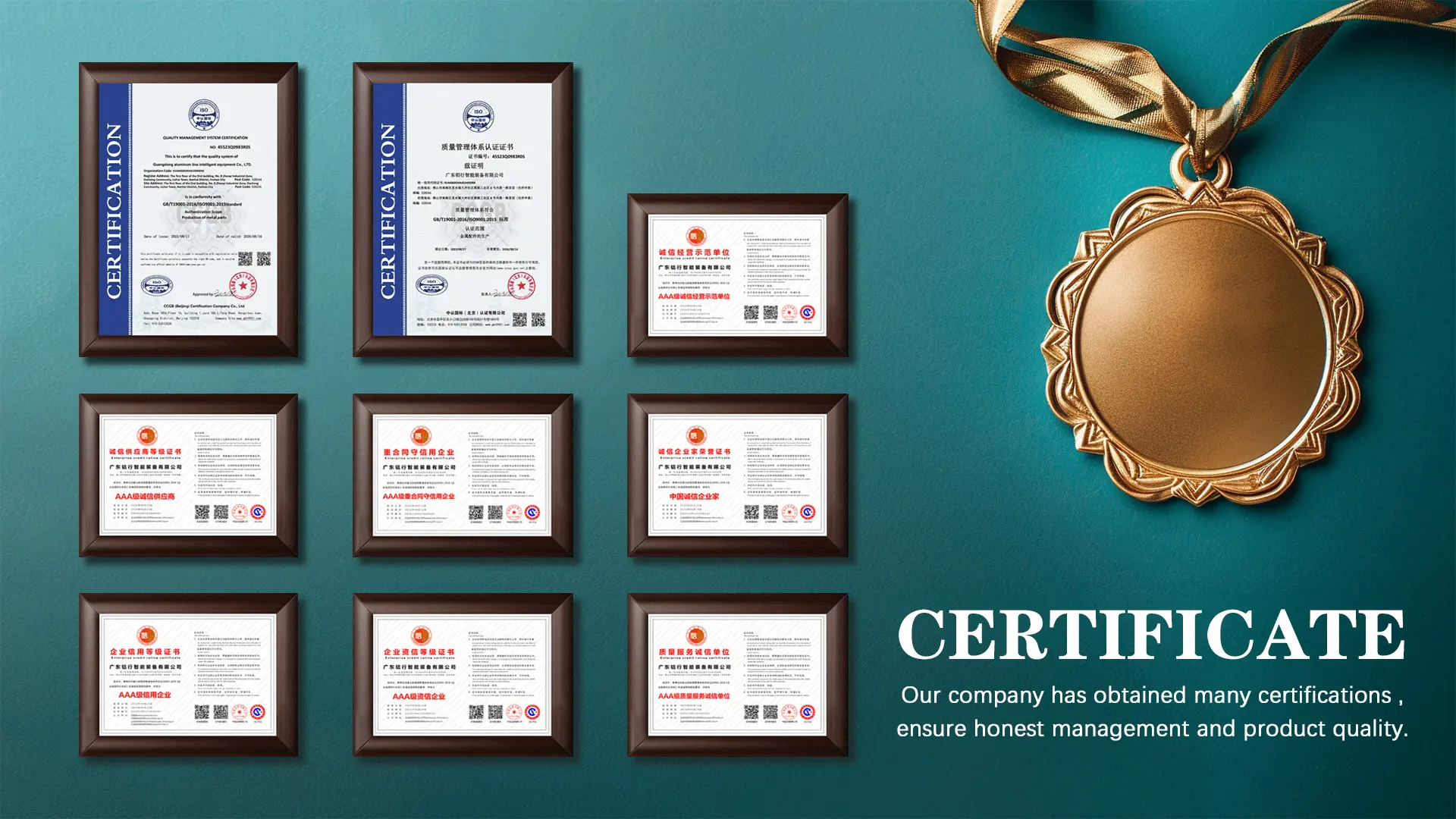
Our commitment to excellence is evident throughout the manufacturing process, rigorous quality control, thorough packaging, and efficient shipping procedures. This dedication has earned us recognition as a national excellent and honest enterprise, along with quality system certification in accordance with GB/T19001-2016/ISO9001:2015 standards.
Different environmental conditions require different alloy compositions. Marine platforms are plagued by salt-spray erosion, while skyscraper rooftops face intense wind loads and temperature fluctuations. Lvxing optimizes alloy selection based on rigorous parameters:
Provides superior corrosion resistance, high weldability, and excellent structural integrity. Perfect for maritime helipads and wet coastal environments.
Delivers peak yield strength matching structural steels, with superior stress-rupture capability. Tailored for extreme loading scenarios.
Using the massive 20,000T extrusion press, we create complex geometric sections that integrate safety nets seamlessly into the structural deck.
Our operational capacity stems from three fundamental pillars. By matching world-class raw material suppliers with state-of-the-art metalworking facilities, Lvxing guarantees quality control at every phase of the manufacturing cycle.
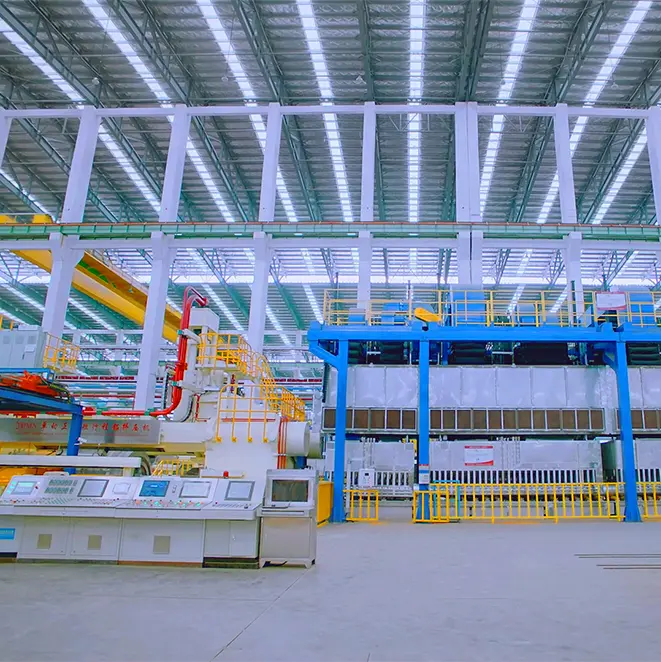

We have obtained the "Special Aluminium Materials for Aerospace" Certificate, certifying our metallurgy meets stringent requirements.
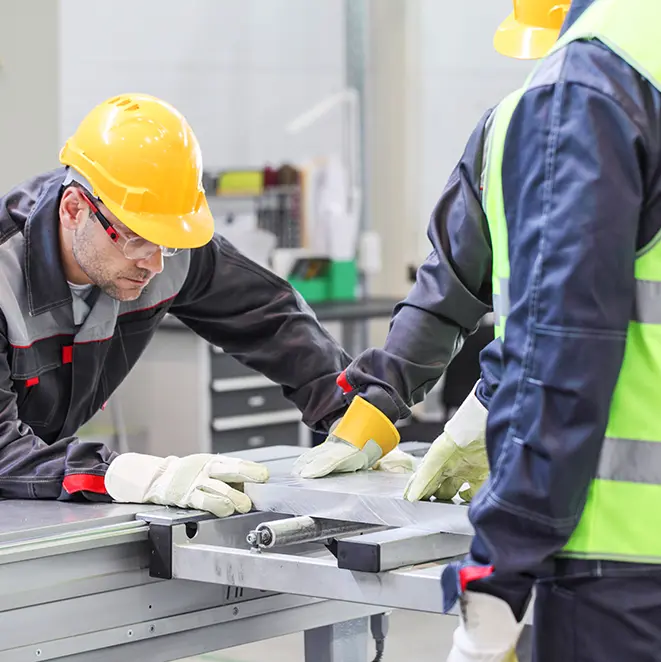

We utilize premium Fenglu aluminum profiles. With extrusion lines from 800T to 20,000T, we shape products up to 1.2m width and 28m length.
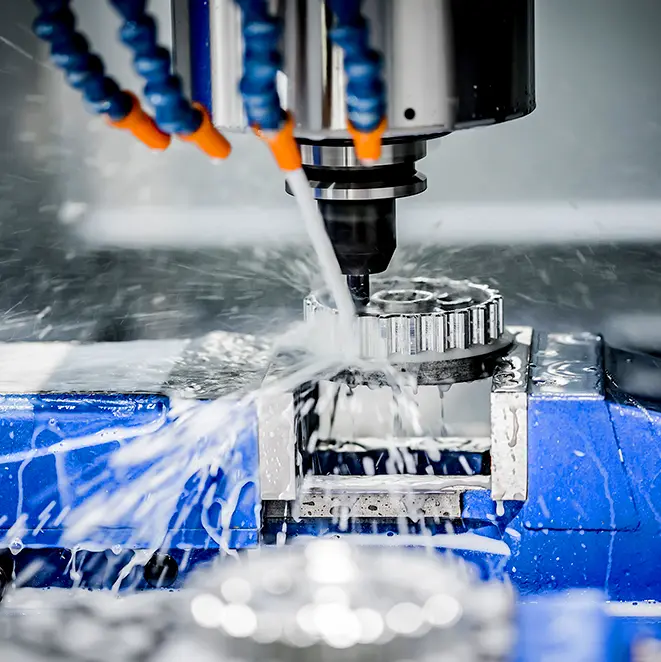

Our engineering team has 15 years of experience. We identify structural issues in advance to deliver robust, high-performance landing nets.
High-ascent landing nets do not exist in isolation; they are deployed within custom civil, commercial, and defense applications worldwide. Understanding these scenarios allows engineers to specify the exact parameters for their structural designs.
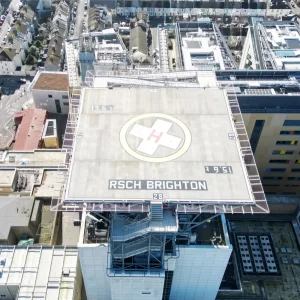
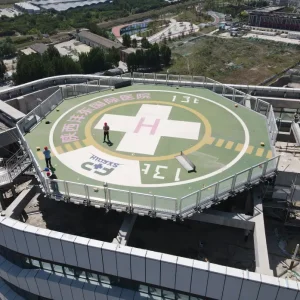
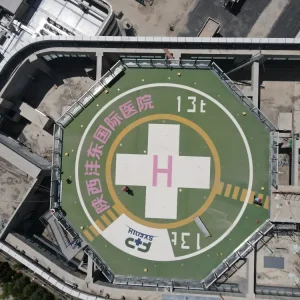
Urban trauma centers rely on rapid patient transport. Skyscraper rooftop landings generate strong updrafts, requiring perimeter safety nets that do not restrict airflow and can sustain high wind velocities. Lvxing's aluminum safety net systems provide 100% fall protection without obstructing emergency services or creating visual interference.
Offshore drillships, FPSOs, and military vessels feature motion-intensive landing environments. Corrosion resistance is paramount here. The combination of our 6000-series alloy structural components and specialized anodized coatings guards against saline-induced stress corrosion cracking (SCC), extending system life beyond standard expectations.
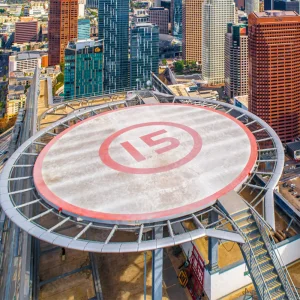
Modern skyscrapers feature helipads for corporate executives and evacuations. Aesthetics and architectural safety must merge. Lvxing's high-ascent nets are engineered to blend seamlessly with building facades while exceeding the rigid safety guidelines required for commercial permits in metropolitan zones.
Located in Foshan City, Guangdong, the absolute heart of the global aluminum fabrication ecosystem, Lvxing benefits from a dense, highly specialized supply chain network. The geographic proximity of primary smelting, premium alloy extrusion, high-capacity anodizing, and testing laboratories reduces lead times significantly compared to Western manufacturers.
Additionally, the integration of 800T to 20,000T extrusion presses under one processing roof ensures that Lvxing handles all production stages internally. This vertical integration prevents delays, reduces material transport overheads, and guarantees traceablity from raw ingot to finished landing net assembly. Our clients receive high-tier aerospace-grade solutions at highly optimized costs.
Profile Alloy: Al-Mg-Si (Alloy 6082-T6 or 6061-T6)
Yield Strength: ≥ 240 MPa (T6 Condition)
Max Dynamic Webbing Load: Tested to absorb dynamic drops exceeding 2.3 kJ without permanent failure
Corrosion Defense: Salt Spray resistance tested up to 1000 hrs (ASTM B117)
Compliance Standards: EN 1263-1, ISO 9001:2015, FAA Advisory Circulars
Every high-ascent aircraft landing net must undergo structural, tensile, and dynamic drop testing before commissioning. Our quality management systems operate in strict accordance with GB/T19001-2016 and ISO9001:2015 frameworks. Our products are engineered to conform with CE criteria, assuring global buyers of the reliability of Lvxing Intelligent Equipment.
To maintain our commitment to E-E-A-T (Experience, Expertise, Authoritativeness, and Trustworthiness), we document every stage of fabrication. Every batch of Fenglu aluminum is supplied with mill testing certificates, assuring alloy purity and temper stability. This rigorous documentation ensures safety in the field, where our nets protect valuable aviation assets and crew lives daily.
As vertical flight moves towards next-generation electric eVTOL aircraft, landing decks must adapt. These aircraft generate higher regional thermal loads during battery charging and demand precise landing grids. Lvxing's tech roadmap focuses on integrating advanced thermal dissipation channels directly into our extruded profile geometry.
Furthermore, we are developing lightweight structural composite systems that integrate carbon-fiber webbing alongside our standard 6000/7000-series aluminum alloys. These hybrid designs will offer even higher impact resistance while reducing overall structure weight by 25%. This optimization is essential for retrofit applications where existing rooftops have limited structural load capacities.
CE certification guarantees the netting system meets safety, health, and environmental standards within the European Economic Area (EEA). Specifically, for aircraft landing platforms, it confirms the structural design complies with EN 1263-1 requirements for dynamic safety netting, preventing failure under heavy dynamic loads.
Lvxing utilizes premium Fenglu aluminum with extrusion lines ranging from 800T to 20,000T. We produce complex profiles up to 1.2m wide and 28m long in 6000 and 7000-series alloys, which have high yield strength, outstanding marine corrosion resistance, and are certified under aerospace standards.
We apply specialized anodizing and anti-corrosion treatments to our 6000-series alloys (like 6082-T6). These treatments undergo continuous salt spray testing (ASTM B117) to ensure they can endure harsh offshore marine environments without undergoing structural degradation.
Yes, our technical team has 15 years of industry experience. We work closely with contractors to design custom profiles that meet the requirements of skyscraper rooftops, hospital helipads, and custom configurations, ensuring compatibility with all structural building limitations.
Quality control is integrated into every phase of production. Operating under GB/T19001-2016 / ISO9001:2015 management standards, we check alloy composition, verify extrusion tolerances, inspect anodizing depth, and run mechanical load testing before packaging and delivery.
 LvXing