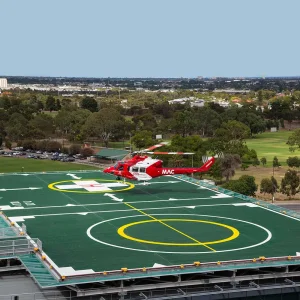
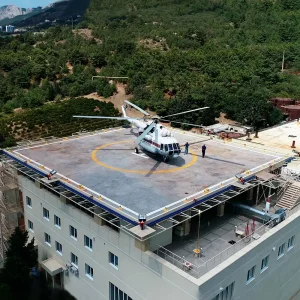
Explore our premium range of CE certified helipad structural profiles, perimeter mesh systems, and custom safety solutions designed for offshore and elevated platforms.
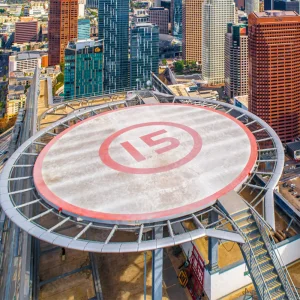
A Technical Exposition on Standards, Structural Integrity, and Risk Mitigation for Elevated Aviation Landing Fields.
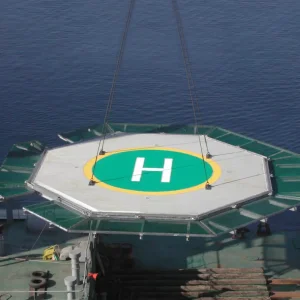
Elevated helipads—whether situated atop offshore oil rigs, hospital roofs, or ultra-tall high-rise towers—are subject to extreme aerodynamic forces, harsh environmental degradation, and stringent safety criteria. Traditional perimeter nets often relied on steel mesh configurations that suffered from severe salt-spray corrosion and micro-fractures, posing massive liability risks. The modern paradigm demands high-strength aluminum alloys, engineered tension profiles, and strict compliance with the European Union's CE markings alongside the Civil Aviation Authority (CAA) CAP 437 regulations.
As a premier global manufacturer, we combine advanced aerospace-grade metallurgy with smart structural design. The integration of CE Certified aluminum profile frames and high-performance safety mesh prevents catastrophic structural failure. By tailoring the tension distributions of the alloy weave, our elevated structures actively absorb drop impacts rather than rigid-binding, ensuring that structural loads are effectively dispersed throughout the support frames.
Established in 2015 and strategically located in Foshan City, Guangdong (the global hub for aluminum extrusion manufacturing), LvXing Intelligent Equipment Co., Ltd. houses a specialized engineering and R&D team with decades of combined experience. We excel at translating complex client specifications into certified structural realities, addressing precise load requirements and geometric profiles.
Our raw materials are sourced from premium Fenglu Aluminum, ensuring unparalleled metallurgical purity. With a highly versatile extrusion capability ranging from 800T to 20,000T extrusion lines, we process specialty alloys across 1xxx, 2xxx, 3xxx, 5xxx, 6xxx, and 7xxx series. Our facility can construct fully integrated profiles measuring up to 1.2 meters in section width and 28 meters in continuous length.
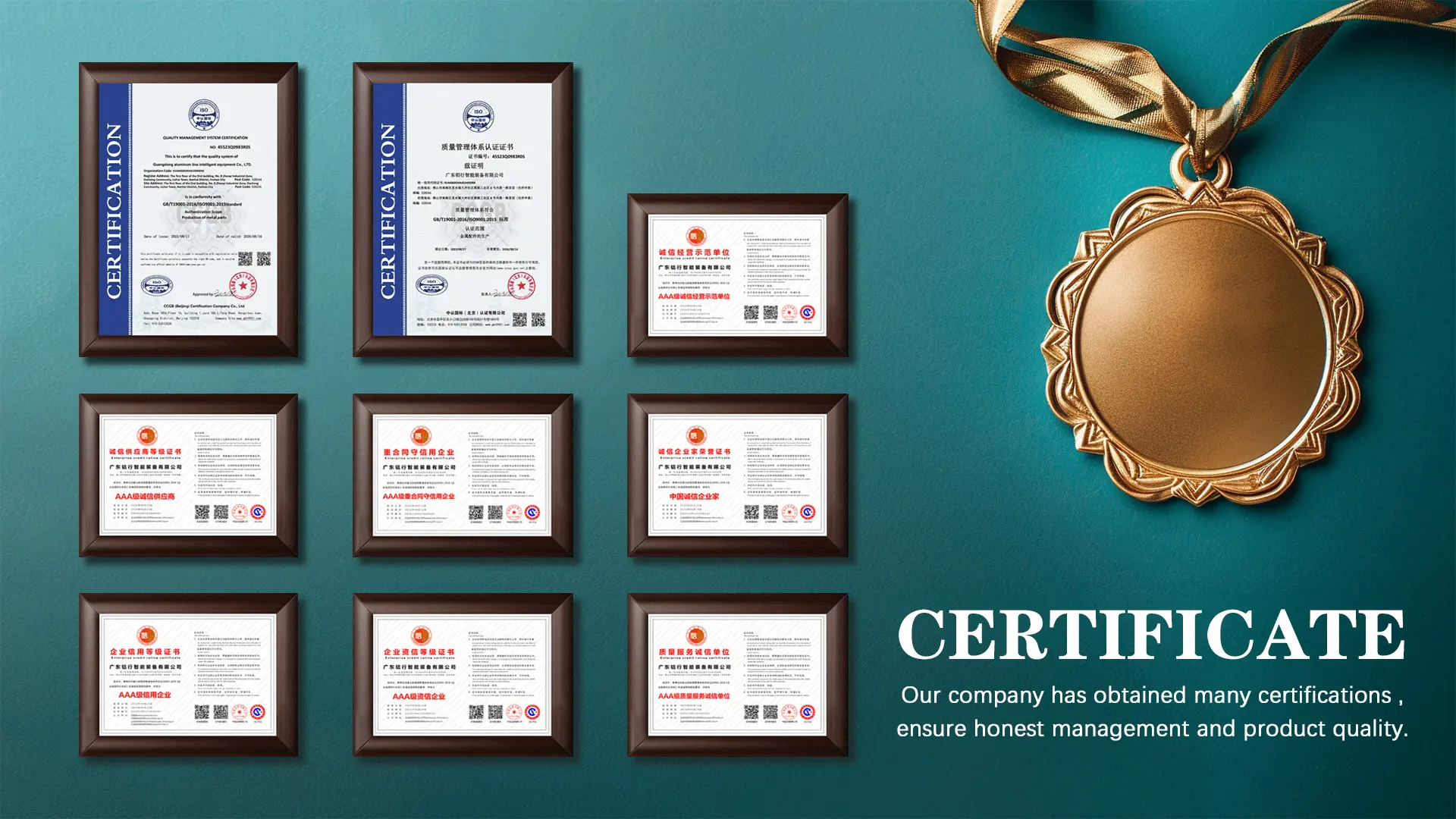
This structural capability has earned us the prestigious "Special Aluminium Materials for Aerospace" Certificate, validating our quality controls under GB/T19001-2016 and ISO9001:2015 international standards. Our safety nets and aluminum structural profiles are widely deployed in commercial aviation, defense, marine vessels, and modern medical rooftop facilities.
Engineered for high reliability, absolute compliance, and cost-efficient customization.
Recipient of the "Special Aluminium Materials for Aerospace" Certificate. We utilize high-purity Fenglu profiles to secure superior tensile strength and corrosion resistance.
Equipped with 800T to 20,000T extrusion lines. We process alloys in 1xxx to 7xxx series to manufacture large-scale components up to 1.2 meters wide or 28 meters long.
Our dedicated technicians diagnose underlying engineering challenges early, transforming custom designs into reliable, stress-tested, and code-compliant installations.
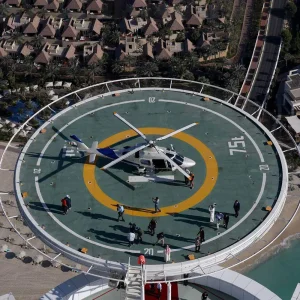
The international maritime and petrochemical sectors are experiencing unprecedented growth in offshore helideck installations. As deepwater wind farms and oil exploration vessels navigate severe marine weather, safety requirements have tightened. Operators can no longer utilize generic perimeter barriers. Global procurement managers now require certified elevated structure nets that resist harsh salt-spray environments and absorb the kinetic energy of helicopter drift accidents.
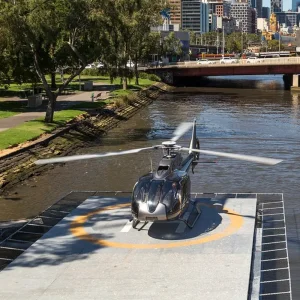
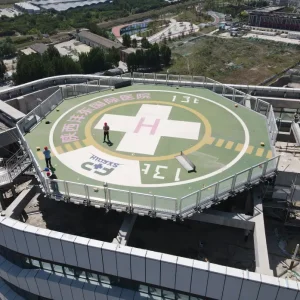
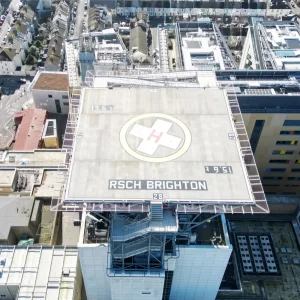
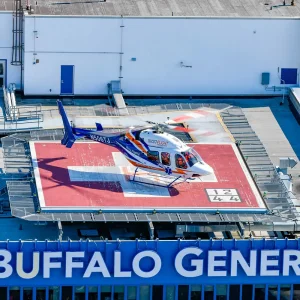
Municipal building codes in the US, EU, and Middle East have integrated mandatory rooftop evacuation helipads. For hospitals and municipal facilities, weight limitations of concrete are key. Elevated structural aluminum helipads equipped with perimeter safety nets provide the ideal high-strength, lightweight alternative. Our customized profile designs (like the LX-HP02 and LX-HP04 series) minimize dead loads while maximizing passenger and crew fall protection.
By manufacturing in Foshan, China, Lvxing accesses the world’s most robust industrial cluster for aluminum processing. We leverage localized vertical integration—ranging from raw alloy formulation and massive extrusion capability to precision CNC machining and CE-compliant stress testing. This proximity minimizes logistical bottlenecks, allowing us to supply bespoke, aerospace-accredited aluminum products at competitive price points.
Optimized profile engineering and advanced safety net integration.
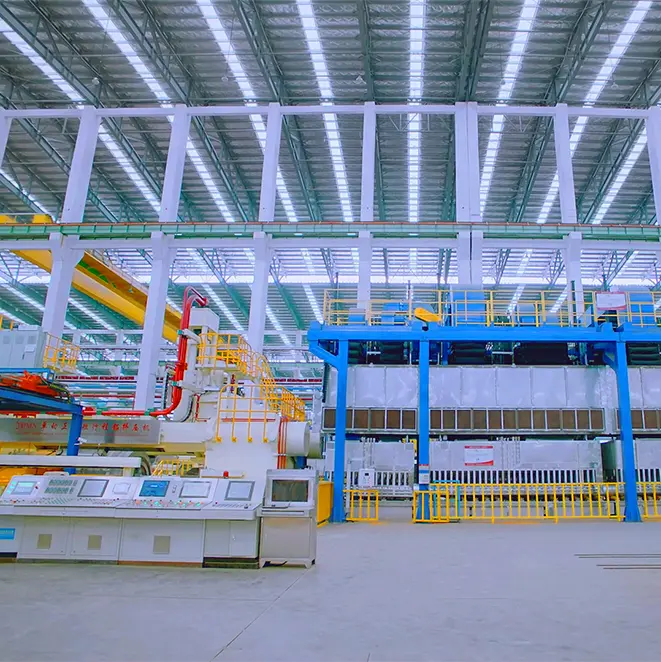
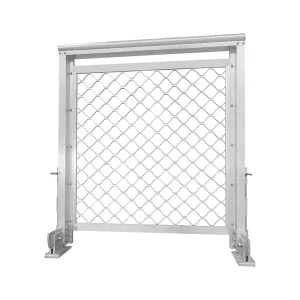
CE Certified safety nets featuring customized frame attachments to avoid deck protrusion issues.
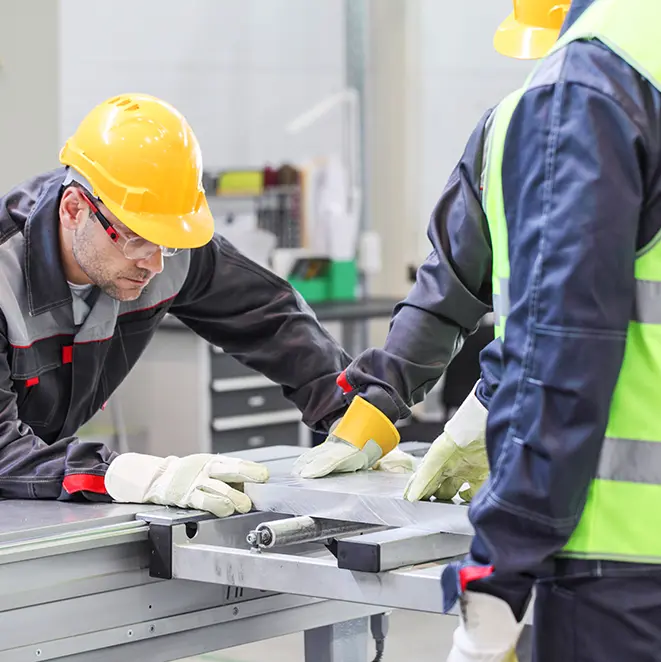
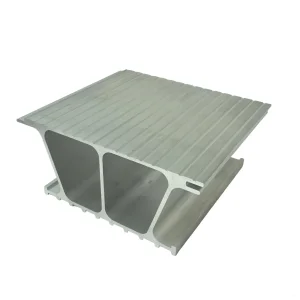
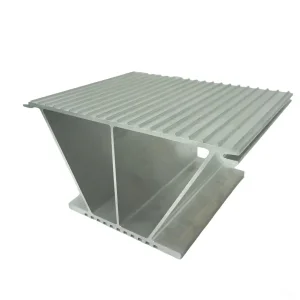
Our massive structural profile sections ensure maximum load capacities with minimal assembly joints.
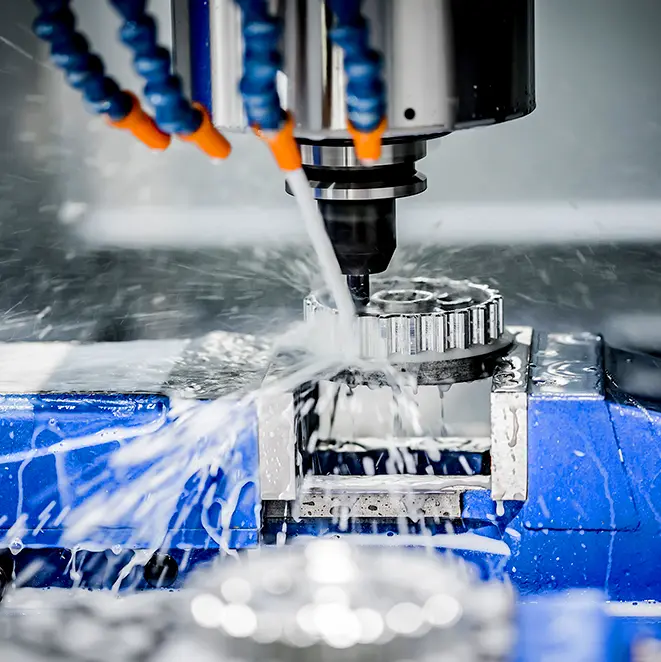
Rigorous testing ensures compliance with international aviation safety regulations.
Essential regulatory and engineering insights for global procurement managers.
Bespoke configurations for hospital rooftops, municipal structures, and high-performance helideck meshes.
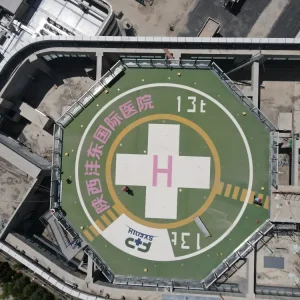
When evaluating high-strength perimeter nets and helipad profiles, standard commercial parameters are insufficient to guarantee long-term safety. Procurement agents should request documentation confirming alloy purity and mechanical test results:
Choosing Lvxing as your manufacturer ensures access to fully certified systems that comply with current international building codes. Contact our sales department to receive specialized CAD designs, structural calculations, and quotation details.



 LvXing