 LvXing
Industry White Paper: Structural Dynamics of High-Rise Rooftop Helipads & Safety Nets
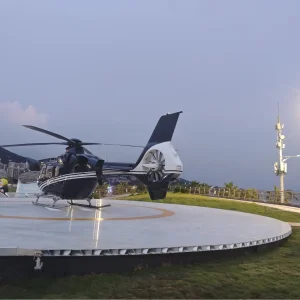
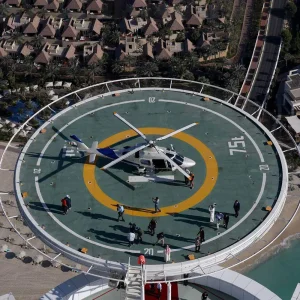
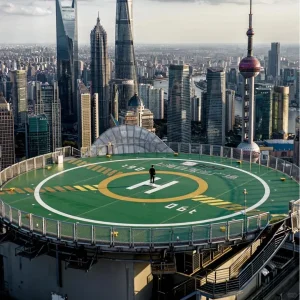
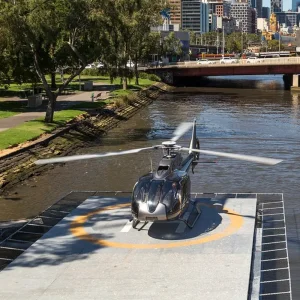
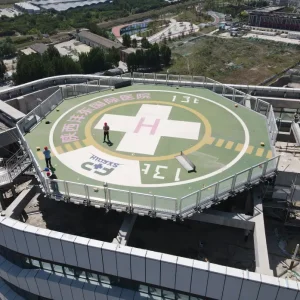
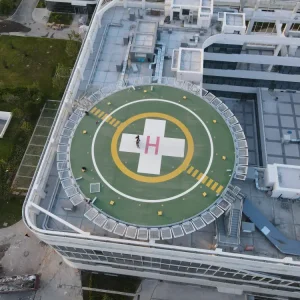
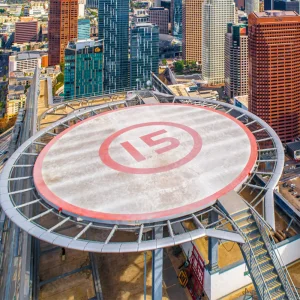
Rooftop landing platforms on skyscrapers and supertall towers present unique engineering, meteorological, and structural dynamics compared to ground-level airstrips. At high altitudes (often exceeding 150m to 500m above ground level), helidecks are exposed to severe atmospheric wind shear, thermal updrafts from building HVAC vents, and potential seismic vibrations. Ensuring safety on these structures requires highly specialized architectural hardware—specifically, CE Certified Tall Building Helicopter Landing Nets.
1. Global Commercial and Industrial Landscape
Urban density is driving the vertical expansion of global cities. In regions like the Middle East, Southeast Asia, and North America, building regulations require the inclusion of helipads for emergency medical services (EMS), fire rescue, and executive travel. The international heliport safety market has shifted from heavy steel mesh to high-tensile, corrosion-resistant aluminum alloys. Aluminum safety nets offer distinct advantages: they are lightweight (reducing building deadload), highly flexible (improving deceleration properties during impact), and possess natural resistance to corrosion from salt spray and smog, making them ideal for coastal megalopolises and industrial cities alike.
2. Material Chemistry & Engineering Advantages of China Factories
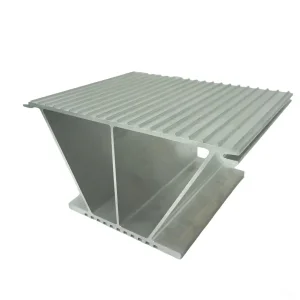
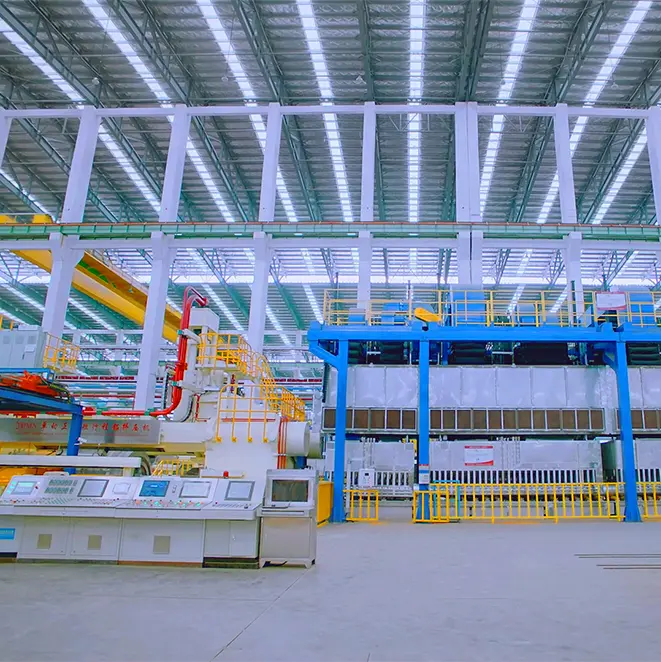
The structural efficacy of an aluminum helipad landing net depends heavily on its extrusion profile and material chemistry. Lvxing Intelligent Equipment leverages China’s highly integrated industrial clusters and collaborates with top-tier material suppliers like Fenglu Aluminum. By deploying heavy-duty extrusion lines from 800T to 20,000T, the factory can process advanced 6xxx and 7xxx series alloys.
- 6xxx Series (e.g., 6061-T6, 6082-T6): Feature high yield strength, excellent corrosion resistance, and exceptional weldability, forming the structural framing of our perimeter net systems.
- 7xxx Series: Employed in applications requiring maximum stress performance, providing high strength-to-weight ratios to absorb kinetic energy under impact loads.
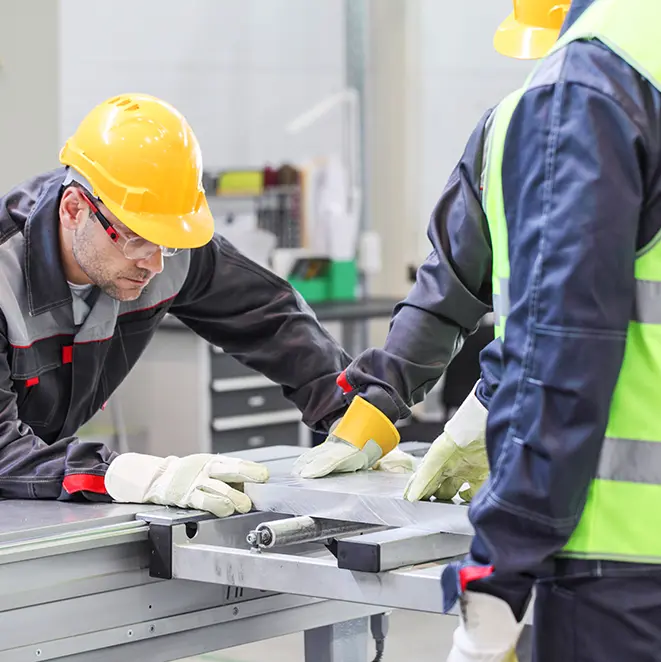
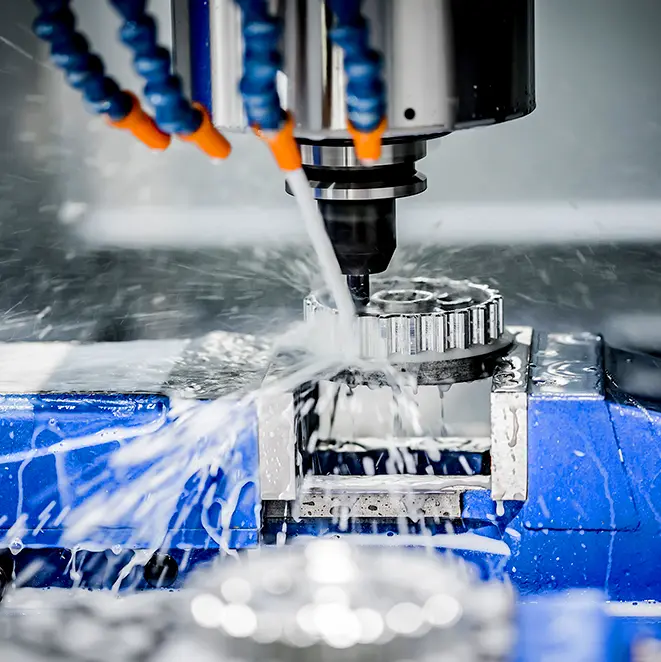
By executing full-scale production in Foshan, China, Lvxing minimizes manufacturing cycle times while ensuring high-precision structural tolerances. Our capacity to extrude single profiles up to 1.2 meters wide and 28 meters long minimizes weld lines, reducing potential failure points in high-vibration conditions.
3. Localized Application Scenarios
Helicopter landing safety nets are deployed in various configurations based on the environment:
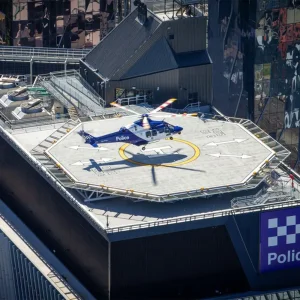
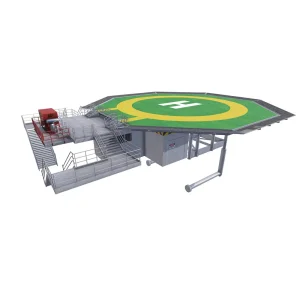
- Skyscrapers & Urban Commercial Towers: These installations focus on wind load distribution and aerodynamic stability. The net profile must allow air to pass freely without generating dangerous wind turbulence at the edge of the helideck.
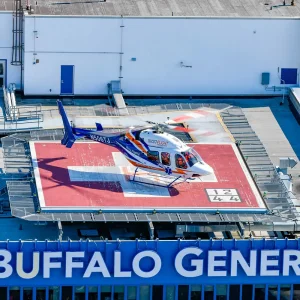
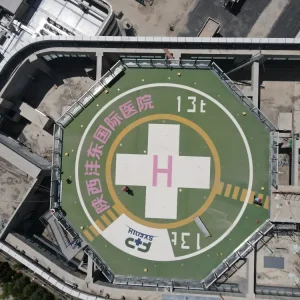
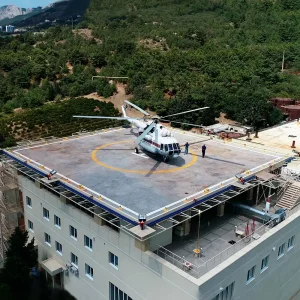
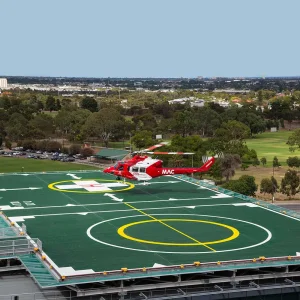
- Emergency Medical Helipads (Hospitals): Reliability and ease of maintenance are critical. Quick-access safety nets allow rapid cleaning, structural inspection, and zero downtime during continuous rescue operations.
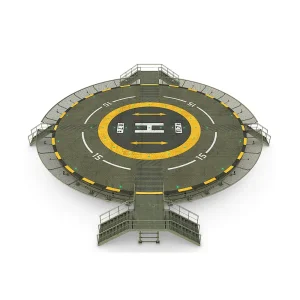
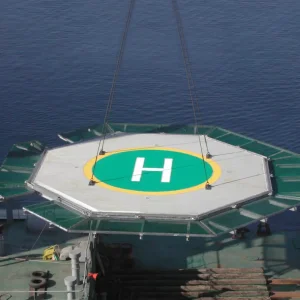
- Offshore & Ship Deck Helidecks: Marine environments demand defense against high salinity. Lvxing utilizes specialized anodizing treatments to prevent galvanic corrosion, ensuring longevity on naval and commercial vessels.
- Police & Law Enforcement Stations: Designed for high-frequency operations, needing rugged structural frames that endure daily use.
4. Global Procurement Requirements and Trends (2025–2030)
Procurement departments in international construction firms are prioritizing three factors: CE conformity, structural longevity, and system integration. With the rise of eVTOL (Electric Vertical Takeoff and Landing) vehicles, helipads are transitioning into multi-modal vertiports. Future-proof helipad landing nets must not only protect against current helicopter weights (such as the Sikorsky S-92 or Eurocopter EC135) but also adapt to the structural form factors of next-generation electric aircraft. Additionally, smart landing nets equipped with strain gauges or optical fiber sensors for real-time tension monitoring are emerging as a key safety trend.