Explore our flagship CE-certified aluminum profiles engineered for structural loading, architectural safety, and extreme environment resilience.
Established in 2015 and located in Foshan City, Guangdong, LvXing Intelligent Equipment Co., Ltd. boasts a skilled R&D team with extensive experience. We leverage exceptional technical expertise to effectively transform customers' ideas into reality, consistently meeting their precise requirements.
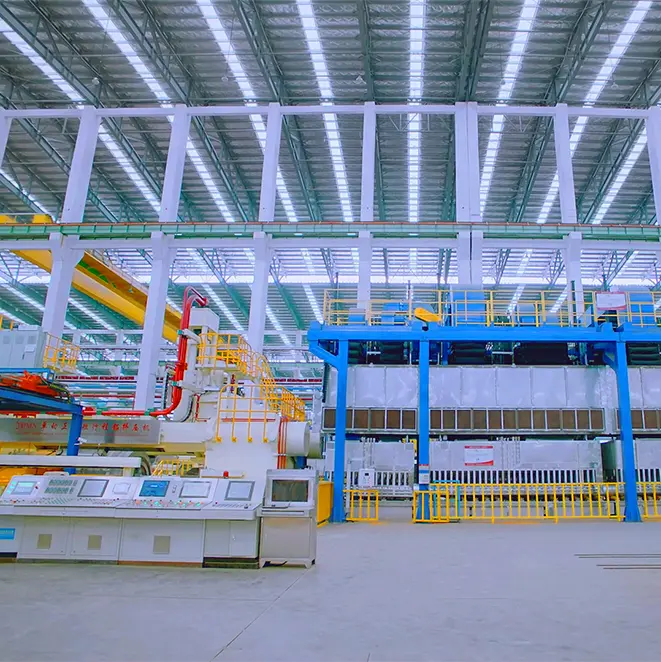
We utilize premium Fenglu aluminum, offering a diverse range of profiles for flexible applications. Our extrusion lines, ranging from 800T to 20,000T, accommodate alloys 1xxx, 2xxx, 3xxx, 5xxx, 6xxx, and 7xxx, allowing us to produce shaped products with section dimensions up to 1.2 meters in width and 28 meters in length. These products are recognized for their precision and meticulous processing, finding broad application in aerospace, military, medical, and industrial sectors.
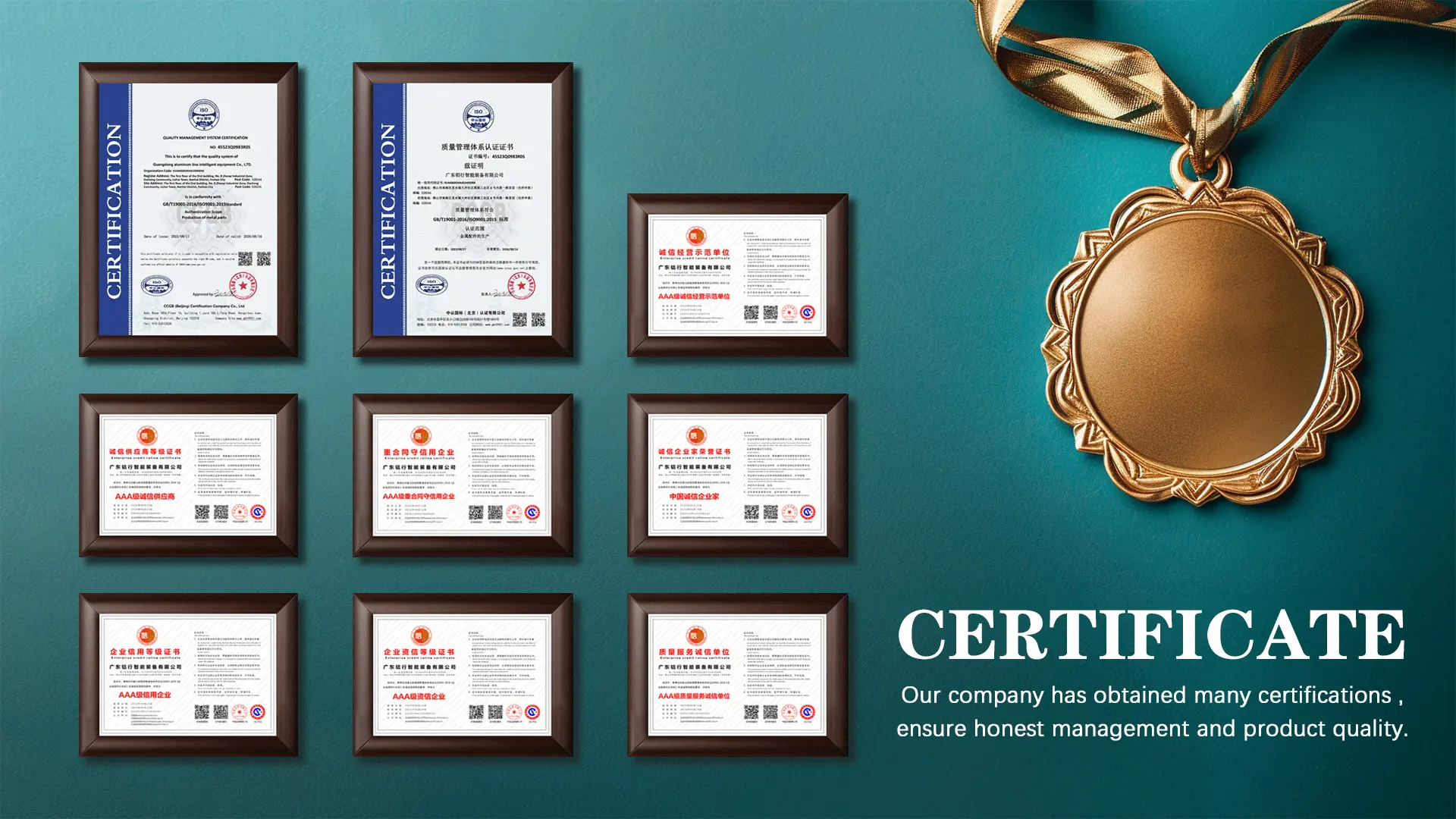
Our commitment to excellence is evident throughout the manufacturing process, rigorous quality control, thorough packaging, and efficient shipping procedures. This dedication has earned us recognition as a national excellent and honest enterprise, along with quality system certification in accordance with GB/T19001-2016/ISO9001:2015 standards.
We aspire to be your trusted business partner and warmly invite you to visit our factory.
As modern building envelopes, industrial landing decks, and aerospace architectures face increasingly severe thermal loads and stringent energy mandates, the integration of Thermal Break Aluminum Profiles has transitioned from an architectural option to a regulatory necessity. Under the European Energy Performance of Buildings Directive (EPBD) and corresponding global standards, eliminating structural thermal bridges is a key target for carbon footprint reduction.
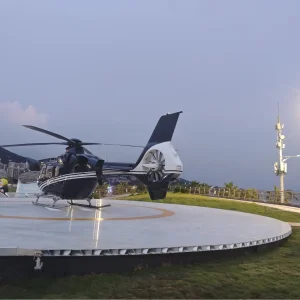
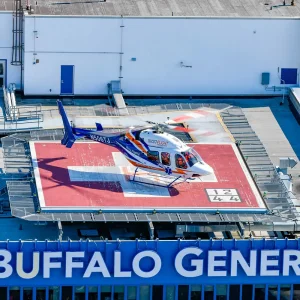
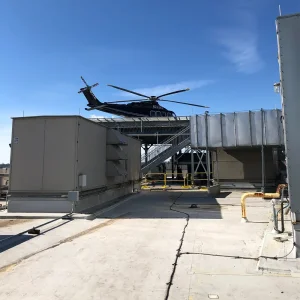
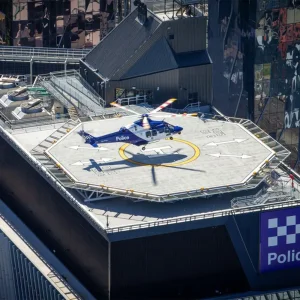
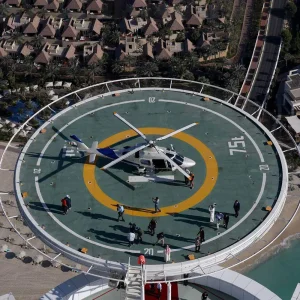
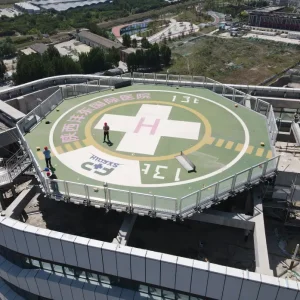
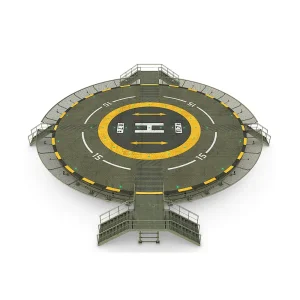
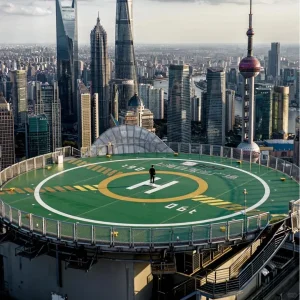
In high-load platforms such as helicopter landing decks, skyscraper landing zones, and marine superstructures, aluminum profiles are subject to extreme atmospheric conditions. Standard aluminum exhibits high thermal conductivity (~200 W/m·K), which leads to thermal energy transfer, condensation, and structural stress due to thermal expansion/contraction. Our CE-certified thermal barrier solutions utilize high-density polyamide (PA66-GF25) strips mechanical crimped between aluminum extrusions. This design reduces thermal transmittance, stabilizes local temperatures, prevents icing on exposed decks, and ensures structural stability under severe temperature differentials ranging from -50°C to +80°C.
By decoupling the external loading deck from the underlying building substructure with thermal break barriers, designers can mitigate internal condensation, prevent corrosion in concrete-to-aluminum joints, and achieve a 45% reduction in local heat loss.
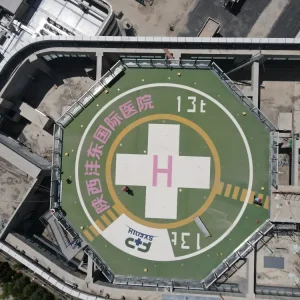
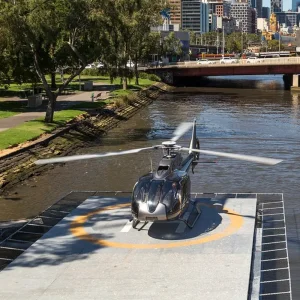
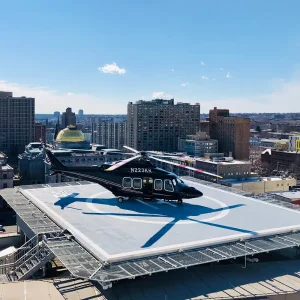
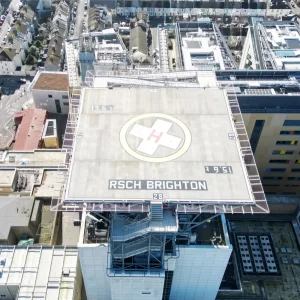
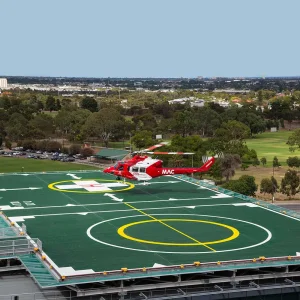
The global demand for high-strength, lightweight materials is driven by clean energy transition goals, urban verticalization, and emergency medical service (EMS) infrastructure expansion. In offshore wind platforms, marine oil rigs, and city centers, helicopter landing pads require materials that combine corrosion resistance with high load-bearing capacity. Traditional steel assemblies are heavy and require high maintenance in marine (C5-M corrosion rating) environments.
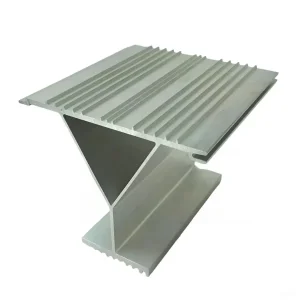
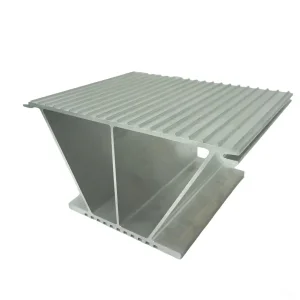
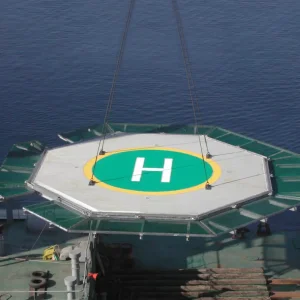
Our solutions address these needs by offering customized structural designs using high-integrity 6000 and 7000 series aluminum alloys. Our production utilizes heavy-duty extrusion presses (ranging from 800T to 20,000T) to manufacture single-piece extrusions up to 1.2 meters wide. This allows for wider deck plates with fewer joints, reducing installation times, lowering maintenance costs, and creating a continuous structure suitable for critical missions.
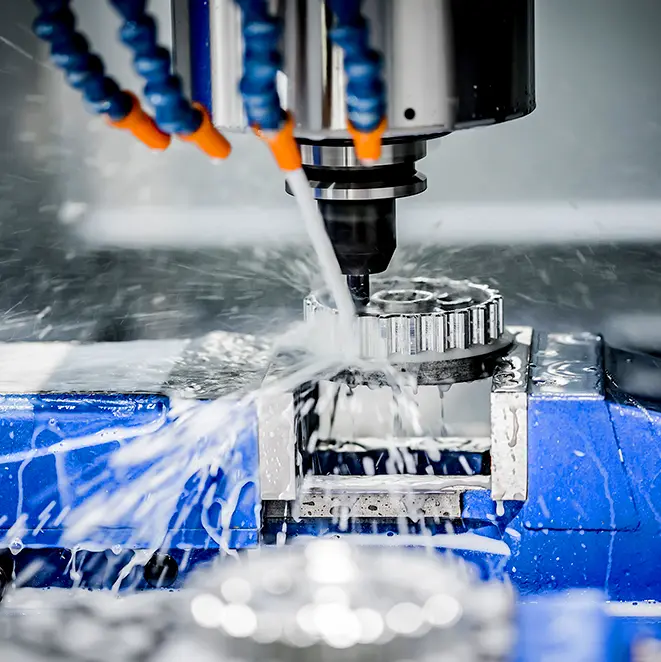
Our engineering expertise is validated by aerospace certifications and high-precision testing procedures. Below is a detailed view of our core manufacturing and technical competencies as documented in our engineering guidelines:

We have obtained the “Special Aluminium Materials for Aerospace” Certificate.

We provide and utilize high-quality Fenglu aluminum profiles. With extrusion lines ranging from 800T to 20,000T, we can produce alloys 1xxx, 2xxx, 3xxx, 5xxx, 6xxx, and 7xxx. We can manufacture fully shaped products with section dimensions up to 1.2 meters in width or 28 meters in length.

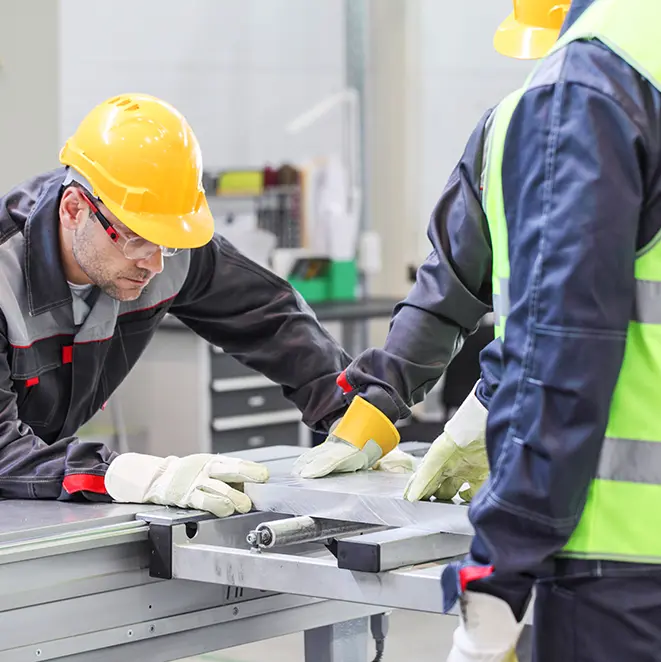
We have a team of technicians with 15 years of invaluable experience. Our deep understanding of customer requirements allows us to identify potential issues and offer practical insights, turning customer ideas into tangible products that meet specific needs.
For European and international markets, compliance with local building codes, structural regulations, and environmental standards is essential. Our thermal break aluminum profiles and helipad structures carry the CE Mark, confirming compliance with European Regulation (EU) No 305/2011 (Construction Products Regulation or CPR). They are engineered and manufactured in compliance with:
We support localization by offering localized engineering verification, including Finite Element Method (FEM) load calculations, local wind and seismic analysis, and custom packaging. This ensures compliance with local structural codes and simplifies the approvals process for developers and contractors.
Our aluminum profiles are developed for high-stress applications across multiple sectors:
Looking to the future, LvXing is focusing on sustainable production and smart engineering. Our development roadmap includes three main goals:
1. Low-Carbon Recycled Alloys: Incorporating clean, post-industrial recycled aluminum into our profiles without compromising tensile strength or structural integrity. This aligns with circular economy goals and helps projects earn LEED and BREEAM certifications.
2. Smart Integrated Profiles: Developing profiles with built-in channels for sensor systems, including real-time stress strain gauges, temperature sensors, and self-regulating heating elements. These systems are designed to provide automated warnings for structural maintenance.
3. Advanced Polyamide Barrier Systems: Upgrading our thermal barriers to bio-based polyamides with lower thermal conductivity (K-value < 0.20 W/m·K) and higher mechanical shear strength, improving overall thermal performance.
Key technical answers for structural engineers, procurement managers, and architects.
Browse our specialized aluminum assemblies, customized helicopter landing decks, and safety netting components designed for demanding applications.
 LvXing