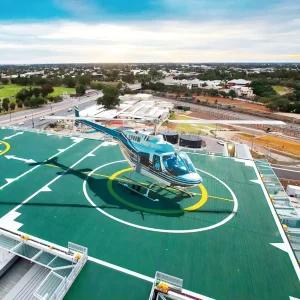
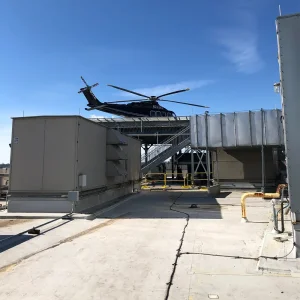
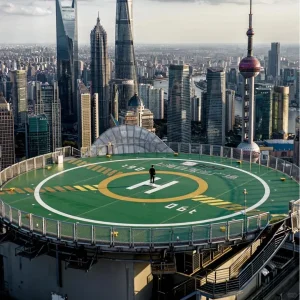
Browse our core inventory of internationally certified aluminum helipad structures and peripheral mesh components.
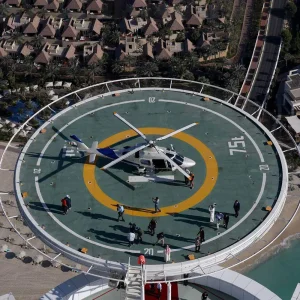
Helideck perimeter safety netting systems represent a crucial engineering safeguard in offshore oil rigs, commercial cruise liners, naval vessels, and high-rise hospital rooftops. Standardized under international codes such as CAA CAP 437 and ICAO Annex 14, these systems prevent personnel and equipment from falling off elevated platforms. Crucially, their dynamic structural frame needs to absorb severe kinetic loads without damaging landing helicopters or failing during high-wind maritime scenarios.
In high-salinity offshore zones, traditional carbon steel nets succumb to accelerated crevice corrosion. Modern safety planners mandate the integration of marine-grade 6000-series structural aluminum alloy profiles coupled with specialized high-tension stainless steel wire or custom aluminum meshes. This combination ensures long lifespan, minimal deck maintenance, and reliable crash barrier mitigation.
Extrusion Capacity
Certified Systems
Aeronautical Expertise
CAP 437 Compliance
Technical progress and shifts in safety rules driving modern landing deck innovations.
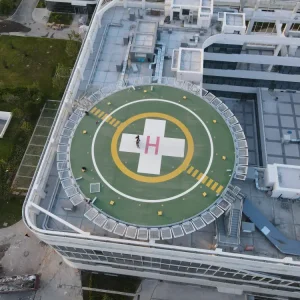
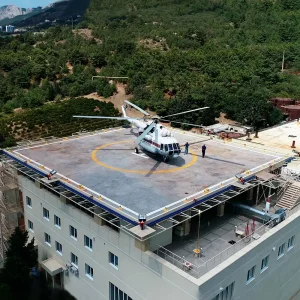
Emergency medical services (EMS) require rooftop landing zones on hospitals. Strict structural weight restrictions and seismic loading parameters make light-weight aluminum netting arrays the premium construction choice.
Extreme maritime conditions demand corrosion-resistant structural shapes. Our safety perimeter systems resist C5-M high-corrosive environments, lowering upkeep costs on remote offshore energy sites.
Safety regulations now require rigorous physical drop-testing to simulate the weight of falling personnel. Nets must absorb at least 100 Joules of kinetic energy without breaking or creating a slingshot hazard.
"The upgrade from classic steel chains to tensioned structural aluminum framework with stainless steel mesh reduces static weight by over 55%, lowering structural fatigue on offshore cantilevered structures." — Global Heliport Engineering Association Whitepaper
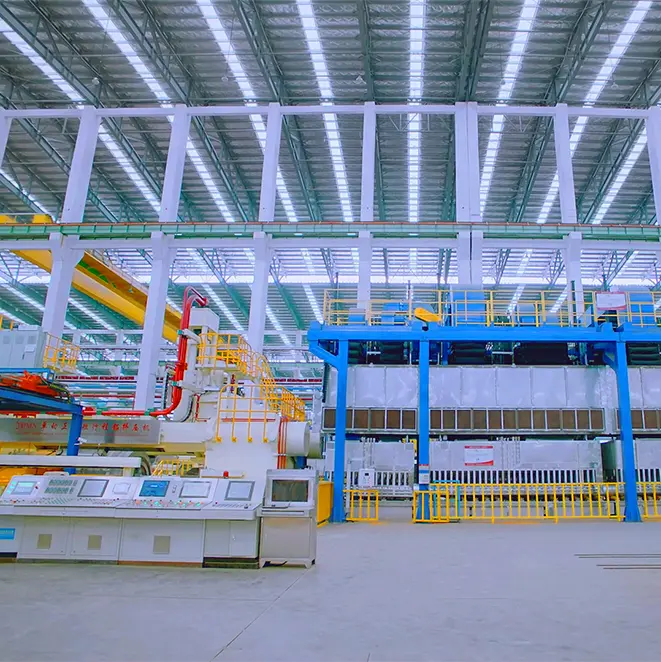
Established in 2015 and located in Foshan City, Guangdong, LvXing Intelligent Equipment Co., Ltd. boasts a skilled R&D team with extensive experience. We leverage exceptional technical expertise to effectively transform customers' ideas into reality, consistently meeting their precise requirements.
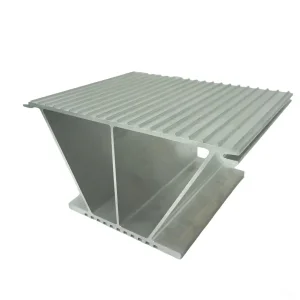
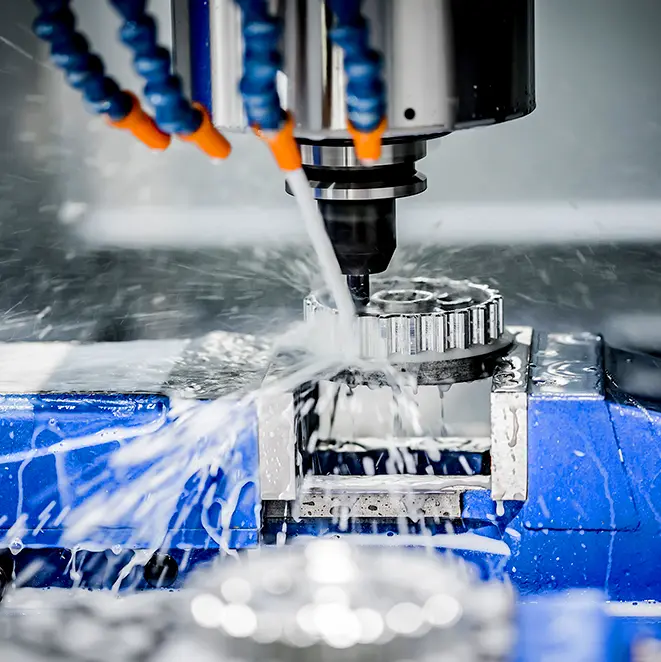
We utilize premium Fenglu aluminum, offering a diverse range of profiles for flexible applications. Our extrusion lines, ranging from 800T to 20,000T, accommodate alloys 1xxx, 2xxx, 3xxx, 5xxx, 6xxx, and 7xxx, allowing us to produce shaped products with section dimensions up to 1.2 meters in width and 28 meters in length. These products are recognized for their precision and meticulous processing, finding broad application in aerospace, military, medical, and industrial sectors.
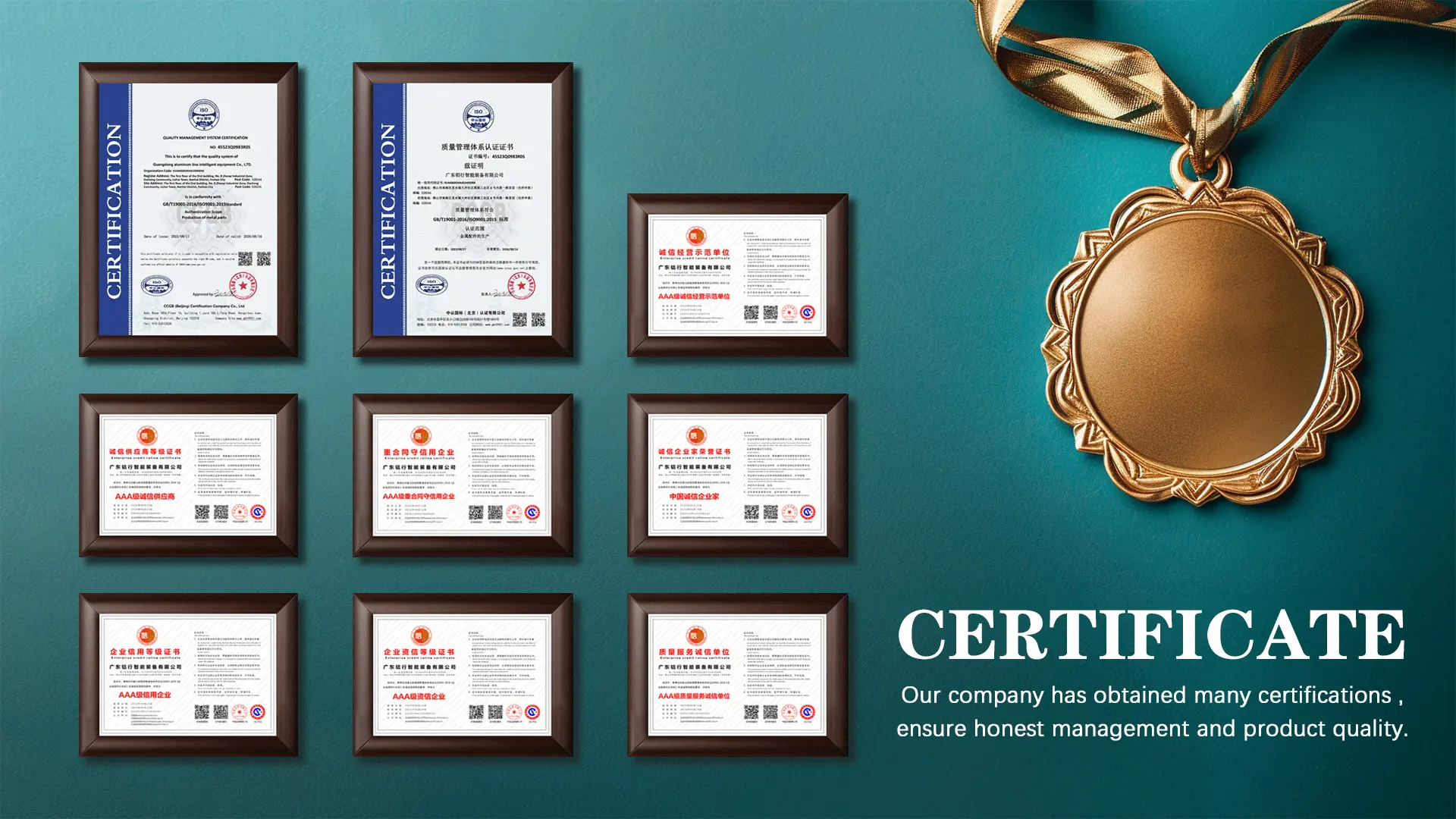
Our commitment to excellence is evident throughout the manufacturing process, rigorous quality control, thorough packaging, and efficient shipping procedures. This dedication has earned us recognition as a national excellent and honest enterprise, along with quality system certification in accordance with GB/T19001-2016/ISO9001:2015 standards.
High-end manufacturing infrastructure matching global safety and engineering demands.

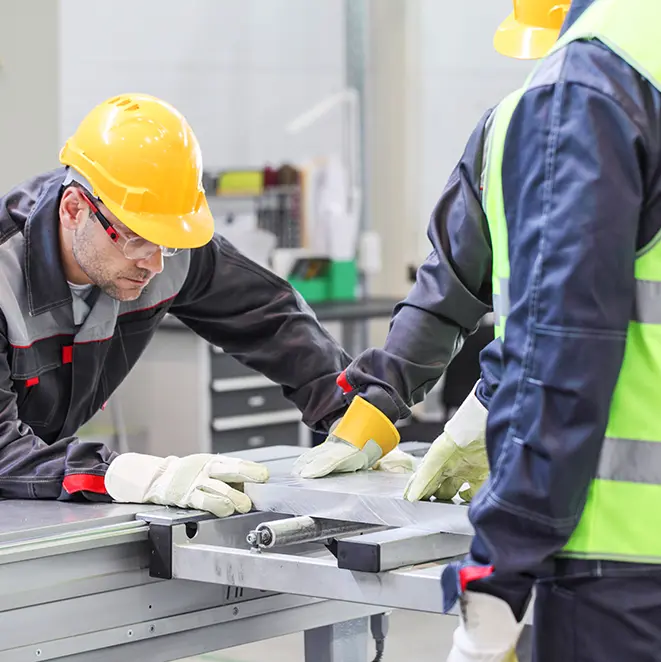


How we build customized perimeter nets to withstand high dynamic loads.
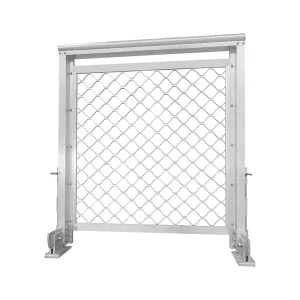
Designing a customized helideck perimeter safety net system requires choosing the right materials, calculating load distributions, and matching frame structures. We start by using 6061-T6 or 6082-T6 grade aluminum profiles. These alloys are chosen for their excellent yield strength and natural resistance to seawater corrosion. The mesh is made from high-tensile 316-grade stainless steel cables, woven using a knotless pattern to prevent surface wear and wire fatigue over time.
Unlike steel frames, which require regular hot-dip galvanizing, our aluminum assemblies feature advanced clear anodized coatings. This protective layer reduces corrosion risks in tough, salty sea environments. The safety nets are engineered to mount at a 10-degree upward incline along the helideck edge. This specific angle catches falling objects or crew members safely without creating obstacles for landing helicopters or interfering with pilots' lines of sight.
Frames and mesh undergo strict drop testing. A 100 kg weight is dropped from a height of 1 meter to verify that the mesh stretches and absorbs energy without breaking the frame mounts.
Designed in individual panels for easy shipping and handling. This modular setup allows fast, simple installation on site without needing heavy cranes or hot work permits on offshore rigs.
Our open-mesh design allows wind and water to pass through easily. This prevents dynamic lift under the deck during severe ocean storms and stops heavy ice from building up in cold climates.
Important technical details for heliport architects, safety managers, and procurement teams.
According to CAP 437 standards, perimeter safety nets must extend at least 1.5 meters wide from the edge of the helideck. The nets should tilt slightly upward at an angle of roughly 10 degrees. This design ensures that anyone falling off the deck is safely caught, preventing them from falling further or bouncing off the mesh.
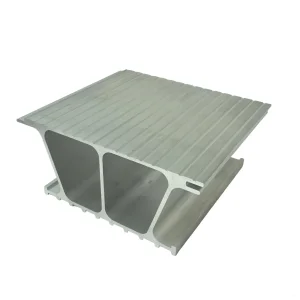
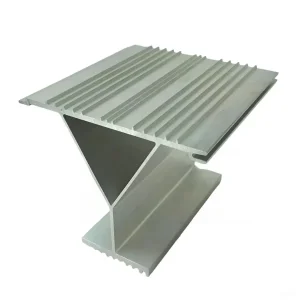
Aluminum alloy profiles (like 6061-T6 or 6082-T6) offer a high strength-to-weight ratio, reducing the load on cantilevered helideck structures. Additionally, aluminum naturally forms a protective oxide layer that resists corrosion in salty marine environments, lowering maintenance costs compared to heavy structural steel.
We use high-grade aluminum sourced from Fenglu, processed using our large-scale extrusion machinery (ranging up to 20,000T capacity). We carry out regular quality control tests, including drop tests with a 100 kg weight, to make sure every net meets strict civil aviation and maritime safety regulations before shipping.
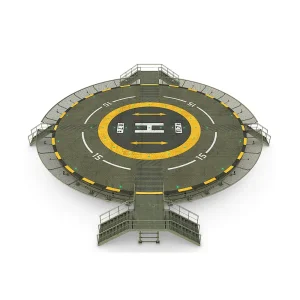
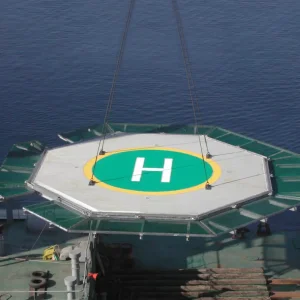
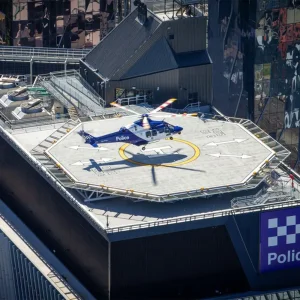
Yes. Our engineering team can customize the frames to fit irregular helipad shapes, octagonal decks, or historic rooftop landing zones. We adapt the mounting brackets to fit existing structures without compromising the integrity of the safety net system.
Our manufacturing facility is ISO9001:2015 certified, and we hold specialized certificates for aerospace-grade aluminum. We can supply complete material traceability reports (MTRs) and structural calculations to support approvals from organizations like the FAA, EASA, and marine classification societies.
Complete your platform layout with our high-grade aluminum profiles and rooftop rescue accessories.
 LvXing