China Mosquito Net For Sliding Windows Manufacturers & Factory

Premium Architectural Mesh Systems, High-Strength Extruded Aluminum Frames, and Customized Industrial Screening Solutions.

Welcome to Lvxing: Specialized Aluminum & Architectural Solutions

LVXING, SPECIALIZES IN ALUMINUM SOLUTIONS.

Established in 2015 and located in Foshan City, Guangdong, LvXing Intelligent Equipment Co., Ltd. boasts a skilled R&D team with extensive experience. We leverage exceptional technical expertise to effectively transform customers' ideas into reality, consistently meeting their precise requirements.

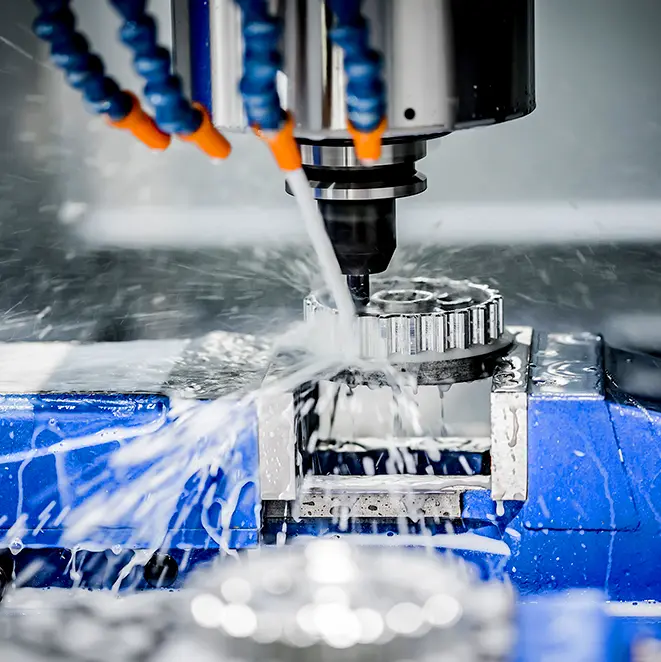
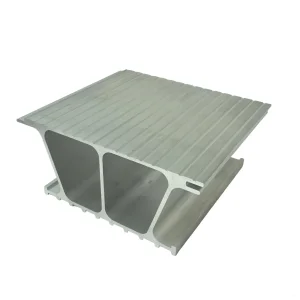
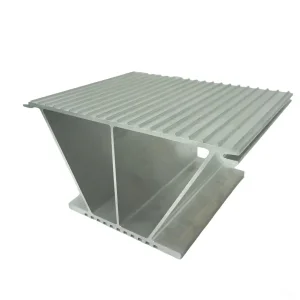
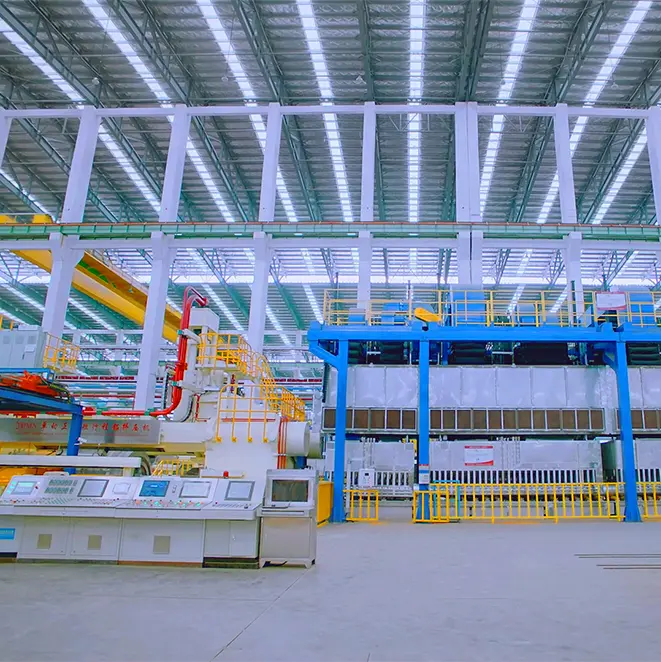
We utilize premium Fenglu aluminum, offering a diverse range of profiles for flexible applications. Our extrusion lines, ranging from 800T to 20,000T, accommodate alloys 1xxx, 2xxx, 3xxx, 5xxx, 6xxx, and 7xxx, allowing us to produce shaped products with section dimensions up to 1.2 meters in width and 28 meters in length. These products are recognized for their precision and meticulous processing, finding broad application in aerospace, military, medical, and industrial sectors.

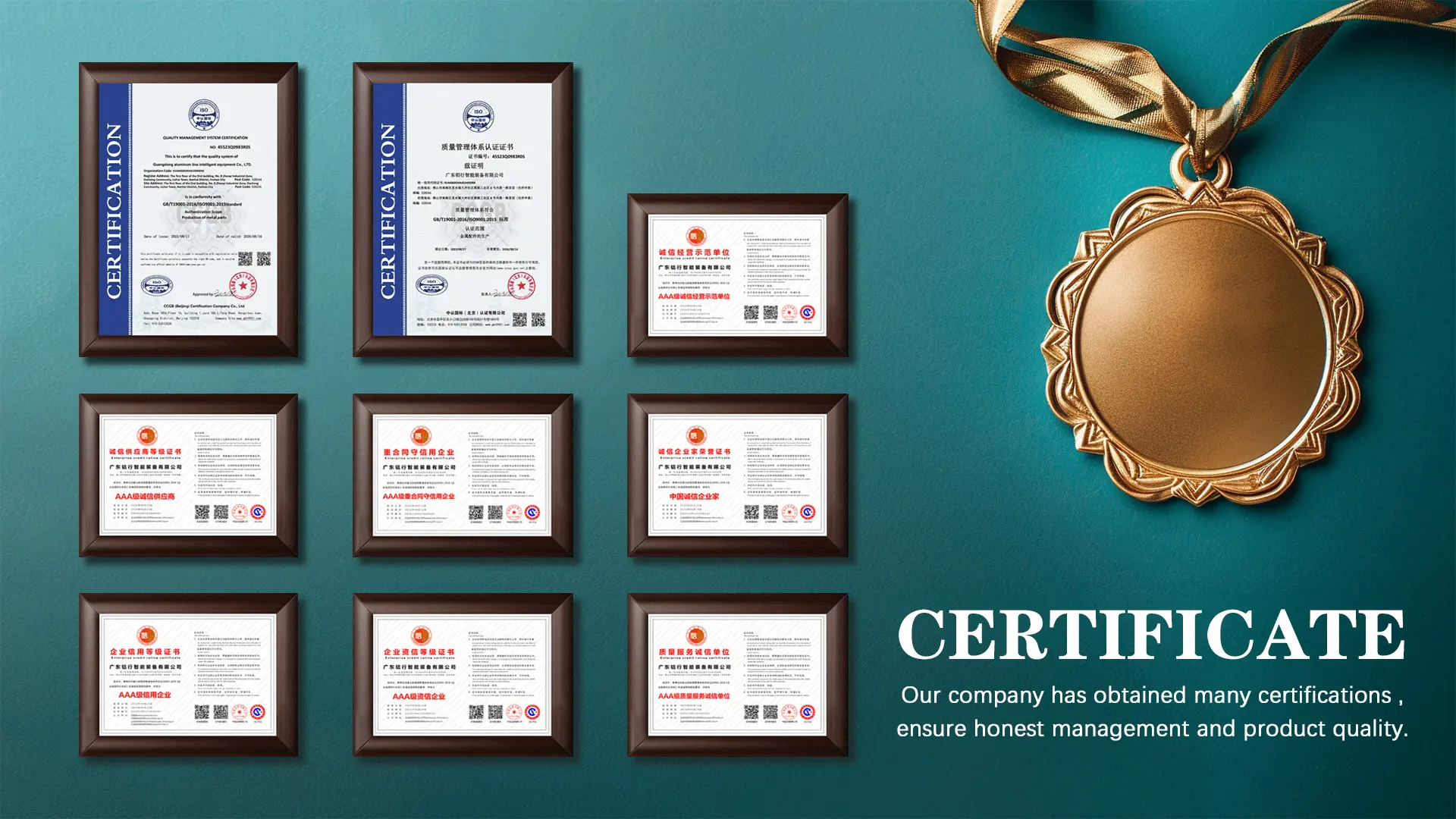
Our commitment to excellence is evident throughout the manufacturing process, rigorous quality control, thorough packaging, and efficient shipping procedures. This dedication has earned us recognition as a national excellent and honest enterprise, along with quality system certification in accordance with GB/T19001-2016/ISO9001:2015 standards. We aspire to be your trusted business partner and warmly invite you to visit our factory.
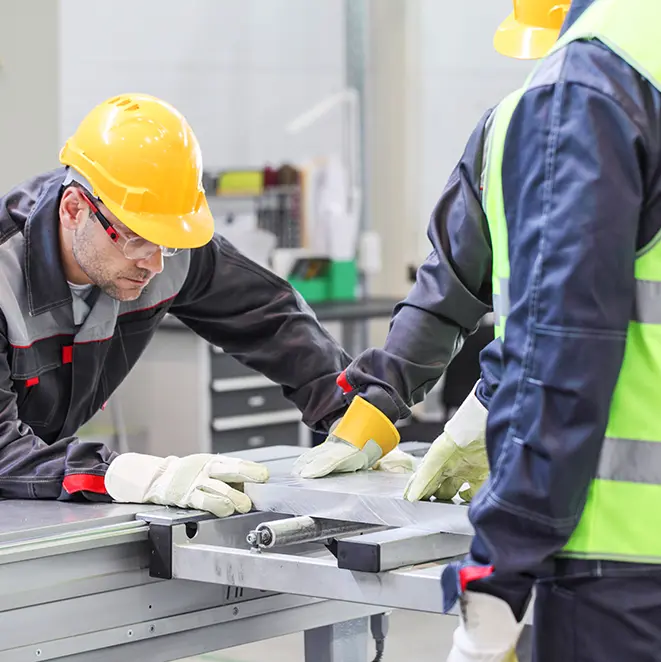
LvXing Manufacturing Facility

High-Performance Window Screen Solutions for Modern Architecture

Bridging industrial-strength engineering with residential protection needs to secure living and workspaces against pests, solar heat, and forced entry.

High-Tensile Security

Leveraging structural-grade aluminum profiles to ensure our sliding window screens resist external physical forces, protecting occupants from falls and intruders.

Precision Metallurgy

Formulated with premium Fenglu aluminum alloys (6063-T5/T6) to deliver optimum corrosion resistance and tensile strength across all climate profiles.

Eco & Energy Efficient

Reduces reliance on HVAC units by maximizing natural cross-ventilation while blocking up to 60% of direct solar heat gain through advanced mesh geometries.

The Macro-Architectural Demand for Sliding Window Mosquito Net Systems

As vertical urban development accelerates worldwide, modern multi-family residential structures and commercial complexes rely heavily on sliding window systems. Sliding configurations offer excellent space optimization but present unique challenges regarding insect prevention, child safety, and cross-ventilation maintenance. In tropical and subtropical climates, mosquito-borne pathogens (such as Dengue, Zika, and Malaria) elevate the mosquito net from a simple comfort accessory to a critical public health infrastructure component.

Historically, sliding window mosquito nets were treated as temporary screen fixtures with high failure rates under mechanical wind loads. Today's building standards demand integrated, durable, and structurally sound systems. As a leading manufacturer based in Foshan, China's metal extrusion capital, LvXing Intelligent Equipment merges industrial aerospace metallurgy with architectural screening. Our sliding window mosquito screens are engineered to handle high wind pressures in high-rise buildings and resist structural deformations, utilizing structural Fenglu aluminum.

Addressing the Global Industrial & Commercial Challenges

For commercial property developers, architects, and international distributors, procurement of bulk sliding window screens is often compromised by poor material consistency and non-compliance with building codes. Common challenges include:

  • Frame Sagging and Track Friction: Oversized sliding panels require exceptional rigidity. Low-grade aluminum extrusions warp over time, leading to stuck rollers and compromised seals.
  • Corrosive Deterioration in Coastal Zones: Salt spray accelerates standard mesh degradation. Marine-grade stainless steel (SS316) combined with PVDF-coated aluminum frames is essential to prevent galvanic corrosion.
  • Aesthetic Incompatibility: Modern minimalist architectural designs demand slim sightlines without sacrificing security or mesh tension.

LvXing overcomes these barriers by utilizing premium extrusion presses up to 20,000T, producing monolithic, high-precision window frame profiles that maintain structural integrity across expansive openings (widths up to 1.2 meters, lengths up to 28 meters). Our ISO9001:2015 quality-controlled processes ensure that every batch of sliding window screens exhibits zero-defect tolerance.

20,000T
Max Extrusion Capacity
15+ Yrs
Engineering R&D Experience
ISO9001
Quality Assurance Certified
100%
Fenglu Virgin Aluminum

Engineering Specifications & Material Science

How we apply industrial, aerospace, and safety net methodologies to optimize architectural screening profiles.

Material Composition & Structural Grade Profile

The backbone of any premium sliding window mosquito screen is its structural alloy. LvXing employs 6000-series aluminum (6063-T5, 6063-T6, and 6061-T6) supplied directly by Fenglu, a leading global aluminum brand. Our industrial processes ensure optimal heat treatment to maximize structural yield strength:

Profile Metric / Spec Residential Standard Screen LvXing Architectural Grade LvXing Heavy-Duty Security Mesh
Aluminum Alloy 6063-T4 / Recycled Scrap 6063-T5 Virgin Fenglu 6061-T6 / 6082 Aerospace Grade
Wall Thickness 0.6mm - 0.8mm 1.2mm - 1.5mm 2.0mm - 3.0mm
Mesh Raw Material Basic Fiberglass / Nylon High-Tension Al-Mg Wire Mesh Marine Grade SS316 Black Coated Mesh
Wind Pressure Resistance < 1.5 kPa 3.0 - 4.5 kPa > 6.0 kPa (Typhoon Resistant)
Surface Finish Options Standard Spray Paint Anodized / AkzoNobel Powder Coat PVDF Fluorocarbon Fluorine Coating

Industrial Applications: Beyond Insect Screening

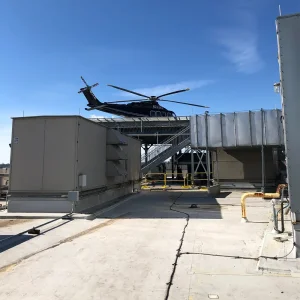
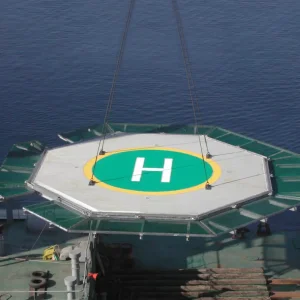
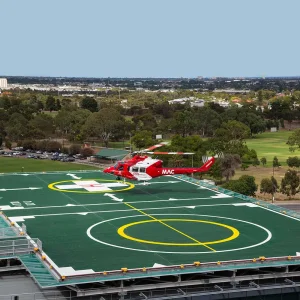
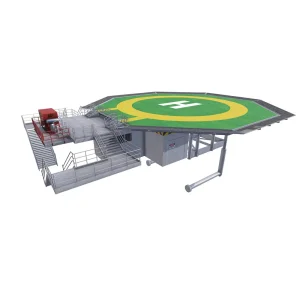
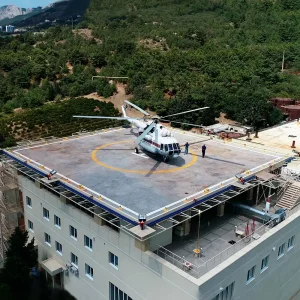
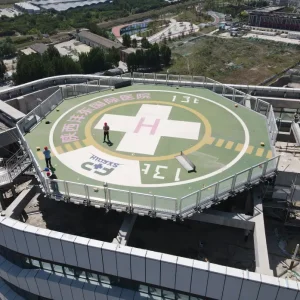
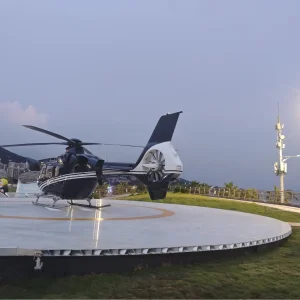
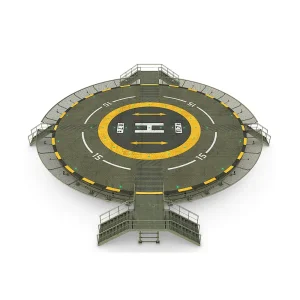
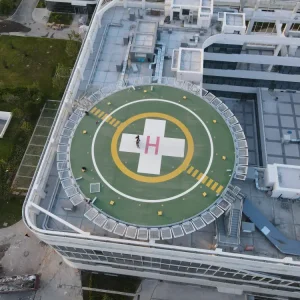
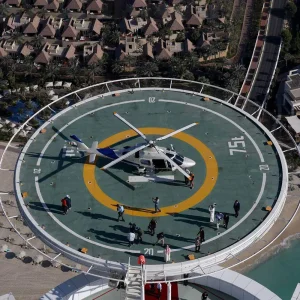
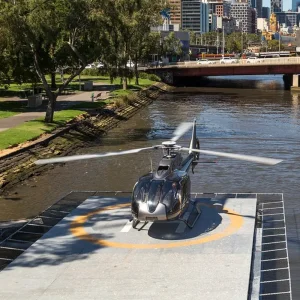
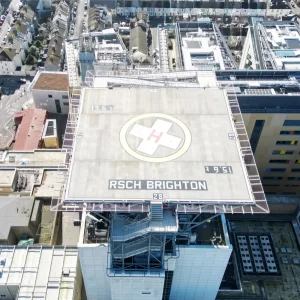
Due to our lineage in manufacturing heavy-duty structures like aluminum helipads and high-tension perimeter safety nets, our engineering division implements similar structural parameters in our sliding window screens.

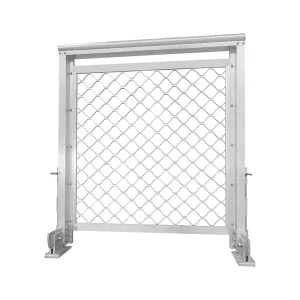
For example, in coastal regions experiencing typhoons, a standard mosquito screen will rip out of its tracks or tear, causing potential danger. LvXing's security mesh sliding systems utilize structural splines, secure locking mechanisms, and high-tension wire meshes, functioning as insect barriers and safety nets that prevent accidental falls from high-rise buildings.

Localized Applications Across Global Environments

  • Coastal & Offshore Projects (e.g., Caribbean, Mediterranean resorts): Employs our marine-grade, PVDF-treated sliding systems. The resistance matches our offshore marine deck helipads, ensuring zero rusting, pitting, or wire degradation for up to 15 years under direct salt exposure.
  • Urban High-Density High-Rises (e.g., Hong Kong, Singapore, New York): Integrates heavy-duty, double-sliding tracks with child-proof locking systems. Prevents incidents of children or pets pushing against the mesh screen, meeting local high-rise safety regulations.
  • Industrial Agricultural Facilities & Livestock Barns: Requires micro-mesh screening with robust structural support to handle heavy biological loads and debris while ensuring continuous cross-ventilation.

Our Competitive Edge: Why Architects & Distributors Partner with LvXing

Combining state-of-the-art aluminum extrusion with comprehensive certification and 15+ years of design expertise.

Aerospace Grade Testing
Aerospace Certificate Seal
We have obtained the “Special Aluminium Materials for Aerospace” Certificate. This validation ensures that the metallurgical foundation of our window profile systems meets aerospace tolerances.
Extrusion Line Capacity
Fenglu Profile Standard
We provide and utilize high-quality Fenglu aluminum profiles. With extrusion lines ranging from 800T to 20,000T, we can produce alloys 1xxx, 2xxx, 3xxx, 5xxx, 6xxx, and 7xxx. We can manufacture fully shaped products with section dimensions up to 1.2 meters in width or 28 meters in length.
Technical Engineering Team
Engineering Team Badge
We have a team of technicians with 15 years of invaluable experience. Our deep understanding of customer requirements allows us to identify potential issues and offer practical insights, turning customer ideas into tangible products that meet specific needs.

Technical Roadmap & Future Outlook (2025-2030)

As building automation and smart city concepts integrate into everyday design, the humble window screen is evolving. LvXing is currently developing the next generation of screening solutions:

  1. Electrostatic Micro-Fiber Mesh: Integrated with electrostatic charges that actively repel micro-particulates, smog, and fine pollen without restricting incoming fresh air.
  2. Automated Motorized Sliding Integration: Smart screens that sync with home automation systems, automatically closing during rainstorms or high wind events, using our low-friction precision track systems.
  3. Zero-Carbon Extrusions: Transitioning our primary alloy sourcing toward certified green aluminum products, utilizing renewable energy for smelting and extruding to support global green building initiatives (LEED/BREEAM).

Local Support, Quality Audits & Compliance

We support our global supply chain partners with comprehensive material tracing, compliance certificates, and shipping support:

  • Structural Verification: Wind-load testing reports according to ASTM and European EN standards.
  • ISO Certification: Factory operations run strictly under GB/T19001-2016 / ISO9001:2015.
  • On-site Audits: We welcome third-party inspections (SGS, TUV) prior to container loading at our Foshan facility.

Frequently Asked Questions & Project Guidance

In-depth technical clarifications regarding bulk screen customization, sizing, installation, and raw materials.

1. Why should we choose extruded aluminum over plastic or wood for sliding window screens?
Extruded aluminum (specifically alloys like 6063-T5) offers unmatched structural longevity, weather resistance, and strength-to-weight ratios. Unlike plastic, it does not degrade under UV exposure, and unlike wood, it does not rot or warp. High-strength aluminum frames maintain their structural geometry, ensuring smooth sliding track operations without frame deflection or sticking.
2. Can your sliding window screens handle typhoon-level wind loads in high-rise buildings?
Yes. By employing structural engineering methodologies derived from our helideck and safety net lines, we manufacture screens with wall thicknesses up to 2.0mm and high-tension stainless steel wire mesh. These systems are rated to withstand extreme positive and negative wind pressures, ensuring they remain secure in high-altitude installations.
3. What is the difference between standard fiberglass mesh and marine-grade stainless steel mesh?
Fiberglass mesh is cost-effective and provides basic insect protection but is easily torn and degrades over time. Marine-grade stainless steel mesh (SS316) is highly durable, slash-proof, resists pet claw damage, and does not corrode in high-salinity coastal environments, doubling as an insect screen and a physical security barrier.
4. What customizations do you offer for large commercial developments?
We provide full custom extrusion services utilizing our 800T to 20,000T press lines. We customize frame thicknesses, colors (using AkzoNobel powder coating or anodizing), track systems (single, double, or triple sliding channels), and specialize in large-format panels (up to 1.2 meters wide) without mid-rail supports.
5. How do you guarantee the quality of raw materials, specifically aluminum?
We strictly source virgin aluminum ingots from Fenglu, a premier Chinese manufacturer. We reject recycled scrap and provide metallurgical test certificates, chemical composition analysis, and mechanical properties testing for every batch of profiles extruded.
6. How are orders packaged to prevent damage during long-distance maritime shipping?
Every aluminum profile is protected with a protective film. Bundles are wrapped in heavy-duty craft paper or heat-shrink film. For finished screens and delicate meshes, we pack them in reinforced wooden crates with internal padding to prevent shifting and surface scratches during sea transit.