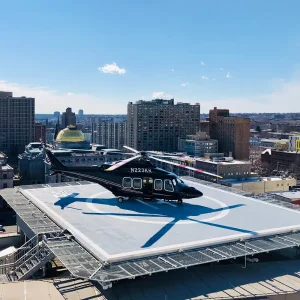
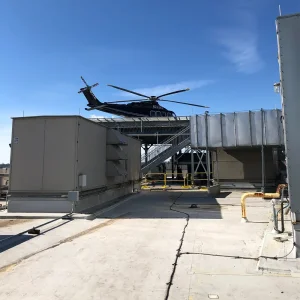
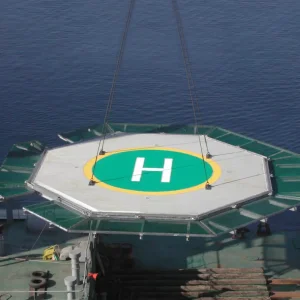
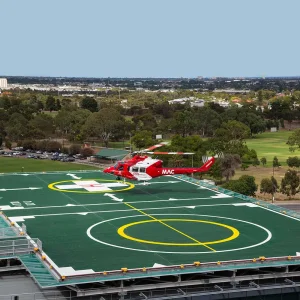
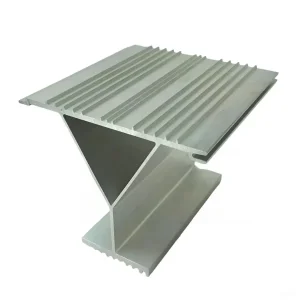
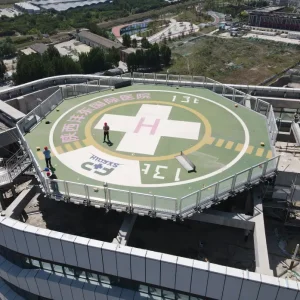
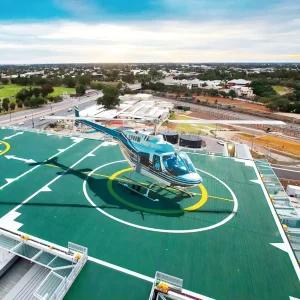
Explore our premium grade aluminum extrusion profiles, helideck installation systems, and specialized industrial structures built to extreme quality ratings.
Stepper motors operate as the bedrock of modern digital motion systems, translating electrical pulses into discrete angular increments with exceptional accuracy. At the heart of this performance lies the stepper motor rotor magnet. In hybrid stepper configurations, the rotor magnet is sandwiched between two metal pole pieces, demanding flawless concentricity, uniform magnetic field distribution, and high magnetic energy density.
As automation scales globally across industrial 4.0 systems, robotics, CNC machinery, and high-speed medical devices, the requirements placed on rotor magnet manufacturers have reached extreme levels of precision. Not only must the magnets exhibit superior remanence (Br) and high intrinsic coercivity (Hcj), but they also require matching with precision-engineered outer housings and structural support modules to avoid magnetic drift and mechanical failures under continuous high-temperature operating conditions.
Recognizing the synergy between permanent magnets and their structural enclosures, modern manufacturing paradigms emphasize the synchronization of high-precision metallurgy with premium aluminum casing extrusions to deliver integrated electromechanical excellence.
An in-depth look at magnetic compositions, thermal characteristics, and alignment techniques that dictate motor torque density and step accuracy.
The industry gold standard for maximum torque output. Offers a high energy product ((BH)max up to 52 MGOe), allowing for compact stepper motor designs with high dynamic response.
Enables complex, net-shape rings with multi-pole radial magnetization profiles. Reduces assembly costs and minimizes eddy current losses at high operational frequencies.
Reserved for extreme aerospace, military, and heavy-duty industrial actuator environments. Maintains outstanding magnetic performance in temperatures exceeding 300°C.
A critical advancement in stepper motor technology is the transition from simple single-pole magnetization to high-precision radial multi-pole magnetization rings. Radial multi-pole rings drastically reduce the total harmonic distortion (THD) of the rotor's back EMF, leading to a smoother output torque profile with minimal detent and cogging torque. Achieving this requires extremely precise manufacturing tolerances, state-of-the-art magnetizing fixtures, and high-voltage capacitor discharge magnetizers capable of producing uniform flux densities across dozens of microscopic poles.
Rotor magnets in industrial stepper motors often endure harsh temperature spikes due to continuous power delivery. Manufacturers must address the critical temperature (Tc) and the maximum operating temperature (Tmax) of the magnets. Selecting NdFeB grades with Dysprosium (Dy) or Terbium (Tb) grain boundary diffusion (GBD) allows the magnet to survive high temperatures (up to 220°C in UH/EH grades) without suffering irreversible demagnetization, ensuring decade-long operational reliability.
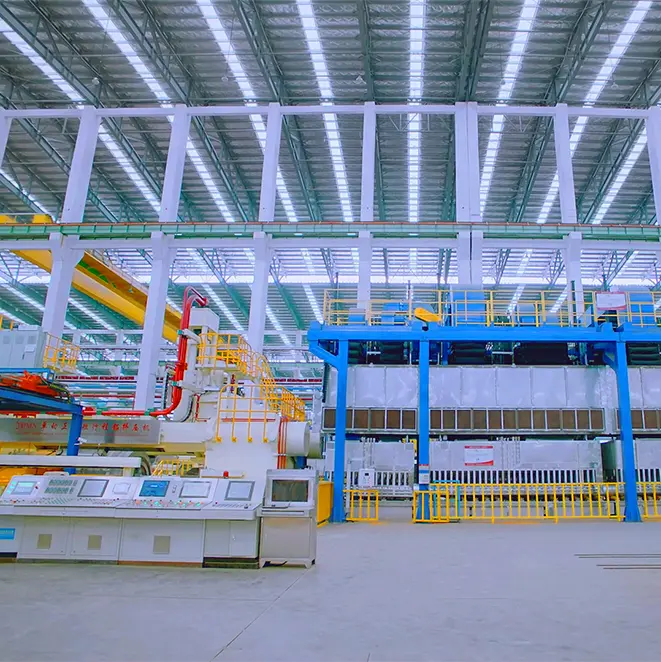
Established in 2015 and located in Foshan City, Guangdong, LvXing Intelligent Equipment Co., Ltd. boasts a skilled R&D team with extensive experience. We leverage exceptional technical expertise to effectively transform customers' ideas into reality, consistently meeting their precise requirements.
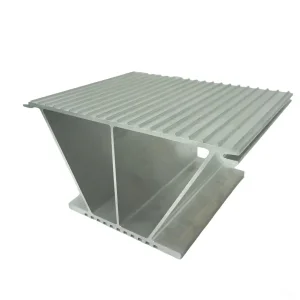
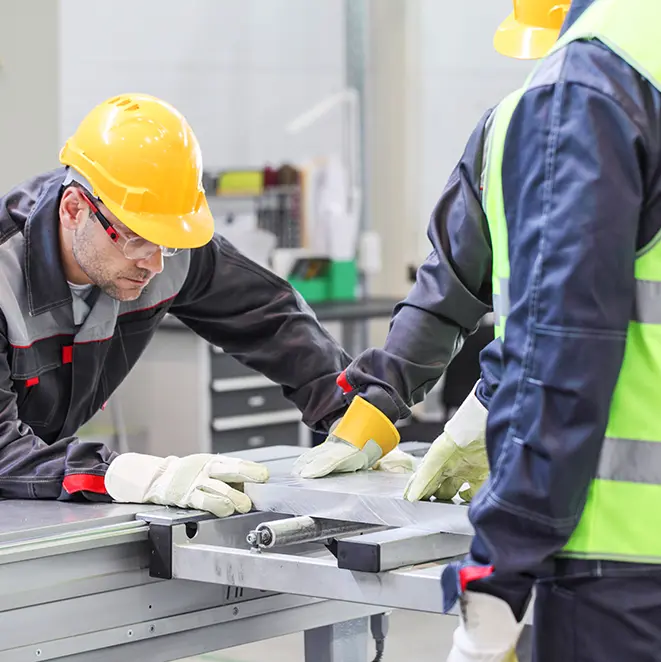
We utilize premium Fenglu aluminum, offering a diverse range of profiles for flexible applications. Our extrusion lines, ranging from 800T to 20,000T, accommodate alloys 1xxx, 2xxx, 3xxx, 5xxx, 6xxx, and 7xxx, allowing us to produce shaped products with section dimensions up to 1.2 meters in width and 28 meters in length. These products are recognized for their precision and meticulous processing, finding broad application in aerospace, military, medical, and industrial sectors.
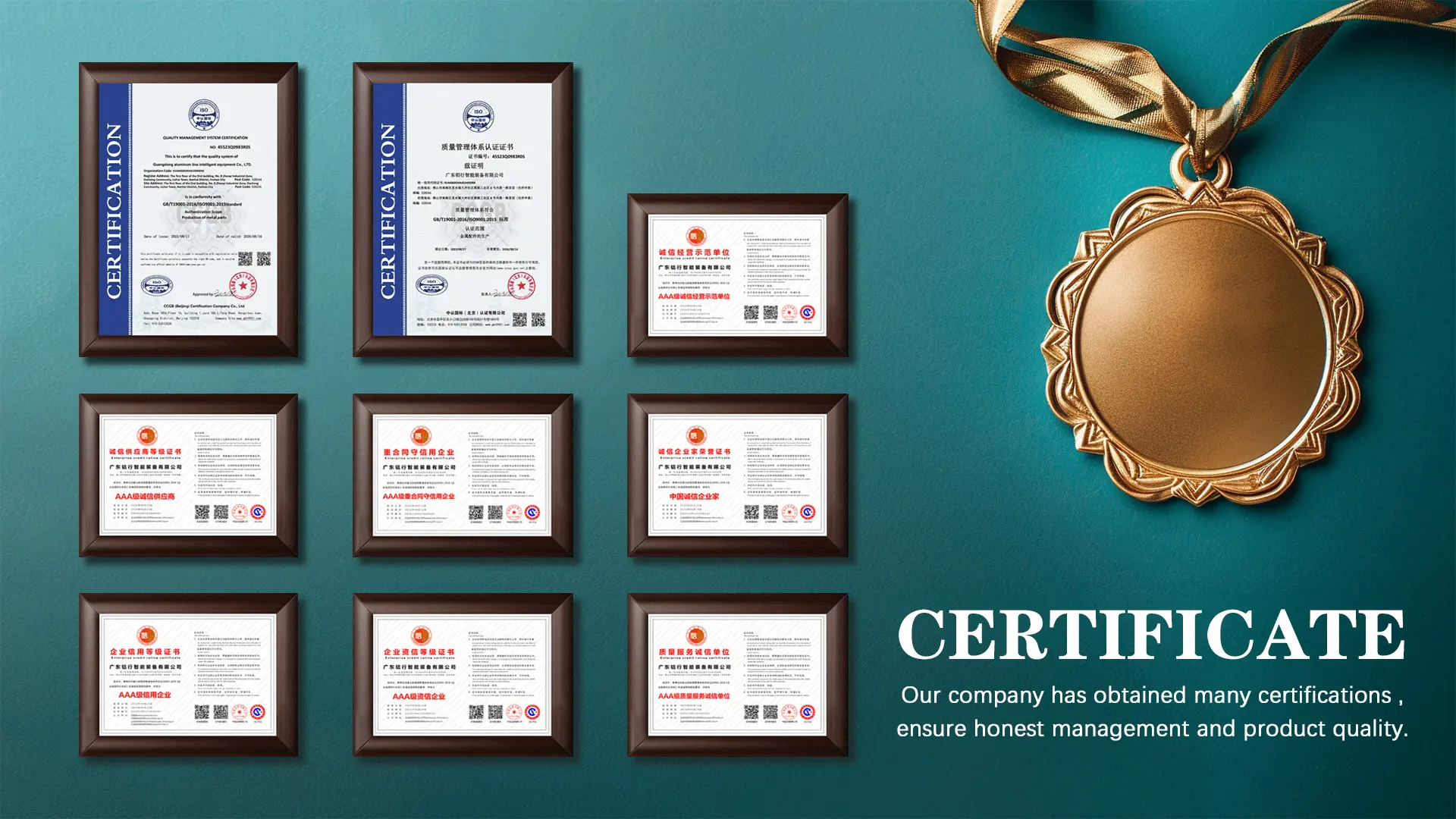
Our commitment to excellence is evident throughout the manufacturing process, rigorous quality control, thorough packaging, and efficient shipping procedures. This dedication has earned us recognition as a national excellent and honest enterprise, along with quality system certification in accordance with GB/T19001-2016/ISO9001:2015 standards.
We aspire to be your trusted business partner and warmly invite you to visit our factory.
We have obtained the “Special Aluminium Materials for Aerospace” Certificate.
We provide and utilize high-quality Fenglu aluminum profiles. With extrusion lines ranging from 800T to 20,000T, we can produce alloys 1xxx, 2xxx, 3xxx, 5xxx, 6xxx, and 7xxx. We can manufacture fully shaped products with section dimensions up to 1.2 meters in width or 28 meters in length.
We have a team of technicians with 15 years of invaluable experience. Our deep understanding of customer requirements allows us to identify potential issues and offer practical insights, turning customer ideas into tangible products that meet specific needs.
China is home to the world's most robust rare-earth supply chain, housing over 80% of global permanent magnet production capacity. This concentration of raw material resources, refining facilities, and specialized manufacturing plants yields distinct advantages for global OEMs looking to source stepper motor rotor magnets.
By sourcing directly from primary metallurgical clusters in regions like Guangdong and Zhejiang, manufacturers bypass international raw material export markups. This ensures pricing stability and a continuous supply of essential rare-earth minerals like Neodymium, Dysprosium, and Praseodymium.
Chinese magnet manufacturers work hand-in-hand with state-certified testing laboratories and high-end extrusion suppliers (such as Foshan's premier industrial aluminum clusters) to build comprehensive structural casing, rotor, and stator systems in record turnaround times.
A massive push is underway to reduce reliance on heavy rare earths like Dysprosium (Dy) and Terbium (Tb) without sacrificing thermal resistance. Innovative methods such as *Grain Boundary Diffusion (GBD)* apply these costly elements strictly to the boundaries of NdFeB crystals rather than distributing them throughout the entire magnet. This significantly lowers raw material costs while keeping coercivity high. Additionally, modern manufacturing processes focus heavily on recycling scrap material during the slicing and grinding phases, aligning with strict global environmental mandates (RoHS and REACH).
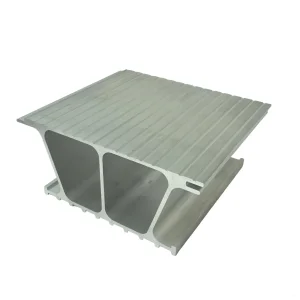
Stepper motors cannot operate in isolation; they are deeply integrated into larger structures that dictate performance. The mechanical stability of the motor relies on a rigid housing framework to keep the stator and the high-strength rotor magnet in perfect alignment, ensuring an even air gap. Lvxing's expertise in manufacturing high-tolerance aluminum extrusions complements these systems directly, delivering robust frames, mounting tracks, and aerospace-certified enclosures that withstand the intense dynamic forces generated by stepper motor assemblies.
Utilizing specialized aerospace aluminum profiles and high-coercivity Samarium Cobalt (SmCo) magnets to ensure actuator systems function perfectly under extreme G-forces, altitude changes, and sub-zero temperatures.
Powering electronic throttle valves, HVAC actuator flaps, and steering feedback systems with highly reliable, bonded NdFeB rings engineered to withstand severe under-hood thermal cycles.
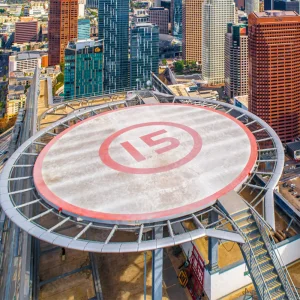
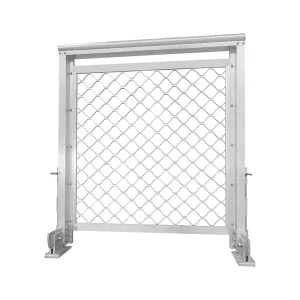
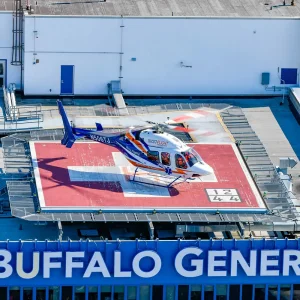
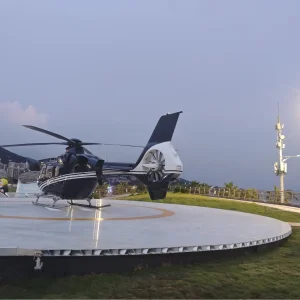
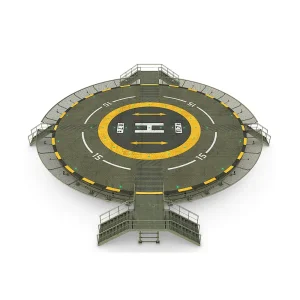
Integrating dynamic structural platforms—like customized aluminum alloy helipad profiles and perimeter safety nets—with remote-controlled drive units that rely on robust stepper motor systems to handle tough outdoor weather conditions.
Technical answers to the most common queries from design engineers and procurement teams regarding rotor magnet technology.
Browse our extensive selection of helicopter landing structures, rooftop aluminum systems, and custom extruded alloy products.
 LvXing