Explore our premium custom aerospace, marine-grade, and industrial heavy-duty connection modules engineered for high mechanical integrity.
Aluminum profile corners, also commonly termed corner connectors, structural brackets, or joint profiles, serve as the mechanical backbone of modular architectural frameworks, high-stress heavy machine framing, marine structures, and high-strength aviation installations. Globally, the demand for precise corner elements has surged as engineering disciplines transition away from traditional welding to modular, high-tolerance mechanical joints. Welding not only introduces heat-affected zones (HAZ) that weaken the intrinsic properties of alloys like 6082-T6 and 7075, but also increases shipping volumes and installation complexities.
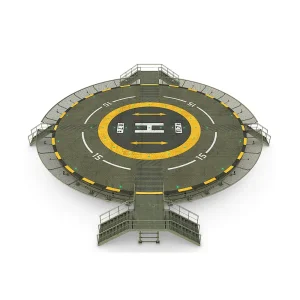
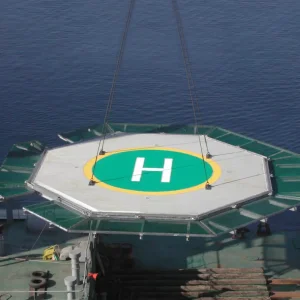
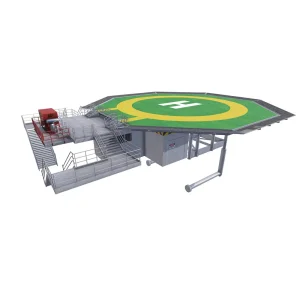
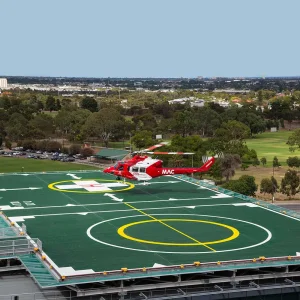
By leveraging precisely milled or extruded aluminum profile corners, engineers can execute perfectly aligned, tension-secure joints capable of handling vast dynamic wind shear loads, seismic fluctuations, and heavy structural stresses. This is particularly crucial in critical operations such as offshore helicopter landing platforms (helidecks), where profiles must maintain structural rigidity under corrosive ocean air and repetitive, high-impact helicopter landings. Industrial systems rely on these specialized profile corners to secure load paths without sacrificing dimensional accuracy.
Advanced joint design shifts structural fatigue away from the primary extrusion profile onto high-strength, replaceable corner units. This maximizes framework longevity and significantly reduces maintenance overheads across offshore platforms and skyscrapers.
Utilizing high-end CNC machining centers, our factories control structural angular tolerances to within 0.05 degrees, facilitating ultra-tight architectural facade alignments and perfect seal integrity.
Established in 2015 and located in Foshan City, Guangdong, LvXing Intelligent Equipment Co., Ltd. boasts a skilled R&D team with extensive experience. We leverage exceptional technical expertise to effectively transform customers' ideas into reality, consistently meeting their precise requirements.
We utilize premium Fenglu aluminum, offering a diverse range of profiles for flexible applications. Our extrusion lines, ranging from 800T to 20,000T, accommodate alloys 1xxx, 2xxx, 3xxx, 5xxx, 6xxx, and 7xxx, allowing us to produce shaped products with section dimensions up to 1.2 meters in width and 28 meters in length. These products are recognized for their precision and meticulous processing, finding broad application in aerospace, military, medical, and industrial sectors.
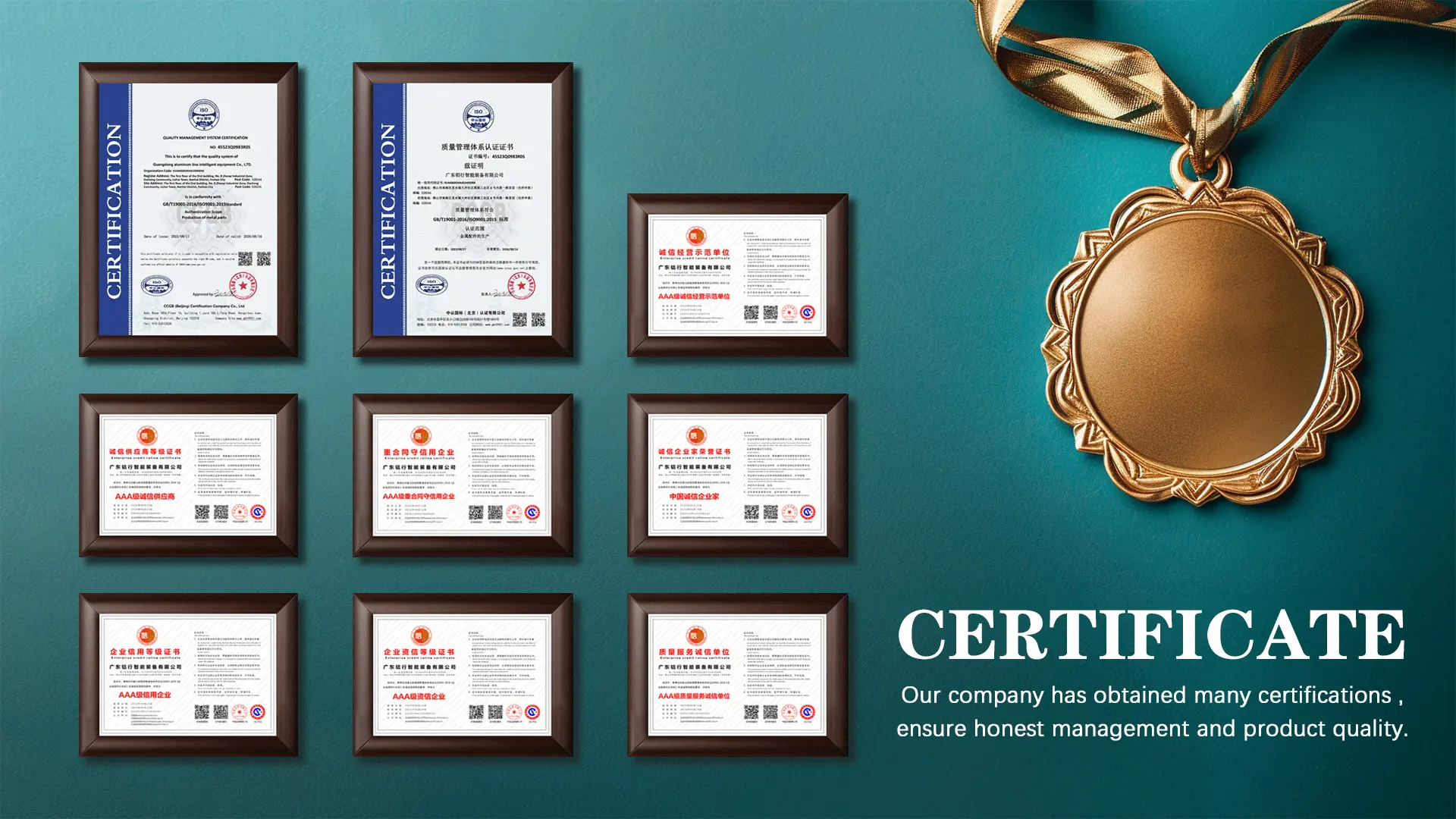
Our commitment to excellence is evident throughout the manufacturing process, rigorous quality control, thorough packaging, and efficient shipping procedures. This dedication has earned us recognition as a national excellent and honest enterprise, along with quality system certification in accordance with GB/T19001-2016/ISO9001:2015 standards.
China's extrusion cluster in Foshan, Guangdong, represents the zenith of vertical manufacturing integration. LvXing Intelligent Equipment coordinates raw material sourcing, die-designing, customized high-power extrusion, and structural surface coating under one streamlined ecosystem. The capability to transition from 800T lines for small, intricate connector components to our massive 20,000T extrusion line for massive structural nodes represents an unmatched level of scalability.
By employing premium Fenglu aluminum raw billets, we ensure that our alloy composites have zero internal porosity, preventing brittle failures at high-stress structural corners. In addition, our manufacturing efficiency translates to faster lead times, enabling custom mold creation and sample prototyping within 10 to 14 days, compared to the 6 to 8 weeks standard in Western domestic markets. This drastic lead-time reduction is essential for large-scale urban skyscraper and maritime projects that cannot afford staging bottlenecks.
Furthermore, our rigorous testing procedures—including ultrasonic weld-line scanning, Coordinate Measuring Machine (CMM) dimensional checks, and tensile strain analysis—guarantee compliance with American (ASTM) and European (EN) extrusion standards. Our certification under GB/T19001-2016/ISO9001:2015 isn't just a plaque; it is a systematically enforced process loop that controls temperature, speed, quenching, and artificial aging to deliver unmatched mechanical predictability in every single batch of custom corner profiles.
Engineering competence backed by heavy equipment, accredited aerospace standards, and a 15-year veteran R&D team.
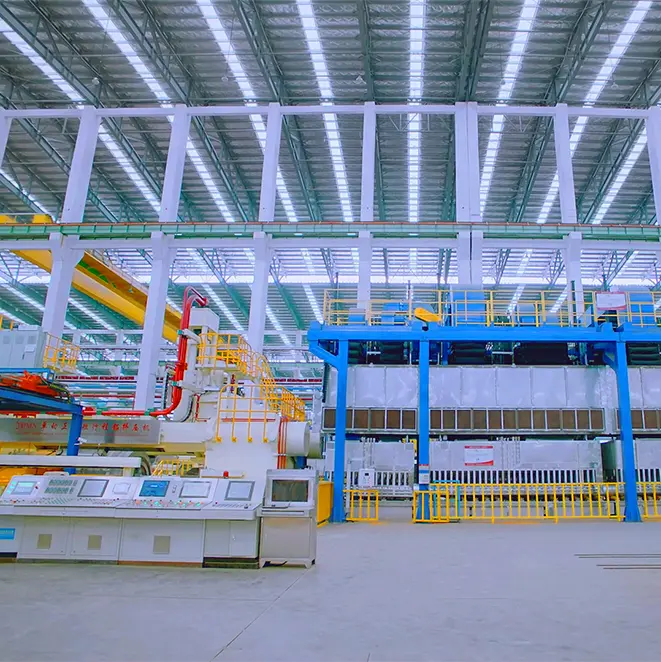

We have obtained the “Special Aluminium Materials for Aerospace” Certificate, ensuring compliance with military and civil aviation safety parameters.
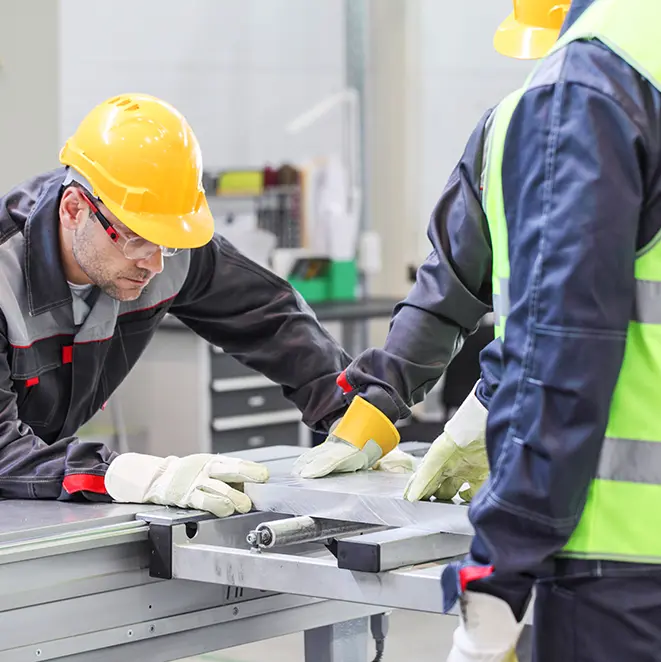

We provide and utilize high-quality Fenglu aluminum profiles. With extrusion lines ranging from 800T to 20,000T, we can produce alloys 1xxx, 2xxx, 3xxx, 5xxx, 6xxx, and 7xxx. We can manufacture fully shaped products with section dimensions up to 1.2 meters in width or 28 meters in length.
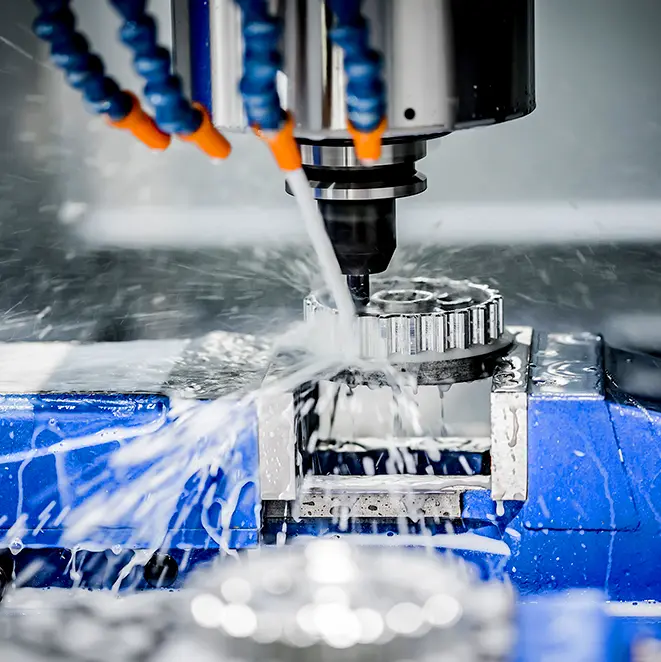

We have a team of technicians with 15 years of invaluable experience. Our deep understanding of customer requirements allows us to identify potential issues and offer practical insights, turning customer ideas into tangible products that meet specific needs.
From deep-sea vessels to high-altitude urban facades, our engineering profiles accommodate various specialized applications.
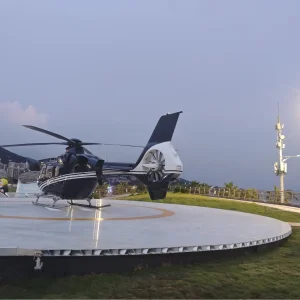
Structural profile corners connect massive support frames of offshore oil rig helidecks and ship decks. These components must withstand continuous salt-spray corrosion, requiring marine-grade 6082-T6 and 5083 anodized solutions to prevent structural breakdown.
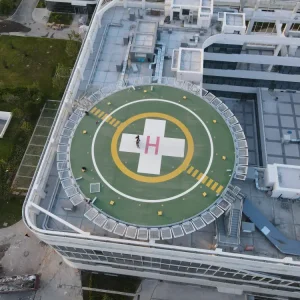
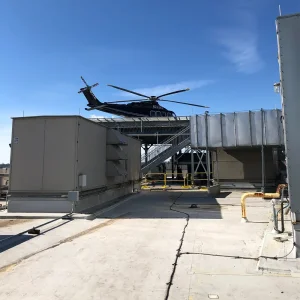
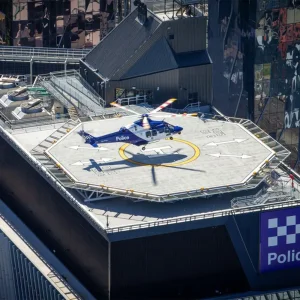
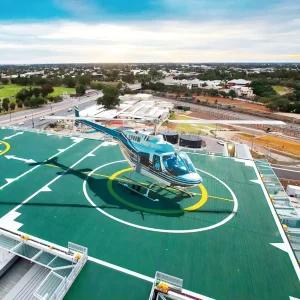
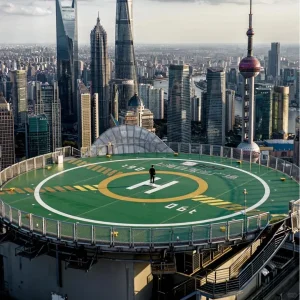
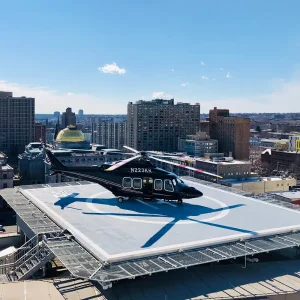
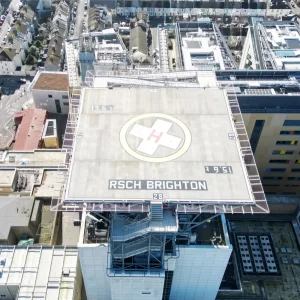
Used extensively in skyscraper and hospital helipads, architectural joint brackets transmit shear force to primary concrete columns. Optimized corners prevent stress concentration, ensuring safety during high-velocity landings and high-altitude winds.
For industrial automation enclosures and heavy-duty robotic framing, these corners offer the necessary rigidity. Their highly precise dimensions allow seamless integrations with standardized T-slot structural frames.
How smart extrusion and environmental initiatives are shaping tomorrow's structural aluminum components.
The global structural aluminum market is undergoing a major evolution centered around sustainability and digital integration. As global procurement officers commit to strict carbon-reduction initiatives, manufacturers must shift toward low-carbon recycled aluminum billets without compromising metallurgical integrity. By optimizing the thermodynamic recovery of high-grade 6xxx and 7xxx alloy scrap, Lvxing Intelligent Equipment reduces greenhouse emissions while keeping final product properties identical to primary billets.
Furthermore, smart profiles equipped with embedded structural sensors are beginning to appear in high-value infrastructure projects like urban bridges and skyscraper helipads. These sensors monitor structural integrity and vibration patterns directly at the profile corners. Because the joints experience the highest concentrations of stress, they serve as the ideal monitoring points to predict micro-fractures, preventing structural damage through early diagnostic data.
For B2B procurement managers, calculating the total cost of ownership (TCO) of custom aluminum profile corners requires an understanding of their underlying cost structure. Typically, pricing is determined using the following formula:
Additionally, custom-designed profiles incur a one-time die/mold tooling fee. Mold development typically ranges from $500 for small, simple structural corner brackets to several thousand dollars for massive, multi-cavity hollow profiles engineered by our 20,000T press. For bulk orders exceeding specific tonnage thresholds, LvXing provides full mold cost amortization schemes, rebate incentives, and flexible delivery options (FOB, CIF, or DDP) to simplify logistics.
To ensure high quality, procurement teams must request detailed material verification documents with every shipment, such as Mill Test Reports (MTR) confirming chemical compositions and mechanical limits. They should also require ultrasonic test reports to confirm there are no internal structural voids. For marine applications, specifying anodic film thickness (typically 15 to 25 microns) or fluorocarbon coating layers is critical to prevent premature filiform corrosion when profiles are deployed in highly saline environments.
Our facility in Foshan simplifies this verification loop by providing in-house spectrometer testing, salt spray chamber simulations, and load deflection tests. This allows us to provide comprehensive compliance certificates alongside all shipments, minimizing customs delay risks and ensuring hassle-free onsite implementation.
Critical answers for structural engineers, procurement executives, and technical designers.
Industrial landing zones and heavy-duty connection profiles optimized for harsh environments.
 LvXing