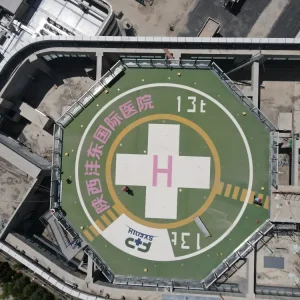
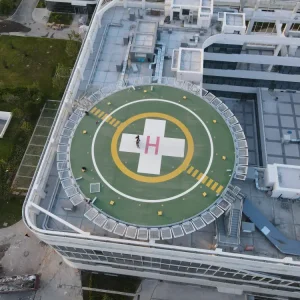
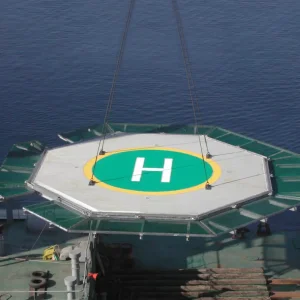
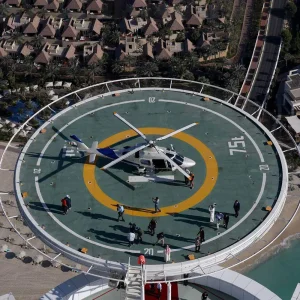
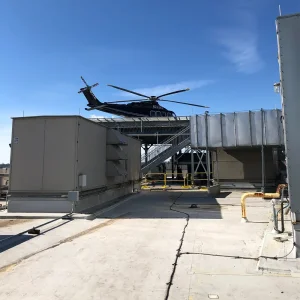
Explore our specialized, high-grade aluminum profiles and customizable landing deck mesh structures engineered for extreme environmental stress.
An analytical breakdown of safety requirements, material science, and manufacturing parameters for offshore and land-based helideck systems.
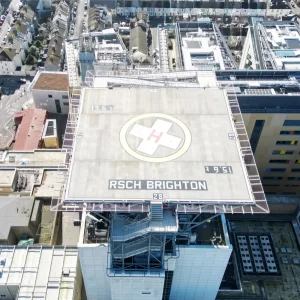
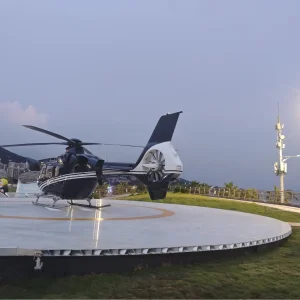
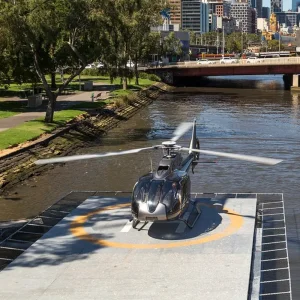
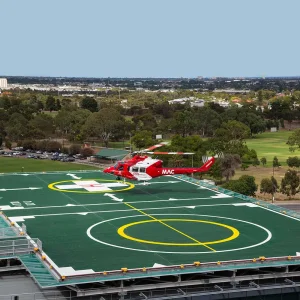
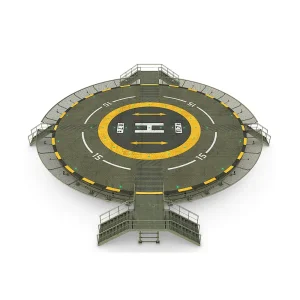
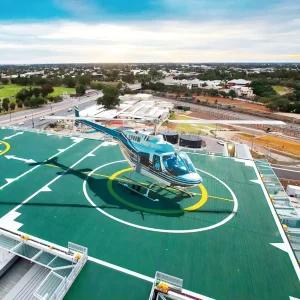
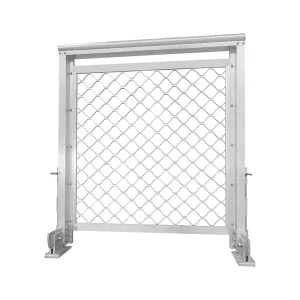
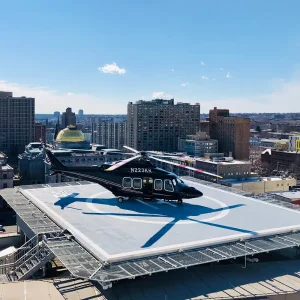
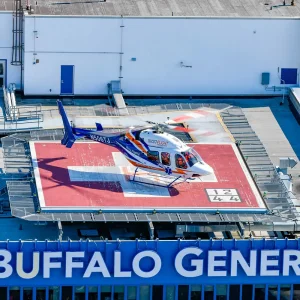
Helicopter landing decks (helidecks) on offshore rigs, vessels, and commercial high-rise buildings operate under high dynamic stress, turbulent wind conditions, and intense environmental exposure. A premium safety system requires more than just structural strength; it requires specialized perimeter safety nets designed to prevent personnel and equipment from falling overboard while causing zero hazard to aircraft operations.
Modern safety guidelines, such as the UK Civil Aviation Authority's CAP 437 (Standards for Offshore Helicopter Landing Areas) and ICAO Annex 14, mandate the installation of high-strength, corrosion-resistant safety mesh around the perimeter of helidecks. These nets must project outwards and slightly upwards, providing an optimal catch area without violating the obstable-free sector of the landing zone.
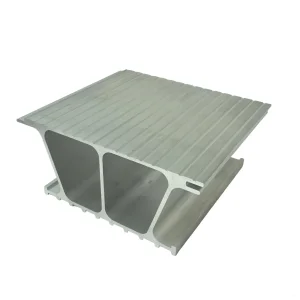
The choice of materials determines the structural integrity and operational life span of a helideck system. While traditional structures relied heavily on steel, modern engineering leans towards marine-grade aluminum alloys due to their high strength-to-weight ratio, outstanding corrosion resistance, and ease of installation.
Alloy options such as 6061-T6 and 6082-T6 are standard in the industry, offering exceptional resistance to pitting corrosion in saltwater environments. Combined with heavy-duty stainless steel wire ropes (typically AISI 316) for safety nets, these materials establish an resilient, low-maintenance barrier capable of absorbing significant impact loads.
Established in 2015 and located in Foshan City, Guangdong, LvXing Intelligent Equipment Co., Ltd. boasts a skilled R&D team with extensive experience. We leverage exceptional technical expertise to effectively transform customers' ideas into reality, consistently meeting their precise requirements.
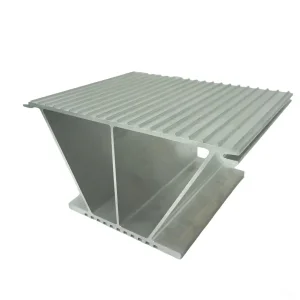
We utilize premium Fenglu aluminum, offering a diverse range of profiles for flexible applications. Our extrusion lines, ranging from 800T to 20,000T, accommodate alloys 1xxx, 2xxx, 3xxx, 5xxx, 6xxx, and 7xxx, allowing us to produce shaped products with section dimensions up to 1.2 meters in width and 28 meters in length. These products are recognized for their precision and meticulous processing, finding broad application in aerospace, military, medical, and industrial sectors.
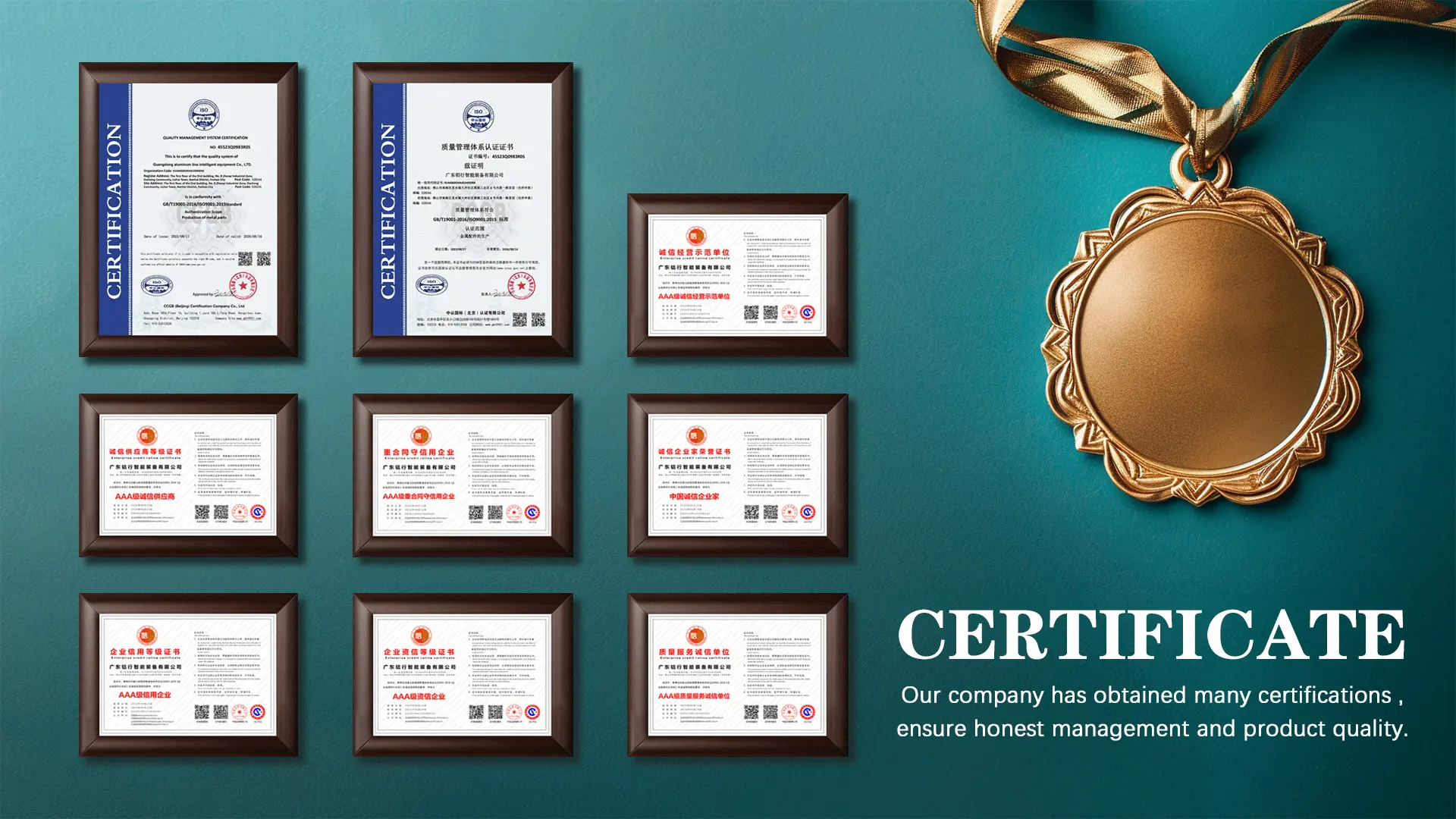
Our commitment to excellence is evident throughout the manufacturing process, rigorous quality control, thorough packaging, and efficient shipping procedures. This dedication has earned us recognition as a national excellent and honest enterprise, along with quality system certification in accordance with GB/T19001-2016/ISO9001:2015 standards.
We aspire to be your trusted business partner and warmly invite you to visit our factory.
Why structural engineers and procurement officers worldwide trust Lvxing for high-performance aviation aluminum solutions.
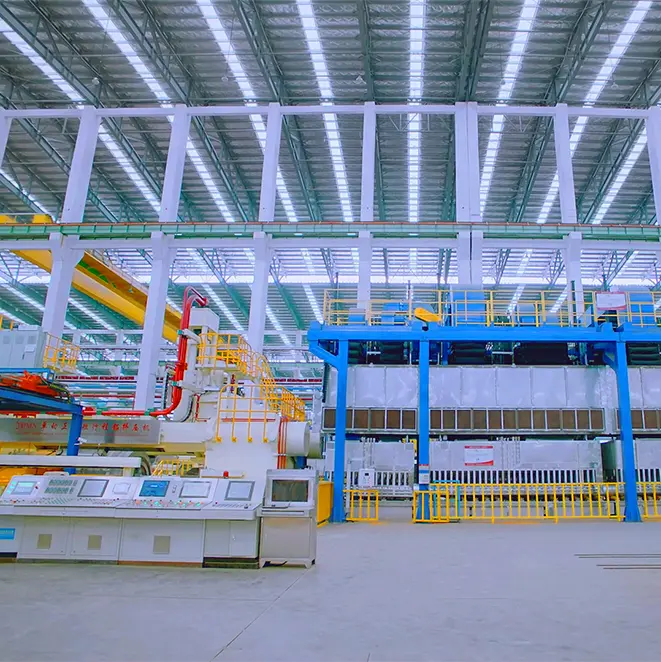
We have obtained the "Special Aluminium Materials for Aerospace" Certificate.

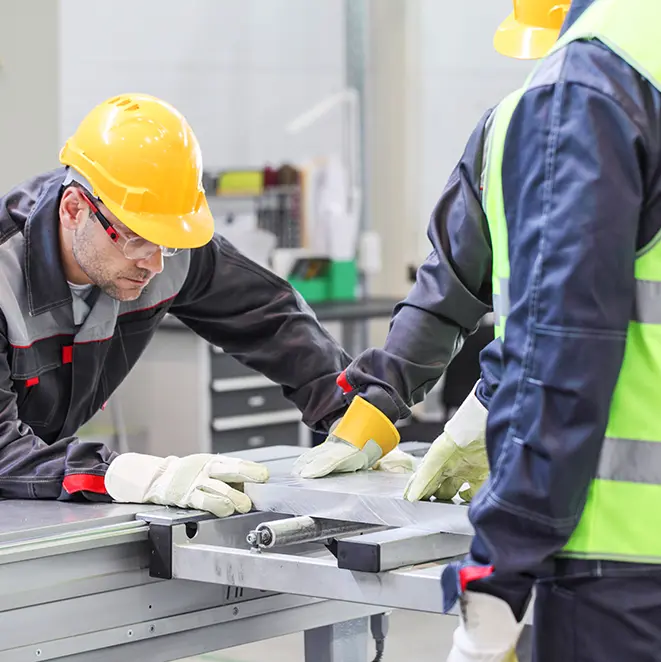
We provide and utilize high-quality Fenglu aluminum profiles. With extrusion lines ranging from 800T to 20,000T, we can produce alloys 1xxx, 2xxx, 3xxx, 5xxx, 6xxx, and 7xxx. We can manufacture fully shaped products with section dimensions up to 1.2 meters in width or 28 meters in length.

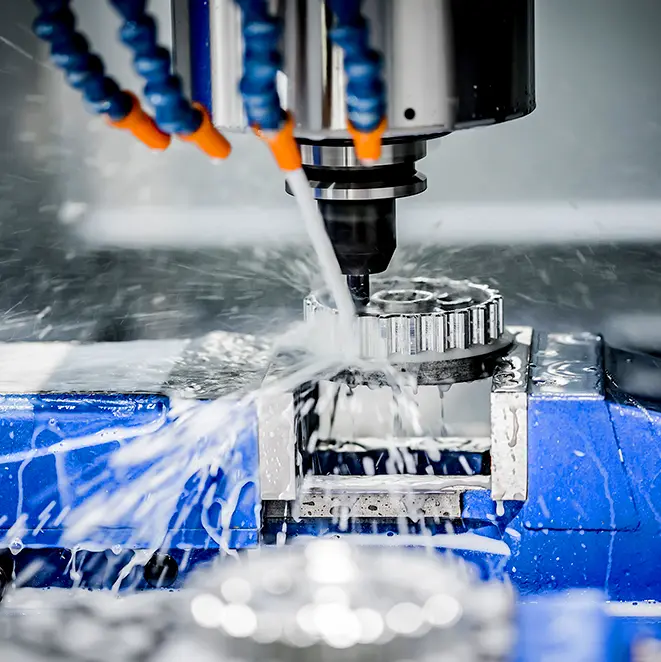
We have a team of technicians with 15 years of invaluable experience. Our deep understanding of customer requirements allows us to identify potential issues and offer practical insights, turning customer ideas into tangible products that meet specific needs.

Understanding supply chain benefits, global compliance requirements, and localized application frameworks.
Sourcing structural helipad components and perimeter safety nets from China (specifically Foshan, the capital of global aluminum extrusion) presents major strategic advantages for international buyers:
The industry is experiencing a technological evolution focused on sustainability, durability, and smarter engineering:
Different environments present unique operational challenges, requiring highly customized solutions:
To ensure structural performance and regulatory compliance during procurement, procurement agents should evaluate:
Answers to essential questions for engineers, project managers, and procurement officers.
Select from our range of CE-certified perimeter safety nets and customized profile systems for immediate implementation.
 LvXing