Explore our engineered structural configurations and premium raw components tailored for critical helicopter landing facilities.
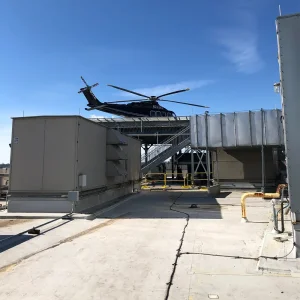
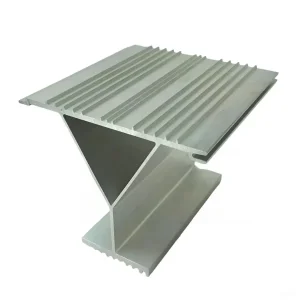
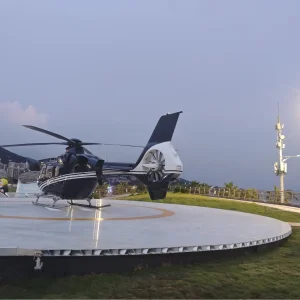
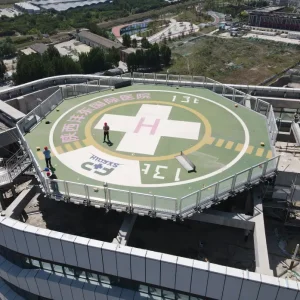
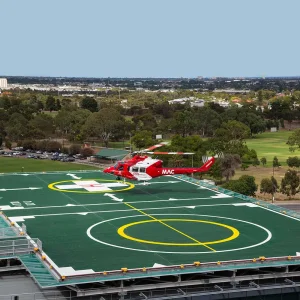
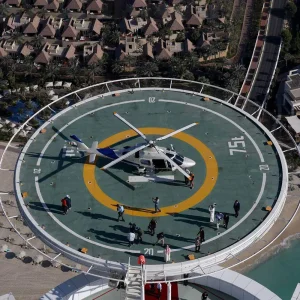
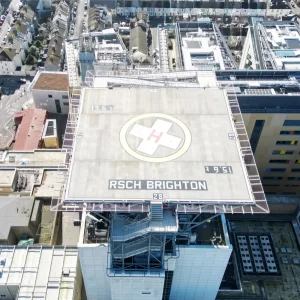
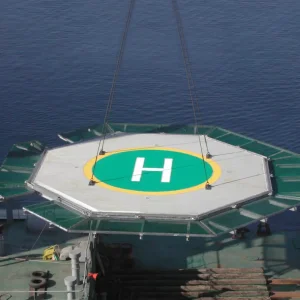
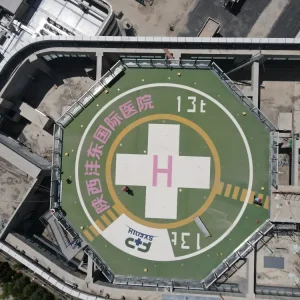
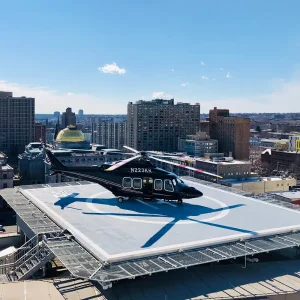
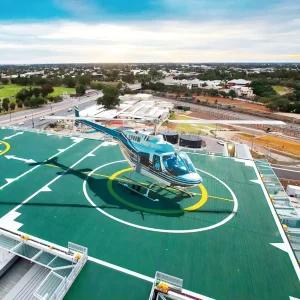
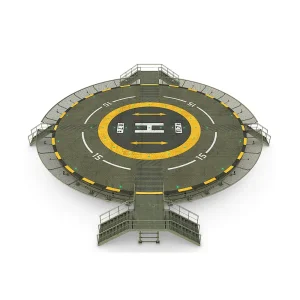
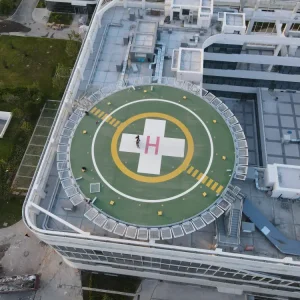
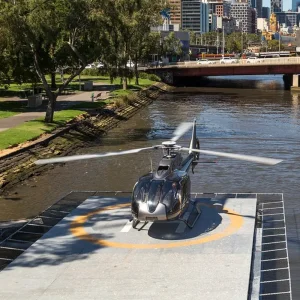
Helicopter landing decks (helidecks/helipads) on offshore platforms, naval vessels, and high-rise commercial structures require rigorous safety systems to protect personnel, aircraft, and nearby assets. A primary requirement mandated by aviation regulatory bodies worldwide is the installation of a specialized perimeter safety net system. This safety net prevents crew members, flight deck handlers, and landing personnel from falling over the deck edges during critical landing, takeoff, and servicing operations.
As a leading engineering designer and ISO-certified manufacturer, LvXing Intelligent Equipment Co., Ltd. specializes in advanced aluminum extrusion alloys and structural safety systems. We deliver customizable helipad deck perimeter safety net systems engineered to meet international safety criteria, including the UK Civil Aviation Authority's CAP 437, Federal Aviation Administration (FAA) advisory circulars, and International Civil Aviation Organization (ICAO) Annex 14 standards.
“An offshore helideck safety net must absorb a drop impact of 125 kg from a height of 1 meter without structural failure, maintaining tension and structural resilience in marine C5-M atmospheric zones.”
Understanding the international demands for helideck structural safety networks across offshore and marine infrastructure.
Offshore oil rigs, FPSOs, and wind farm support vessels operate in severe maritime environments. Salt spray, strong winds, and temperature fluctuations demand safety mesh systems made of marine-grade 316 stainless steel combined with corrosion-resistant 6000-series structural aluminum frames. Our materials prevent premature degradation and ensure structural integrity.
Hospital emergency departments and rooftop landing structures on commercial high-rises must operate reliably. Safety nets in these environments must conform to local building safety codes, limit visual impact, and prevent wind-induced whistle while offering quick-access, drop-test-approved protection for medical flight staff.
Naval ships, coast guard cutters, and tactical military bases require safety net structures that can withstand high impact, combat dynamics, and regular assembly/disassembly. Our modular, lightweight aluminum safety net systems allow for rapid deployment and quick manual folding or storage during active operations.
Max Extrusion Capacity
Engineering & R&D Experience
Quality System Certified
CAP 437 Drop-Test Compliant
How LvXing transforms technical concepts into certified structural products utilizing state-of-the-art aluminum engineering.

We have successfully obtained and maintain the "Special Aluminium Materials for Aerospace" Certification, validating our products for demanding applications.

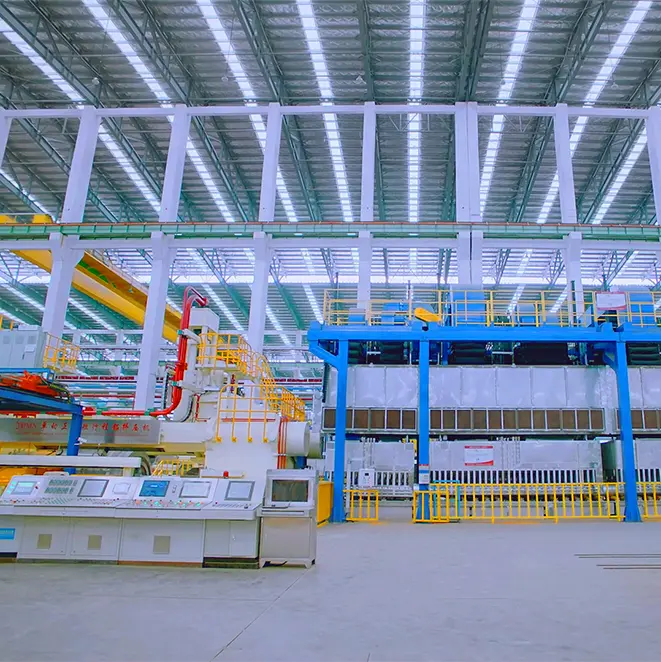
We source premium Fenglu aluminum profiles. With extrusion lines from 800T to 20,000T, we process alloys in the 1xxx, 2xxx, 3xxx, 5xxx, 6xxx, and 7xxx series, offering profiles up to 1.2m wide or 28m long.

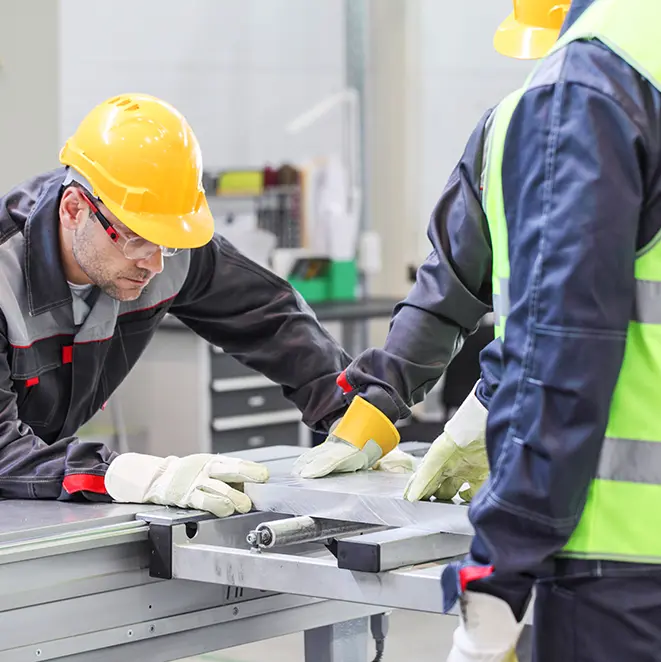
Our engineering team brings 15 years of industry experience to every project. We work directly with customers to identify potential structural issues early and develop customized, practical solutions.
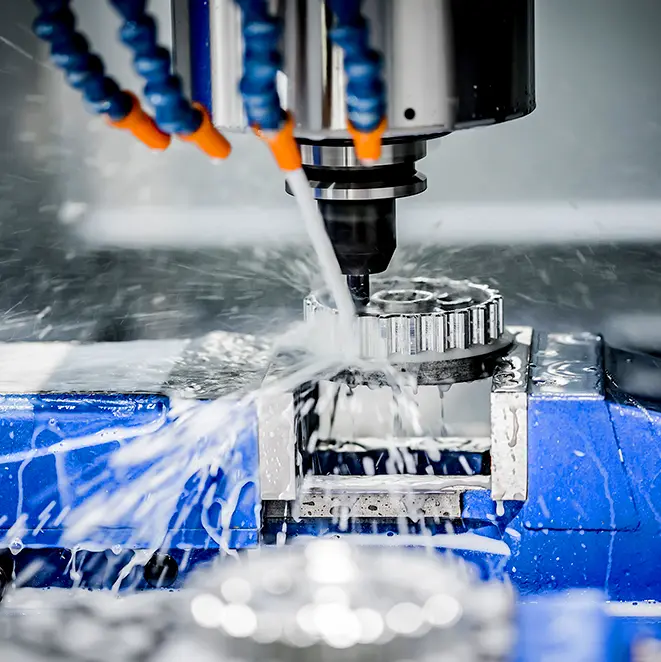
Established in 2015 and located in Foshan City, Guangdong, LvXing Intelligent Equipment Co., Ltd. boasts a skilled R&D team with extensive experience. We leverage technical expertise to effectively transform customer ideas into reality, consistently meeting precise requirements.
We utilize premium Fenglu aluminum, offering a diverse range of profiles for flexible applications. Our products are recognized for their precision and meticulous processing, finding broad application in aerospace, military, medical, and industrial sectors.
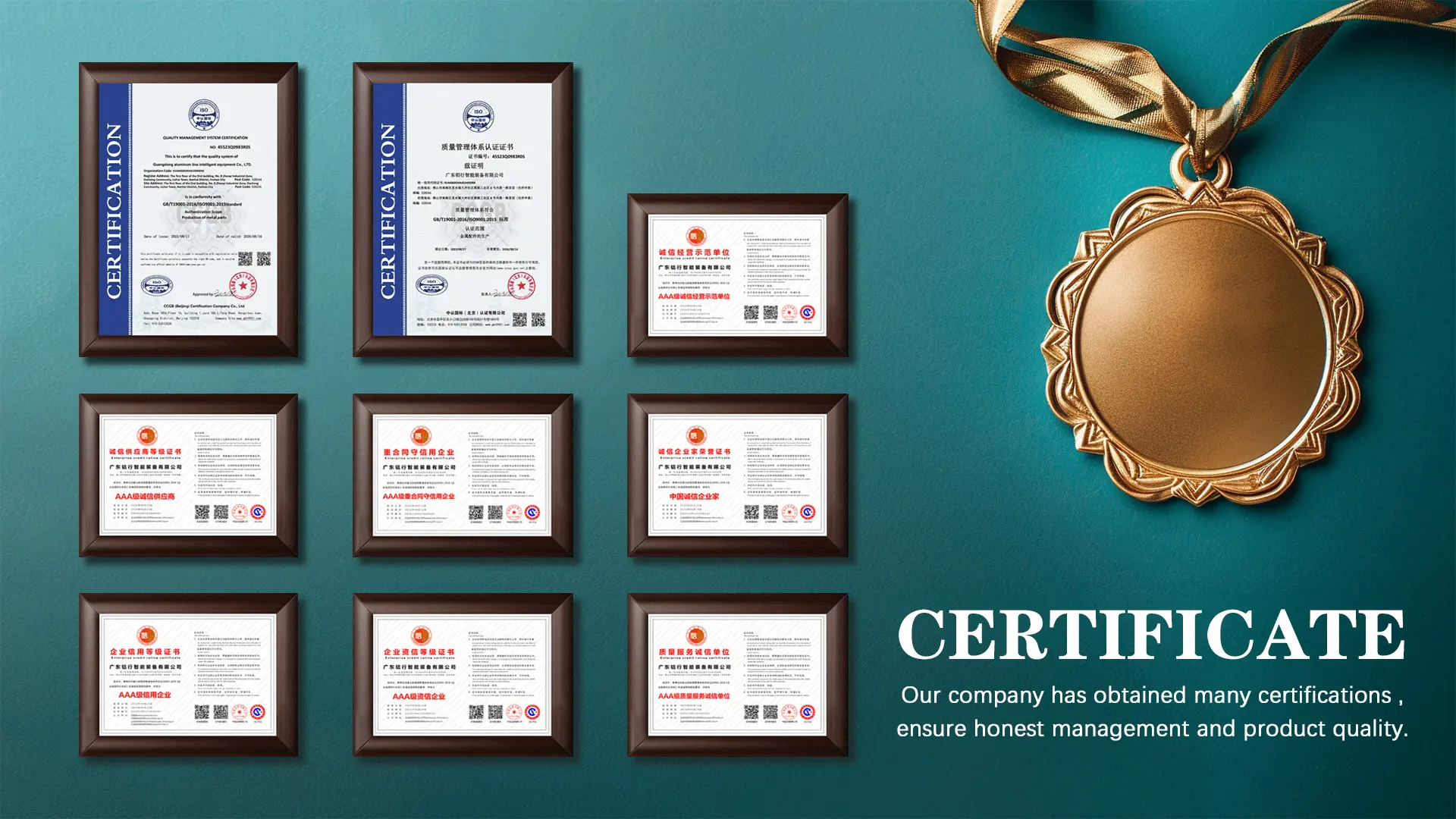
Our commitment to excellence is evident throughout the manufacturing process, rigorous quality control, thorough packaging, and efficient shipping procedures. This dedication has earned us recognition as a national excellent and honest enterprise, along with quality system certification in accordance with GB/T19001-2016/ISO9001:2015 standards. We aspire to be your trusted business partner and warmly invite you to visit our factory.
How our custom helipad deck perimeter safety nets align with critical global guidelines.
Requires that helideck perimeter safety nets be installed when the landing platform is elevated more than 0.75 meters above the surrounding structures. The net must extend at least 1.5 meters outward, have an upward inclination of approximately 10 degrees, and present a non-friable, flexible catch zone that prevents bouncing back.
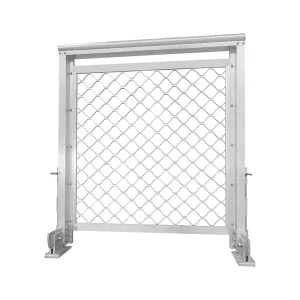
Our structural design matches 6082-T6 marine-grade extruded aluminum frames with 316 stainless steel wire mesh or specialized composite mesh. This combination offers high strength-to-weight ratios and resistance to chloride-induced stress corrosion cracking.
Each custom design undergoes rigorous testing. This includes drop-testing with a 125 kg torso-shaped mass to ensure the net can arrest a falling person without the frame collapsing or the mesh tearing, while maintaining a tension profile that avoids trampoline-like recoil.
We are incorporating smart sensors, including load-monitoring fiber-optic threads and LED safety illumination strips directly into the mesh borders. This provides real-time warning indicators for flight deck operators and structural integrity data.
A comparative overview of our customized perimeter systems, alloy configurations, and indicative manufacturing prices.
*Note: The following configurations represent standard manufacturing specifications. Because helideck configurations vary by installation site, wind loads, and maritime conditions, please contact our R&D department for a customized quotation.
| System Model | Alloy Profile Matrix | Safety Net Mesh Material | Key Regulatory Certification | Standard Dimension (Per Section) | Indicative Price Range (USD/m) |
|---|---|---|---|---|---|
| LX-HP01 (Standard) | Al-Mg-Si 6082-T6 Profile | Stainless Steel 316 Wire Mesh | CAP 437, ISO9001 | 1500mm x 2000mm | $180 - $240 |
| LX-HP02 (Heavy Duty) | Al-Zn-Mg-Cu 7075 Extrusion | SS316L Cable Net / Tensioned Knit | CAP 437, CE Certification | 1500mm x 2500mm | $280 - $370 |
| LX-HP03 (Marine Elite) | Al-Mg 5083 / 6061-T6 Hybrid | Coated Polyester Mesh (Anti-UV) | ICAO Annex 14, Lloyd's Registry | 1500mm x 1800mm | $150 - $210 |
| LX-HP04 (Military Tactical) | Special Aviation 2xxx / 7xxx | Super-alloy high-tensile wire mesh | Mil-Spec / Aerospace Cert | Custom Folding Config | Custom Quote Only |
Detailed Quote Considerations: Pricing fluctuates based on LME (London Metal Exchange) base aluminum costs, custom extrusion profiles, surface finishes (anodized vs. powder-coated), structural wind calculation stamps, and shipping requirements. Volume discounts are available for complete helideck projects.
Answers to common technical questions regarding material specifications, design configurations, and installation requirements.
Select from our manufacturing variants, including specialized helideck profiles and safety net meshes.
 LvXing