Engineered to exact FAA and ICAO global standards, providing perimeter safety and high tensile performance.
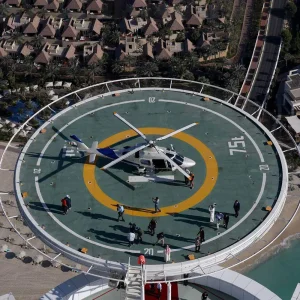
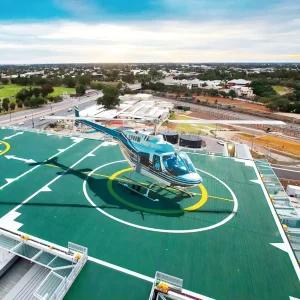
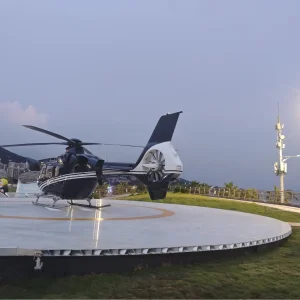
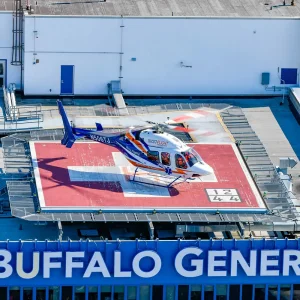
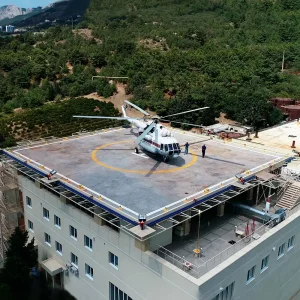
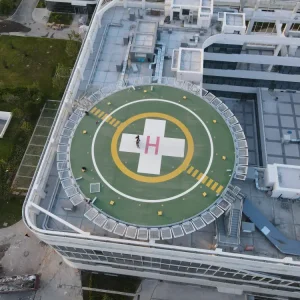
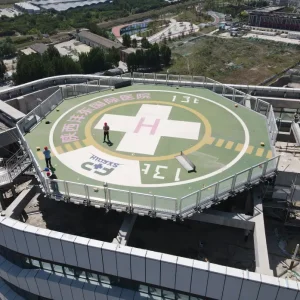
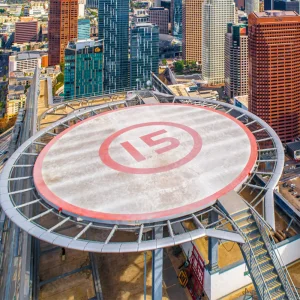
In high-density urban environments, multi-story building rooftops are increasingly utilized as vital points for emergency medical evacuation, corporate travel, and logistics. However, operating helicopters at heights exceeding 100 meters demands absolute structural compliance and safety redundancies. Structural perimeter netting systems are not simply aesthetic barriers; they are dynamic, energy-absorbing crash safety mitigation interfaces designed to withstand extreme forces, wind loads, and drop shear dynamics without suffering catastrophic structural failure.
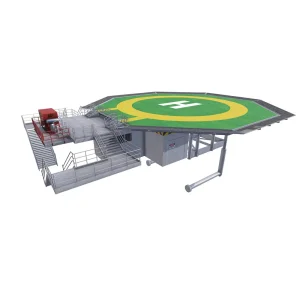
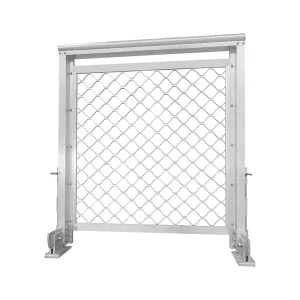
This technical whitepaper outlines the structural parameters, materials chemistry, supply chain optimization mechanisms, and regulatory pathways that define high-performance, marine-grade aluminum alloy helideck safety nets. Leveraging state-of-the-art extrusion lines and certified precision production processes, modern fabricators provide safety systems that ensure complete operational compliance with international regulatory bodies.
Established in 2015 and located in Foshan City, Guangdong, LvXing Intelligent Equipment Co., Ltd. boasts a skilled R&D team with extensive experience. We leverage exceptional technical expertise to effectively transform customers' ideas into reality, consistently meeting their precise requirements.
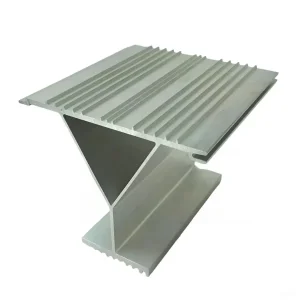
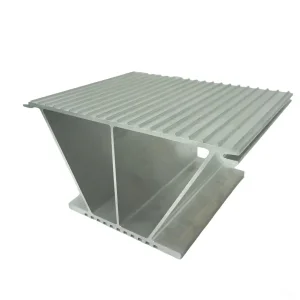
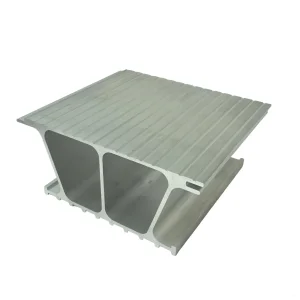
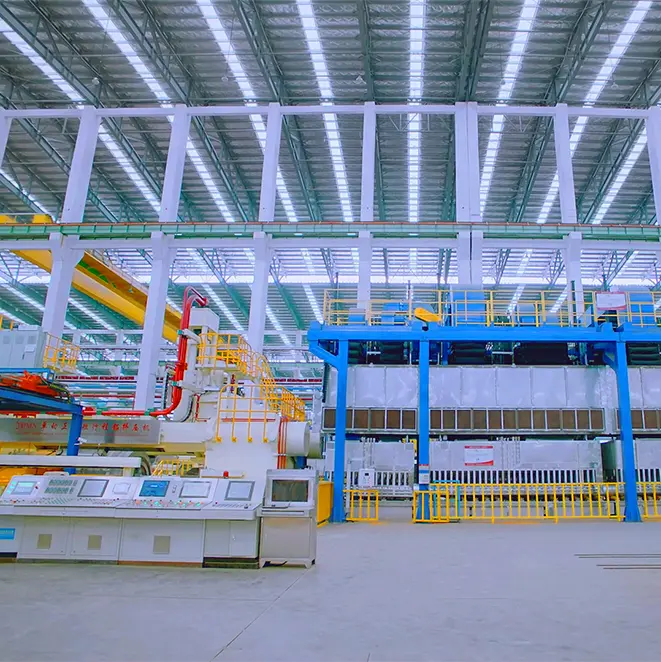
We utilize premium Fenglu aluminum, offering a diverse range of profiles for flexible applications. Our extrusion lines, ranging from 800T to 20,000T, accommodate alloys 1xxx, 2xxx, 3xxx, 5xxx, 6xxx, and 7xxx, allowing us to produce shaped products with section dimensions up to 1.2 meters in width and 28 meters in length. These products are recognized for their precision and meticulous processing, finding broad application in aerospace, military, medical, and industrial sectors.
Our commitment to excellence is evident throughout the manufacturing process, rigorous quality control, thorough packaging, and efficient shipping procedures. This dedication has earned us recognition as a national excellent and honest enterprise, along with quality system certification in accordance with GB/T19001-2016/ISO9001:2015 standards.
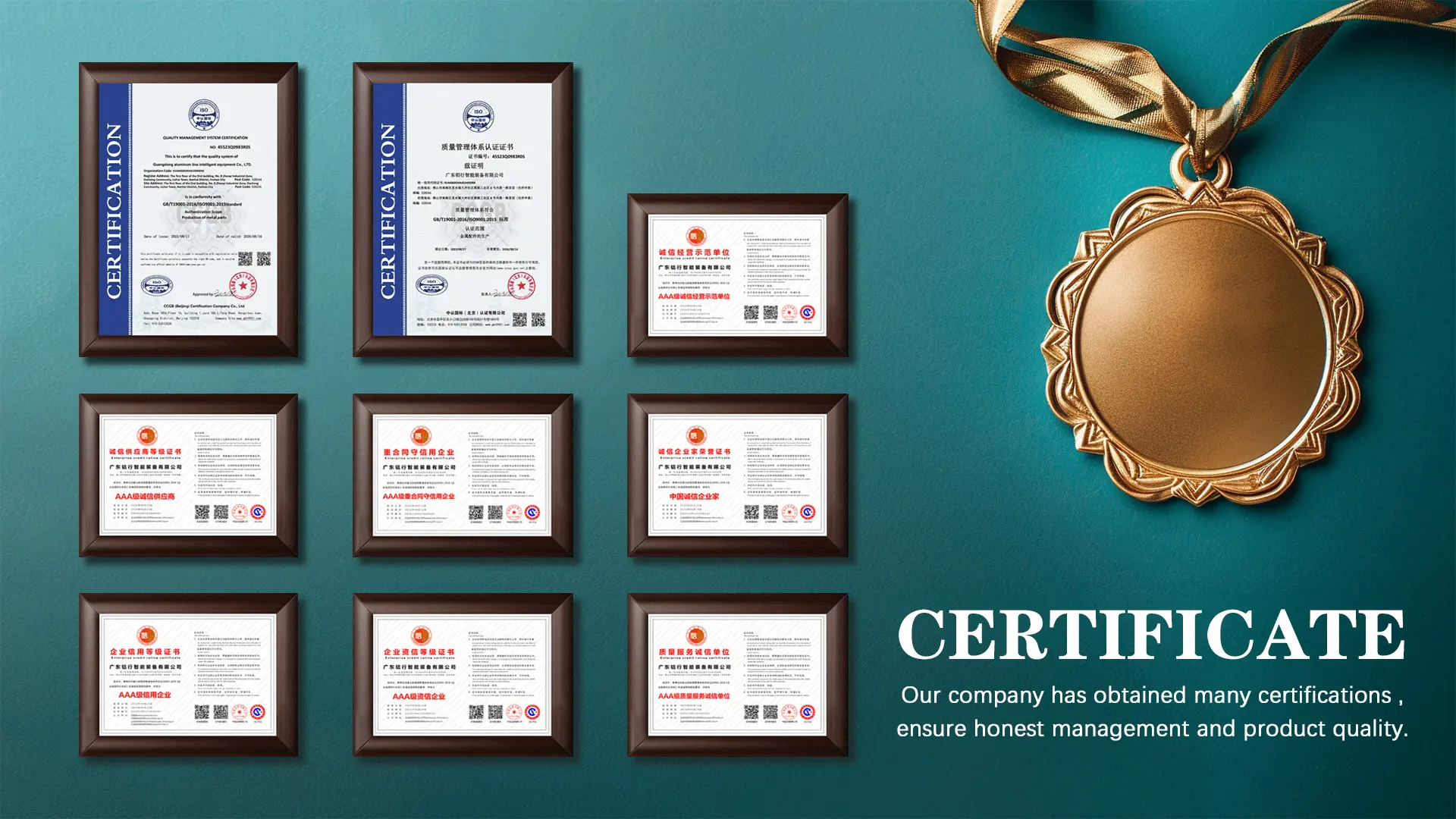
Leveraging aerospace-certified materials and unmatched production capacities to provide superior structural reliability.

We have obtained the "Special Aluminium Materials for Aerospace" Certificate, verifying our compliance with critical structural stress parameters required in military and civilian landing systems.

We utilize high-quality Fenglu aluminum profiles. With extrusion lines from 800T to 20,000T, we produce alloys across 1xxx to 7xxx, accommodating complex geometries up to 1.2m wide or 28m long.

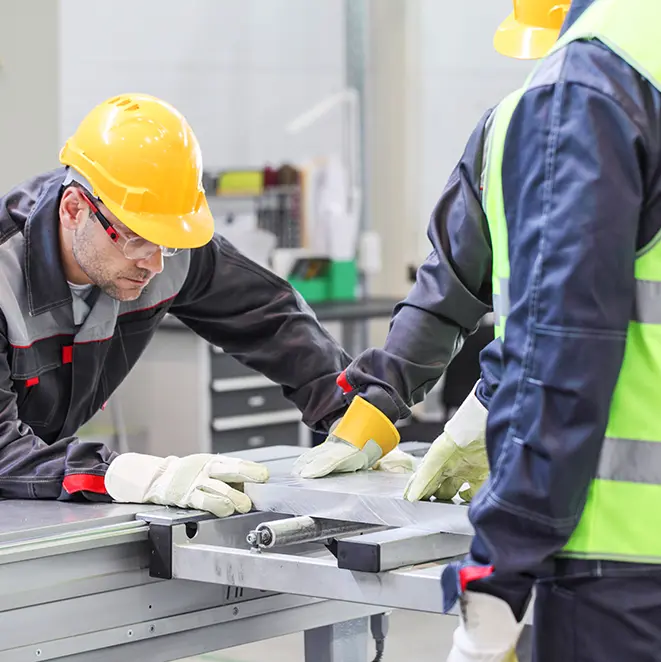
Our engineering team brings over 15 years of deep industry expertise. We interpret custom structural demands, pre-empt localized load-distribution flaws, and execute tailor-made design modifications.
The progression of elevated landing zones requires critical engineering shifts in metallurgy and mechanical designs. The transition from heavy stainless steel mesh configurations to ultra-light, corrosion-resistant, high-strength structural aluminum represents a massive leap forward. Lvxing focuses heavily on these material improvements, deploying dedicated R&D efforts to elevate performance across four main domains:
Developing advanced 6000-series (6061-T6, 6082-T6) and 7000-series structural grades for optimal mechanical yield strength and maximum resilience under dynamic shear stress.
Future iterations of our custom nets feature integrated fiber-optic strain gauges and real-time load sensors. These communicate structural wear data directly to building management systems.
With Urban Air Mobility (UAM) and eVTOL crafts coming online, safety nets are being recalibrated to manage varied landing impact angles, distinct rotorwash pressures, and high-frequency usage cycles.
By employing Fenglu raw profiles, our R&D processes simulate localized fatigue loads up to 10^7 cycles, ensuring that structural safety elements do not suffer micro-fissuring, which causes degradation under harsh environmental conditions such as coastal salinity, high acid rain, and prolonged UV exposure.
Helicopter safety systems must conform directly to the environment they serve. Lvxing designs specialized, tailored integrations across distinct vertical markets to guarantee precise compliance:
| Industry Sector | Primary Engineering Challenge | Specific Net Design Parameter | Safety Certification Goal |
|---|---|---|---|
| High-Rise Hospitals | Rapid operational readiness, patient transport safety, acoustic dampening. | Flush-mounted profiles with integrated friction grids & catch containment. | CE Medical Emergency, FAA AC 150/5390-2C |
| Commercial Skyscraper Hotels | Strict aesthetic integration, dynamic wind-shear resistance. | Anodized high-tensile mesh systems with custom color coatings. | IBC Compliant, ICAO Annex 14 |
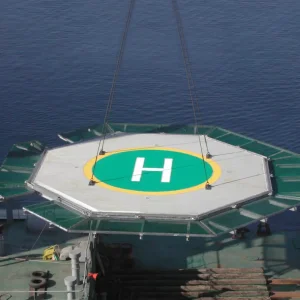
| Offshore Oil Platforms | Corrosion from high marine salinity, extreme storms, wind-gust drag. | Alloy 316 Stainless Steel Cable Nets or 6082-T6 Marine Grade Framing. | CAP 437, Lloyd's Register Certified |
| Corporate Offices | Space constraints, light structural framing limits. | Ultra-light aluminum extrusion structural frame systems. | CE Certified, local structural permits |
Our engineering division models wind loading using state-of-the-art computational fluid dynamics (CFD). This ensures that perimeter safety installations do not create high-velocity eddies or turbulence, which can disrupt flight controls when a helicopter enters hover or approaches the pad.
To successfully integrate an elevated helideck, structural engineers must navigate complex local and international safety codes. Lvxing provides end-to-end support to ensure your system passes architectural audits, municipal building inspections, and aviation approvals:
Operating out of Foshan City, Guangdong—the absolute global capital of high-end aluminum extrusion—LvXing Intelligent Equipment Co., Ltd. delivers distinct supply chain advantages that reduce project lead times and optimize capital expenditures:
Our direct, strategic partnership with Fenglu Aluminum ensures an uninterrupted supply of pristine primary aluminum billets, eliminating downstream material defects.
With presses scaling up to 20,000T, we can extrude complete multi-slot profiles in singular, continuous lengths. This minimizes structural welds and weak joint configurations.
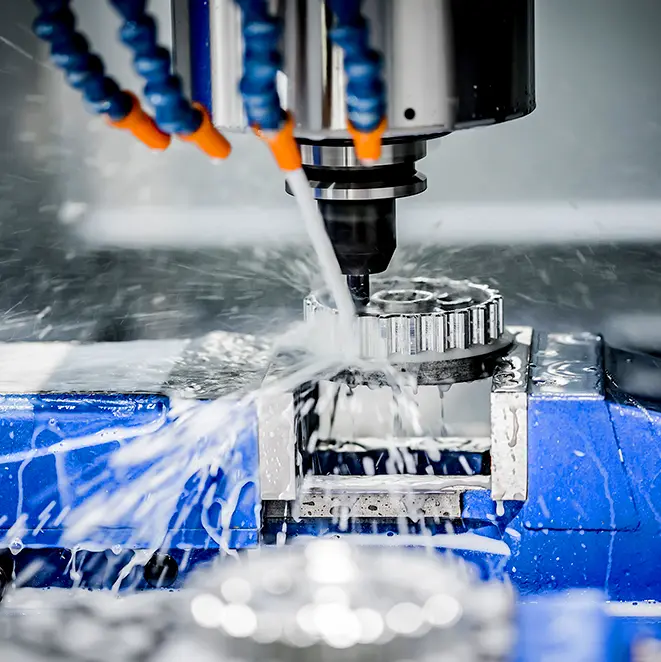
Our production facilities feature multi-axis CNC gantries capable of processing profiles up to 28 meters long, executing milling, tapping, and counterboring in a single pass.
Total cost calculations for custom helideck netting systems depend heavily on structural geometry, anodizing specifications, and mechanical loading thresholds. Understanding these cost drivers helps procurement departments optimize budgets:
| Component / Factor | Standard Specifications | High-Spec Options | Price Impact & Variable Drivers |
|---|---|---|---|
| Alloy Base Extrusion | 6063-T6 Structural Profile | 6061-T6 / 6082-T6 Grade | Determined by weight (metric ton market rates + extrusion complexity). |
| Mesh Material Type | High-strength flexible aluminum net | 316 Marine Grade Stainless Steel mesh | Flexible configurations provide 15-20% cost reduction over solid wire. |
| Surface Treatment | Standard Anodized (15um) | Fluorocarbon/PVDF Powder Coat | PVDF protects against extreme salinity but increases surface cost by 10-15%. |
| Framing Profiles | Manual foldable brackets | Motorized/Automatic hydraulic frame | Motorized frame components require integrated electrical wiring, driving costs. |
For detailed, project-specific estimates and custom engineering layout support, contact our sales division to request a comprehensive RFP/RFQ package.
Providing clear answers to common technical queries on design, installation, and materials engineering.
Discover our full range of structural extruded profiles and certified perimeter safety solutions.
 LvXing