Discover our globally-certified range of custom engineering products designed for maximum structural reliability and personnel safety.
Exploring structural design, regulatory compliance (CAP 437), and the application of advanced metallurgy in aviation safety containment.
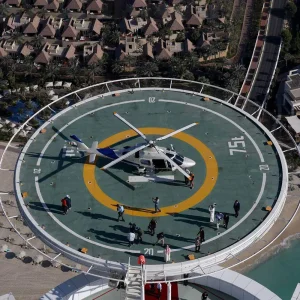
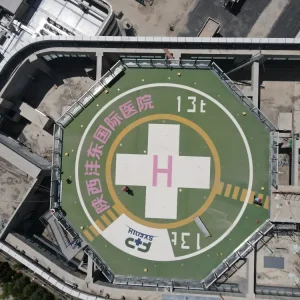
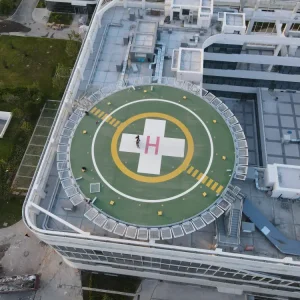
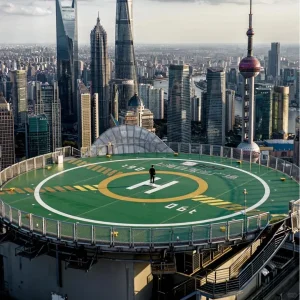
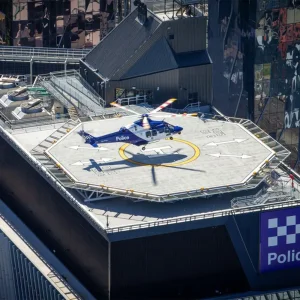
Helicopter landing decks on offshore platforms, maritime vessels, and high-rise commercial structures face extreme ambient elements, high wind shear, and high dynamic stress. A key safety mechanism is the Helideck Perimeter Safety Net. Governing aviation bodies such as the UK Civil Aviation Authority (CAA) under CAP 437 and the International Civil Aviation Organization (ICAO) under Annex 14 mandate that all offshore helidecks be equipped with a perimeter safety net system.
These nets must stretch upward and outward from the deck perimeter, rising not more than 0.25 meters above the deck edge and sloping outwards between 1.5 to 2.0 meters. The structure must be engineered to withstand a drop test impact of 2.3 kJ (equivalent to a 100 kg mass dropped from a height of 2.3 meters) without failing, ensuring the safety of platform crew and flight personnel in the event of an accidental trip or slide.
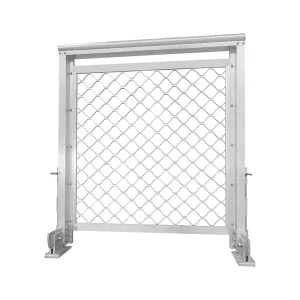
Our engineering research indicates that standard nylon or synthetic polymer nets are highly susceptible to ultraviolet radiation degradation and chemical weathering from ocean saline mist. As a result, global engineering standards have shifted towards Stainless Steel 316 (SS316) cable mesh paired with structural marine-grade aluminum alloy profiles (primarily from the 6xxx and 7xxx series alloy family).
SS316 offers excellent resistance to localized pitting and crevice corrosion, while high-strength aluminum alloy frames provide the structural rigidity needed to absorb kinetic energy without adding excessive load weight to the helideck supports. This combination results in a low-maintenance, lightweight solution that can perform reliably for over 15 years in offshore conditions.
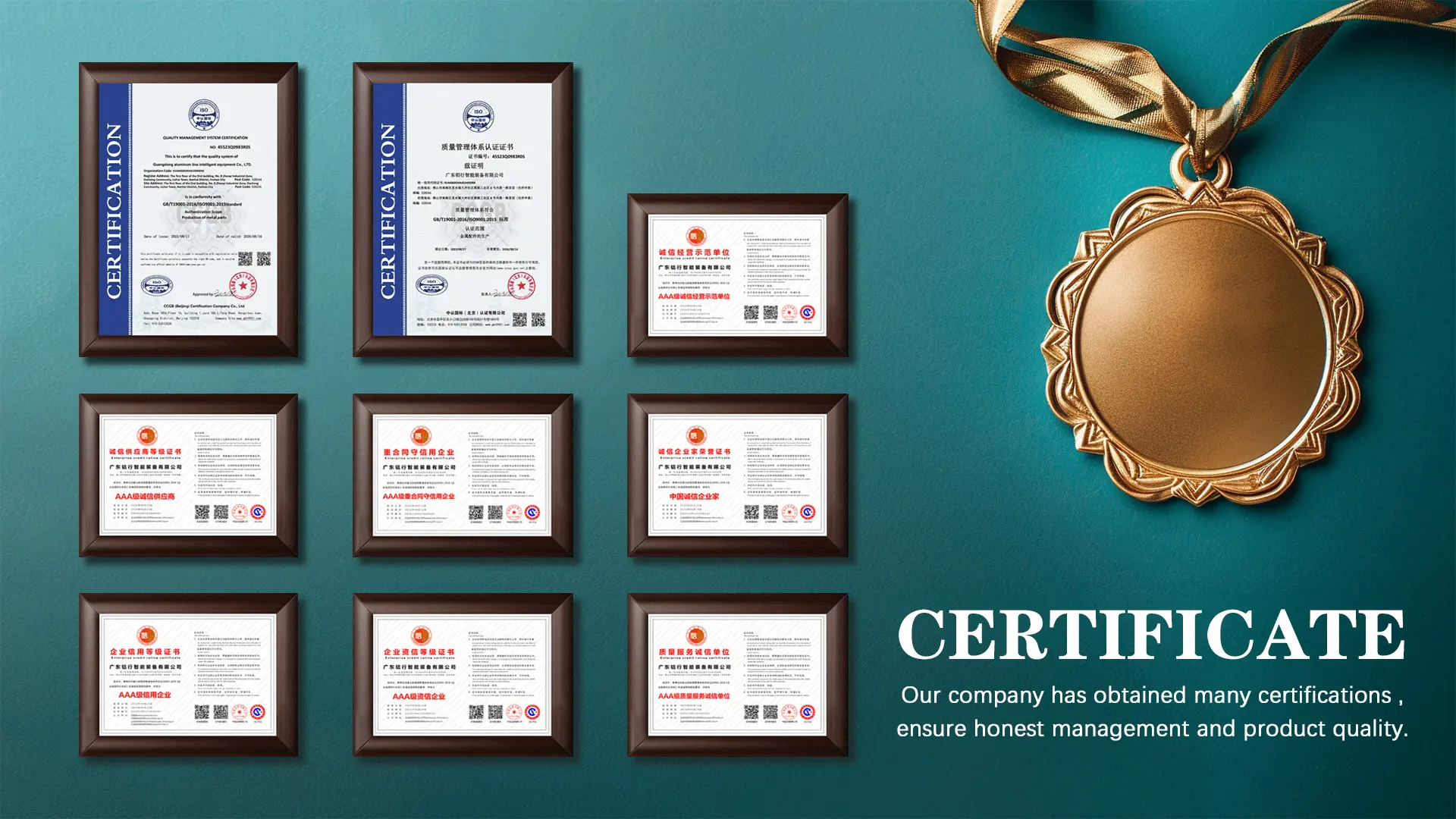
Located in Foshan, the global hub of aluminum fabrication, LVXING Intelligent Equipment Co., Ltd. delivers high-precision structural solutions.
Established in 2015 and located in Foshan City, Guangdong, LvXing Intelligent Equipment Co., Ltd. boasts a skilled R&D team with extensive experience. We leverage exceptional technical expertise to effectively transform customers' ideas into reality, consistently meeting their precise requirements.
We utilize premium Fenglu aluminum, offering a diverse range of profiles for flexible applications. Our extrusion lines, ranging from 800T to 20,000T, accommodate alloys 1xxx, 2xxx, 3xxx, 5xxx, 6xxx, and 7xxx, allowing us to produce shaped products with section dimensions up to 1.2 meters in width and 28 meters in length. These products are recognized for their precision and meticulous processing, finding broad application in aerospace, military, medical, and industrial sectors.
Our commitment to excellence is evident throughout the manufacturing process, rigorous quality control, thorough packaging, and efficient shipping procedures. This dedication has earned us recognition as a national excellent and honest enterprise, along with quality system certification in accordance with GB/T19001-2016/ISO9001:2015 standards.
Why marine contractors, civil engineers, and military clients rely on our custom manufacturing capabilities.
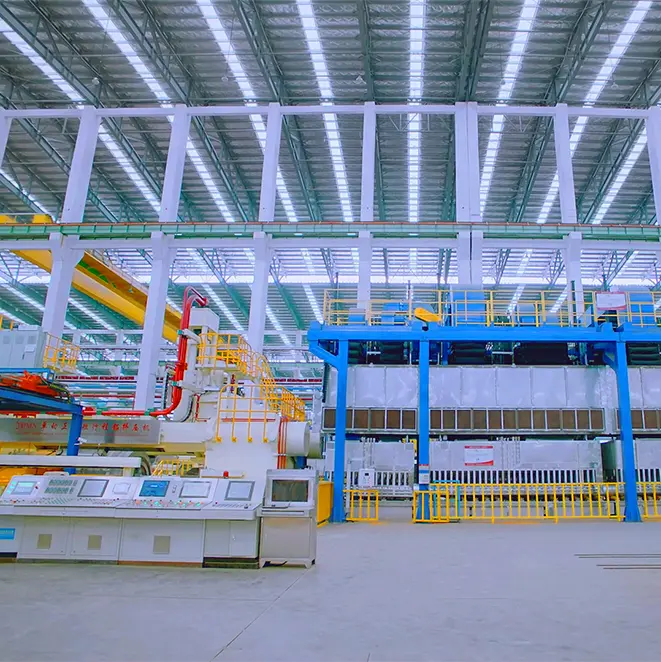

We have obtained the “Special Aluminium Materials for Aerospace” Certificate, ensuring all alloys used meet critical load-bearing and stress-testing requirements.
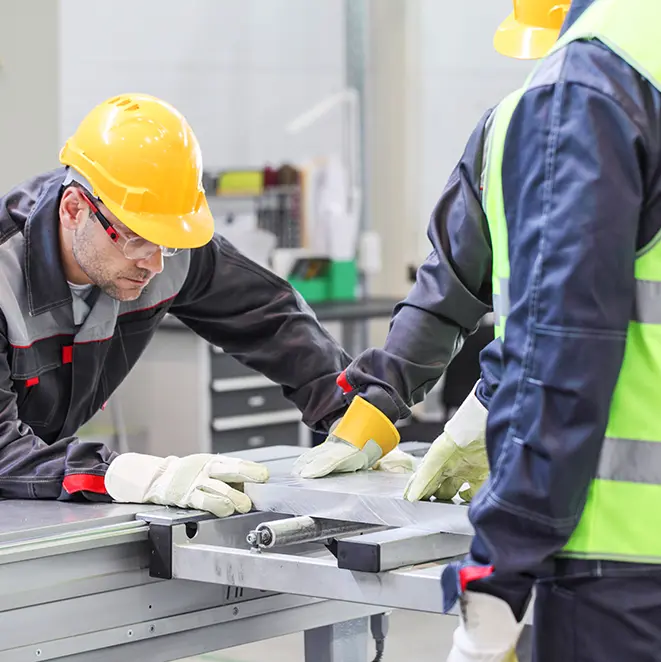

We utilize premium Fenglu aluminum profiles. With extrusion lines from 800T to 20,000T, we can manufacture complex shapes with dimensions up to 1.2m width or 28m length.
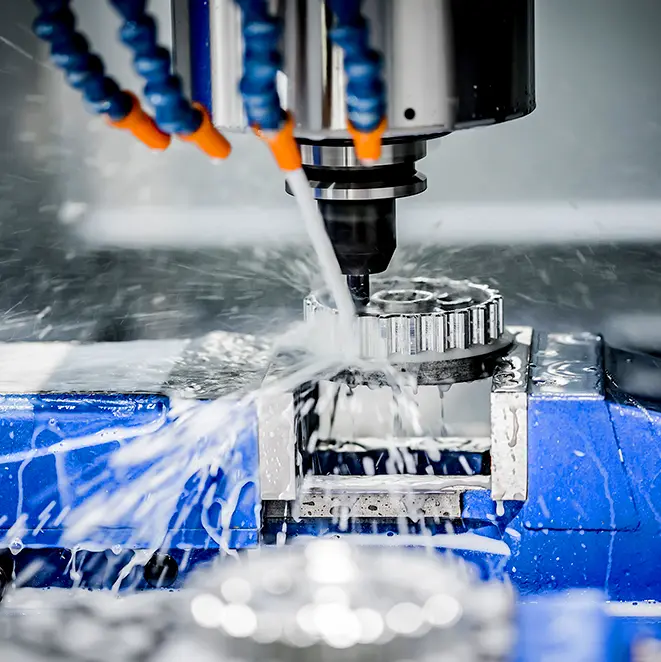

Our team of technicians has 15 years of experience. We analyze customer requirements to identify potential structural issues, transforming ideas into certified products.
Foshan, located in the heart of Guangdong Province, is widely recognized as the global capital of high-end aluminum extrusion. This industrial hub offers a complete supply chain for manufacturing custom helicopter deck nets and landing platform systems. Here is how our location translates to advantages for global buyers:
Modern commercial aviation and offshore safety regulations are driving technological shifts in deck net design and manufacturing:
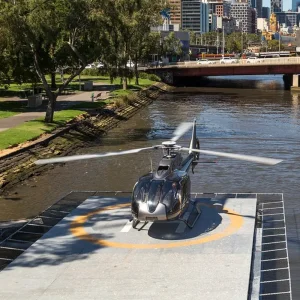
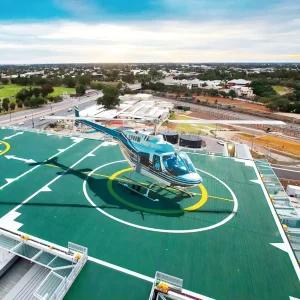
From offshore oil platforms to urban emergency response centers, our products are engineered for diverse environments.
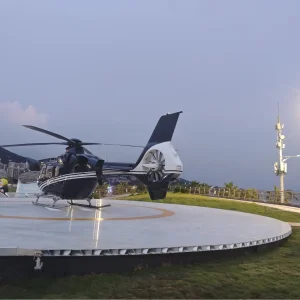
Exposed to salt spray and high winds, offshore rigs require CAP 437 compliant safety nets. Our SS316 wire rope nets and marine-anodized frames withstand long-term exposure to harsh marine environments.
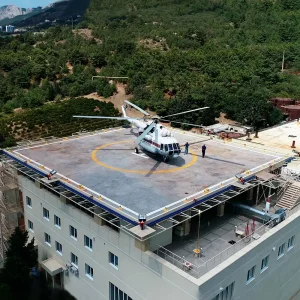
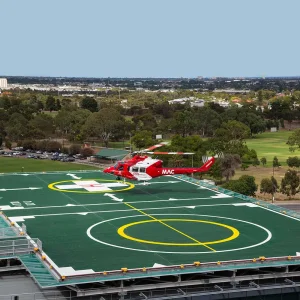
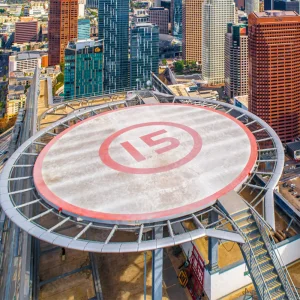
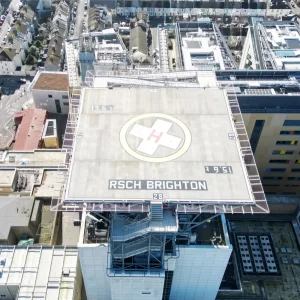
In emergency medical transport, hospital rooftop helipads need reliable containment nets that do not obstruct turbulence airflow. Our open-mesh, low-profile designs are optimal for urban medical hubs.
Naval flight decks require non-reflective, low radar signature components with heavy-duty structural margins. Our customized aluminum profiles support folding, manual, or automated swing-away deck net frameworks.
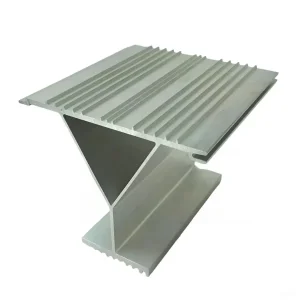
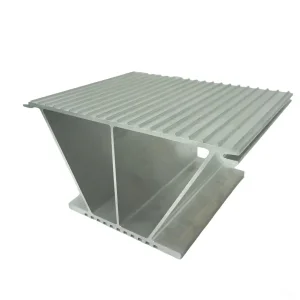
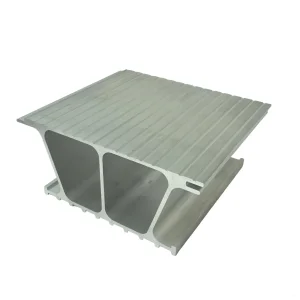
Beyond producing safety nets, our team provides complete engineering solutions for helideck substructures. By integrating our high-strength Aluminum Helipad Profiles with structural perimeter support structures, we can deliver pre-fabricated, modular sections ready for deployment. This simplifies on-site assembly and minimizes operational downtime on platforms and vessels.
Technical parameters for our customized safety net panels and structural aluminum frames.
| Component/Parameter | Material Specification | Standard Certification | Key Applications |
|---|---|---|---|
| Perimeter Safety Mesh | Stainless Steel 316, 316L Cable Mesh | CAP 437 / ICAO Annex 14 | Containment, Drop Protection |
| Frame Profiles | High-Strength Aluminum (6005A-T6, 6082-T6, 6061-T6) | GB/T19001-2016 / ISO9001:2015 | Structural Deck Edges, Supports |
| Tensioning Components | SS316 Shackles & Turnbuckles | CE Certified Heavy-Duty Hardware | Static Tension Maintenance |
| Sizing Limits | Customized up to 28m length / 1.2m profile width | Aerospace & Military Grade | Vessel & Skyscraper Helipads |
| Corrosion Resistance | Marine Grade Anodizing, Electropolishing | C5-M Offshore Marine Grade | High Salt, High Humidity Environments |
A practical procurement guide for international buyers, EPC contractors, and marine architects.
The cost of safety net packages varies based on several parameters:
To ensure reliability, our factory subjects every batch of safety nets to rigorous testing before shipment:
Expert answers regarding engineering, customized orders, and international shipment parameters.
A: Our factory operates under GB/T19001-2016/ISO9001:2015 quality standards. We hold the "Special Aluminium Materials for Aerospace" certificate, and our helideck nets can be supplied with CE certification and witness testing reports that align with DNV, ABS, and CAP 437 standards.
A: Yes. Our technical team has 15 years of experience in product design. We can import and work with CAD/BIM models to custom-engineer the support frames, tension brackets, and stainless steel wire mesh panels to fit your specific helipad dimensions.
A: When manufactured using marine-grade aluminum (6xxx series) and SS316 wire rope, our products typically achieve a service life of 15 years or more under high-salinity marine conditions (C5-M atmosphere) with minimal maintenance required.
A: Pricing is based on raw material costs (aluminum ingot and stainless steel rope market prices), structural design complexity, total deck perimeter length, and required testing certifications. Contact our sales department with your specifications for a detailed quote.
Explore additional precision-engineered aluminum extrusions and safety mesh configurations from our factory.
 LvXing