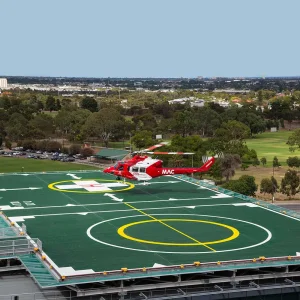
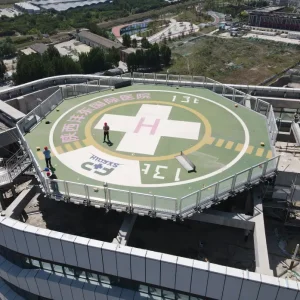
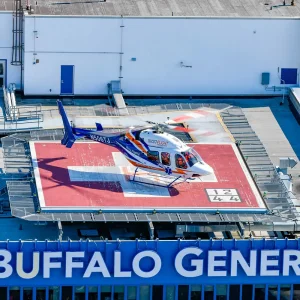
Fully certified high-performance helicopter landing infrastructure engineered for resilience, impact absorption, and international compliance.
In modern aviation, particularly within maritime, offshore, offshore wind energy, and critical metropolitan infrastructure, the integrity of a helicopter landing deck represents a vital safety factor. Helicopter Landing Zone (HLZ) nets and helideck perimeter safety meshes are not merely supplementary equipment; they are highly specialized engineering systems designed to prevent personnel falls, secure dynamic impact loads, and stabilize helicopters during demanding landing procedures.
A premium safety net system must withstand extreme weather conditions, UV degradation, mechanical wear, and high corrosion zones (e.g., C5-M marine environments). From structural perimeter safety nets that prevent accidents on raised platforms to non-slip landing friction nets that counter dynamic motion on vessel decks, our customizable designs are manufactured in compliance with international guidelines such as CAP 437 (Standards for Offshore Helicopter Landing Areas) and FAA AC 150/5390-2C.
Why global EPC contractors and aviation authorities source their helicopter landing zones from our Foshan intelligent manufacturing base.
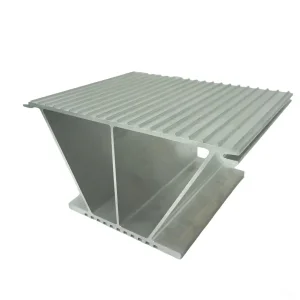
We source structural raw profiles from Fenglu Aluminum, enabling a high level of physical performance in the finished components. This ensures our profiles match global aerospace standards and demonstrate stable yield and tensile strengths.
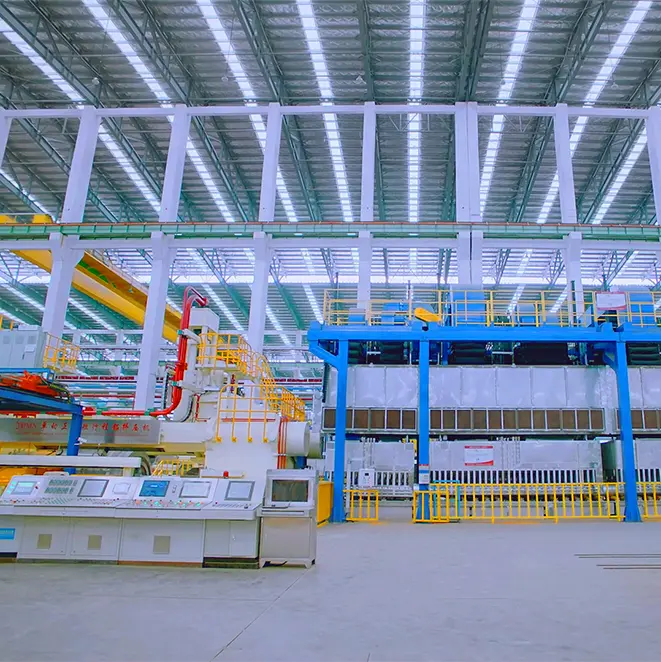
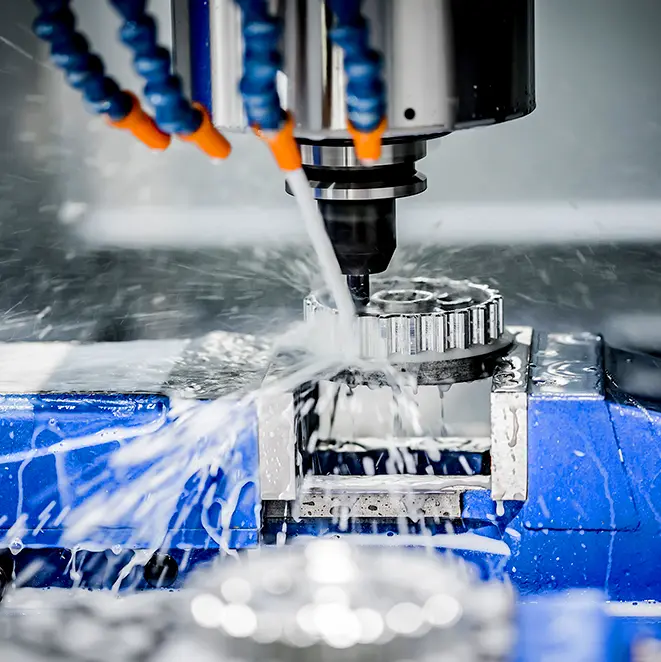
Operating extrusion lines from 800T to 20,000T, our facilities support continuous runs of alloy grades 1xxx, 2xxx, 3xxx, 5xxx, 6xxx, and 7xxx. We produce single-section extrusions up to 1.2 meters wide and 28 meters long.
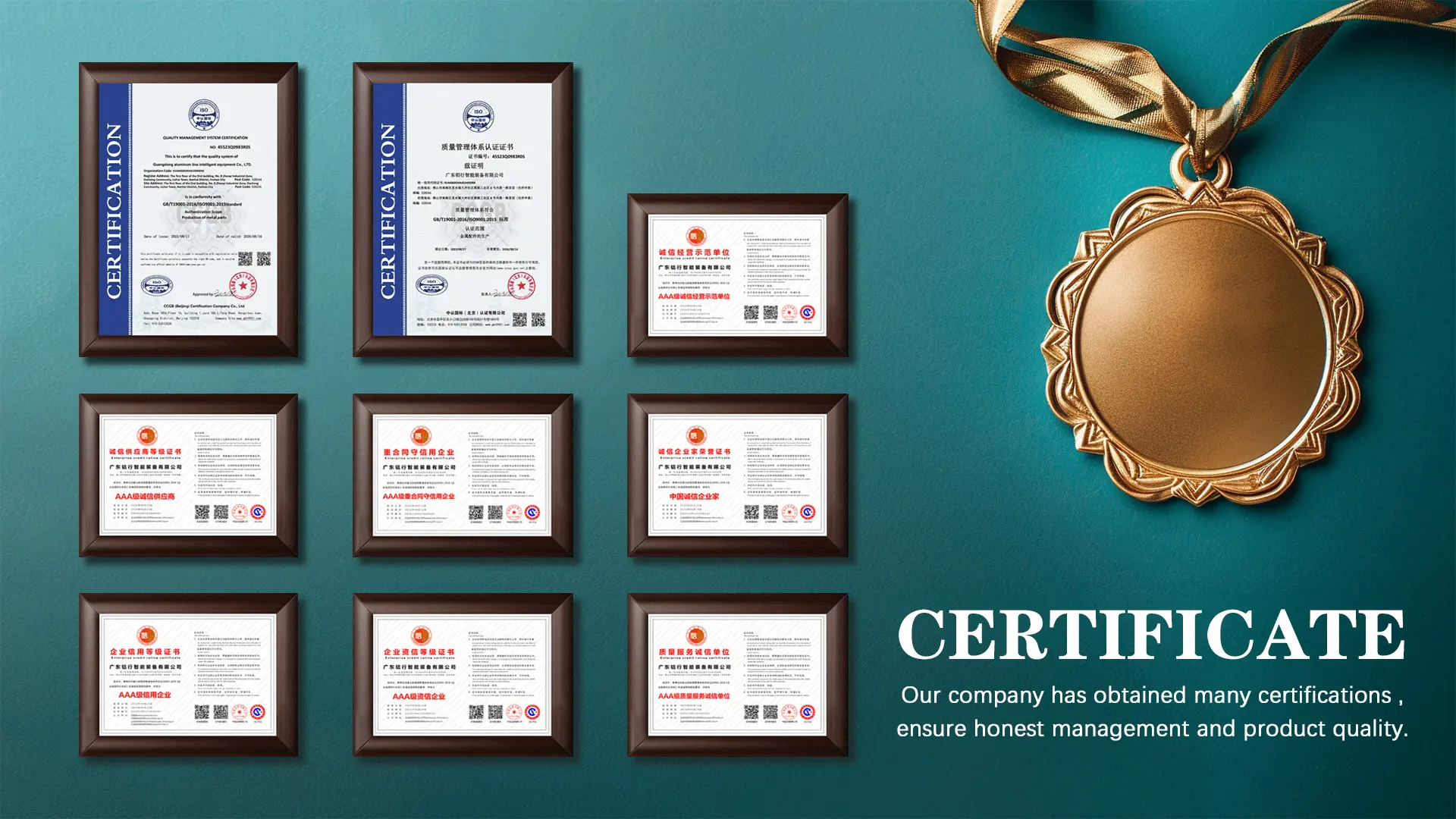
Every customized landing net and safety profile undergoes strict quality management under GB/T19001-2016 and ISO9001:2015 frameworks. Our drop testing facilities verify that nets absorb at least 2.3 kJ of energy without structural failure.
Helicopter landing zones operate in diverse, challenging environmental settings. Standard solutions rarely meet the distinct aerodynamic, structural, and chemical demands of localized projects. Therefore, we design specialized product categories suited for various operational fields:
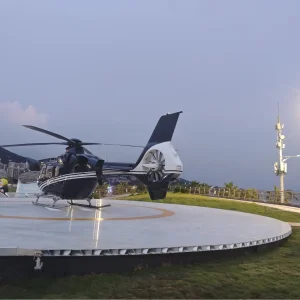
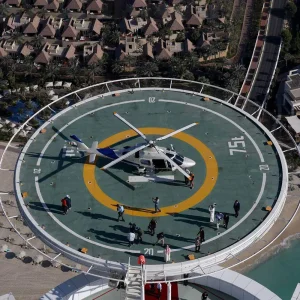
On deep-sea oil platforms and maritime vessels, salt spray and constant swell present continuous challenges. Standard safety nets deteriorate quickly under these conditions. We provide stainless steel 316 wire-rope safety nets and high-grade aluminum frames (alloy 6082-T6) coated with marine-grade anodization. Our landing friction nets use natural sisal or synthetic fiber configurations, providing stable friction coefficients even when the deck is wet or covered in oil.
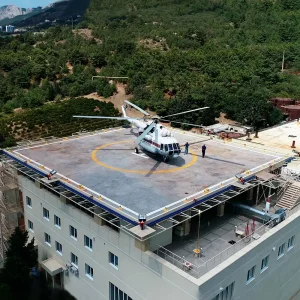
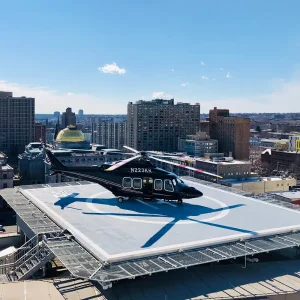
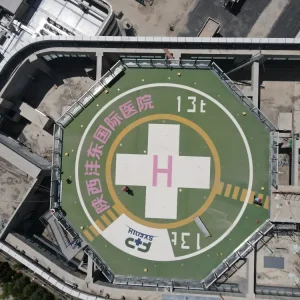
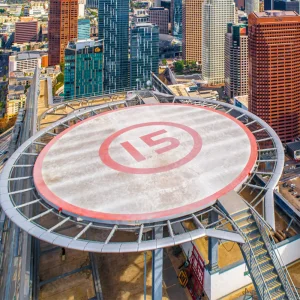
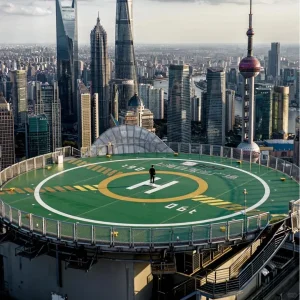
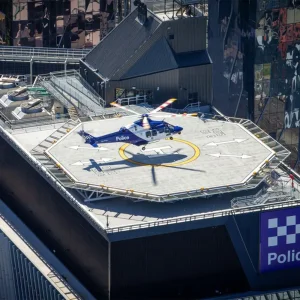
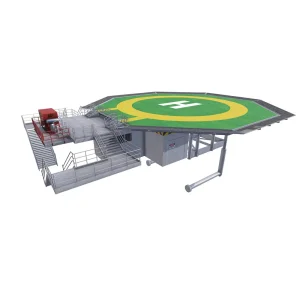
Rooftop helipads on city skyscrapers face localized wind shear and must adhere to strict fire safety standards. Weight is also a critical factor for roof structures. Our all-aluminum modular helidecks and safety perimeter systems minimize structural dead weight while meeting local building codes. Crucially, the non-combustible properties of aluminum offer an additional layer of protection in urban fire safety plans.
For trauma centers and medical facilities, rapid and safe transit is essential. Helipad safety nets must be designed with minimal deflection to ensure transport teams can maneuver stretchers right to the edge of the deck without hazard. We manufacture specialized drop-prevention meshes featuring flush-fitting joints that integrate smoothly with the deck perimeter, eliminating potential tripping points.
Established in 2015 and located in Foshan City, Guangdong, LvXing Intelligent Equipment Co., Ltd. boasts a skilled R&D team with extensive experience. We leverage exceptional technical expertise to effectively transform customers' ideas into reality, consistently meeting their precise requirements.
We utilize premium Fenglu aluminum, offering a diverse range of profiles for flexible applications. Our extrusion lines, ranging from 800T to 20,000T, accommodate alloys 1xxx, 2xxx, 3xxx, 5xxx, 6xxx, and 7xxx, allowing us to produce shaped products with section dimensions up to 1.2 meters in width and 28 meters in length. These products are recognized for their precision and meticulous processing, finding broad application in aerospace, military, medical, and industrial sectors.
Our commitment to excellence is evident throughout the manufacturing process, rigorous quality control, thorough packaging, and efficient shipping procedures. This dedication has earned us recognition as a national excellent and honest enterprise, along with quality system certification in accordance with GB/T19001-2016/ISO9001:2015 standards.
We aspire to be your trusted business partner and warmly invite you to visit our factory.

We have obtained the "Special Aluminium Materials for Aerospace" Certificate.
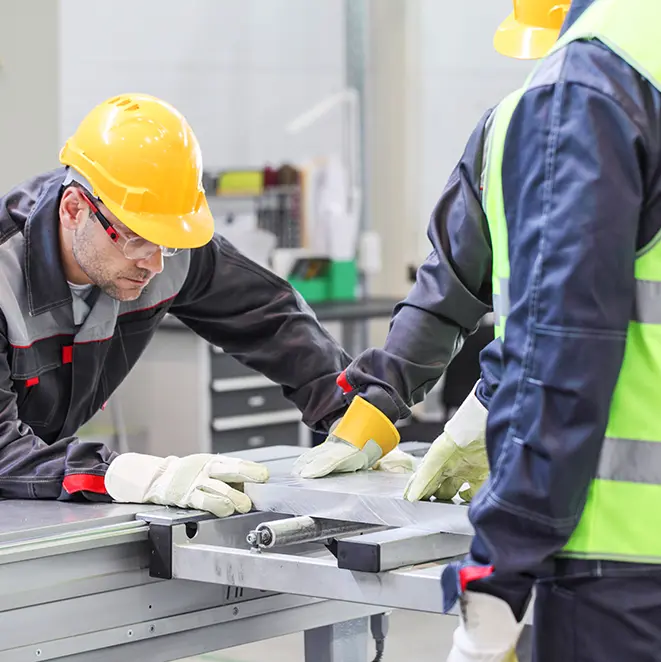

We provide and utilize high-quality Fenglu aluminum profiles. Extrusion lines from 800T to 20,000T support alloys 1xxx to 7xxx, with section dimensions up to 1.2m width or 28m length.

Our team of technicians brings 15 years of valuable experience. We understand customer requirements, identify potential issues, and deliver practical insights.
The global demand for customized landing zone safety nets is growing due to several key factors: the expansion of offshore wind power farms, the continuous building of naval vessels, and the modernization of urban medical flight paths.
For procurement managers, choosing a manufacturing partner requires verifying capacity and raw material origin. A key advantage of modern aluminum helideck nets over steel mesh is weight reduction. Our customized aluminum profiles reduce structural load by up to 50% compared to traditional steel structures, easing design limits for offshore engineering projects.
Additionally, the shift toward sustainable manufacturing supports the selection of recyclable aluminum alloys. Using recycled aluminum reduces energy consumption in production by up to 95%, aligning with corporate ESG targets.
Technical insight and expert guidance on helicopter landing zone safety nets and helideck infrastructure.
Explore our complete range of certified helideck components and customized landing zone safety nets.
 LvXing