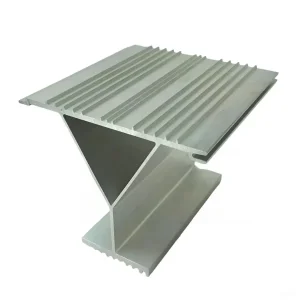
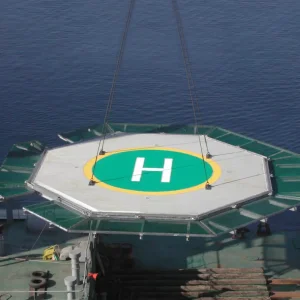
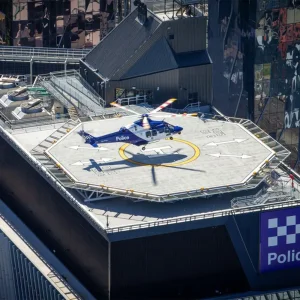
Explore our industrial range of high-strength helideck profiles, aluminum mesh solutions, and custom safety systems certified for extreme operational loads.
Extrusion Capability
Technical Expertise
ISO9001:2015 Quality System
Aerospace Quality Compliant
An in-depth look at regulatory frameworks, structural load factors, and metallurgy governing modern helideck perimeter safety nets.
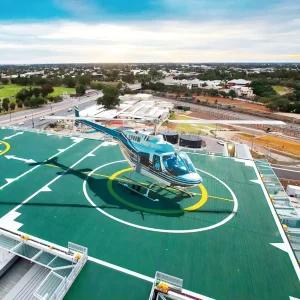
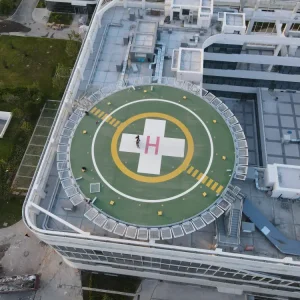
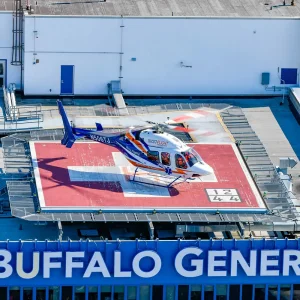
In modern aviation infrastructure, safety is governed by strict global guidelines. The Civil Aviation Authority (CAA) publication CAP 437 (Standards for Offshore Helicopter Landing Areas) and the Federal Aviation Administration (FAA) Advisory Circulars establish stringent requirements for perimeter safety nets. These guidelines stipulate that all helidecks—whether located on offshore drilling platforms, naval vessels, commercial yachts, or urban hospital rooftops—must feature a reliable, corrosion-resistant safety boundary.
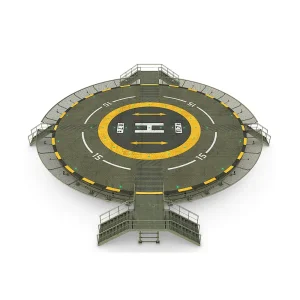
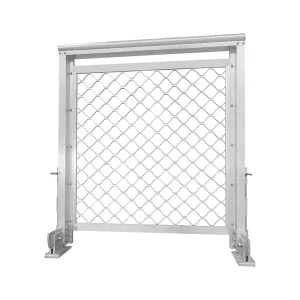
According to regulatory mandates, helideck perimeter safety nets must be designed to withstand a dynamic drop test of at least 100 kg dropped from a height of 1 meter without structural failure. This safety boundary must be mounted to angle upward and outward (typically between 10 to 15 degrees) around the landing area's circumference. By serving as an elastic catch system rather than a trampoline, the net is designed to absorb impact energy, prevent human falls, and protect maintenance crews from high-altitude slips.
SEO Insight & Information Gain: When sourcing a Customized Helipad Deck Perimeter Safety Net Supplier, engineering procurement managers must verify that the material profiles and structural connection components conform to CAP 437 and ICAO Annex 14 requirements. This ensures the structural integrity of both the framing and mesh under extreme wind and mechanical stress.
The integrity of a helideck safety net depends heavily on its metallurgy. While stainless steel wire mesh remains popular, structural framing solutions have evolved toward high-strength, lightweight aluminum alloys. Combining marine-grade 6000-series (such as 6061-T6 or 6082-T6) and 7000-series aluminum alloys provides the necessary tensile strength and corrosion resistance needed for offshore applications.
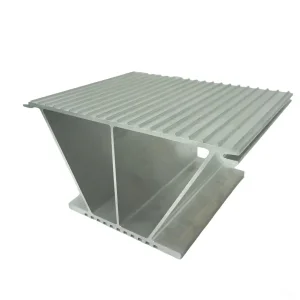
Using aluminum extrusions allows engineers to design complex cross-sectional geometries. These profiles maximize moment of inertia while keeping structural weight to a minimum. This weight savings is critical for offshore semi-submersibles and rooftop structures, where structural load margins are tightly calculated.
Learn how our state-of-the-art facilities in Foshan City, Guangdong, support global industrial infrastructure projects.
Established in 2015 and located in Foshan City, Guangdong, LvXing Intelligent Equipment Co., Ltd. boasts a skilled R&D team with extensive experience. We leverage exceptional technical expertise to effectively transform customers' ideas into reality, consistently meeting their precise requirements.
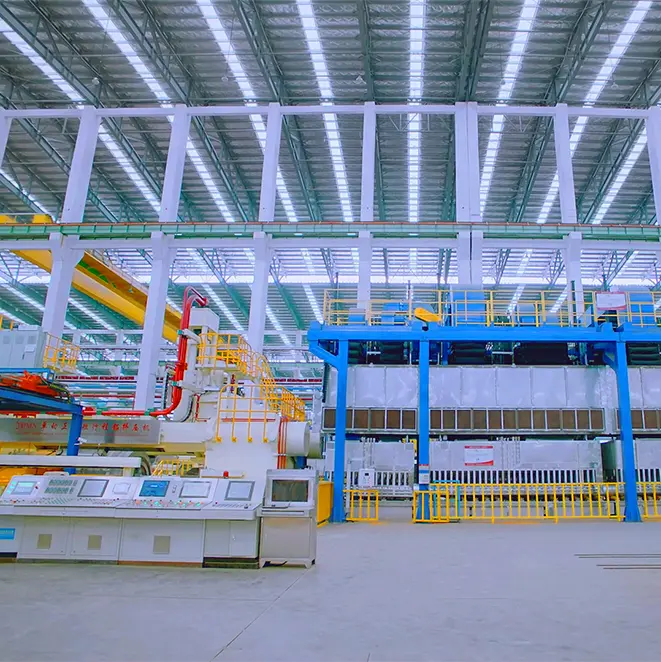
We utilize premium Fenglu aluminum, offering a diverse range of profiles for flexible applications. Our extrusion lines, ranging from 800T to 20,000T, accommodate alloys 1xxx, 2xxx, 3xxx, 5xxx, 6xxx, and 7xxx, allowing us to produce shaped products with section dimensions up to 1.2 meters in width and 28 meters in length. These products are recognized for their precision and meticulous processing, finding broad application in aerospace, military, medical, and industrial sectors.
Our commitment to excellence is evident throughout the manufacturing process, rigorous quality control, thorough packaging, and efficient shipping procedures. This dedication has earned us recognition as a national excellent and honest enterprise, along with quality system certification in accordance with GB/T19001-2016/ISO9001:2015 standards. We aspire to be your trusted business partner and warmly invite you to visit our factory.
Industry-certified aerospace materials and advanced manufacturing capabilities.

We have obtained the “Special Aluminium Materials for Aerospace” Certificate, ensuring compliance with aviation standards.
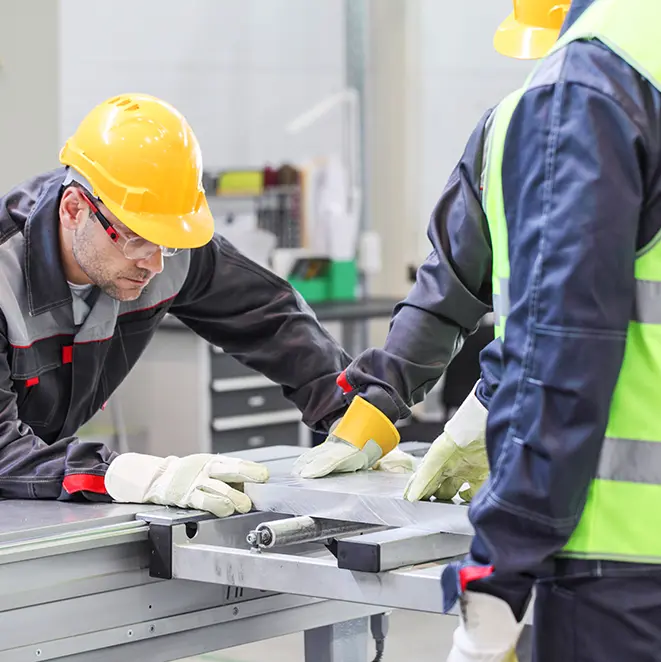

We provide and utilize high-quality Fenglu aluminum profiles. With extrusion lines ranging from 800T to 20,000T, we can produce alloys 1xxx, 2xxx, 3xxx, 5xxx, 6xxx, and 7xxx. We can manufacture fully shaped products with section dimensions up to 1.2 meters in width or 28 meters in length.
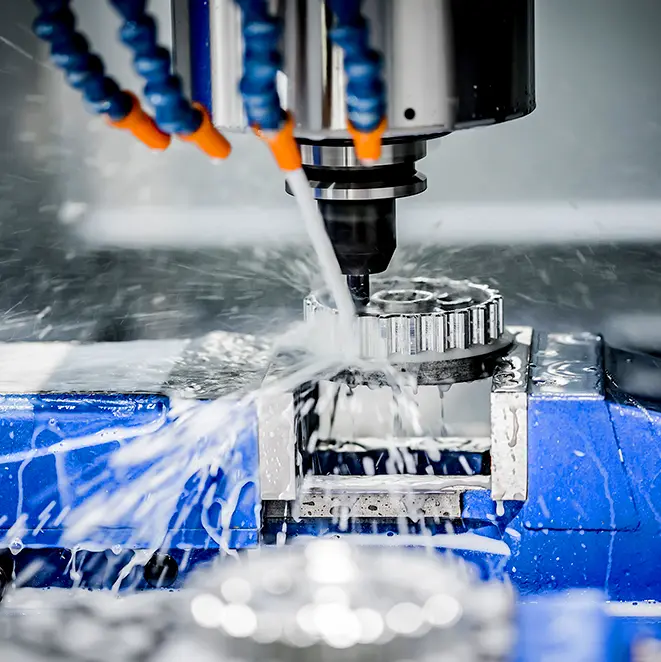

We have a team of technicians with 15 years of invaluable experience. Our deep understanding of customer requirements allows us to identify potential issues and offer practical insights, turning customer ideas into tangible products that meet specific needs.
Analyzing physical demands and design adjustments across diverse operating environments.
Operating in environments like the North Sea or the Gulf of Mexico exposes helidecks to constant salt spray, high winds, and moisture. Safety nets in these settings must use marine-grade aluminum framing and high-grade 316 stainless steel wire mesh. Our profiles undergo specialized anodizing treatments to prevent galvanic corrosion and pitting.
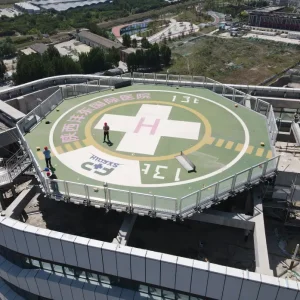
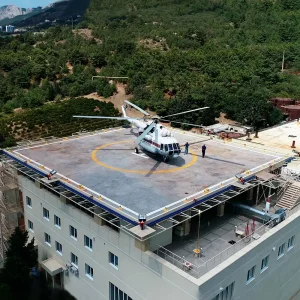
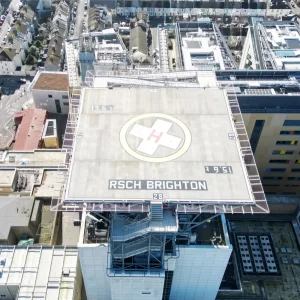
Rooftop trauma center helipads face strict dead-load limitations and structural vibration concerns. Lightweight aluminum safety nets minimize structural loads on buildings. By using custom-extruded aluminum support arms, hospitals can install CAP 437-compliant safety nets without requiring costly structural reinforcement.
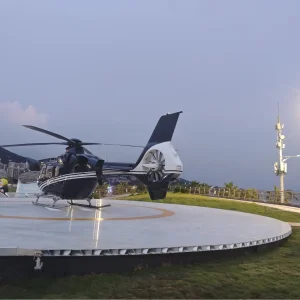
For luxury vessels, marine safety equipment must balance performance with aesthetic appeal. High-precision aluminum profiles with polished or powder-coated finishes integrate cleanly with yacht deck designs. Our custom-designed perimeter safety net framing easily folds or retracts when the deck is used for non-flight operations.
Naval operations demand rugged, reliable safety systems. High-strength aluminum alloys absorb landing impacts and resist wind-shear forces. Our 800T to 20,000T extrusion lines enable us to manufacture solid, continuous support spans that withstand extreme sea states and military deployments.
What procurement officers should look for when choosing a Customized Helipad Deck Perimeter Safety Net Supplier.
Industrial procurement managers prioritize supply chain stability and production throughput. Partnering with a manufacturer capable of in-house extrusion, heat treatment, and precision milling minimizes lead times. Lvxing's location in the Foshan manufacturing hub provides convenient access to global shipping channels, facilitating efficient ocean transport of structural profiles.
While basic steel mesh may offer lower initial costs, it often requires frequent inspection and replacement in harsh marine environments. In contrast, anodized marine-grade aluminum safety nets provide high corrosion resistance and low maintenance requirements. This yields a much lower total cost of ownership over a 15-to-25-year operational lifecycle.
An emerging trend in aviation safety is the integration of smart sensors into helideck safety nets. Using strain gauges and fiber-optic networks integrated into aluminum support brackets, monitoring systems can warn operators of tension loss or structural damage. This allows maintenance teams to schedule preventative maintenance before safety integrity is compromised.
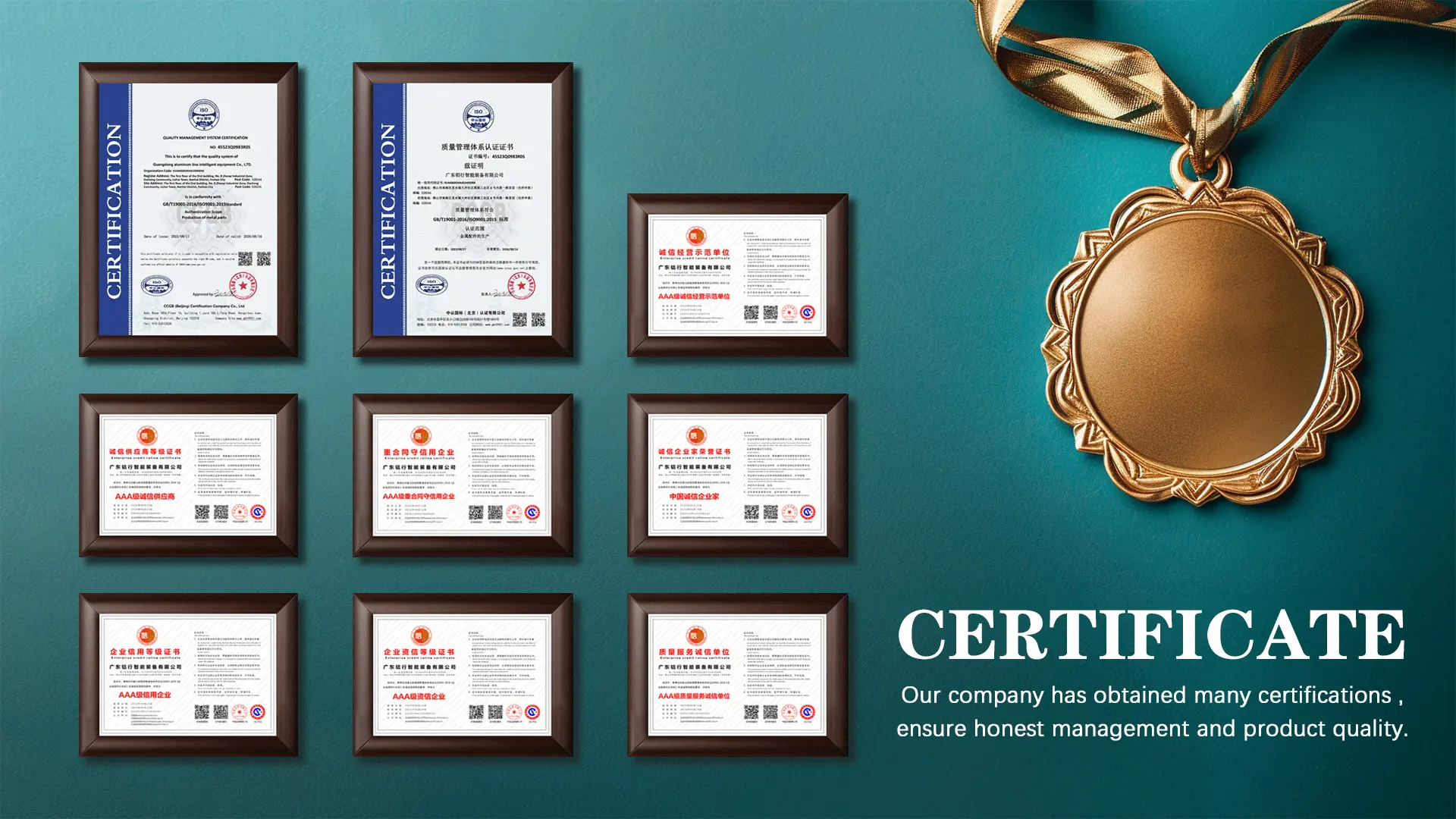
Answering common technical and regulatory questions from marine engineers and architectural consultants.
Explore our structural aluminum profiles, customized helipads, and safety systems built for reliable service in challenging operational environments.
 LvXing