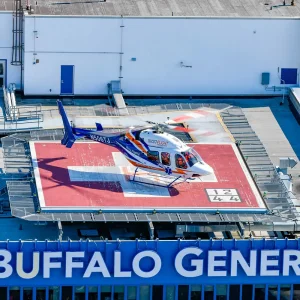
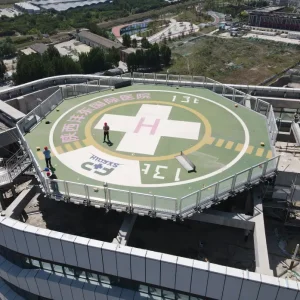
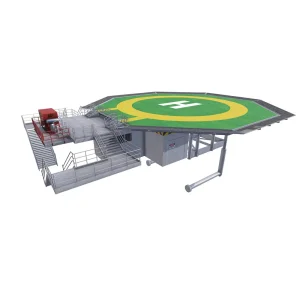
Explore our leading industrial safety solutions manufactured under strict compliance with global aviation regulatory frameworks.
Established in 2015 and strategically located in Foshan City, Guangdong, LvXing Intelligent Equipment Co., Ltd. stands as a premier global leader in high-performance aluminum solutions and landing net design. With a highly specialized R&D team and deep technical mastery, we effectively transform challenging custom safety concepts into robust, deployable realities.
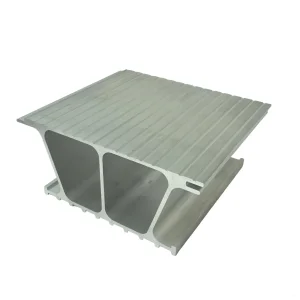
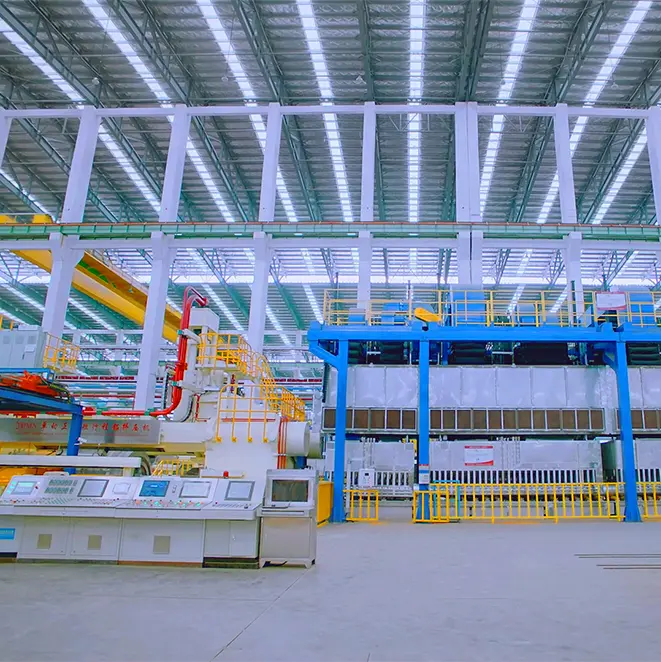
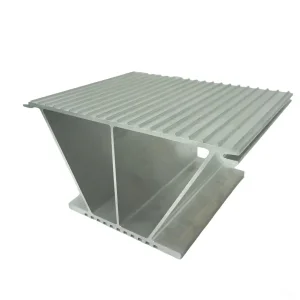
We work with raw materials sourced from the industry-renowned Fenglu Aluminum. Our state-of-the-art extrusion lines, with capacities ranging from 800T to 20,000T, accommodate advanced aluminum alloys across the 1xxx, 2xxx, 3xxx, 5xxx, 6xxx, and 7xxx series. This allows us to craft structural components and landing profiles measuring up to 1.2 meters in cross-sectional width and 28 meters in continuous length. These high-precision elements are rigorously optimized for aviation, defense, and high-stakes rescue applications.
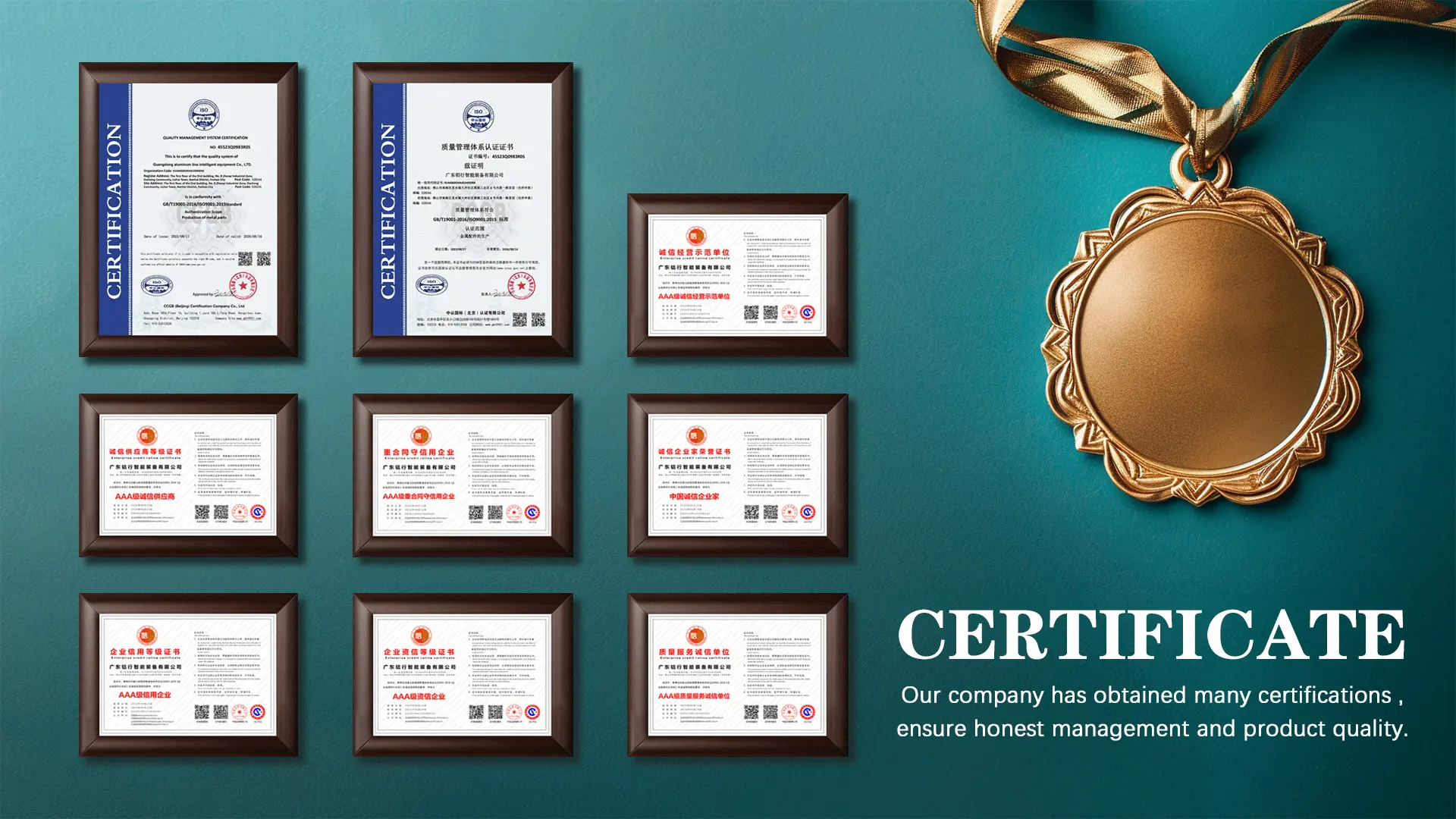
Our operation complies fully with the demanding quality assurance frameworks of GB/T19001-2016/ISO9001:2015. At Lvxing, we merge structural engineering, metallurgical innovation, and stringent drop-test parameters to deliver the world's most reliable high-ascent aircraft landing nets.
Understanding the critical demands of modern aeronautical deck engineering and perimeter security.
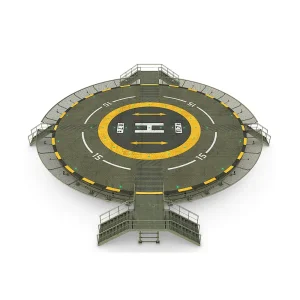
Global aviation regulators, including the International Civil Aviation Organization (ICAO Annex 14 Volume II) and the UK Civil Aviation Authority (CAP 437 Standards for Offshore Helicopter Landing Areas), mandate the installation of high-strength safety nets along the perimeter of elevated decks. These systems must effectively arrest fallen personnel, luggage, and debris without creating hazards for rotor blades or passenger access doors.
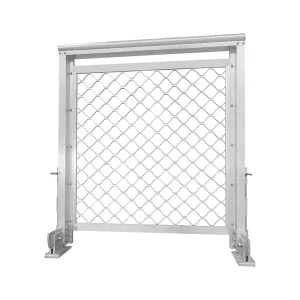
Traditional steel cables are prone to aggressive marine corrosion and severe fatigue failure, which has prompted engineers to transition to specialized, lightweight structural aluminum wire mesh systems. These modern configurations combine excellent mechanical load-bearing capacity with unparalleled corrosion immunity, maintaining structural integrity across decades of continuous exposure to harsh elements.
Rooftop helipads on high-rise commercial structures and oceanic oil rigs face distinct meteorological stressors, particularly wind shear, sub-zero icing conditions, and thermal expansion. Standard safety nets cannot cope with these dynamics.
Modern high-ascent nets are engineered to withstand lateral wind loads exceeding 100 knots, while simultaneously maintaining elastic compliance to absorb the energy of dynamic drop tests. These requirements necessitate advanced alloy compositions (such as 6005A-T6 and 6082-T6) that maintain structural performance throughout extreme temperature swings.
Engineered parameters of the aluminum alloy profiles utilized in Lvxing landing net systems.
| Alloy Specification | Tensile Strength (MPa) | Yield Strength (MPa) | Elongation (%) | Corrosion Resistance | Primary Landing Environment |
|---|---|---|---|---|---|
| 6061-T6 (Aerospace Grade) | ≥ 310 | ≥ 276 | 12% | Excellent | Urban Skyscrapers, Rooftop Helipads |
| 6082-T6 (High Stress) | ≥ 310 | ≥ 260 | 10% | High | Military Base Rooftops, Heavy Transport Decks |
| 6005A-T6 (Complex Extrusion) | ≥ 270 | ≥ 225 | 8% | High | Perimeter Support Frames, Custom Extrusion Profiles |
| 5052-H32 (Flexible Mesh) | ≥ 230 | ≥ 190 | 12% | Outstanding (Marine) | Offshore Rigs, Ship Deck Helidecks |
Why Tier-1 global aviation contractors trust Lvxing Intelligent Equipment for mission-critical installations.

Lvxing has secured the prestigious "Special Aluminium Materials for Aerospace" certification. We use only prime-grade raw billets to eliminate structural inconsistencies and guarantee dynamic strain compliance during unexpected drops.

Through our integration with Fenglu Aluminum, we can extrude complete profile cross-sections up to 1.2m wide and continuous spans up to 28m. This capability minimizes welded seams, maximizing overall structural strength.

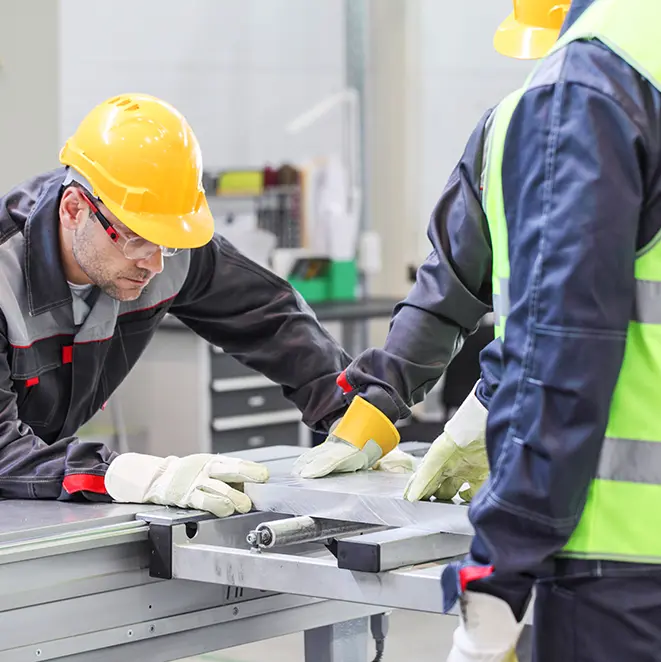
Our engineers boast over 15 years of industry experience. Using advanced structural simulation software, we analyze wind, thermal, and shock loads, turning design concepts into certified safety systems.
Combining structural performance with competitive global logistics, fast turnaround, and unmatched raw material access.
Lvxing’s facility in Foshan, Guangdong sits at the heart of the world’s most advanced aluminum industrial cluster. This close proximity to primary smelters, chemical treatment facilities, and testing labs dramatically reduces lead times. We source high-grade Fenglu billet material immediately, bypassing the long supply queues that challenge Western fabricators.
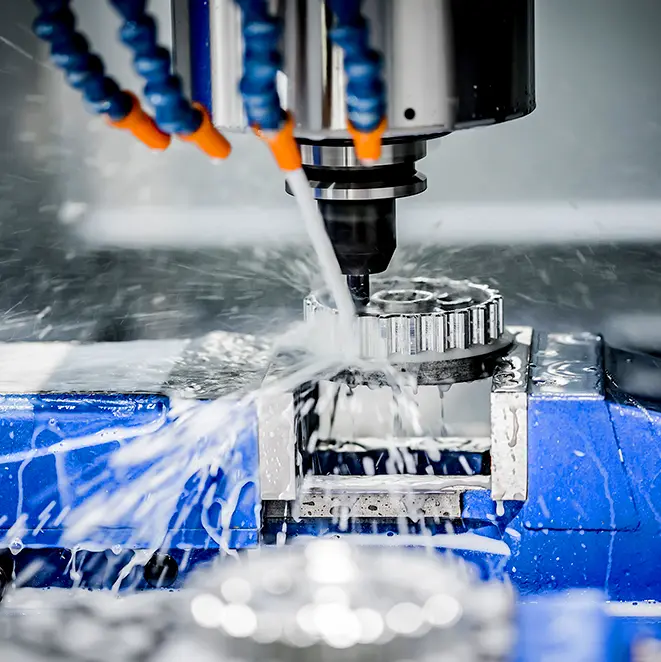
This streamlined supply chain enables us to initiate extrusion, heat treatment, anodization, and net assembly within a single, cohesive workflow. As a result, we can deliver custom-engineered landing net profiles up to 40% faster than regional competitors in North America or Western Europe.
Exporting landing net systems globally requires meticulous component design that fits standard shipping container dimensions. Our design engineers optimize net frames into modular structures that can be easily shipped and rapidly assembled on site. This minimizes shipping costs and cuts down on crane time during installation on offshore platforms or skyscrapers.
Our proximity to Shenzhen and Guangzhou ports ensures efficient global maritime transit. Every shipment is carefully crated and packed to prevent physical damage, complete with comprehensive English installation manuals, quality certifications, and compliance reports.
Custom-fit safety solutions tailored to the unique demands of skyscrapers, ocean vessels, hospitals, and tactical sites.
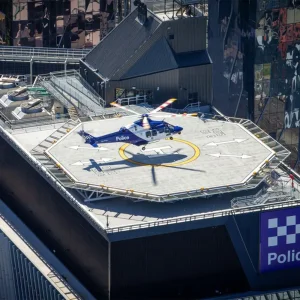
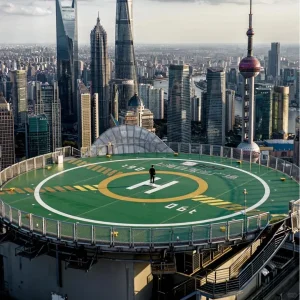
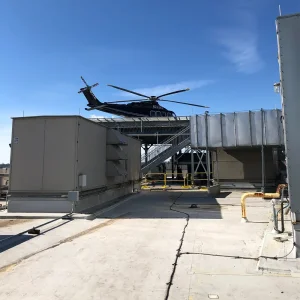
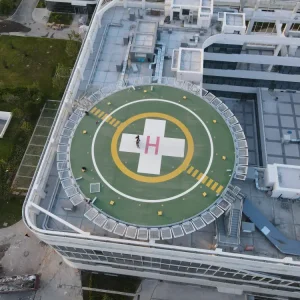
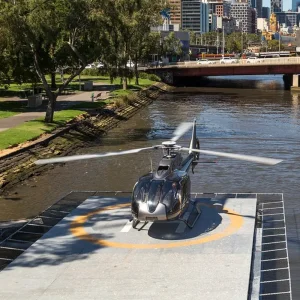
Helipads atop high-rise metropolitan structures are subject to extreme wind velocities and localized updrafts. Perimeter safety nets must be aerodynamically transparent to prevent lift forces from compromising the deck’s structural connections. Lvxing’s aluminum mesh provides minimal wind resistance while retaining its full structural safety margin. This ensures skyscraper helipads remain compliant with local building codes and international aviation safety regulations.
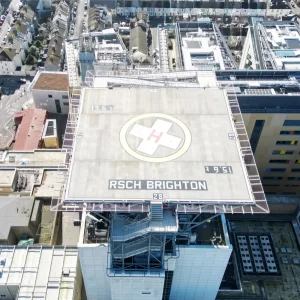
Medical helipads require maximum safety and clean design. Hospital perimeter safety nets must be entirely reliable, maintenance-free, and designed to prevent personnel from falling while allowing clear line-of-sight. We manufacture hospital rooftop safety systems with non-reflective finishes to prevent glare, ensuring pilots can land safely under night-vision goggles or during intense rainstorms.
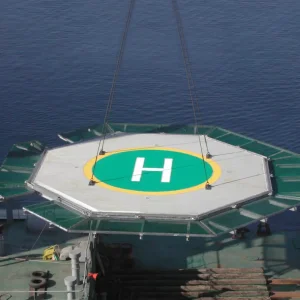
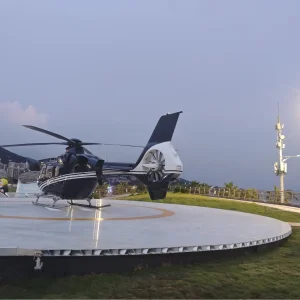
Salt spray, intense UV radiation, and high humidity rapidly degrade inferior metals. For marine decks and offshore drilling rigs, we utilize specialized 5000 and 6000 series aluminum alloys. Our profiles undergo advanced anodization, resulting in a thick, protective oxide layer that resists chloride attacks. This long-lasting corrosion protection eliminates the need for painting, reducing maintenance costs on remote offshore installations.
Tactical and military landing zones demand robust equipment that can withstand high-frequency, heavy-payload operations. Helicopter landing nets for defense infrastructure are engineered with high impact-resistance ratings. Our landing nets absorb energy and distribute the force of heavy equipment drops, protecting both personnel and the structural integrity of the rooftop deck.
Key technical criteria to evaluate when selecting a landing net manufacturer for high-altitude projects.
Always verify that the manufacturer's products comply with international aviation standards. A qualified supplier must provide test records verifying the net can withstand a drop test equivalent to a 100kg body falling from a height of 1.0 meter. Additionally, support structures should be designed to deflect without permanent deformation. Lvxing provides compliance documentation with every product delivery.
High-integrity aviation projects require full material traceability. Ensure your supplier can provide Mill Test Certificates (MTC) linking the final product back to the primary aluminum batch. Through our partnership with Fenglu Aluminum, Lvxing offers complete material traceability, guaranteeing the mechanical properties of every extruded profile.
While low-cost options may seem appealing, they often lead to expensive maintenance, corrosion damage, and early replacement. Investing in anodized aluminum nets saves money in the long run. By eliminating the need for periodic painting and rust treatment, aluminum structures offer a low total cost of ownership, making them the most cost-effective choice for modern landing decks.
No two helidecks are identical. A manufacturer must offer comprehensive CAD/BIM modeling support to integrate landing net structures into your building designs. Lvxing’s engineering department provides custom drafting services, ensuring that framing angles, attachment points, and netting dimensions match your project specifications.
Company Established
Maximum Extrusion Capacity
Certified Quality System
Aviation Compliance Rating
Detailed engineering and procurement answers from our technical department.
Access our complete catalog of certified aviation safety meshes, landing profiles, and deck systems.
 LvXing