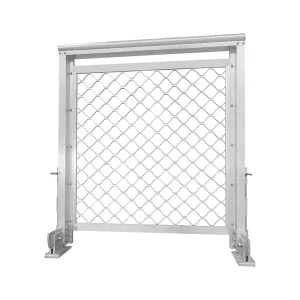
Wholesale Aluminum Profile Windows Manufacturer & Supplier

Providing high-performance structural systems, precision thermal-break window profiles, and specialty aerospace & architectural installations engineered for extreme durability.

Precision Engineering & Structural Excellence by LVXING

Established in 2015 and located in Foshan City, Guangdong, LvXing Intelligent Equipment Co., Ltd. has grown to become a benchmark manufacturer in the custom aluminum extrusion sector. Leveraging an elite Research & Development team with decades of combined engineering experience, we seamlessly convert complex blueprints into structural solutions, meeting the precise mechanical tolerances and aesthetic properties demanded by high-tier window and architectural system specifiers.

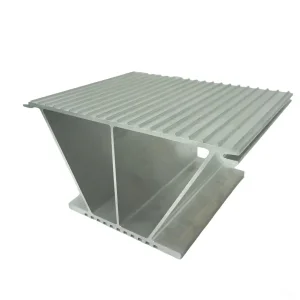
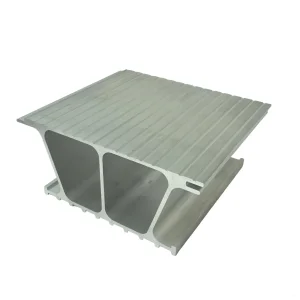
We strictly utilize premium Fenglu aluminum, providing a diverse catalog of high-performance profiles. Operating state-of-the-art hydraulic extrusion lines with capacities ranging from 800 Tons to 20,000 Tons, we manage complex cross-sectional geometries in critical alloy tempers, including 1xxx, 2xxx, 3xxx, 5xxx, 6xxx, and 7xxx. This allows us to produce customized shapes with cross-sectional widths reaching 1.2 meters and structural components up to 28 meters in length.

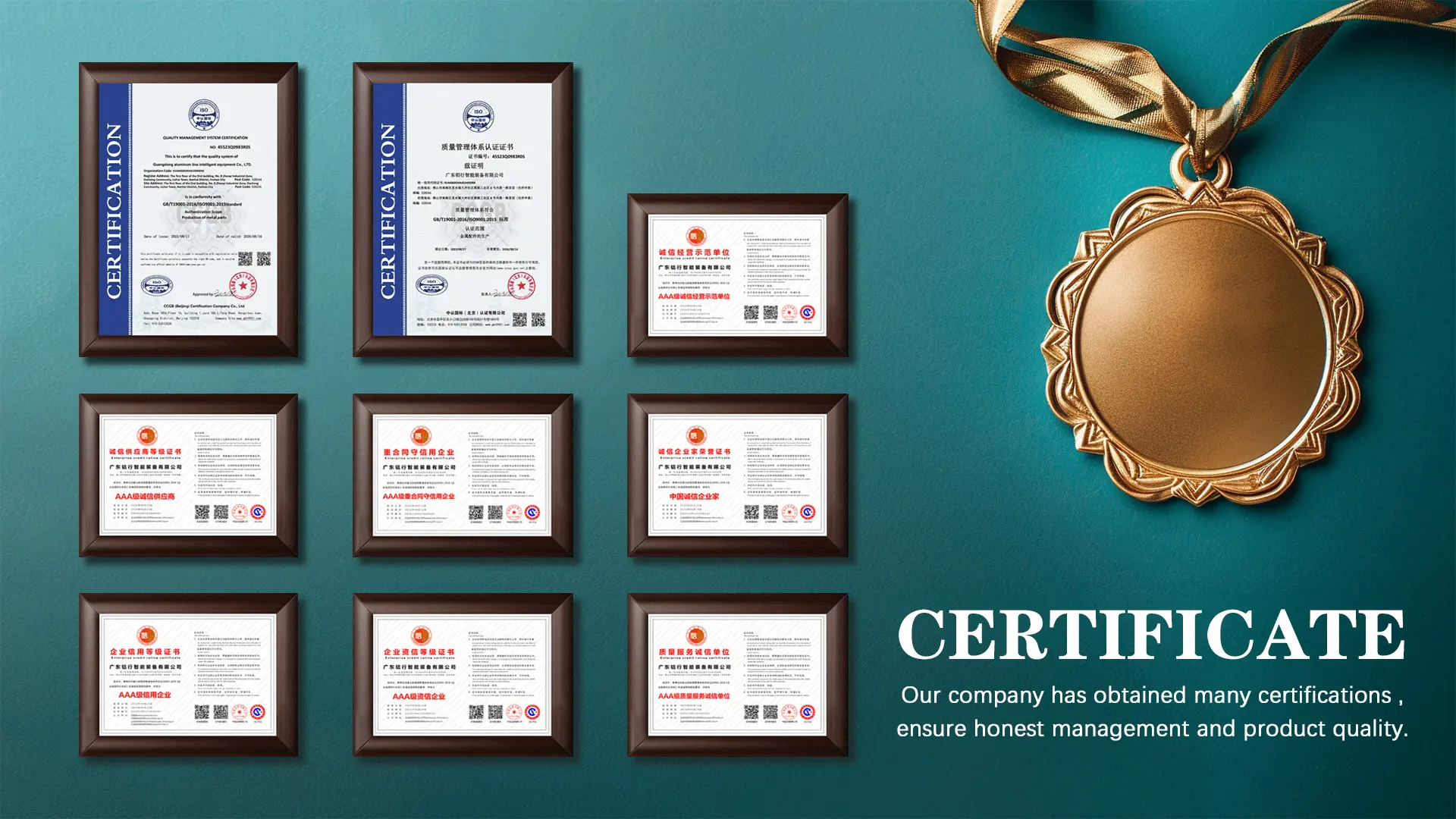
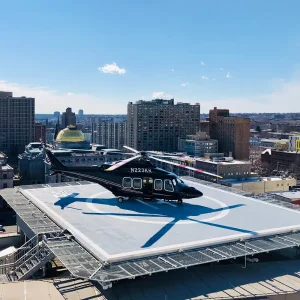
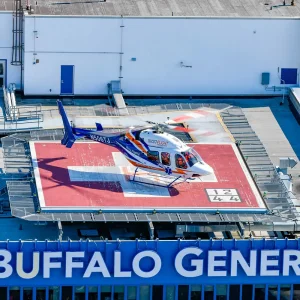
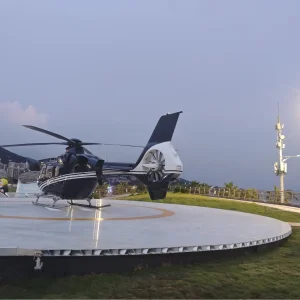
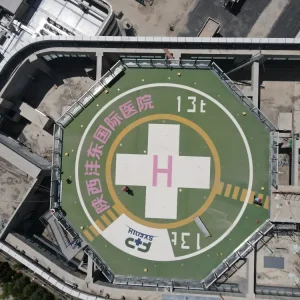
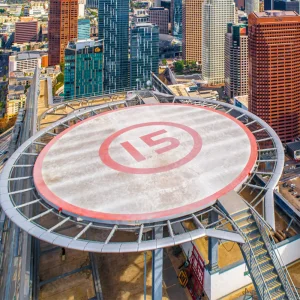
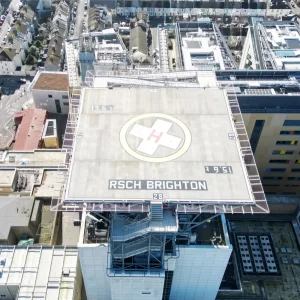
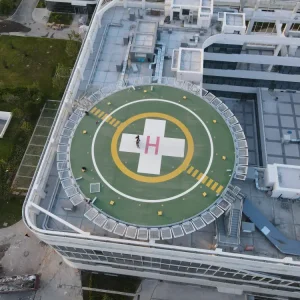
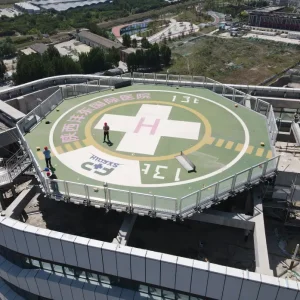
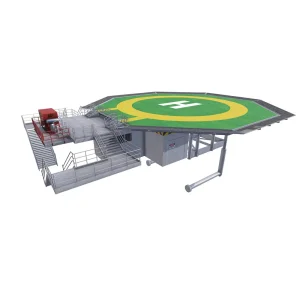
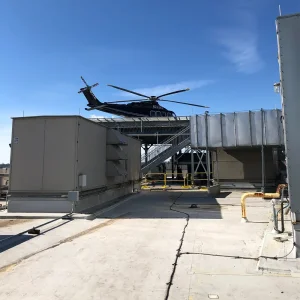
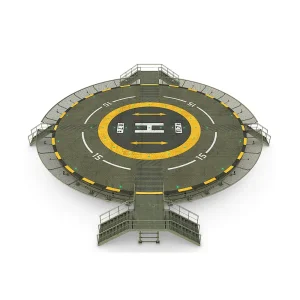
Our commitment to compliance, aerospace certifications, and structural safety guarantees that every structural aluminum profile—whether for high-load window panels, curtain walls, or custom emergency landing platforms—complies with the rigid quality control metrics of ISO9001:2015 standards.

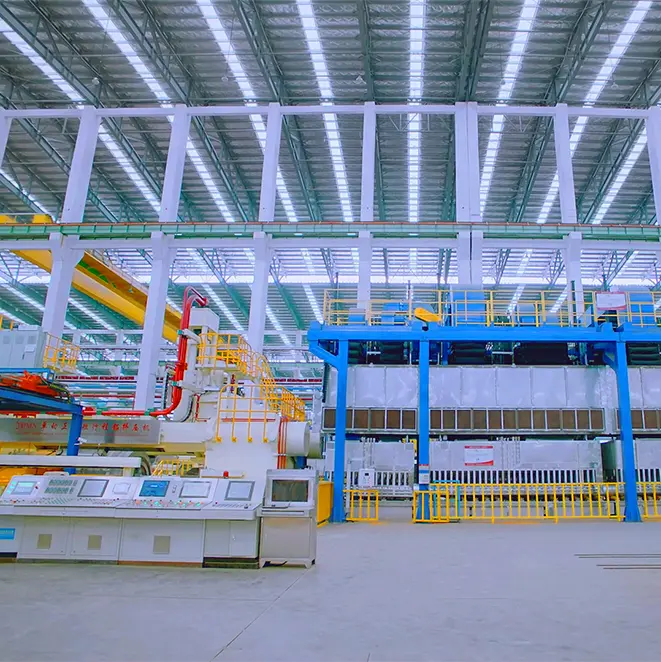
Guangdong Foshan Production Base

Situated in the heart of China's aluminum industry, our infrastructure enables accelerated supply chains and elite toolmaking capabilities.

ISO9001 & GB/T19001 Certified

A fully traceable quality management system ensuring consistency, straightness, and structural reliability for window systems and architectural structural zones.

20,000T
Max Extrusion Capacity
28m
Maximum Profile Length
15+
Years R&D Expertise
1.2m
Max Cross-section Width

Our Competitive Advantage

Combining industrial capacity with extreme engineering precision to deliver structural aluminum solutions that exceed standards.

Special Aerospace Aluminium Materials Certification
Aerospace Certification Icon
We have obtained the prestigious "Special Aluminium Materials for Aerospace" Certificate. This validates our capacity to manufacture profiles with zero internal defects, high tensile strength, and superior resistance to environmental degradation.
High-capacity Fenglu Aluminum Extrusions
Extrusion Icon
Utilizing high-grade Fenglu raw materials, our 800T to 20,000T extrusion lines handle alloys 1xxx, 2xxx, 3xxx, 5xxx, 6xxx, and 7xxx. We produce cross-sections up to 1.2m wide and lengths up to 28m.
15 Years Technical Team Expertise
Technical Team Icon
Our engineering team holds 15 years of practical B2B industry experience. We evaluate structural requirements, detect potential failure points, and optimize profile cross-sections for cost and performance.
LVXING Structural Engineering Design Portfolio

Aluminum Window Trends

Modern curtain walls and architectural windows are shifting toward high-insulation thermal break profiles. To support large, triple-glazed units, profile manufacturers must produce ultra-strong 6060-T6 or 6063-T6 alloys with precise tolerances to prevent deflection under heavy wind loads.

Global B2B Sourcing Demands

Global procurement departments prioritize factories with comprehensive capabilities. Specifying teams demand integrated CNC machining, anodizing, powder coating, and structural simulation services under one roof to reduce logistics costs, minimize risks, and verify quality standards.

Structural Compliance

High-altitude structures, commercial high-rises, and offshore landing pads must meet strict safety guidelines. Our compliance protocols verify yield strength, wind load, deflection capacity, and galvanic corrosion resistance to ensure compatibility with international building codes.

Advanced Structural Extrusions: Merging Aviation Technology with Modern Architecture

In high-end architectural glazing and curtain wall installation, mechanical performance determines long-term structural viability. Standard commercial window systems are frequently challenged by wind pressure, seismic movement, and environmental weathering. Drawing on our experience with structural platforms and aerospace-grade aluminum, LVXING engineers profile systems capable of managing significant wind loads and structural stress.

Alloy Science and Heat Tempering for High-Performance Fenestration

The performance of an aluminum window system depends on the alloy selection and temper state. While residential systems typically use standard 6063-T5 aluminum, commercial curtain walls and high-rise windows require stronger alternatives. Our 800T to 20,000T extrusion lines allow us to work with structural alloys that balance strength, ease of extrusion, and surface finish:

  • 6063 (T5, T6, T66): Excellent surface finish, corrosion resistance, and thermal performance, ideal for standard commercial storefront windows.
  • 6061-T6: High structural strength and yield capacity, preferred for large mullions, heavy-duty window frames, and supportive subframe profiles.
  • 6082-T6: Highly resistant to dynamic mechanical loads, commonly used in offshore architectural frames, external glazing, and marine window installations.
  • 7075-T6 & Specialty Alloys: Used in critical structural sections and aviation platforms where weight-to-strength ratios are paramount.

High-Tonnage Extrusions for Large Glass Spans

Contemporary architectural designs prioritize large glass panels to maximize natural light and views. Supporting these heavy, triple-glazed insulated units requires deep, rigid aluminum frames. Our 20,000-ton extrusion press produces large profile sections up to 1.2 meters wide. This enables developers to use unified, continuous aluminum profiles for curtain wall assemblies and large sliding window systems, reducing the need for weak structural joints and improving weatherproofing.

Anodizing, Surface Finish, and Environmental Resilience

Architectural window profiles must withstand harsh conditions, including UV exposure, temperature shifts, and salty coastal air. Our finishing treatments offer long-term protection:

  • Precision Anodizing: Forms a durable, integrated oxide layer that prevents corrosion and fading in coastal regions.
  • PVDF & Powder Coating: Provides a wide color palette with high UV resistance, helping profiles retain their color and gloss for decades.
  • Thermal Break Insulation: Employs structured polyamide insulating strips to lower thermal conductivity, helping commercial buildings meet energy efficiency targets.

Technological Roadmap & Innovations

At LVXING, we continuously update our extrusion processes to support sustainable, high-efficiency building designs. Our R&D focuses on several key areas:

1. Ultra-Slim Structural Profiles

Developing high-strength aluminum alloys that maintain structural integrity with thinner visible frame lines, meeting the demand for minimalist architectural window designs.

2. Low-Carbon Aluminum Sourcing

Using secondary aluminum and clean-energy extrusion processes to lower the embodied carbon of our profiles, helping developers secure LEED and BREEAM environmental certifications.

3. Pre-Engineered Architectural Assemblies

Integrating gasket tracks, locking channels, and thermal breaks directly into the extrusion process to reduce on-site labor and ensure reliable performance.

Research & Development Focus Areas

Alloy Strength & Ductility

Developing high-tensile 6xxx series alloys that offer robust structural support without sacrificing extrusion speed or surface finish quality.

Advanced Tooling & Die Design

Using simulated extrusion modeling to optimize die geometries, ensuring consistent wall thickness across complex, multi-hollow window sections.

Integrated Thermal Insulation

Co-extruding structural profiles with glass-fiber reinforced polyamide strips to create highly efficient thermal-break window systems.

Technical Q&A: Aluminum Window Profiles & Structural Systems

Answers to technical, logistical, and structural questions commonly asked by architects, building engineers, and procurement professionals.
Q1: What are the main differences between 6063-T5 and 6063-T6 alloys for window profiles?
The difference lies in the artificial aging process. 6063-T5 is cooled from high-temperature shaping and then artificially aged, providing good strength and workability. 6063-T6 is solution heat-treated and then artificially aged, giving it higher tensile and yield strength. T6 is preferred for larger window spans and curtain walls subjected to higher wind loads, while T5 is typically used for standard residential windows.
Q2: How does a 20,000T extrusion press benefit large-scale architectural projects?
High-tonnage presses (up to 20,000T) allow for the extrusion of wider cross-sections (up to 1.2m) and longer seamless profiles (up to 28m). This enables the creation of large, single-piece mullions, transit profiles, and structural subframes. Using larger single-piece extrusions reduces the need for joints, lowering installation costs, improving water tightness, and enhancing structural integrity under stress.
Q3: Why is Fenglu aluminum selected as the primary raw material?
Fenglu aluminum is recognized for its consistent chemical composition and purity. Using high-grade raw material prevents internal defects, air bubbles, and trace contamination in the extruded profiles. This ensures consistent mechanical properties, reliable anodizing finishes, and dependable structural performance across production runs.
Q4: What finishes are recommended for aluminum windows in coastal environments?
For coastal projects, we recommend either high-thickness anodizing (Class I, 18+ microns) or PVDF (fluoropolymer) coatings. Both treatments provide excellent protection against salt spray, humidity, and UV degradation, helping to prevent pitting, chalking, and paint peeling in marine climates.
Q5: Can aerospace-certified aluminum profiles be used in architectural window design?
Yes, our aerospace-certified production capabilities translate to architectural projects. The processes required for aerospace certification—such as precise alloy sorting, ultrasonic flaw detection, and strict tolerance control—allow us to produce heavy-duty, high-integrity window and curtain wall systems for high-pressure zones, high-rise buildings, and seismically active areas.
Q6: How do thermal break profiles improve the energy efficiency of aluminum windows?
Aluminum is a highly conductive metal. A thermal break system inserts a non-conductive barrier—typically a glass-fiber reinforced polyamide strip—between the inner and outer aluminum sections. This interrupts the path of thermal energy, significantly reducing heat transfer, lowering heating/cooling costs, and preventing condensation on interior window frames.
Q7: What quality control standards are applied to LVXING custom extrusions?
Our quality control protocols comply with GB/T19001-2016 and ISO9001:2015 standards. We carry out inspections at every stage of production, including raw material verification, extrusion speed monitoring, hardness testing after aging, dimensional tolerance checks, and surface coating thickness assessments.
Q8: What customized processing services does your facility offer?
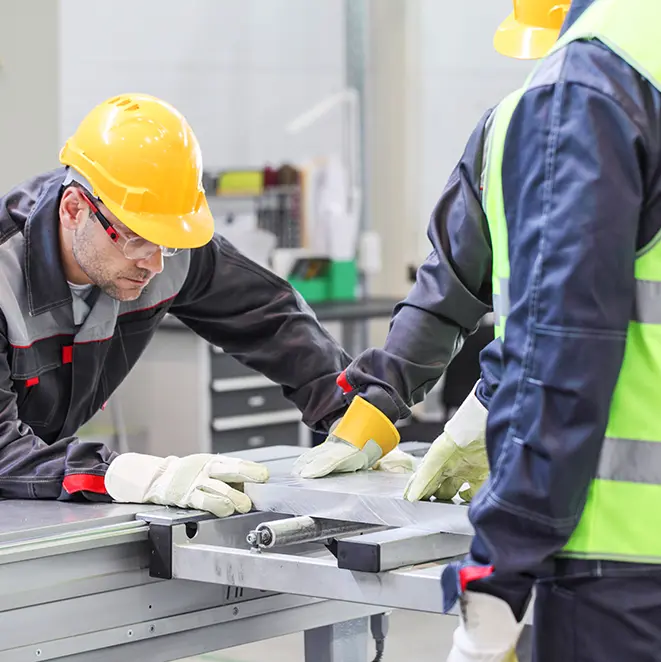
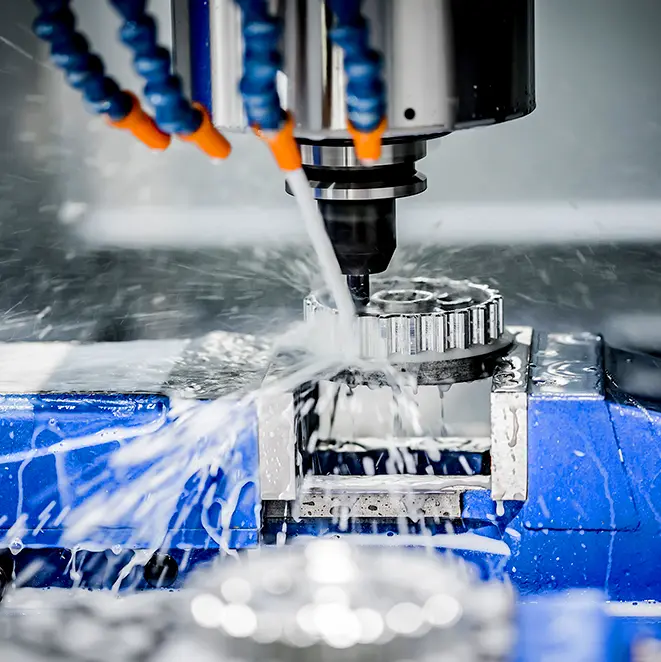
We provide a complete range of post-extrusion fabrication services, including multi-axis CNC milling, precision cutting, punching, drilling, corner crimping, and assembly. This allows buyers to receive pre-fabricated window frame profiles that are ready for immediate glazing and hardware installation on-site.
Q9: How do you ensure profiles remain straight during long-length extrusion (up to 28m)?
We use advanced hydraulic stretching machines to align profiles immediately after cooling. This relieves internal stresses and ensures straightness tolerances meet international structural standards, making long profiles suitable for direct use in curtain walls and specialized landing platforms.
Q10: What is the typical lead time for custom die design and sample production?
Custom die design and tooling fabrication generally take 10 to 14 days, depending on the complexity of the profile's cross-section. Once the die is approved, sample extrusions are produced and tested within 3 to 5 days, followed by mass production upon client sign-off.