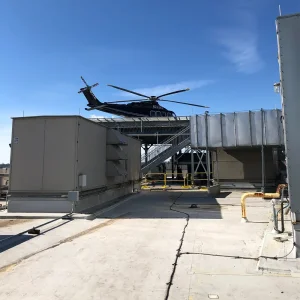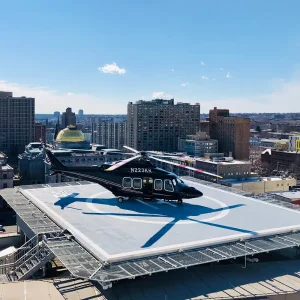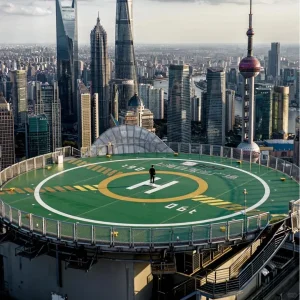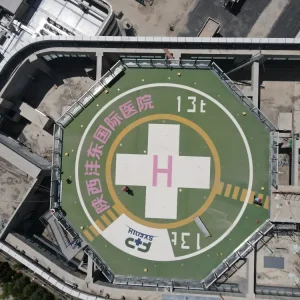
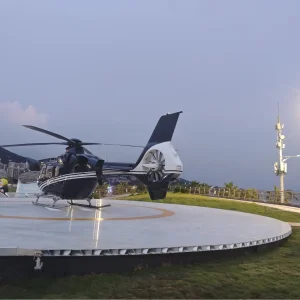
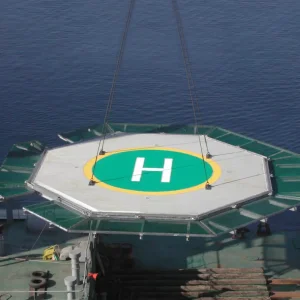
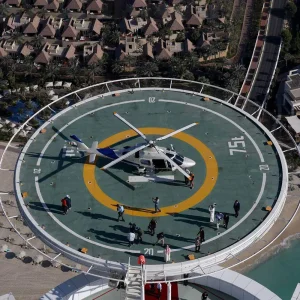
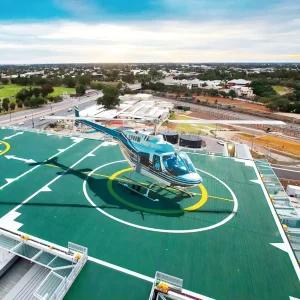
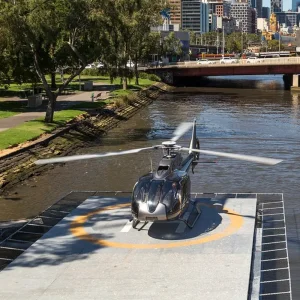
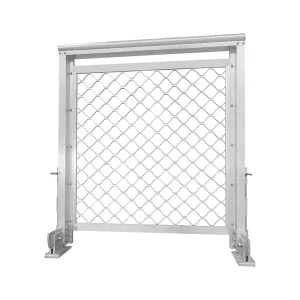
In the high-risk arenas of offshore petroleum exploration, commercial maritime operations, and urban skyscraper emergency services, the integrity of a helicopter landing deck is of paramount safety. A critical safety components of this setup is the Helideck Perimeter Safety Net. Historically made from synthetic fibers, the industry has experienced a major paradigm shift. Global engineers and regulatory boards now mandate or strongly advocate for the installation of rigid, corrosion-resistant marine-grade aluminum alloy safety mesh systems. These advanced metallic configurations deliver significantly longer lifecycles, eliminate UV degradation concerns, and offer robust kinetic resistance against accidental personnel falls or structural impacts.
This evolution is closely tied to rigorous regulatory standards. Organizations such as the Civil Aviation Authority (CAA) via CAP 437 (Standards for Offshore Helicopter Landing Areas) and CAP 1264 (Standards for Helicopter Landing Areas at Hospitals) establish strict performance protocols. Landing decks must feature perimeter nets with a dynamic load rating capable of arresting a falling body without tearing, collapsing, or causing secondary trauma. China's top manufacturers, led by LvXing Intelligent Equipment Co., Ltd., have driven technical refinement in aluminum extrusion, producing lightweight yet high-tensile safety systems that satisfy the strict certifications of DNV, ABS, and Lloyd's Register.
Guarantees compliance with international offshore standards, including impact energy absorption and corrosion testing in severe maritime conditions.
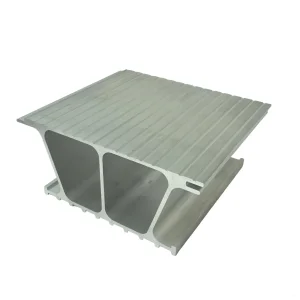
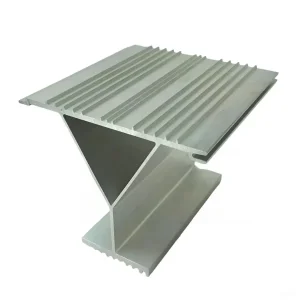
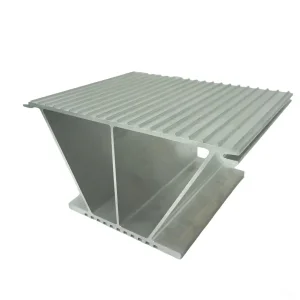
Engineered using 6000-series structural marine-grade aluminum alloy profiles, offering non-sparking safety properties.
Engineered to withstand kinetic impacts exceeding 2.3 kJ, maintaining optimal tension without structural sag or failure.
Established in 2015 and located in Foshan City, Guangdong, LvXing Intelligent Equipment Co., Ltd. boasts a skilled R&D team with extensive experience. We leverage exceptional technical expertise to effectively transform customers' ideas into reality, consistently meeting their precise requirements.
We utilize premium Fenglu aluminum, offering a diverse range of profiles for flexible applications. Our extrusion lines, ranging from 800T to 20,000T, accommodate alloys 1xxx, 2xxx, 3xxx, 5xxx, 6xxx, and 7xxx, allowing us to produce shaped products with section dimensions up to 1.2 meters in width and 28 meters in length. These products are recognized for their precision and meticulous processing, finding broad application in aerospace, military, medical, and industrial sectors.
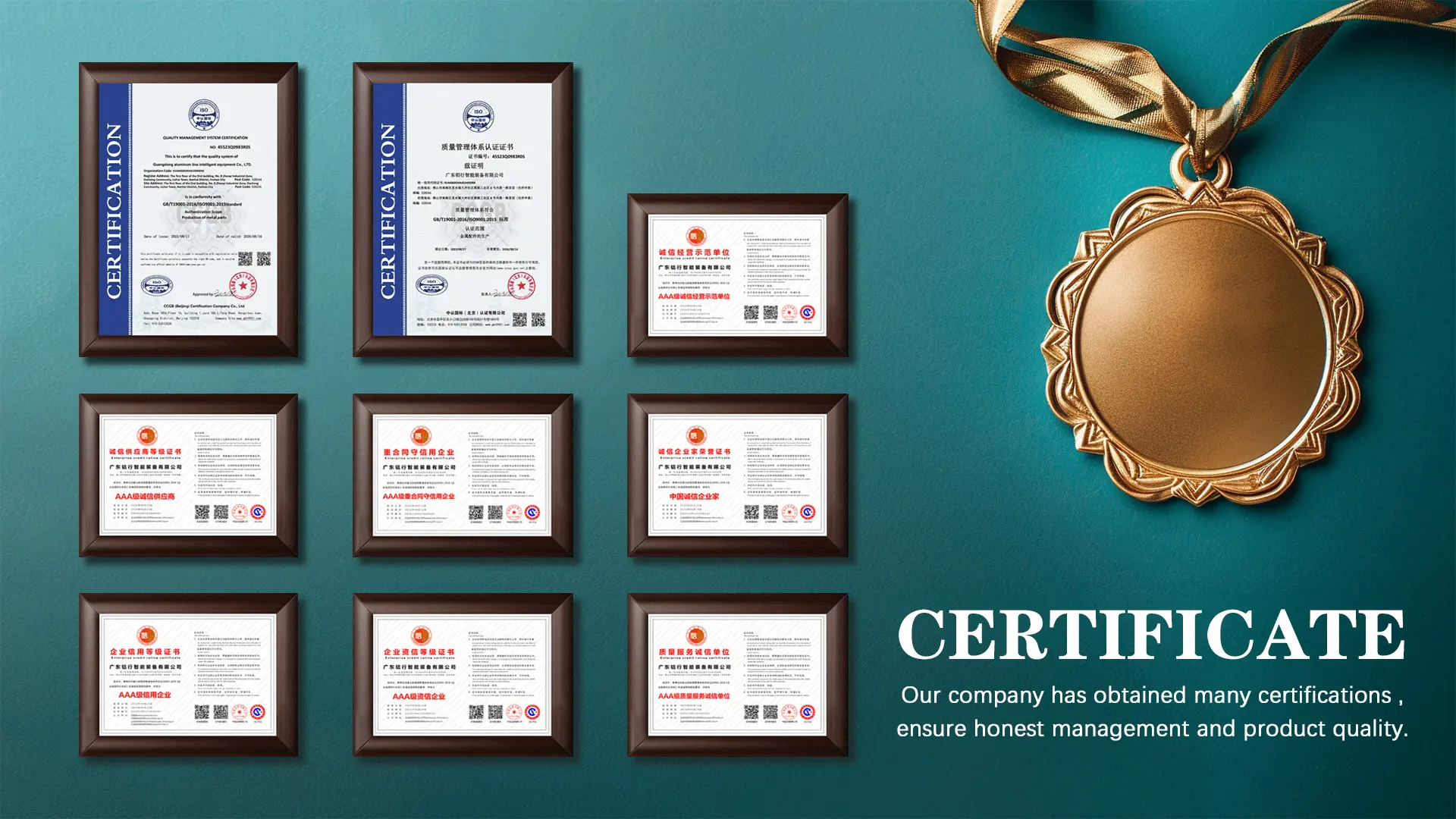
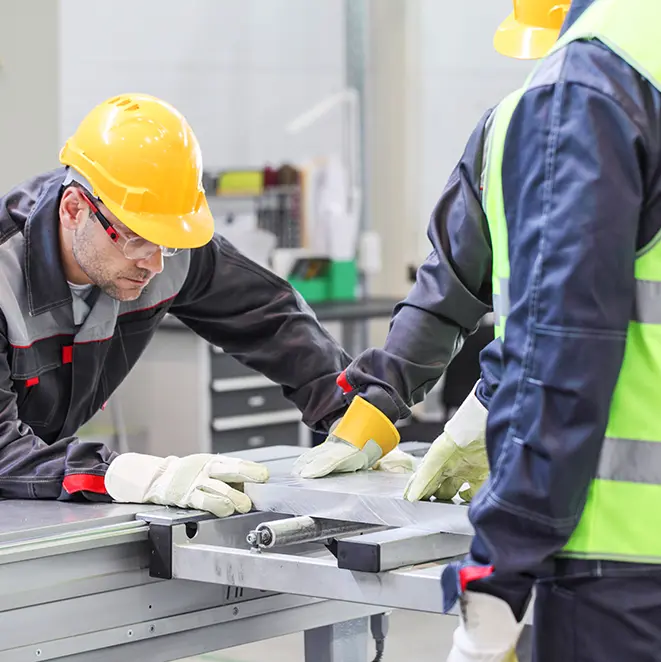
Our commitment to excellence is evident throughout the manufacturing process, rigorous quality control, thorough packaging, and efficient shipping procedures. This dedication has earned us recognition as a national excellent and honest enterprise, along with quality system certification in accordance with GB/T19001-2016/ISO9001:2015 standards.
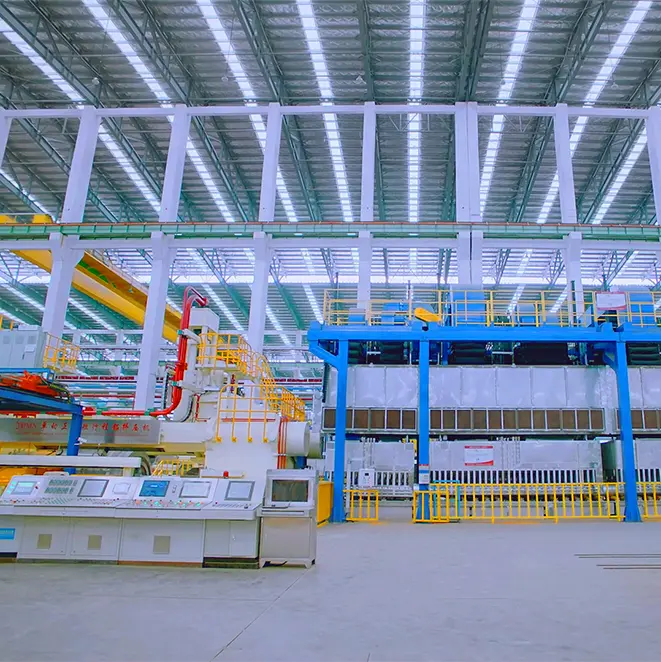



Modern architectural and marine designs demand specialized, application-specific solutions. A safety net configuration optimized for a static hospital landing pad requires different engineering than one destined for a dynamic offshore oil rig or a naval helicopter deck. By utilizing high-capacity extrusion infrastructure (up to 20,000T), LvXing delivers application-specific structural profiles tailored to distinct environmental and regulatory requirements:
| Application Sector | Primary Standards Reference | Key Material Selection | Critical Engineering Focus |
|---|---|---|---|
| Offshore Oil & Gas Platforms | CAP 437, Lloyd's, DNV-OS-E401 | Alloy 6082-T6, 316 Stainless Steel Cable | Extreme salt spray resistance, marine gale load dissipation. |
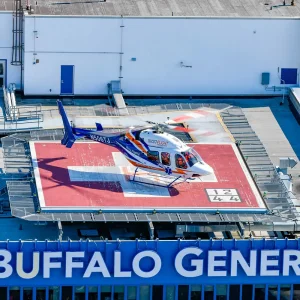
| Municipal Hospital Rooftops | CAP 1264, FAA Advisory Circulars | Alloy 6063-T6, lightweight modular mesh | Rapid installation, low structural weight penalty on building frame. |
| Naval Vessels & Superyachts | Military Specs, ABS Marine Rules | High strength 5xxx/7xxx series alloys | Dynamic vessel motion analysis, non-magnetic/non-sparking compliance. |
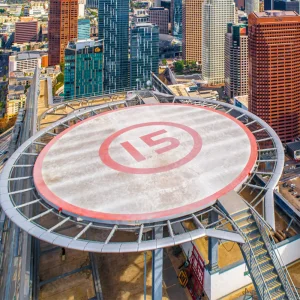
| Urban Skyscrapers & Hotels | Local Building Codes, ICAO Annex 14 | Powder-coated Alloy 6061-T6 profiles | Aesthetic integration, wind shear turbulence deflection. |
Our solutions feature a modular framing system that integrates with the landing pad's main structural beams. This design simplifies installation, minimizes drilling or welding on-site, and provides a maintenance-friendly setup where individual net panels can be inspected and replaced with minimal downtime.
The next generation of helideck safety systems focuses on active safety indicators and advanced metallurgy. LvXing is committed to driving the technology forward through partnerships with global research laboratories, refining aluminum profile characteristics to enhance mechanical performance in extreme environments.
Developing specialized anodization and fluorocarbon-free nano-polymer coatings. This treatment ensures complete isolation of aluminum profiles from harsh chloride attack, reducing corrosion in offshore environments.
Integrating fiber-optic sensors directly into the structural safety frame. This allows real-time structural tension verification, alerting control rooms of tension loss from impact or environmental fatigue.
Testing aluminum-lithium formulations to increase tensile-to-weight ratios. This development aims to reduce structural loads on offshore rigs and skyscraper helipads while maintaining safety performance.
Marine-grade aluminum alloy provides an optimal strength-to-weight ratio, which reduces the dead-weight load on overhanging deck structures. Unlike synthetic ropes, aluminum does not degrade under UV exposure. Compared to traditional stainless steel, it offers superior corrosion resistance, eliminates galvanic wear risks, and is non-sparking, reducing risks in flammable environments.
Our safety net profile designs undergo dynamic drop testing to verify they can absorb a minimum 2.3 kJ impact load, satisfying CAP 437 guidelines. All safety mesh assemblies are supplied with certified material test reports (MTRs) tracing back to raw aluminum melts, verifying compliance with international marine classification standards.
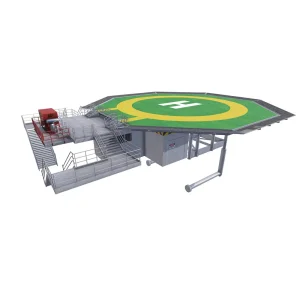
Yes. Leveraging our 15-year engineering background and versatile extrusion lines (from 800T to 20,000T), we customize the profile shape, overall length (up to 28 meters), and bracket configurations to fit round, octagonal, or irregular rooftop landing decks.
LvXing operates under a quality system certified to GB/T19001-2016 and ISO9001:2015. We also hold the "Special Aluminium Materials for Aerospace" Certificate, confirming our production meets high safety standards.
 LvXing