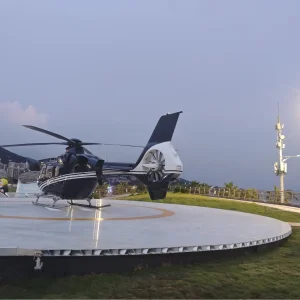
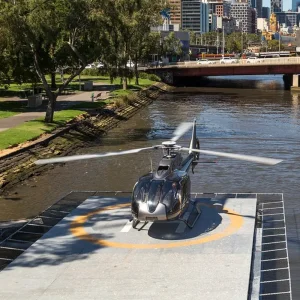
Direct supply from our state-of-the-art aluminum extrusion and fabrication lines. Realize engineering compliance and long-term structural integrity.
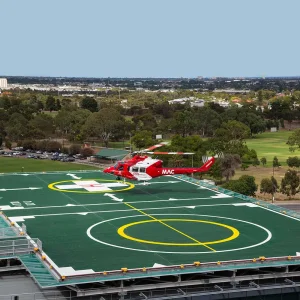
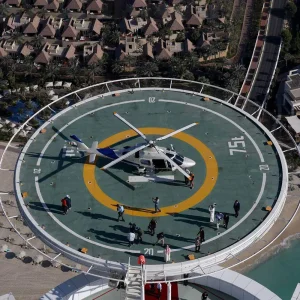
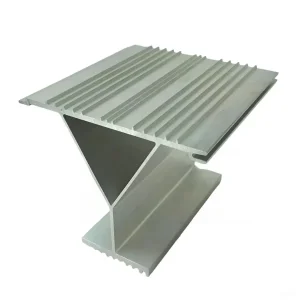
Established in 2015 and strategically located in Foshan City, Guangdong, LvXing Intelligent Equipment Co., Ltd. (referred to as LVXING) operates at the vanguard of precision-engineered aluminum structural solutions. With a highly specialized R&D cohort with decades of combined engineering pedigree, we transition complex spatial requirements into physical structural assets.
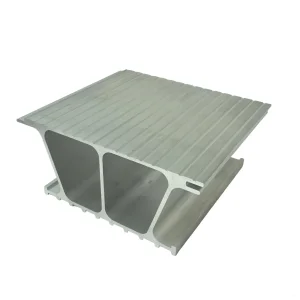
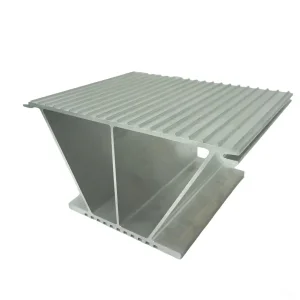
We utilize premium-grade Fenglu aluminum, offering a diverse array of structural alloy profiles engineered to handle dynamic loads. Leveraging extrusion capabilities ranging from 800T up to a massive 20,000T, our facility is equipped to process alloys across the 1xxx, 2xxx, 3xxx, 5xxx, 6xxx, and 7xxx series. This enables the fabrication of massive, fully integrated shapes with section dimensions spanning up to 1.2 meters in width and 28 meters in continuous length.
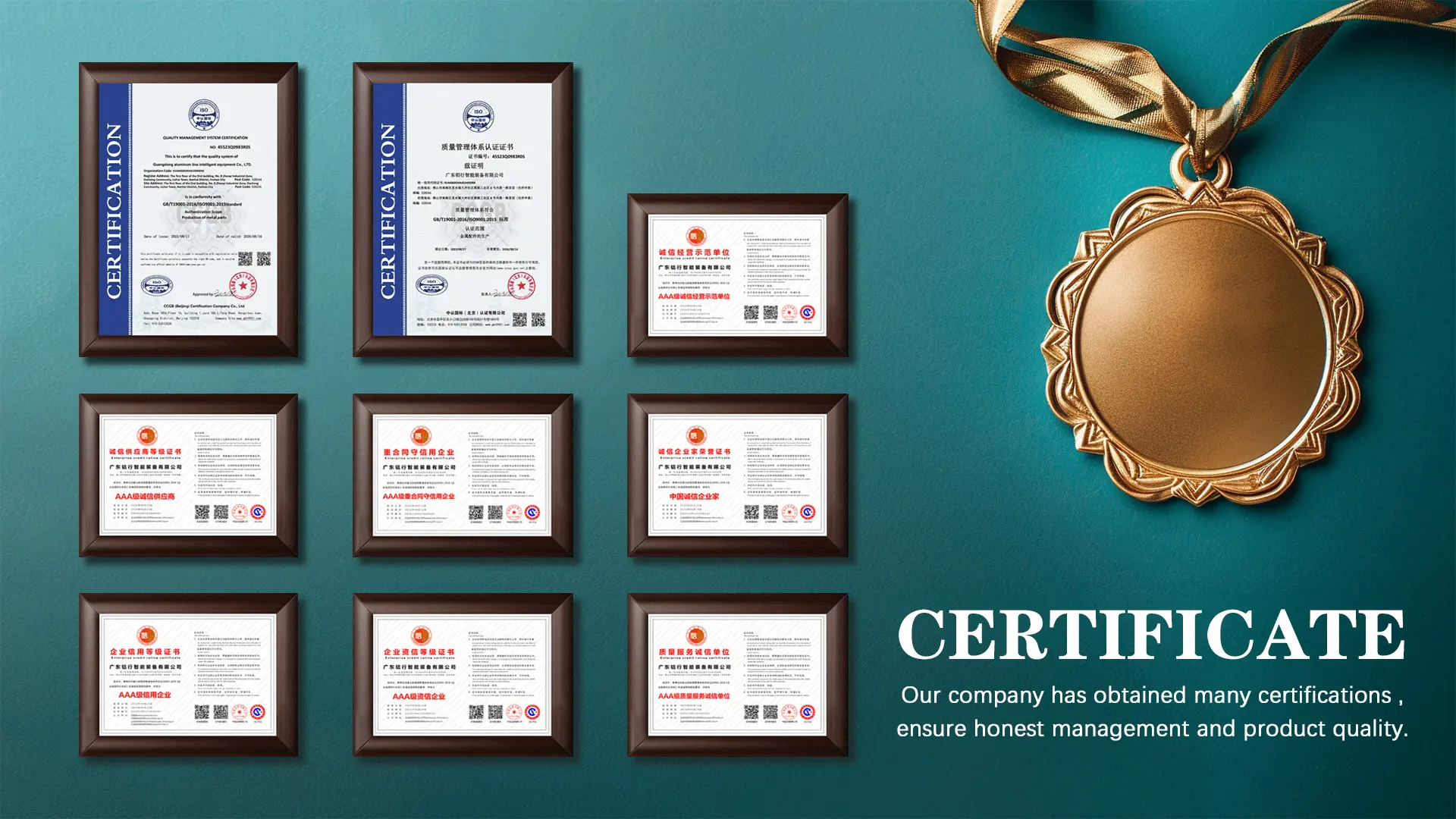
By adhering strictly to certifications including GB/T19001-2016 and ISO9001:2015, we guarantee that our deck nets, safety meshes, and under-deck framing systems perform under harsh conditions across marine, industrial, civil, and military aviation sectors worldwide.
Extrusion Power
Technician Experience
Max Profile Width
Aero-Grade Quality
Combining world-class metallurgy, structural engineering, and manufacturing scale to deliver absolute reliability.
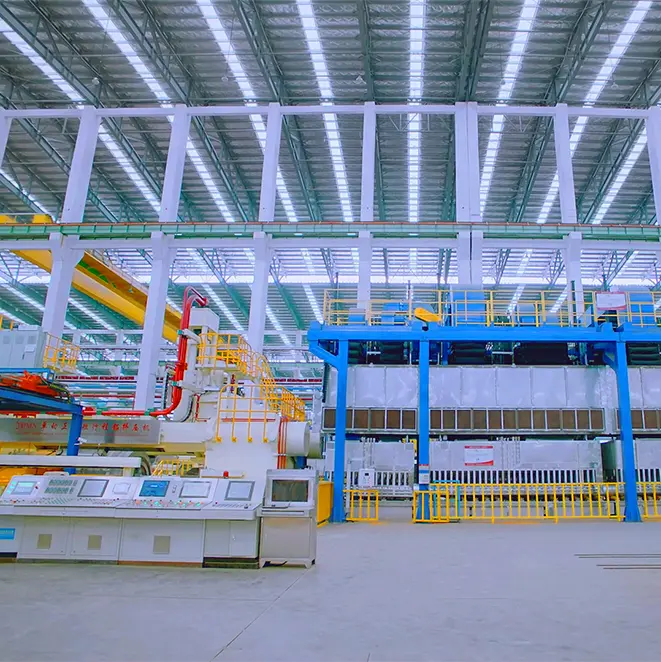

We have obtained the exclusive "Special Aluminium Materials for Aerospace" Certificate, confirming our ability to meet the stringent load and safety thresholds required for aeronautical installations.

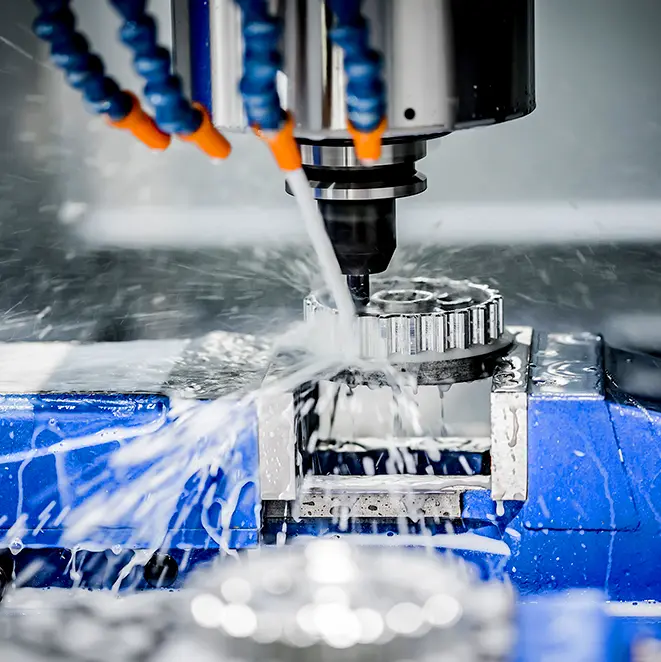
We leverage top-tier Fenglu aluminum profiles. Our extrusion systems range from 800T to 20,000T, producing alloys (1xxx-7xxx) with cross-sectional profiles up to 1.2m in width or 28m in length.

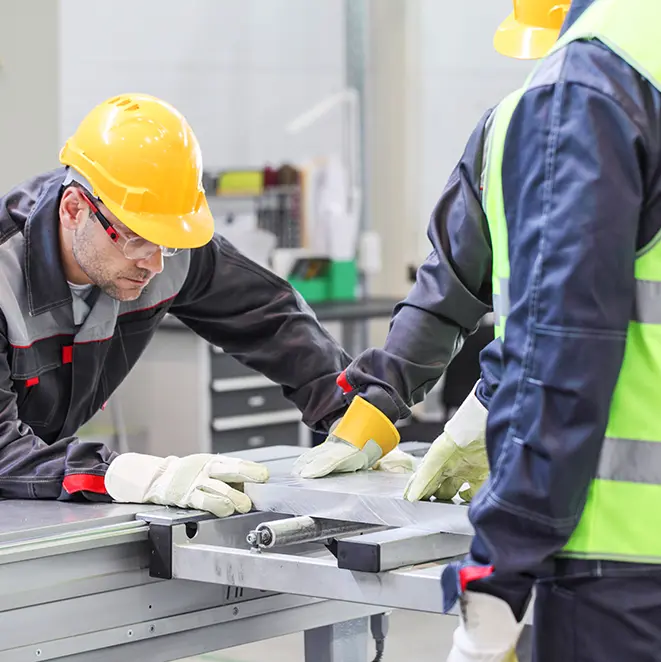
Backed by an engineering team boasting 15 years of project delivery experience. We analyze customer briefs to solve structural, logistical, and assembly issues before manufacturing begins.
Understanding the micro and macro forces steering the demand for aluminum helidecks and advanced perimeter safety nets.
Global aviation regulators like the FAA and EASA are standardizing safety rules. Compliance mandates like CAP 437 require safety netting that can absorb impact without snapping. This requires manufacturers to upgrade from traditional stainless steel to lighter, corrosion-resistant, high-tensile aluminum structural systems.
The rise of Urban Air Mobility (UAM) and eVTOL aircraft demands lightweight rooftop systems. Modern high-rises are upgrading structures to handle these new flight models. Integrated helideck panels and perimeter net assemblies are critical for building structural safety, keeping weight low while maintaining high load limits.
Deep-water wind installations and oil platforms face extreme wave impact and salt corrosion. Traditional structures degrade quickly, creating hazards. Premium 6000-series marine aluminum alloys and optimized safety nets are now standard to lower maintenance and prevent catastrophic failures.
The next generation of helideck perimeter safety structures focuses on metallurgy and smart systems. Our R&D team works to push past current structural limitations by focusing on key areas:
Developing modified 6000-series (e.g., 6082-T6) formulations that balance high yield strength with superior stress-corrosion cracking resistance, keeping weight to a minimum.
Engineering weld-free, interlocking deck planks that speed up assembly, lower shipping volume, and simplify panel replacement.
Designing smart deck net structures with integrated fiber-optic load sensors that monitor net tension and flag structural fatigue in real time.
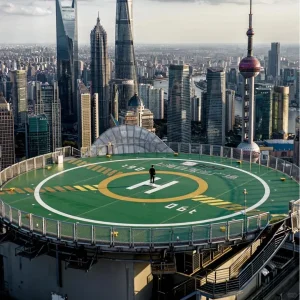
Tailored structural configurations designed to perform in challenging operational environments globally.
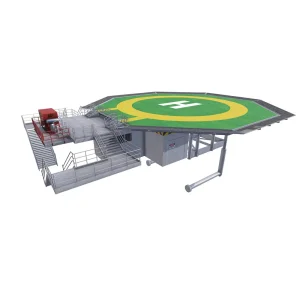
Constructed using marine-grade aluminum profiles paired with 316 stainless steel perimeter nets. Engineered to withstand heavy salt spray, high-velocity winds, and deep-water platform vibrations.
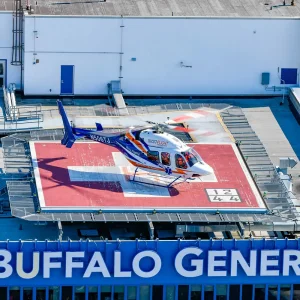
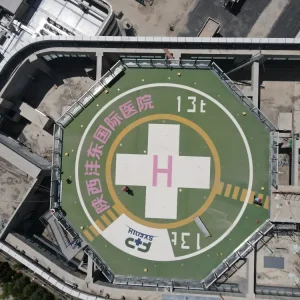
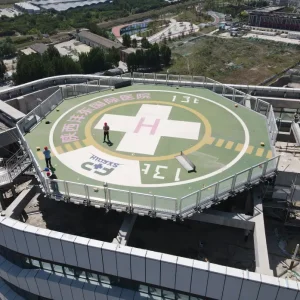
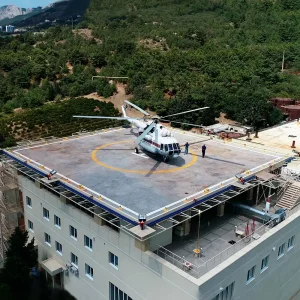
Specially engineered for critical rooftop medical facilities. Prioritizes rapid drainage, non-slip surfaces, and low-maintenance perimeter nets to ensure maximum safety during emergency operations.
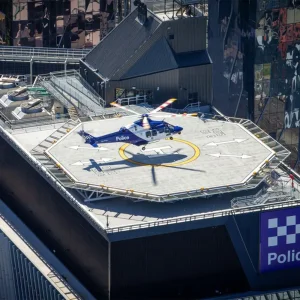
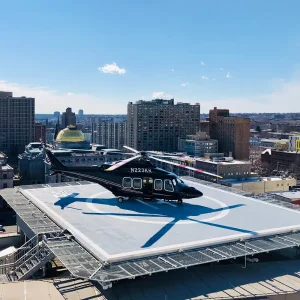
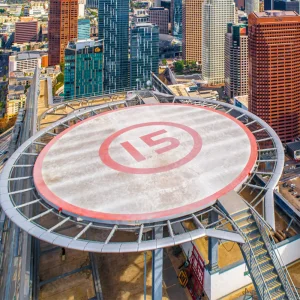
Designed for skyscraper roofs. Minimizes dead load on building frames while offering excellent acoustic damping and integrated channels for fire-suppression systems.
How our custom systems adapt to varying environmental loads, geographic challenges, and regional regulations.
Tropical offshore regions pose serious challenges through high temperatures, extreme humidity, and high salt levels, which accelerate structural decay in standard steel networks.
The LVXING Approach: We supply specialized 6082-T6 alloy structural profiles with protective anodized coatings. Combined with our high-grade aluminum safety netting, this system resists salt-water damage and maintains its structural integrity without requiring constant recoating or maintenance.
High-altitude and sub-zero locations subject landing structures to heavy snow, ice buildup, and structural embrittlement.
The LVXING Approach: We engineer built-in channels for trace heating cables within the extrusion profiles. This prevents ice accumulation. Our alloys are thoroughly tested for impact resilience at sub-zero temperatures, ensuring they remain ductile and secure under heavy snow loads.
Direct answers from our engineering desk covering material standards, safety ratings, and manufacturing capabilities.
Premium options for civil, medical, industrial, and military flight operations.
 LvXing