Explore our leading catalog of certified aluminum profiles, perimeter netting systems, and custom aviation platform decking engineered for the ultimate load-bearing security.
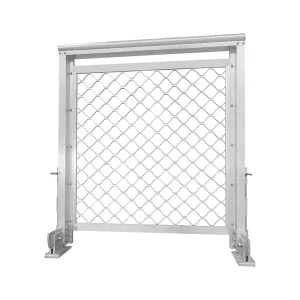
Helipad operations mandate zero-failure security protocols. A peripheral helideck safety net is not merely decorative; it is a life-saving structural safeguard designed to catch personnel and equipment without obstructing critical flight paths. In the event of high-velocity winds, dynamic landings, or sudden turbulence, these heavy-duty mesh barriers prevent catastrophic falls from elevated landing platforms.
For architectural engineers, facility managers, and offshore procurement departments, selecting the ideal supplier involves evaluating raw material metallurgy, tensile strength thresholds, environmental decay resistance, and structural regulatory compliances. In this industry whitepaper, we dissect the vital technical and economic components that define state-of-the-art landing platform safety engineering.
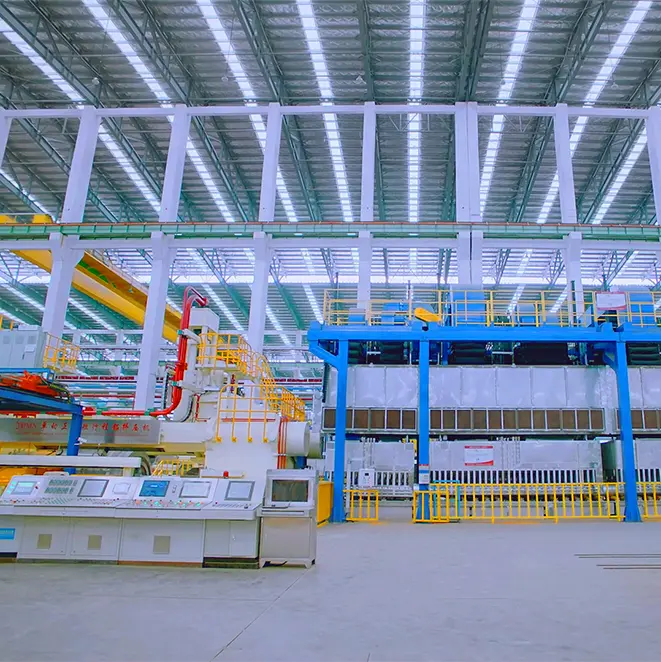
Established in 2015 and located in Foshan City, Guangdong, LvXing Intelligent Equipment Co., Ltd. boasts a skilled R&D team with extensive experience. We leverage exceptional technical expertise to effectively transform customers' ideas into reality, consistently meeting their precise requirements.
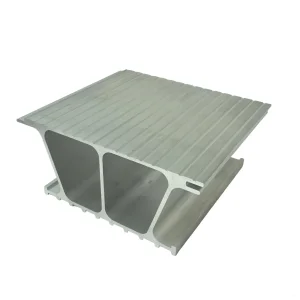
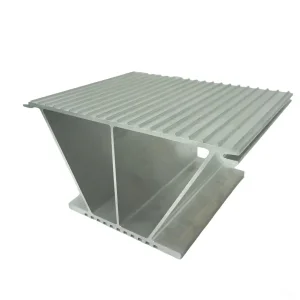
We utilize premium Fenglu aluminum, offering a diverse range of profiles for flexible applications. Our extrusion lines, ranging from 800T to 20,000T, accommodate alloys 1xxx, 2xxx, 3xxx, 5xxx, 6xxx, and 7xxx, allowing us to produce shaped products with section dimensions up to 1.2 meters in width and 28 meters in length. These products are recognized for their precision and meticulous processing, finding broad application in aerospace, military, medical, and industrial sectors.
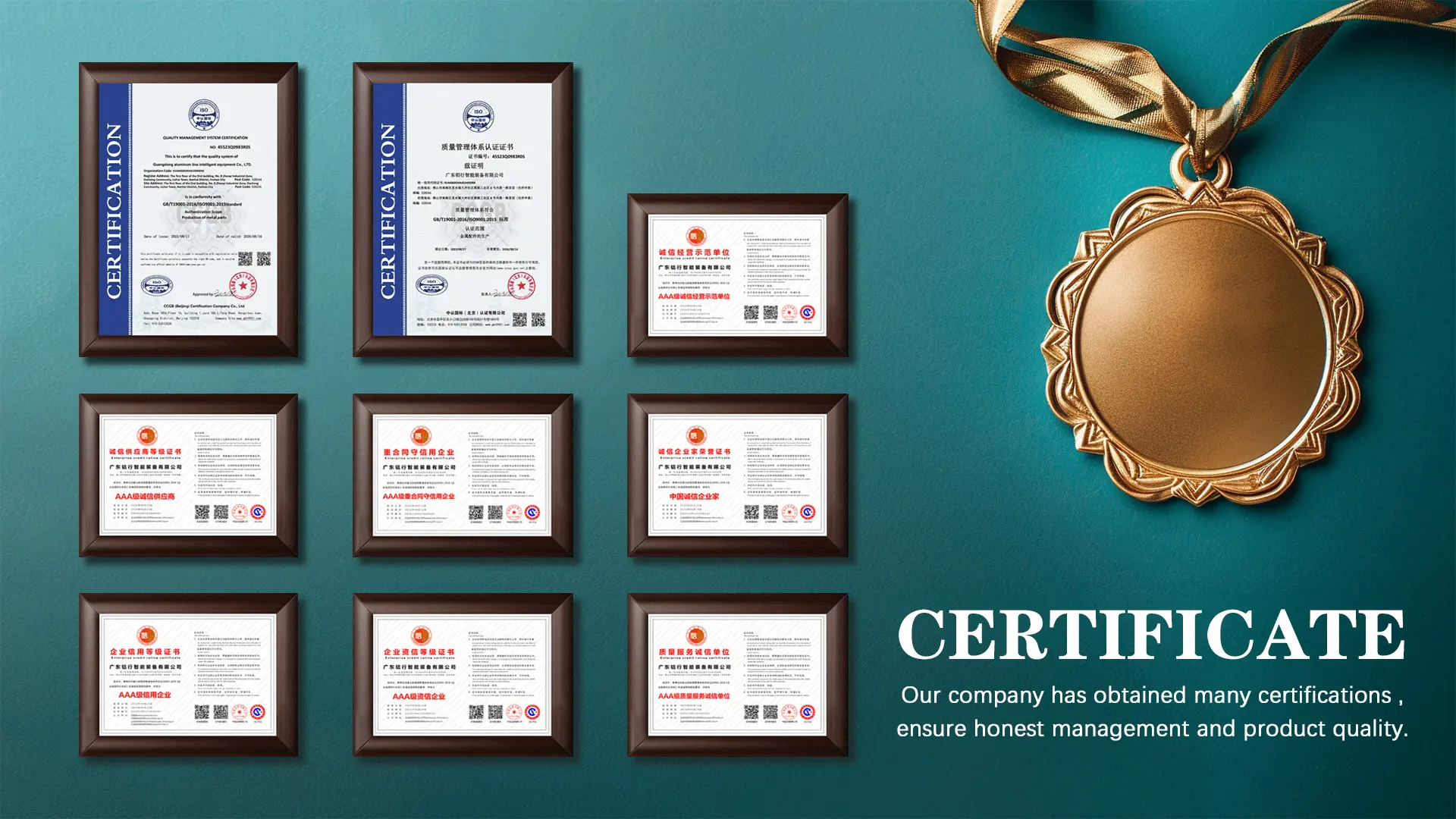
Our commitment to excellence is evident throughout the manufacturing process, rigorous quality control, thorough packaging, and efficient shipping procedures. This dedication has earned us recognition as a national excellent and honest enterprise, along with quality system certification in accordance with GB/T19001-2016/ISO9001:2015 standards.
Engineered excellence with aerospace certification, top-tier aluminum extrusion capabilities, and 15 years of industry-leading technical expertise.

We have obtained the “Special Aluminium Materials for Aerospace” Certificate. This guarantees that our aluminum extrusions meet the extreme safety, density, and fatigue-resistance margins required in the aviation sector.

We provide and utilize high-quality Fenglu aluminum profiles. With extrusion lines ranging from 800T to 20,000T, we produce alloys in 1xxx, 2xxx, 3xxx, 5xxx, 6xxx, and 7xxx series. We manufacture shaped products up to 1.2m wide or 28m long.

Our team of technicians has 15 years of invaluable experience. Deep understanding of B2B requirements allows us to optimize helideck layouts, identify structural design bottlenecks, and turn conceptual sketches into certified safety systems.
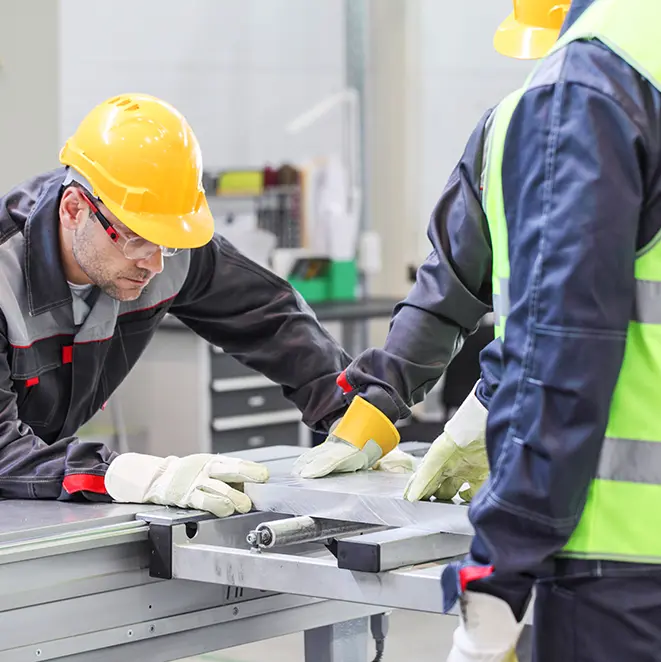 Precision Machining Center
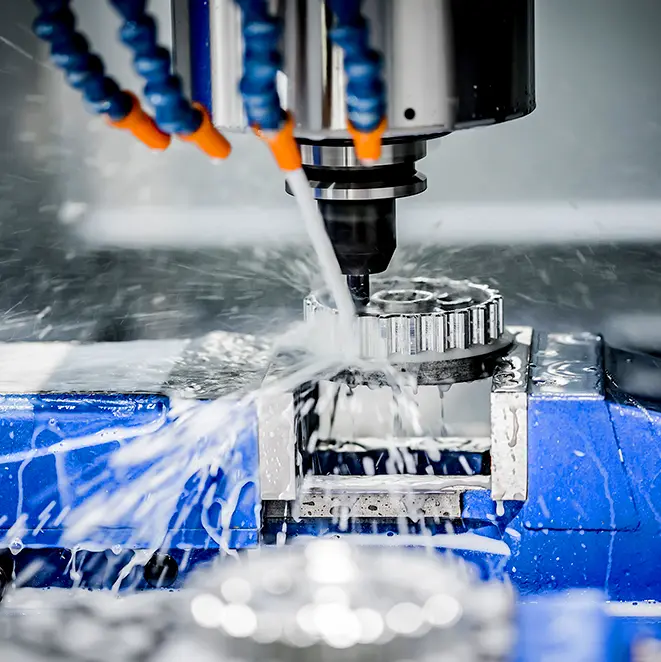 Quality Control & Metrology Inspection
 Structural Engineering CAD Design Blueprint
How shifting aviation regulations, offshore energy, and urban development drive the safety netting industry forward.
The dawn of Electric Vertical Takeoff and Landing (eVTOL) systems and rooftop drone delivery hubs is demanding new rooftop heliport layouts. Municipal codes mandate certified structural perimeter safety netting that conforms to stringent civilian aviation safety codes, including specific impact damping metrics.
Fossil fuel exploration rigs and maritime offshore wind farms are moving farther out into coastal waters, subjecting helidecks to intense chemical degradation. Engineering firms are replacing heavy stainless steel mesh grids with marine-grade 6000-series structural aluminum frames combined with AISI 316 wire configurations.
International agencies such as CAP 437 (UK CAA) and FAA Advisory Circulars have instituted rigorous testing regimens for perimeter netting. Procurement departments now look for manufacturers who can supply comprehensive test reports verifying static and dynamic strain performance to guarantee compliance.
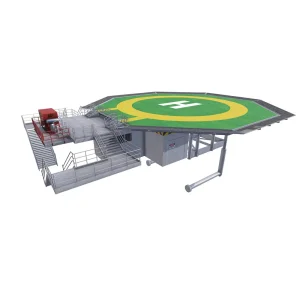
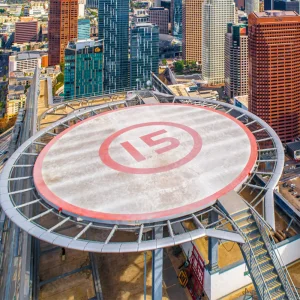
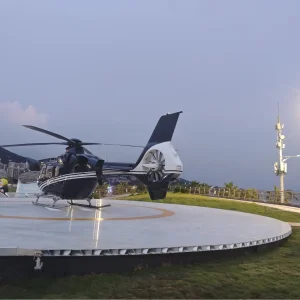
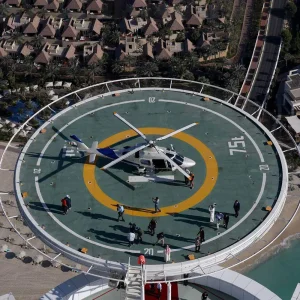
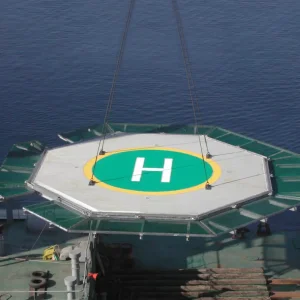
Custom-engineered helideck structural configurations built to withstand extreme environmental challenges across major industries.
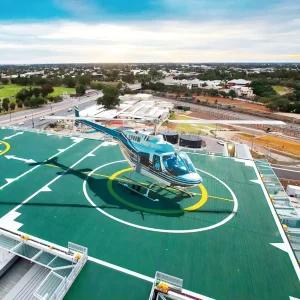
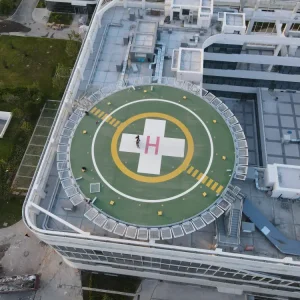
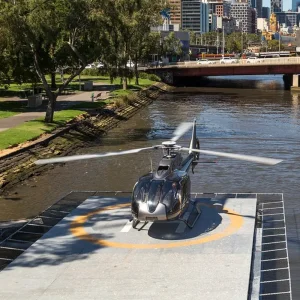
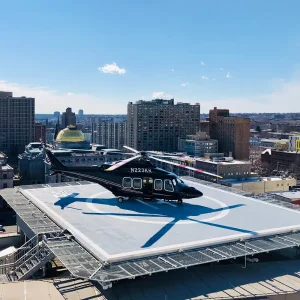
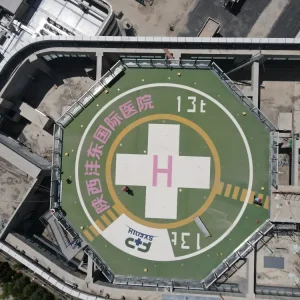
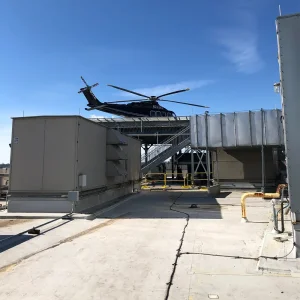
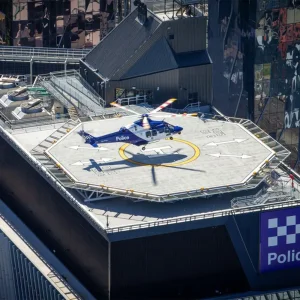
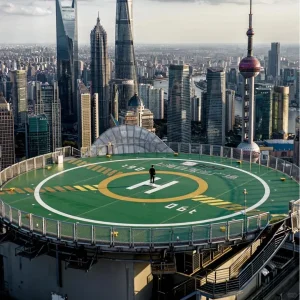
Safety requirements vary greatly depending on where the heliport is located. Our engineered solutions address three primary applications:
By combining high-grade raw aluminum extrusions from Fenglu with our precise surface anodization techniques, we extend the usable service life of our landing platforms in industrial environments by up to 40% compared to standard suppliers.
Ensuring absolute compliance with municipal, regional, and international civil aviation codes across five continents.
We support B2B clients by providing fully compiled certification documentation including CE Markings, ISO 9001:2015 compliance reports, and material mill sheets tracing raw materials from raw ingots to final profiles.
Every building code has different boundary limits. Our R&D department adapts structural dimensions to local specifications, providing custom step-by-step schematics that facilitate rapid, cost-effective onsite assembly.
Our safety netting undergoes intensive physical validation tests, including salt spray chamber degradation audits, UV exposure simulated tests, and dynamic weight load drop tests to confirm absolute real-world performance.
How we are preparing next-generation structural platforms for smart city integration, eVTOL systems, and carbon-neutral targets.
A transparent breakdown of procurement costs, design customization factors, and bulk raw material wholesale estimates.
Prices for helipad safety nets and profiles depend on the platform's dimensions, the grade of alloy selected, localized wind load specifications, and third-party safety certifications. The table below represents estimated baseline prices for international procurement planning.
| Product Configuration Class | Primary Material Alloy | Estimated Base Price (USD) | Lead Time (Business Days) | Compliance Standards |
|---|---|---|---|---|
| Standard Safety Mesh (Manual Tension) | Stainless Steel 316 / Alu 6063 | $140 – $220 / Meter | 15 – 25 Days | CE, GB/T19001-2016 Standard |
| Premium Helideck Safety Net (Auto Tension) | High-Strength Marine Grade Aluminum | $280 – $420 / Meter | 20 – 30 Days | CAP 437, ISO9001:2015 Premium |
| LX-HP02 Structural Profiles | Fenglu Alu 6082-T6 / 6061-T6 | $85 – $150 / Piece | 10 – 20 Days | Aerospace Material Cert Standard |
| LX-HP04 Custom Profile Assembly | Enhanced Alloys (Custom Extruded) | $160 – $290 / Piece | 25 – 35 Days | Aviation Grade / CE Premium |
| Complete Rooftop Platform Kit | Full Aluminum Deck + Netting System | $35,000 – $95,000 / Kit | 40 – 60 Days | FAA, EASA, CAP 437 Premium |
*Note: These prices are reference indicators based on bulk shipping quantities. Custom structural sizing, specialized surface treatments, and fast-track shipping options will adjust the final quotation. Contact our sales engineers for a tailored proposal.
Get answers to common technical queries about installation, certification, and customization of safety netting systems.
High-end aluminum decking, custom rooftop landing platforms, and specialized safety net configurations.
 LvXing