Premium structural perimeter protection systems engineered for offshore structures, urban rooftops, and maritime vessels.
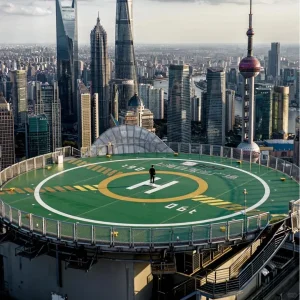
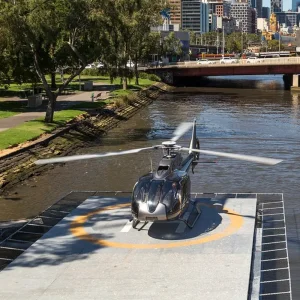
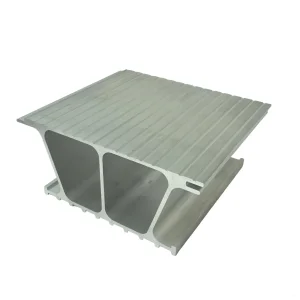
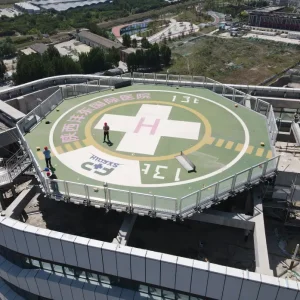
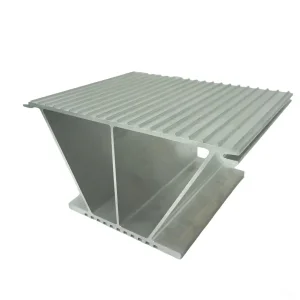
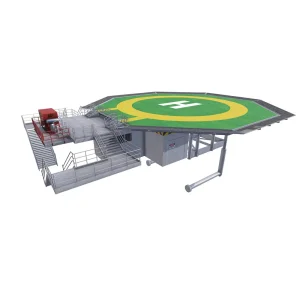
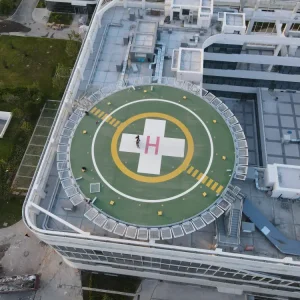
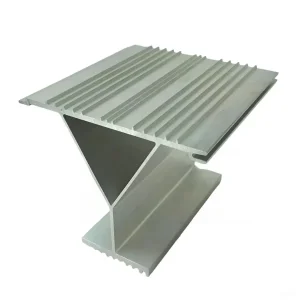
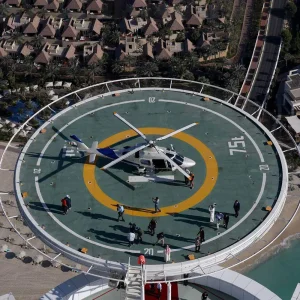
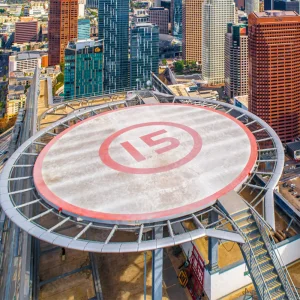
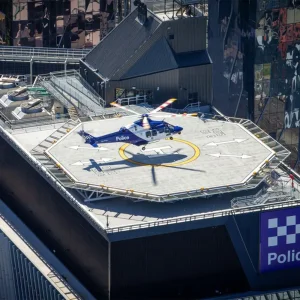
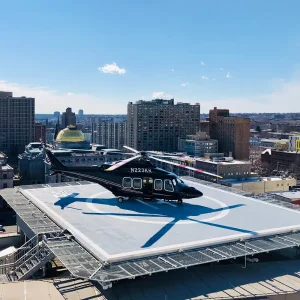
Heliports situated on marine vessels, high-rise metropolitan structures, or offshore platforms represent complex aviation zones. Landing operations pose intrinsic risks of lateral slides or personal fall hazards. Consequently, national and international aviation authorities (such as the ICAO Annex 14 and CAP 437) mandate the installation of high-tensile perimeter safety nets surrounding the landing deck.
Traditional stainless steel or composite plastic mesh solutions frequently fall short under extreme environmental stresses. Excessive wind load, high salt-fog atmospheric settings, and intense solar radiation cause material degradation. Our structural aluminum heliport protection systems utilize state-of-the-art aluminum extrusion and mesh technologies, providing a lightweight, robust, and corrosion-resistant alternative capable of enduring 125 kg drop-test impacts without permanent deformation.
Since 2015, translating advanced engineering design into high-performance industrial realities.
Established in 2015 and located in the core industrial hub of Foshan City, Guangdong, LvXing Intelligent Equipment Co., Ltd. has established itself as an innovative frontrunner in custom aluminum extrusion and structural fabrication. Supported by a highly skilled, veteran R&D engineering division, we bridge the gap between design theory and real-world physical security systems.
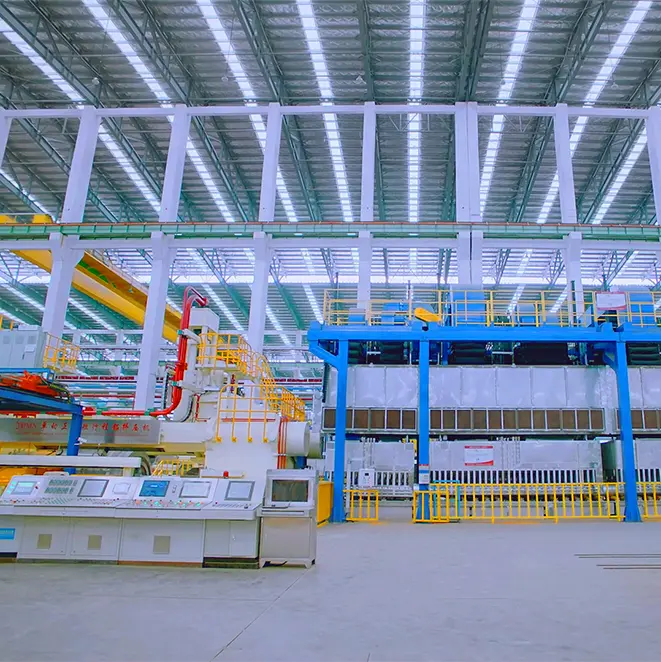
Our strategic manufacturing partnership leverages premium Fenglu aluminum raw materials, delivering uncompromised metallurgical characteristics. With state-of-the-art extrusion lines ranging from 800T to 20,000T capacity, we produce specialized profile components across a wide range of alloys, including the 1xxx, 2xxx, 3xxx, 5xxx, 6xxx, and 7xxx series. This expansive production capacity enables us to manufacture completely customized, structural profiles reaching up to 1.2 meters in cross-sectional width and 28 meters in length.
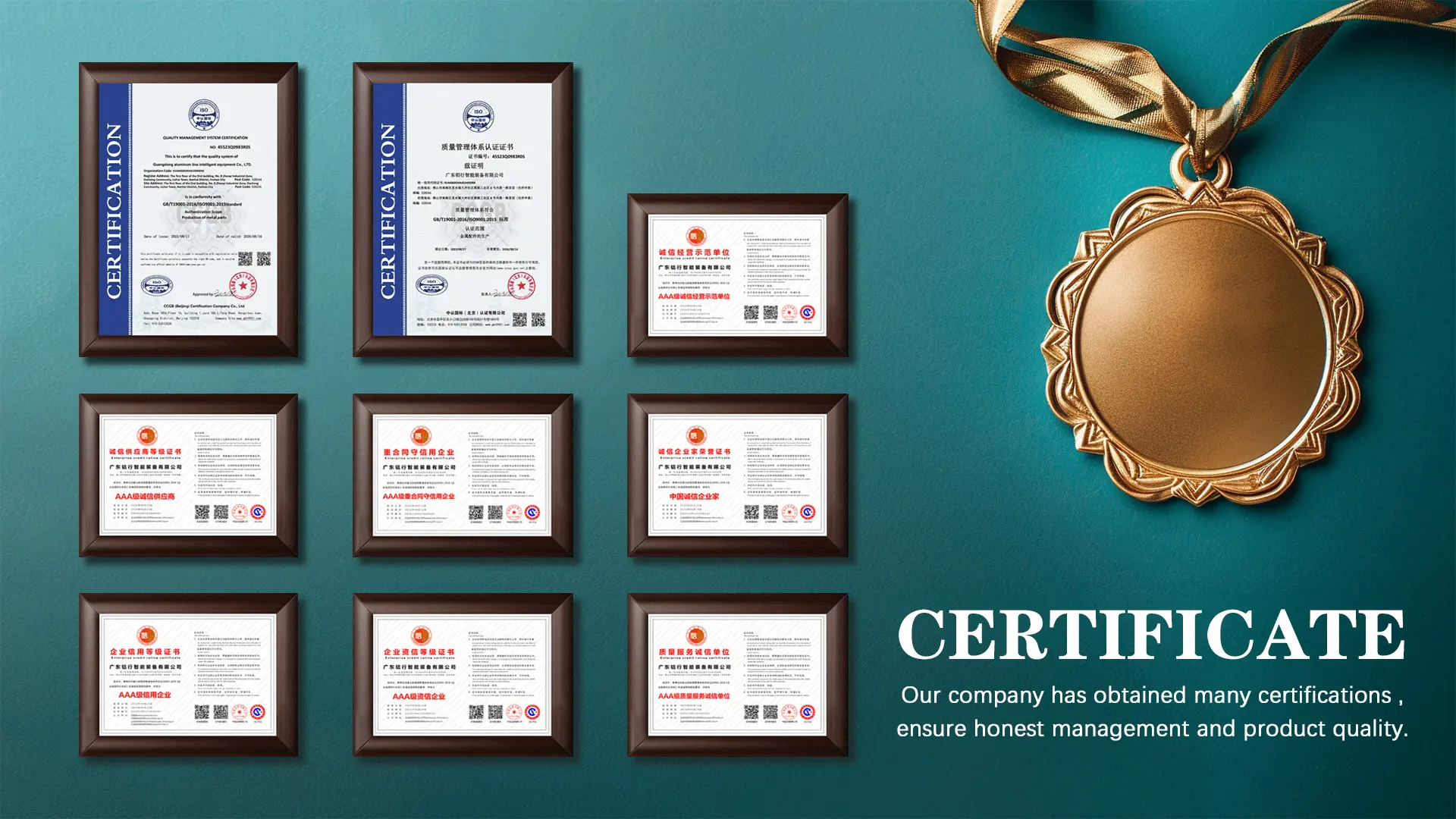
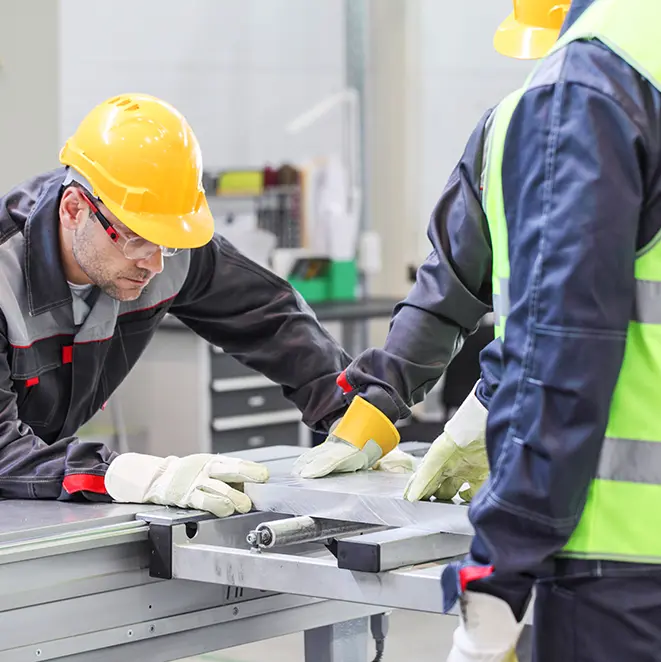
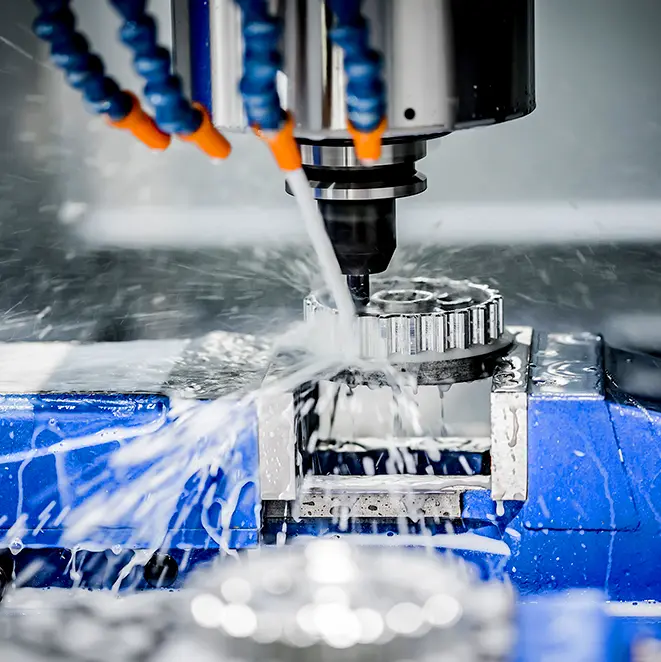
Every step of our process—from extrusion, CNC machining, chemical surface anodization, and structural load testing to custom protective packaging—complies with strict GB/T19001-2016/ISO9001:2015 quality management protocols. Our high-precision components are used across aviation, aerospace, defense, medical infrastructure, and advanced maritime sectors.
2015
Foshan, Guangdong
800T - 20,000T
Alloys 1xxx - 7xxx
1.2 Meters
For monolithic profiles
28 Meters
Continuous structural extrusion
How we combine advanced materials, certification, and engineering expertise to deliver world-class safety systems.
We hold the prestigious "Special Aluminium Materials for Aerospace" Certificate. This credential guarantees that the metallurgical integrity, grain structure, and mechanical properties of our extruded alloys meet stringent aerospace standards.

Leveraging Fenglu aluminum profiles and our 800T to 20,000T extrusion plant, we produce precise components up to 1.2m wide and 28m long. We handle advanced alloys from structural 6061-T6 to heavy marine-grade 5083, optimizing weight-to-strength ratios.

Our engineering design and technical advisory team brings over 15 years of industry experience. We analyze project-specific requirements, structural loads, and regional wind velocities to engineer optimal safety net frameworks and prevent failure.

Aviation landing platforms are subjected to diverse environmental stresses. Our systems are engineered to address specific application challenges.
Challenge: Severe wind turbulence, high-altitude UV radiation, and strict architectural weight limits.
Solution: High-tensile, low-mass structural 6082-T6 aluminum alloys. These materials feature low wind drag coefficient profiles and custom clear anodization, protecting them from structural degradation caused by smog and UV exposure.
Challenge: Corrosive marine environments, heavy ocean spray, and violent wave motion.
Solution: Specialized 5xxx series marine-grade aluminum wire mesh paired with heavy-duty structural frames. Designed to meet ICAO Annex 14 requirements, they provide superior performance in C5-M high-salinity marine environments.
Challenge: Patient safety, fire resistance, low maintenance, and quick emergency access.
Solution: Fully customizable non-combustible protection net systems with integrated walkways. These solutions offer maintenance-free operation for over 25 years, ensuring maximum safety for medical transport teams.
By combining advanced manufacturing with optimized logistics, we deliver premium performance with exceptional cost efficiency.
Operating from Foshan, Guangdong—the heart of the global aluminum processing ecosystem—our manufacturing facility features advanced automation. By integrating high-capacity 20,000-ton extrusion lines directly with multi-axis CNC processing centers, we minimize raw material handling and maintain tight tolerances.
Our structural safety net systems are pre-assembled and tested in-house using computerized tensile simulation. This approach minimizes site installation labor costs by up to 40% and simplifies final assembly for local contractors. Partnering with top-tier raw material suppliers like Fenglu Aluminum ensures reliable supply lines and pricing stability, even during periods of global market volatility.
A comprehensive engineering reference for aviation authorities, design consultants, and procurement managers.
| Performance Characteristic | Technical Specification Standard | Compliance Reference / Value |
|---|---|---|
| Frame Materials | Aluminum Alloy 6082-T6 / 6061-T6 | EN 755, ASTM B221 |
| Net Mesh Material | High-Strength Aluminum Wire Mesh (316 Stainless Steel Optional) | ICAO Annex 14, CAP 437 |
| Static Load Limit | Support minimum 2.3 kN/m² distributed load | Aviation safety standards |
| Dynamic Impact Capacity | 125 kg drop weight from 1.0 meter height | Zero structural failure, max deformation < 100mm |
| Anodizing Protection | Anodized thickness > 20 microns (class II) | AASS Salt Spray test > 1000 hours (ISO 9227) |
| Wind Velocity Resistance | Designed to withstand winds up to 60 m/s | Structural engineering calculations supplied |
Exploring next-generation materials, smart sensing technologies, and eco-friendly manufacturing initiatives.
Our engineers are developing integrated fiber-optic and stress-sensor safety systems. These next-generation smart nets monitor structural load and tension levels in real time, alerting facility managers of micro-fractures or impacts.
We are expanding the use of green aluminum extruded using clean energy sources. Our goal is to reduce the carbon footprint of our manufacturing process by 35% over the next three years, supporting sustainable construction goals.
By pairing high-strength structural aluminum frames with fluorocarbon-coated mesh inserts, we aim to extend the service life of our systems in harsh coastal environments to over 40 years without maintenance.
Managing global shipping and field installation for critical infrastructure projects requires close technical coordination. We supply comprehensive structural engineering calculations, 3D CAD files, and step-by-step installation manuals for every safety net system.
To simplify import customs clearance, we provide complete compliance documentation, including certificates of origin, metallurgical mill analysis reports, and certificate of conformity letters. This documentation ensures rapid clearance and smooth project delivery through international custom ports.
Expert answers to common engineering, procurement, and standard-compliance questions.
Heliport perimeter safety nets must comply with ICAO Annex 14 Volume II and the UK Civil Aviation Authority's CAP 437 regulations. These standards require safety nets to extend at least 1.5 meters outward from the landing area, feature an upward slope of approximately 10 degrees, and withstand dynamic drop tests without failure.
High-grade aluminum profiles provide an exceptional strength-to-weight ratio, reducing the load on cantilevers and support structures. Additionally, aluminum alloys develop a natural oxide layer that offers superior corrosion resistance in high-salinity marine environments without requiring painting or regular recoating.
Yes. Supported by our 15-year experienced R&D engineering team, we specialize in retrofitting older marine decks. We design custom mounting brackets and adjustable framing systems that integrate seamlessly with existing ship or platform configurations.
For high-corrosion marine applications, we utilize 5xxx series (e.g., 5083, 5754) and 6xxx series (specifically 6061-T6 or 6082-T6) aluminum alloys. These alloys offer excellent resistance to pitting and stress corrosion cracking in salt-fog environments.
Yes. We conduct regular physical drop testing using dynamic load simulation equipment. This involves dropping a 125 kg weight from a height of 1 meter onto the safety net. The results are documented in reports that we provide directly to procurement managers.
We pack oversized products—including components up to 1.2 meters wide or 28 meters long—in reinforced steel frames with protective foam padding. This packaging protects the aluminum profiles during land transport and sea shipping in open-top containers.
With our thick-layer anodizing process (exceeding 20 microns) and the use of premium Fenglu aluminum, our safety net systems are engineered for a service life exceeding 25 years under standard marine operating conditions.
To request a quote, please email your structural drawing files, environmental design specifications, and the required dimensions of the landing platform. Our technical sales team will review the details and provide a comprehensive proposal within 48 hours.
Explore our full line of structural profiles, decks, and custom perimeter safety nets.
 LvXing