 LvXing
1 / 4
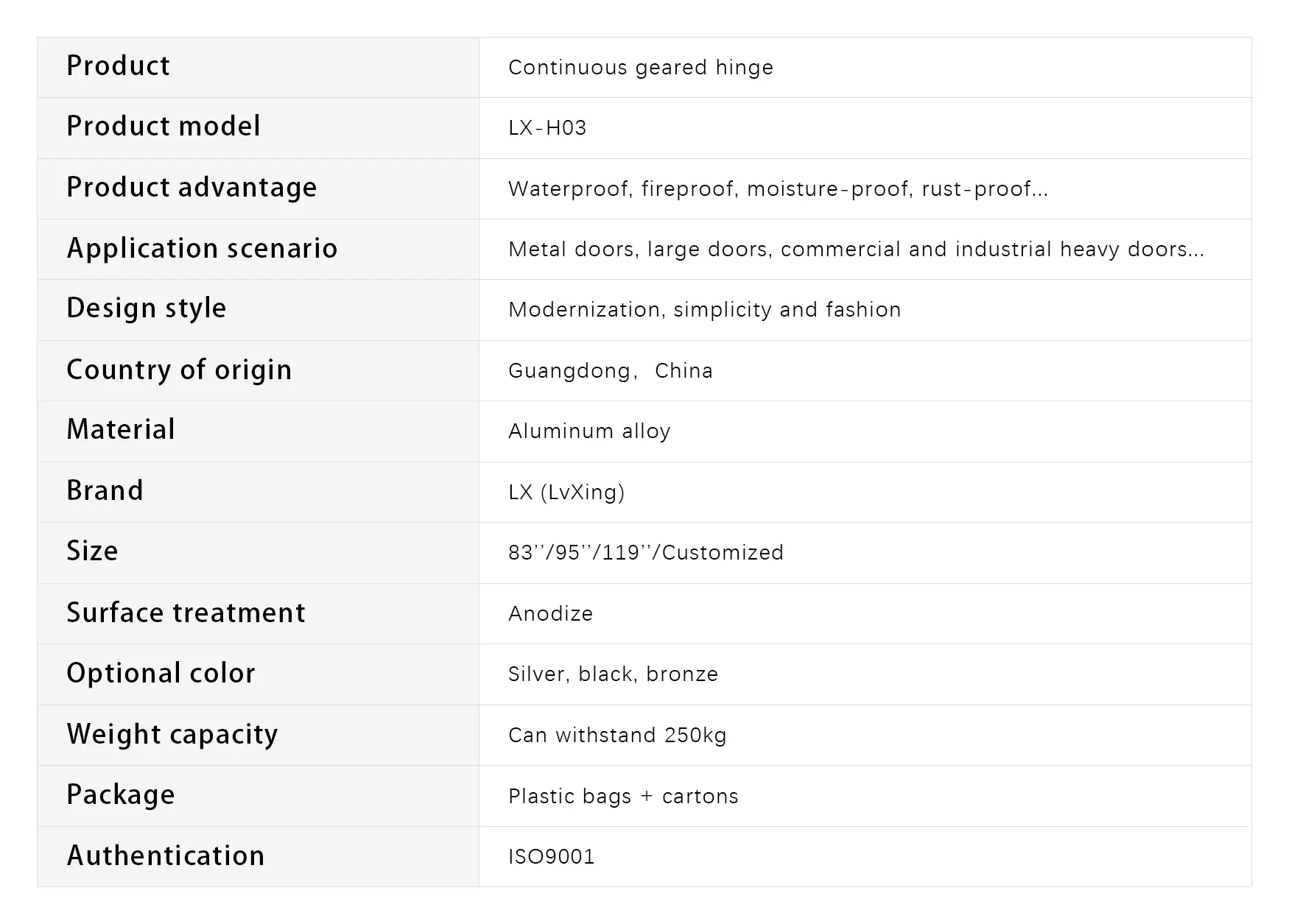
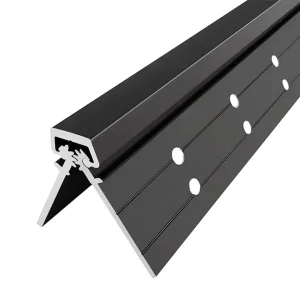
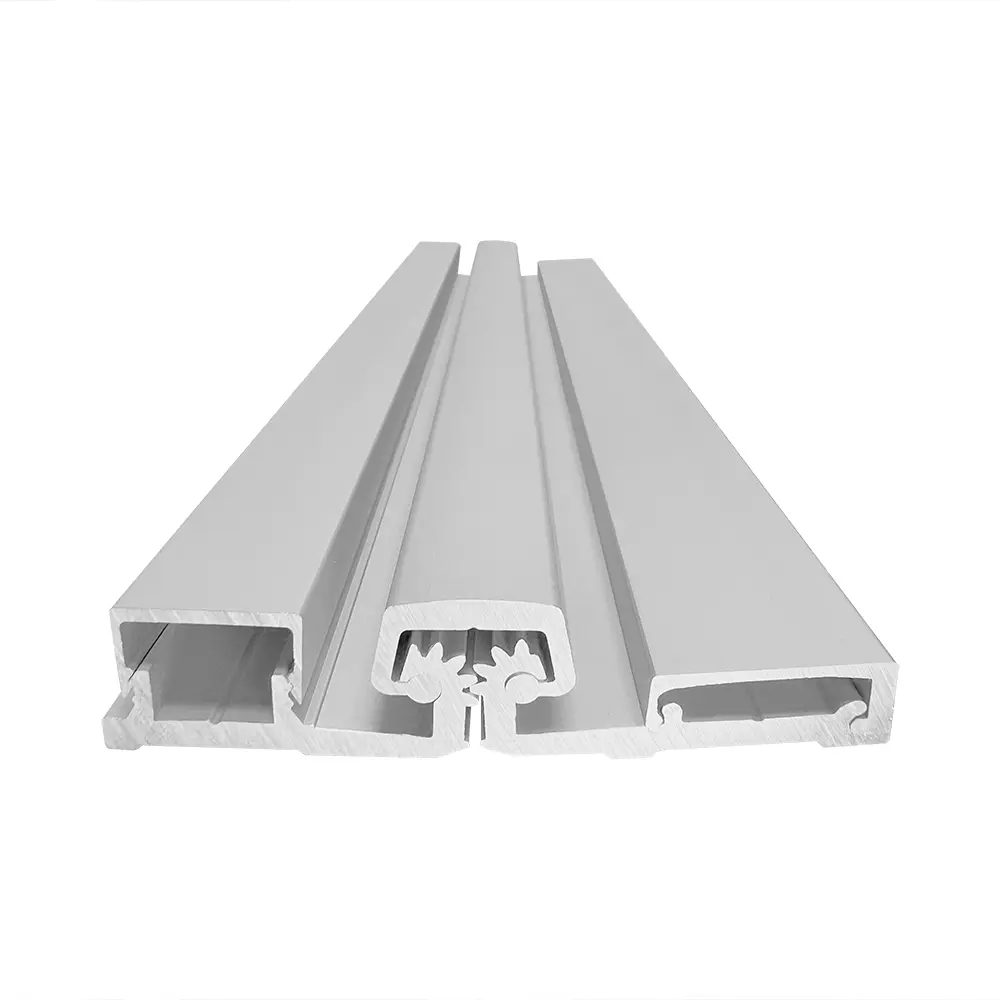
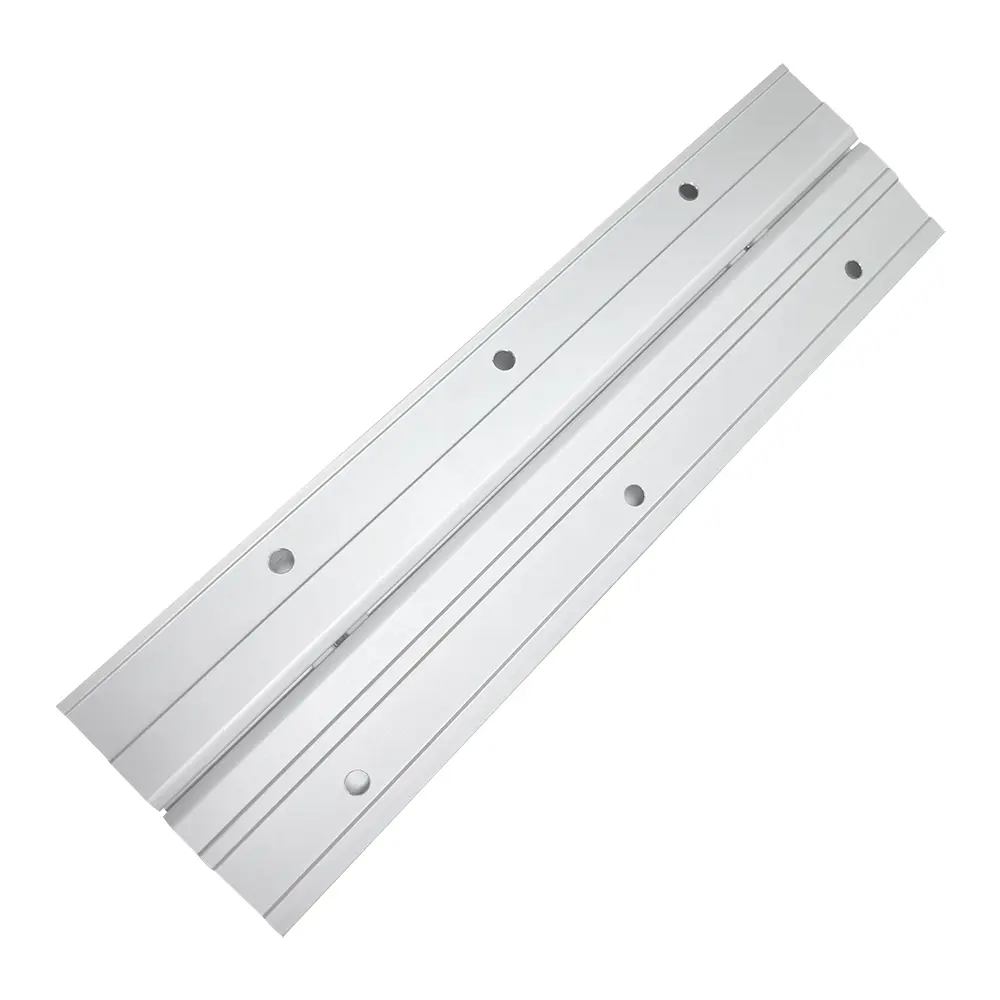
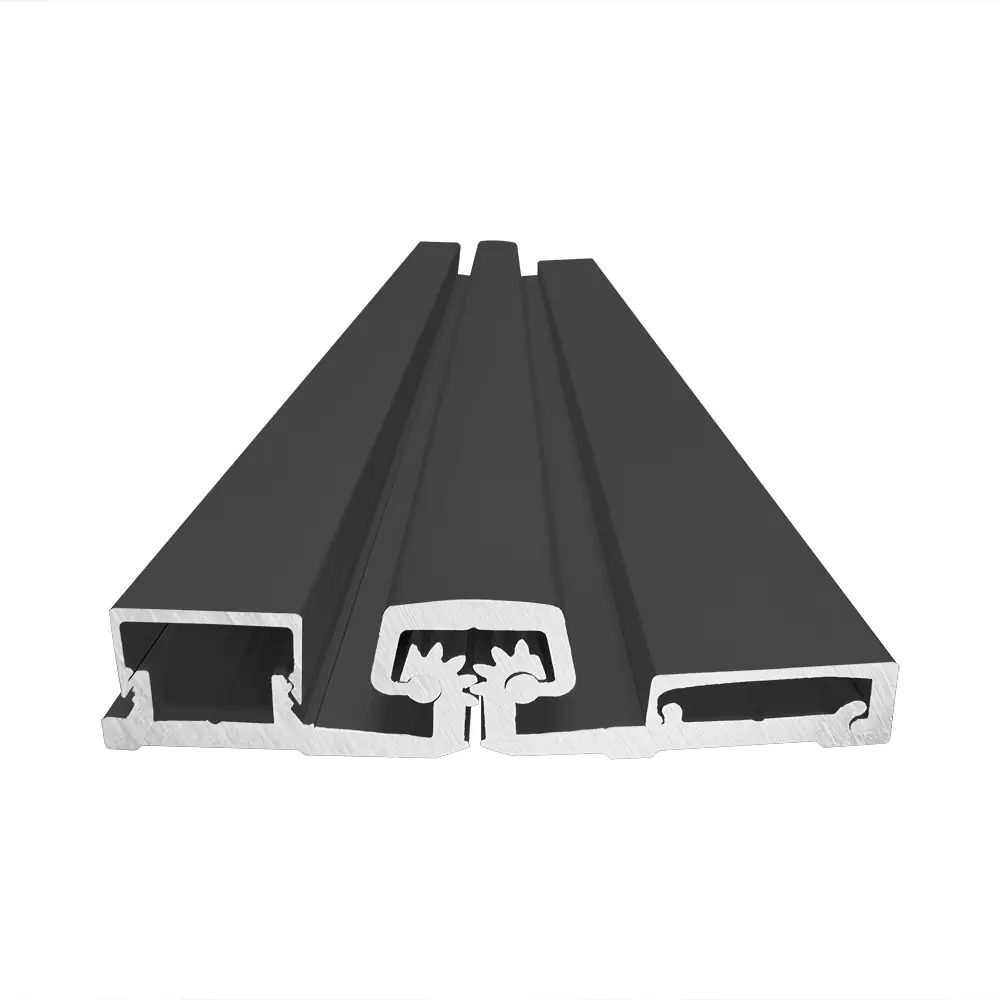
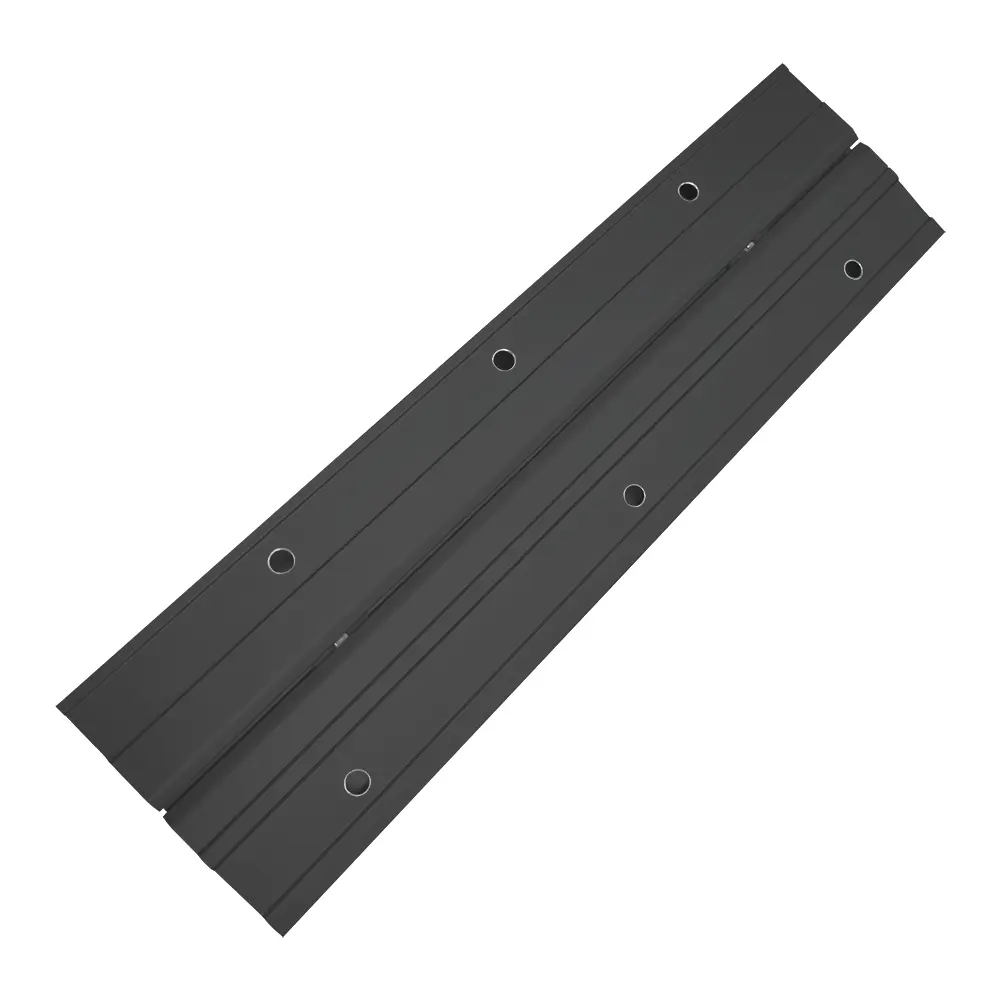
Basic Concept: The continuous gear hinge is a specialized hinge that achieves continuous rotation or folding capability through a sequence of intermeshing gears. This design allows the continuous gear hinge to maintain stable, smooth motion during opening and closing operations, while supporting substantial loads up to a maximum weight of 250kg.
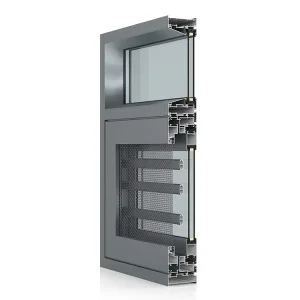
Main Uses: These hinges are widely utilized in applications requiring smooth rotation or folding, such as doors, windows, furniture, and industrial equipment. They deliver reliable structural support and rotational functionality, ensuring consistent mechanical performance and an extended operational lifespan.
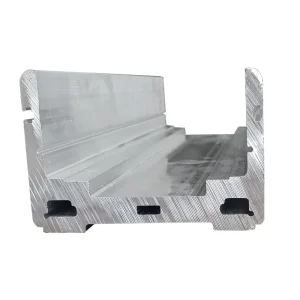
Manufacturing Materials: Hinge production materials typically incorporate metals such as stainless steel, copper, and aluminum, alongside non-metallic materials like plastics and nylon. These materials offer outstanding mechanical characteristics and corrosion resistance to suit diverse application requirements. The continuous gear hinges are fabricated from 6063 T5 aluminum alloy, providing waterproof, fireproof, and highly corrosion-resistant properties.
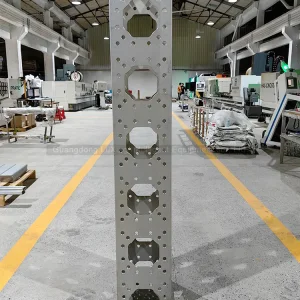
Preparation: Prior to production, detailed engineering design and material preparation are conducted. The design phase defines specifications such as size, profile, and gear tooth count to ensure the final product meets exact parameters. Necessary equipment and tooling are prepared, including metal cutting machinery, gear molds, CNC machinery, and punches. With five standard designs and molds available for continuous gear configurations, customization options are accessible to modify dimensions, overall length, and shapes to align with specific requirements and feasibility assessments.
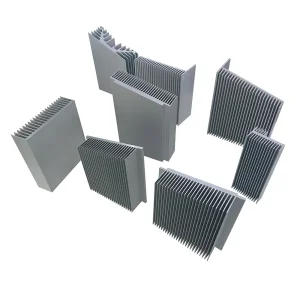
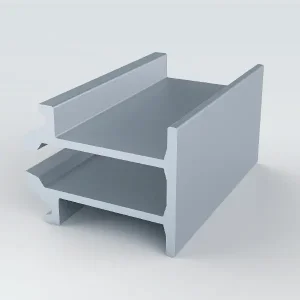
Gear Manufacturing: Initially, based on drawing specifications, molds are designed to guarantee that the gear tooth profile and pitch meet requirements. The aluminum alloy is extruded through the mold, cut to designated lengths, cooled, and processed in an aging furnace to optimize structural strength and hardness.
Hinge Assembly: The machined gears are assembled in compliance with design configurations. During assembly, the meshing accuracy and rotational flexibility of the gears are monitored to ensure the finished continuous gear hinge operates smoothly. The gear components are secured to the main hinge housing utilizing drilling and screw fastening techniques.
Surface Treatment: To enhance corrosion protection and visual appearance, surface treatments are applied, including anodizing and spraying. These processes produce a defensive barrier on the hinge exterior to guard against oxidation and wear while refining the aesthetic finish.
Quality Inspection: Following production, continuous gear hinges undergo testing procedures. Inspections verify the degree of gear engagement, movement flexibility, operational cycle counts, and load carrying capacity to confirm that all finished products meet design specifications and performance standards.
Debugging and Optimization: Any variations or performance issues identified during inspection are addressed through calibration. Adjustments focus on refining gear meshing alignment and optimizing rotational movement, ensuring the hinges perform at their peak before installation.