Direct supply of precision-engineered, CE-compliant structural profiles & safety systems
A deep look at industrial standards, alloy microstructures, and dynamic loading limits
In modern structural engineering, industrial procurements represent highly calculated selections that must balance extreme load distribution with significant structural dead-weight reduction. Globally, procurement agents for marine projects, high-altitude military outposts, offshore drilling rigs, and high-rise commercial structures specify the CE Certified 2020 Aluminum Profile and associated aviation-grade structural extrusion members as a key building block.
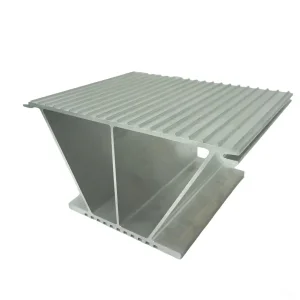
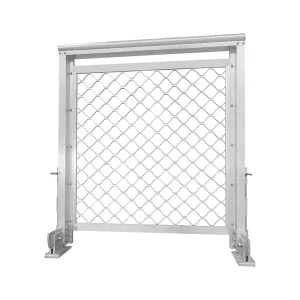
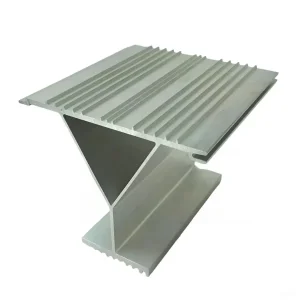
These structural profiles, manufactured via massive tonnage extrusion lines, utilize optimized 6000-series alloy systems (most notably 6061-T6 and 6082-T6) and custom configurations to deliver unprecedented performance under structural strain. Aluminum profile 2020, with its specific dimensional stability and high strength-to-weight ratio, has become the go-to solution for structural support framing, custom safety mesh platforms, and complex mechanical mountings. Structural engineering standards dictate that lightweight aluminum alloys reduce the structural gravity loading on skyscrapers by up to 60% compared to mild structural steel, which substantially minimizes wind-induced shear stress and seismic foundation demands.
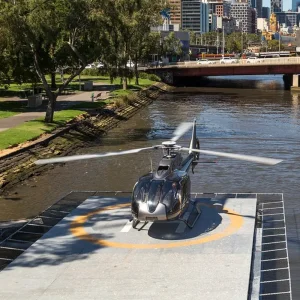
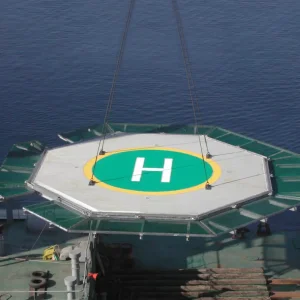
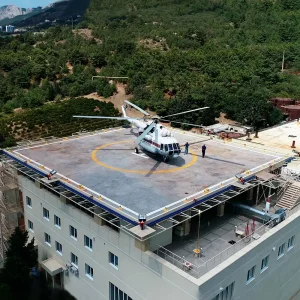
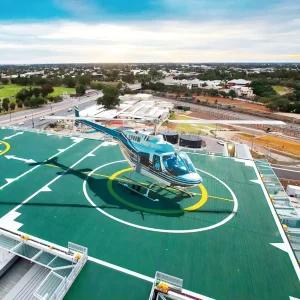
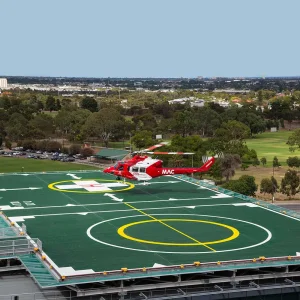
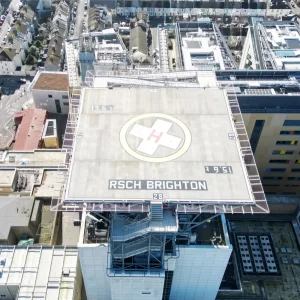
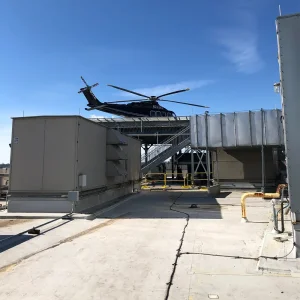
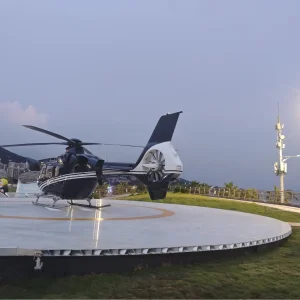
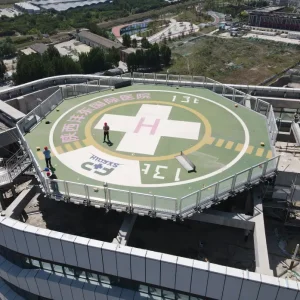
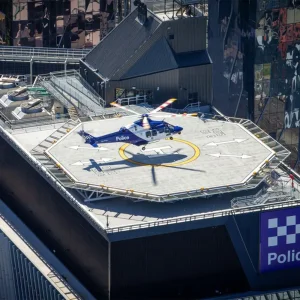
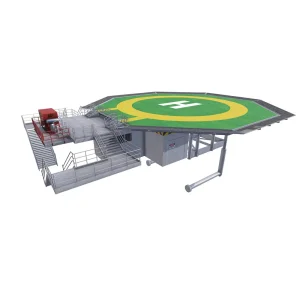
The installation of industrial facilities—especially helicopter landing platforms—demands a rapid assembly model that does not compromise structural integrity. Traditional steel helidecks are plagued by the need for costly site welding, extensive corrosion coatings, and high maintenance costs.
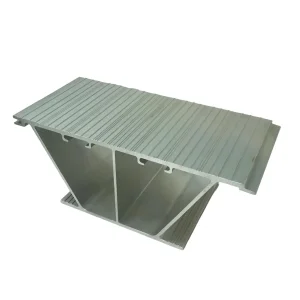
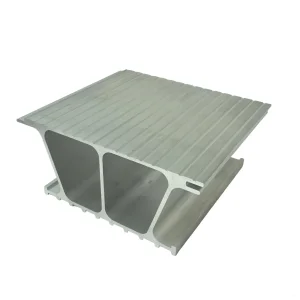
The macro solution developed by leading structural manufacturers revolves around Modular Interlocking Aluminum Profile Decking. Engineered with precise tongue-and-groove connections, these profiles lock together mechanically, distributing heavy shear and dynamic stresses across the entire landing matrix. This eliminates stress concentrations typical of welded steel joints. Anodized finish layers, combined with naturally forming aluminum oxide passive films, eliminate the need for cyclic rust-prevention painting, providing an operationally maintenance-free service span exceeding 30 years in extreme offshore conditions.
| Mechanical Attribute | 6082-T6 Structural Profile | 6061-T6 Structural Profile | Standard Structural Steel (S235) |
|---|---|---|---|
| Density (g/cm³) | 2.70 | 2.70 | 7.85 |
| Yield Strength (MPa) | ≥ 260 | ≥ 240 | 235 |
| Tensile Strength (MPa) | ≥ 310 | ≥ 290 | 360 - 510 |
| Corrosion Resistance | Excellent (Marine Grade) | Very Good | Poor (Requires Coating) |
| Thermal Conductivity (W/m·K) | 170 | 167 | 50 |
As aerospace dynamics evolve, with heavier VTOL (Vertical Takeoff and Landing) systems and next-generation commercial aircraft entering the logistics and transportation networks, the materials supporting them must advance correspondingly. The technical roadmap for aluminum extrusions focuses on micro-alloying and thermodynamic process control.
By controlling the distribution of magnesium and silicon (Mg2Si phases) at the atomic level, metallurgists are currently yielding profiles with high fracture toughness and resistance to cyclic fatigue. Future pathways involve:
Extrusion Press Power
Max Profile Length
Years Tech Team Experience
ISO9001:2015 Compliant
Integrating elite metallurgy, massive manufacturing capability, and stringent quality control
Established in 2015 and located in Foshan City, Guangdong, LvXing Intelligent Equipment Co., Ltd. has grown to become a leading manufacturer in the aluminum profile industry. Backed by a highly specialized R&D team with extensive experience in structural engineering and aviation infrastructure, we turn complex customer engineering blueprints into precise structural products.
To maintain high reliability, we utilize premium raw materials, including Fenglu aluminum, offering a diverse range of profile configurations for high-end applications. Our manufacturing facility houses extrusion lines ranging from 800T to a massive 20,000T. This enables us to extrude structural alloys from the 1xxx, 2xxx, 3xxx, 5xxx, 6xxx, and 7xxx series. Our capabilities allow us to produce complex shaped profiles with section widths up to 1.2 meters and lengths of up to 28 meters. These profiles are used globally in high-end sectors, including aerospace, military, medical, and heavy industrial applications.
Our strict quality control procedures cover every phase of production, from direct material testing and extrusion to precision CNC milling, surface finishing, packaging, and international shipping. This dedication has earned us recognition as an honest enterprise, supported by quality system certifications in accordance with GB/T19001-2016 / ISO9001:2015 standards. We are positioned to act as a reliable structural partner for international EPC contractors and aviation infrastructure developments.
Proven certifications, raw material quality, and technical expertise
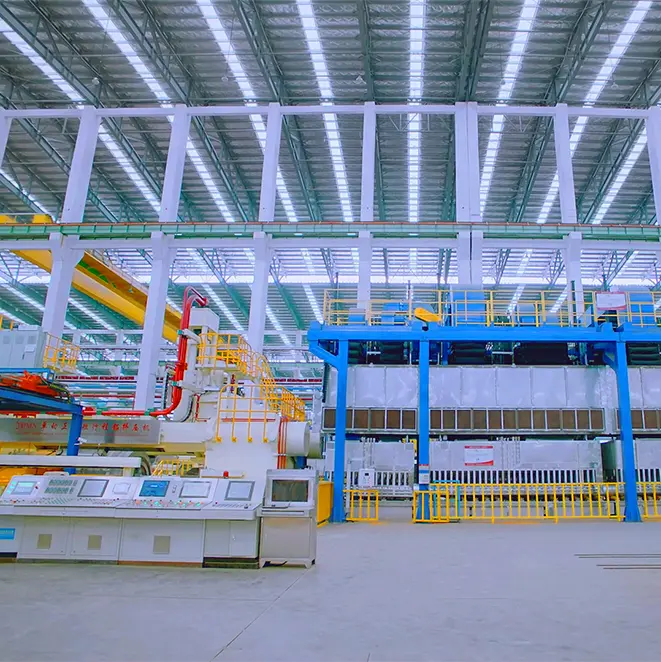
Aerospace Grade Accreditation: We have obtained the prestigious "Special Aluminium Materials for Aerospace" Certificate, verifying our capability to meet demanding aerospace structural specifications.

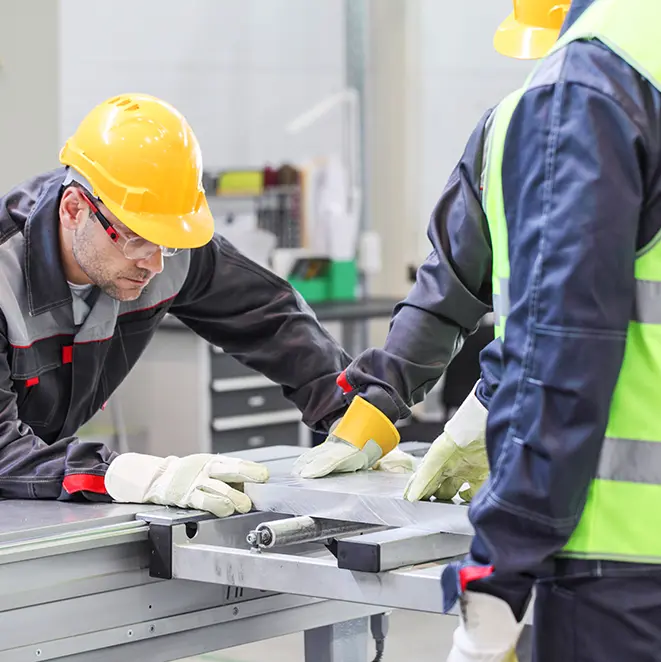
Advanced Production Lines: We utilize premium Fenglu aluminum. With extrusion presses from 800T up to 20,000T, we manufacture alloys (1xxx to 7xxx) with dimensions up to 1.2m wide or 28m long.

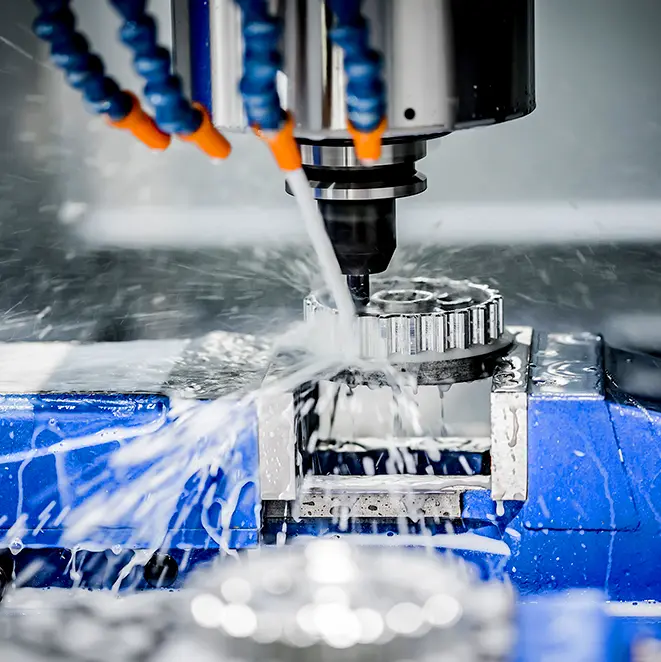
15+ Years Technical Experience: Our technical team understands client requirements to identify structural challenges, offering practical design insights that translate ideas into reliable products.

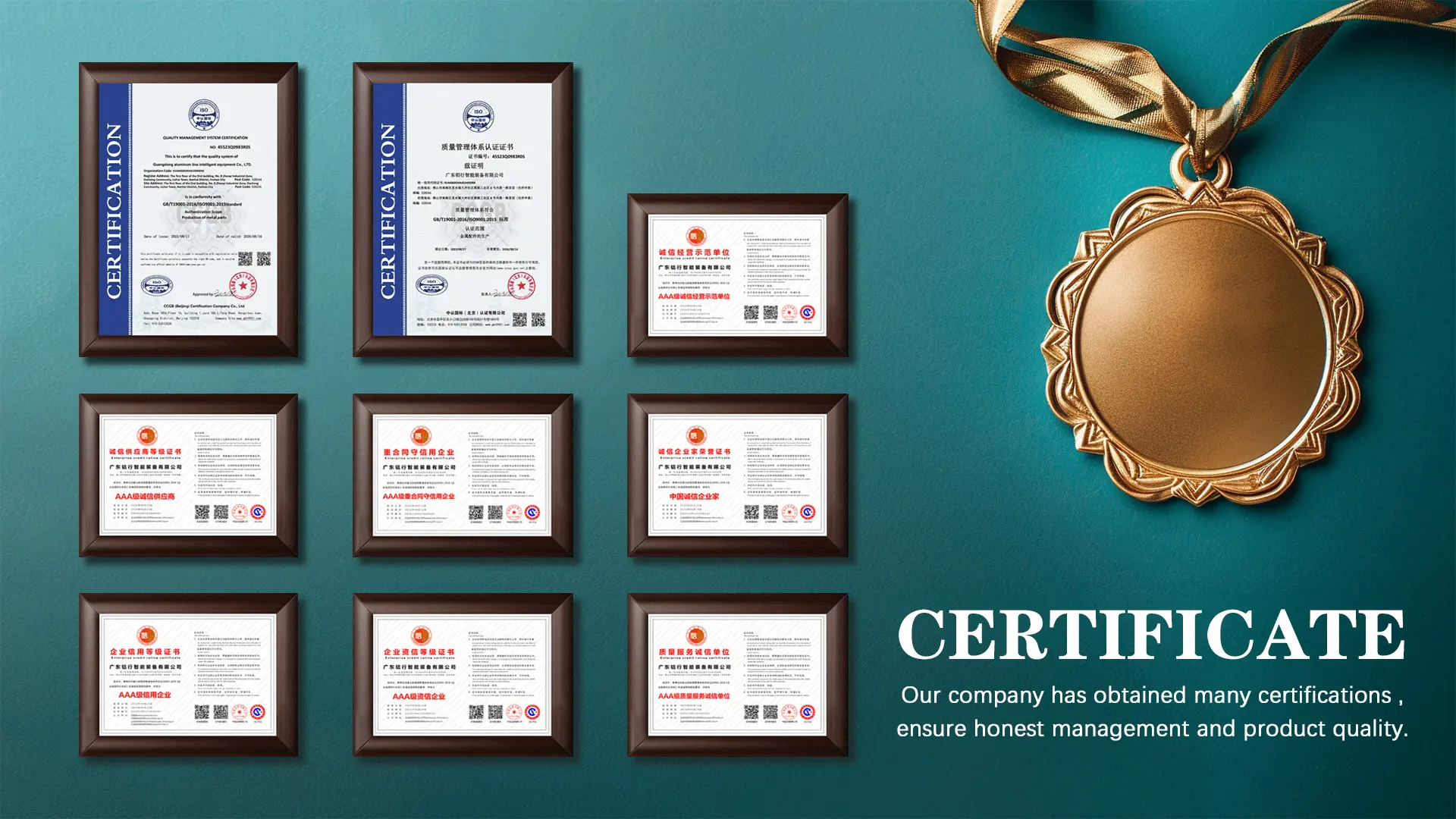
Ensuring compliance with local building regulations and international aviation requirements
When executing global infrastructure projects, navigating local building regulations and international safety directives can be challenging. A helipad structural deck is subject to scrutiny from civil aviation authorities, fire marshals, and local municipal planners. We support our international partners with structural engineering documentation and regulatory compliance support.
Our engineering outputs conform to CE standards (EN 1090-3) for execution of aluminum structures, as well as Eurocode 9 design codes. For aviation infrastructure, we verify that our profiles align with ICAO Annex 14, FAA Advisory Circular 150/5390-2C, and UK CAA CAP 437 regulations. When you order from us, our engineers can provide comprehensive finite element analyses (FEA), raw material heat traceability certificates, and load calculations to streamline local authority approvals in Europe, North America, the Middle East, and beyond.
Common questions from structural engineers and procurement specialists
Browse our catalog of custom-extruded aluminum alloy components and helideck structures
 LvXing