Engineered according to rigorous international structural codes, serving safety-critical infrastructure worldwide.
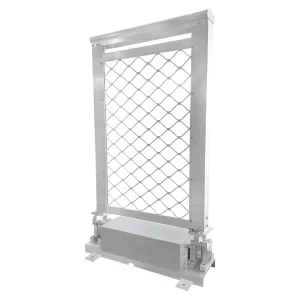
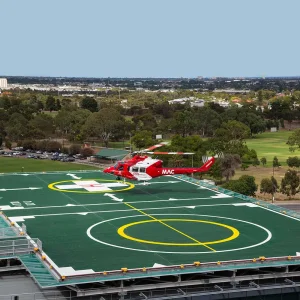
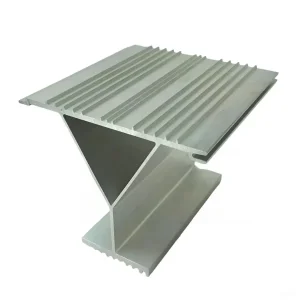
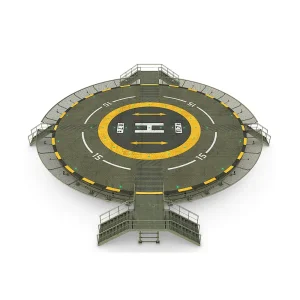
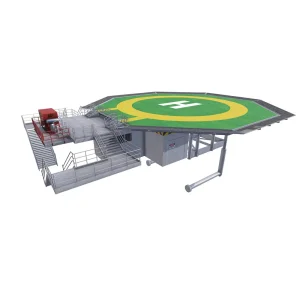
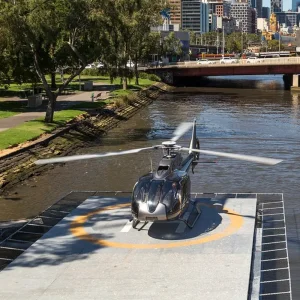
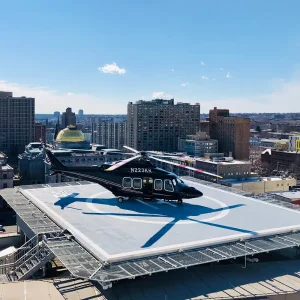
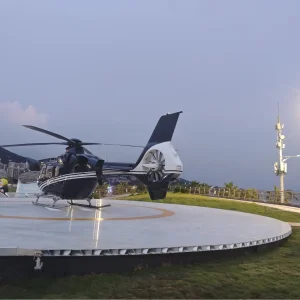
Within modern industrial architectures, the selection of heavy-duty aluminum extrusions represents a crucial intersection of load-bearing design, corrosion performance, and safety metrics. The structural framework must withstand dynamic kinetic stresses—particularly for critical projects like high-altitude rooftop helipads, marine helidecks, and tactical installations.
This whitepaper details the raw material characteristics, engineering capabilities, and manufacturing standards that define CE-Certified Structural Aluminum Extrusions. By looking closely at alloy compositions, large-scale extrusion geometries (up to 1.2m section width and 28m length), and processing precision, this guide outlines critical information for structural engineers, EPC contractors, and global supply managers seeking high-performing structural products.
Established in 2015 and located in Foshan City, Guangdong, LvXing Intelligent Equipment Co., Ltd. boasts a skilled R&D team with extensive experience. We leverage exceptional technical expertise to effectively transform customers' ideas into reality, consistently meeting their precise requirements.

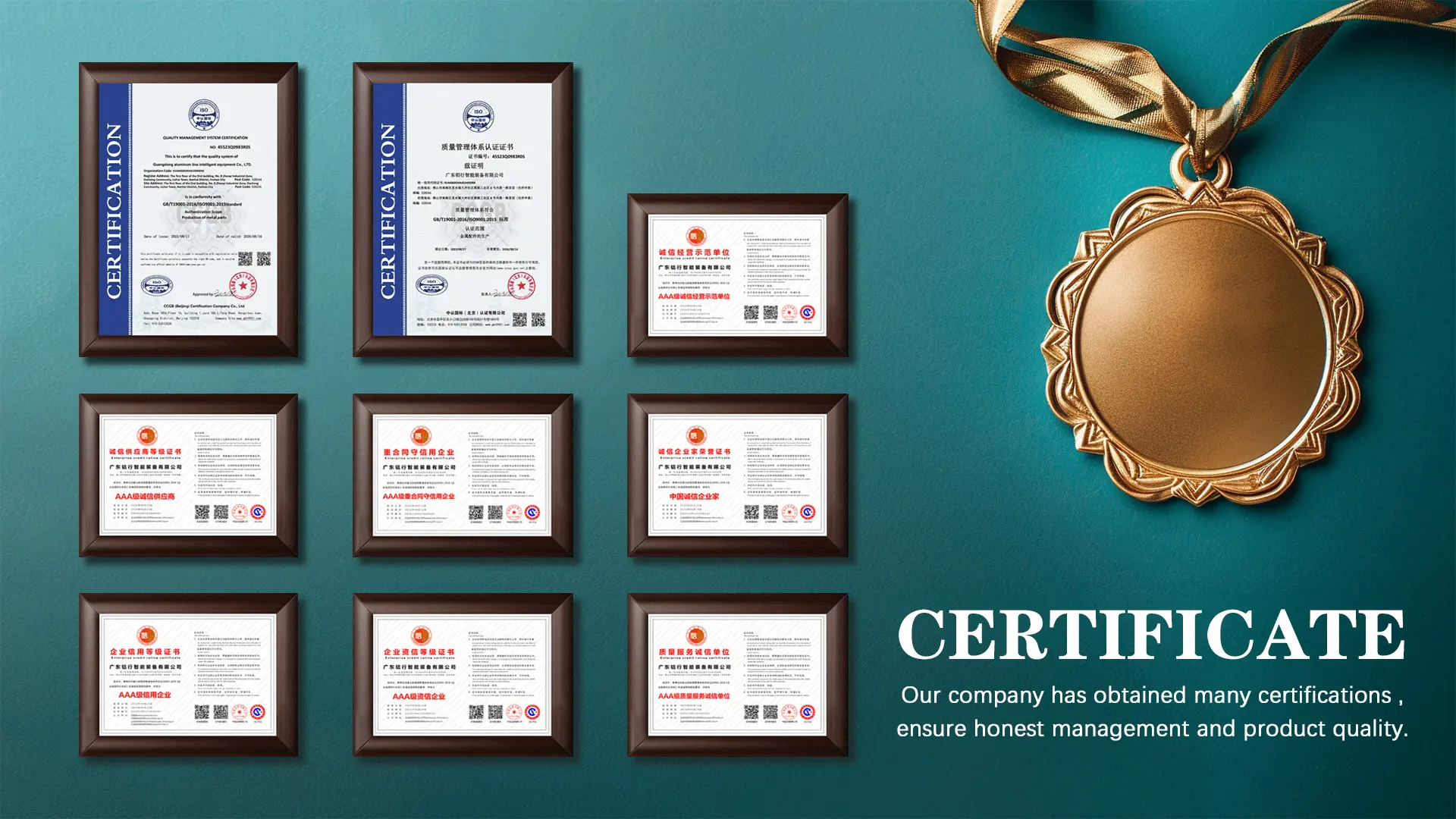
We have obtained the "Special Aluminium Materials for Aerospace" Certificate. This verifies that our raw materials and quality management systems fulfill the high standards of performance and mechanical integrity required for aviation and aerospace systems.

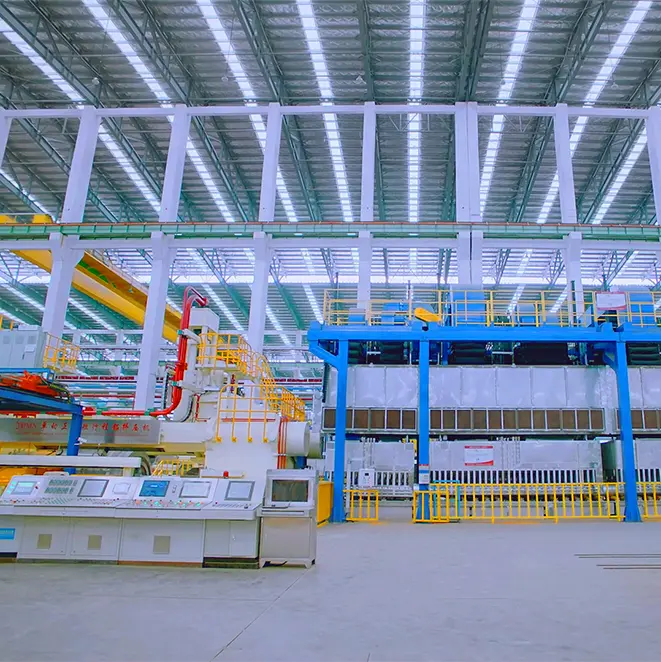
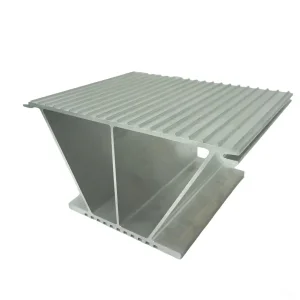
We provide and utilize high-quality Fenglu aluminum profiles. With extrusion lines ranging from 800T to 20,000T, we can produce alloys 1xxx, 2xxx, 3xxx, 5xxx, 6xxx, and 7xxx. We can manufacture fully shaped products with section dimensions up to 1.2 meters in width or 28 meters in length.

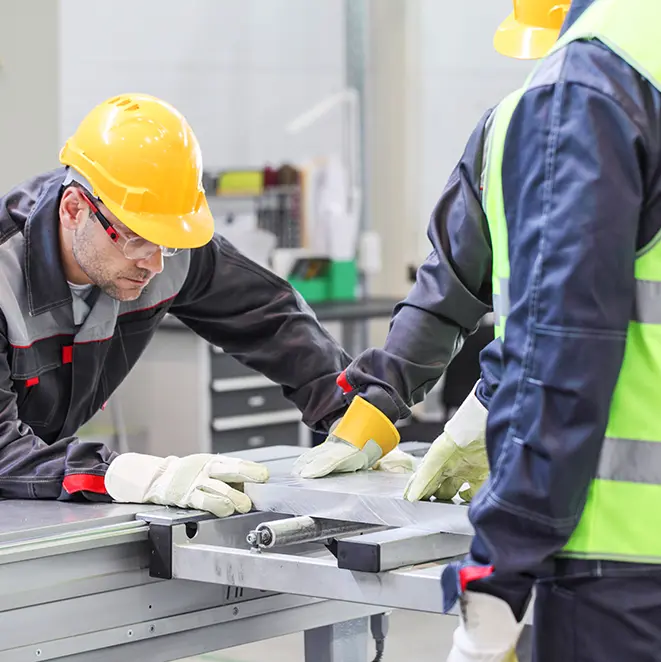
We have a team of technicians with 15 years of invaluable experience. Our deep understanding of customer requirements allows us to identify potential issues and offer practical insights, turning customer ideas into tangible products that meet specific needs.
Our commitment to excellence is evident throughout the manufacturing process, rigorous quality control, thorough packaging, and efficient shipping procedures. This dedication has earned us recognition as a national excellent and honest enterprise, along with quality system certification in accordance with GB/T19001-2016/ISO9001:2015 standards.
How Southern China's advanced manufacturing infrastructure drives cost efficiency, rapid scaling, and technological superiority.
Located in Foshan, the global epicenter for architectural and structural aluminum, we benefit from immediate proximity to elite raw ingot smelters, tooling designers, and advanced surface finishing houses. This minimizes internal logistics latency and reduces overheads.
Our access to massive extrusion presses up to 20,000T allows us to extrude ultra-wide cross sections (up to 1.2m) without splicing. This structural approach prevents weakness at joints and optimizes material usage, reducing the total footprint of steel-to-aluminum transitions.
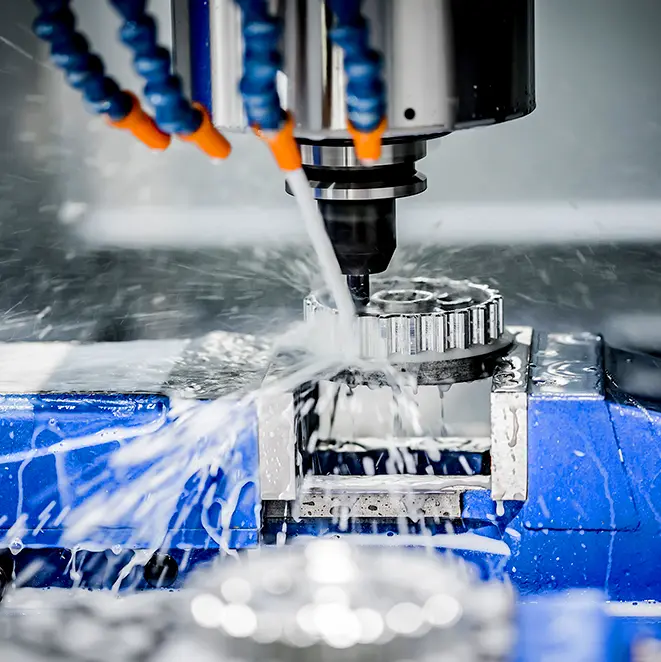
Beyond basic extrusion, our facility performs multi-axis CNC machining, structural welding under ISO 3834 and EN 15085 protocols, and protective surface treatments including heavy anodizing, powder coating, and PVDF coatings to combat marine corrosion.
An engineering roadmap to selecting the optimal aluminum alloy based on mechanical load, corrosion resistance, and temper properties.
| Alloy Series | Primary Elements | Typical Temper | Mechanical Tensile Yield (MPa) | Corrosion Class | Primary Target Applications |
|---|---|---|---|---|---|
| 6061 Series | Al-Mg-Si | T6 / T6511 | ≥ 240 MPa | High / Marine | Helipad structural frames, heavy truss elements, custom tooling brackets. |
| 6082 Series | Al-Si-Mn | T6 | ≥ 260 MPa | Excellent | High-load infrastructural sections, offshore platforms, bridges, marine vessels. |
| 7075 Series | Al-Zn-Mg-Cu | T6 | ≥ 500 MPa | Moderate (Requires coating) | Aerospace structural elements, military deployment ramps, high-stress brackets. |
| 5083 Series | Al-Mg-Mn | H112 / H321 | ≥ 125 MPa | Superior Marine | Welded marine structures, pressure vessels, LNG cargo tank frameworks. |
Integrating extrusion technology into complex international industrial infrastructure projects.
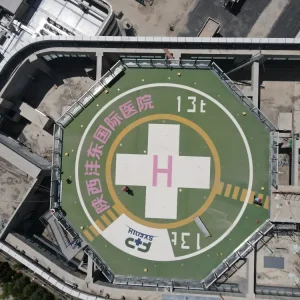
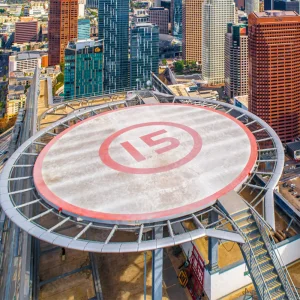
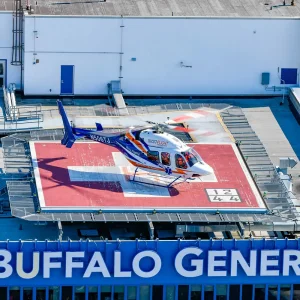
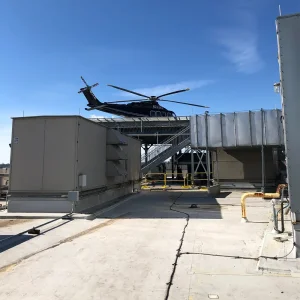
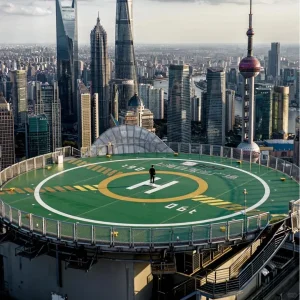
Rooftop landing zones require lightweight profiles to minimize the gravity loads transmitted to the building core. Our custom-extruded aluminum decking sections distribute kinetic landing impacts while featuring integrated anti-slip profiles, safety net interfaces, and built-in lighting tracks.
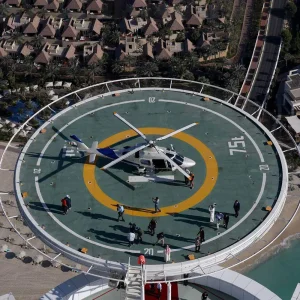
Salty offshore conditions lead to galvanic corrosion. By utilizing high-grade 6082-T6 aluminum alloys and anodizing to over 20 microns, our offshore deck systems prevent seawater degradation. These profiles accommodate electric perimeter safety nets for oil rigs and container ships.
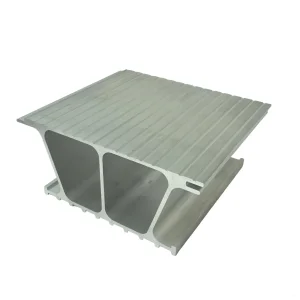
As drone delivery and passenger eVTOL networks expand, lightweight vertiport deck profiles offer high strength-to-weight ratios. The modular, hollow-chamber extrusions allow built-in routing for electric charging conduits, fire suppression lines, and structural health monitoring sensors.
An analytical perspective on the structural, environmental, and technological directions of the aluminum extrusion industry.
Modern structural engineering favors quick onsite assembly to reduce field labor costs. Multi-chamber, interlocking profiles snap or slide together to create uniform structural diaphragms. Our profiles minimize welding requirements, ensuring stable structural connections and lowering installation costs.
Global industrial procurement is increasingly focused on reducing embodied carbon. By using low-carbon primary aluminum processed with renewable energy, alongside post-industrial recycling processes, we help clients meet ESG targets and comply with European CBAM regulations.
The demand for wider profile sections is rising to reduce mechanical joints in structural decks. Utilizing our heavy 20,000T presses, we produce profiles up to 1.2 meters wide. These wide extrusions improve overall stiffness and stability under heavy dynamic loads.
Next-generation helidecks and aviation bridges are integrating fiber-optic Bragg grating sensors within the hollow channels of structural profiles. This enables structural engineers to monitor deformation, peak stress points, and fatigue in real-time, helping to prevent structural failures.
Key quality assurance factors to consider when ordering customized structural extrusions from China.
Provide technical 2D/3D CAD models (DWG, STEP, IGES format). Our engineering team performs FEA analysis and develops custom tooling dies to achieve tight dimensional tolerances.
Identify physical and chemical requirements. Determine if the application calls for high-strength Al-Mg-Si (6082-T6) or specialized aerospace alloys (7xxx) based on structural load cases.
Select surface protection matching your environment: heavy anodizing (up to Class I, 25μm) for marine/industrial settings, or thick fluorocarbon PVDF coating to withstand long-term UV exposure.
Request complete trace verification: Mill Test Certificates (EN 10204 3.1), CE Certification compliance documents, aerospace testing certifications, and dimensional inspection sheets.
Expert technical answers to common queries regarding CE-certified structural aluminum extrusions and logistics.
Select structural elements, custom profiles, and complete helideck kits for international projects.
 LvXing