High-performance extruded aluminum profiles with structural and maritime ratings. Select a profile configuration below to request the latest pricelist and engineering quotes.
Established in 2015 and located in Foshan City, Guangdong, LvXing Intelligent Equipment Co., Ltd. boasts a skilled R&D team with extensive experience. We leverage exceptional technical expertise to effectively transform customers' ideas into reality, consistently meeting their precise requirements.
We utilize premium Fenglu aluminum, offering a diverse range of profiles for flexible structural applications. Our heavy industrial extrusion lines, ranging from 800T to 20,000T, accommodate alloys 1xxx, 2xxx, 3xxx, 5xxx, 6xxx, and 7xxx, allowing us to produce customized, high-precision shaped products with section dimensions up to 1.2 meters in width and 28 meters in length.
Our commitment to excellence is evident throughout the manufacturing process, rigorous quality control, thorough packaging, and efficient shipping procedures. This dedication has earned us recognition as a national excellent and honest enterprise, along with quality system certification in accordance with GB/T19001-2016/ISO9001:2015 standards.
Unparalleled extrusion configurations and aerospace-level certifications designed for challenging structural and environmental installations.
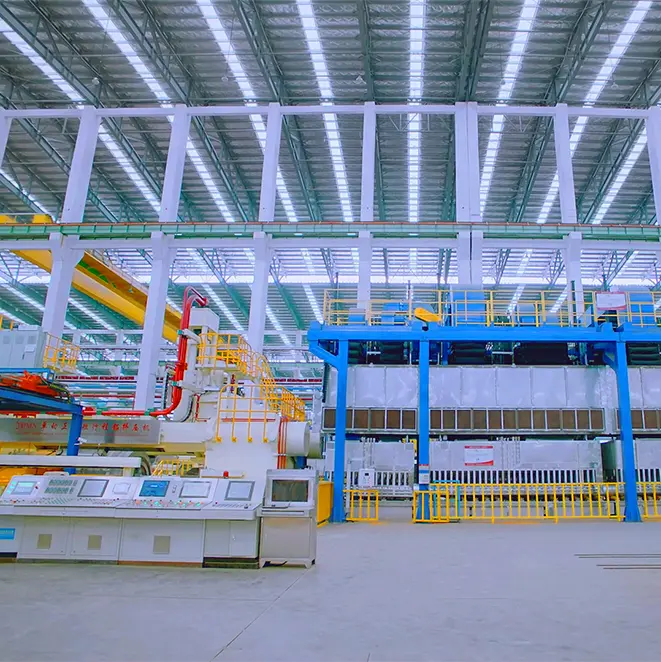

We have obtained the official “Special Aluminium Materials for Aerospace” Certificate, verifying our metallurgic capabilities for high-stress and critical defense configurations.
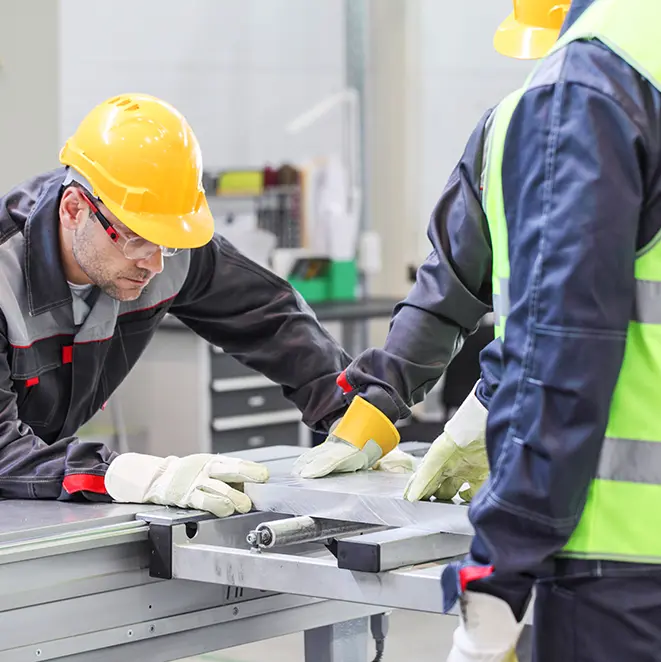

We utilize premium Fenglu aluminum profiles. With extrusion lines ranging from 800T to 20,000T, we produce alloys 1xxx to 7xxx up to 1.2m wide or 28m long.
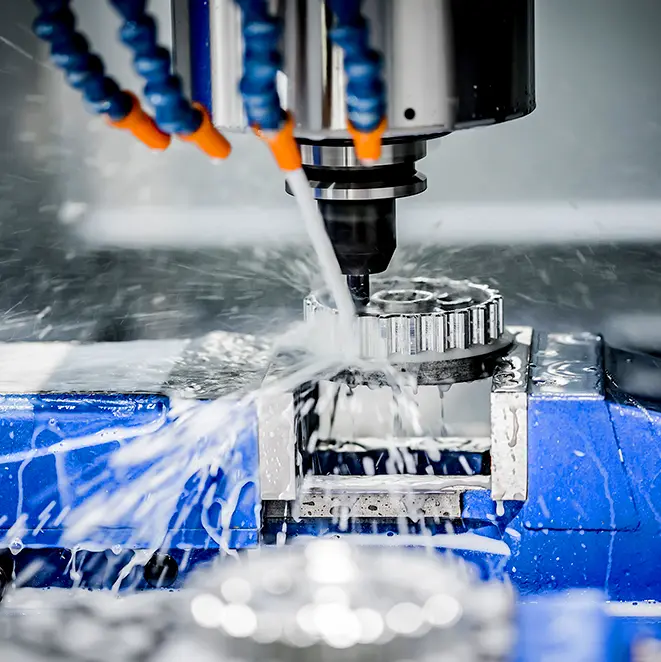

Our team of technicians has 15 years of experience. We analyze customer designs to optimize load-bearing integrity and prevent extrusion flaws.
How Lvxing is pioneering the next generation of intelligent aluminum extrusions for high-performance structural systems.
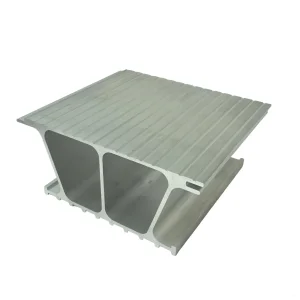
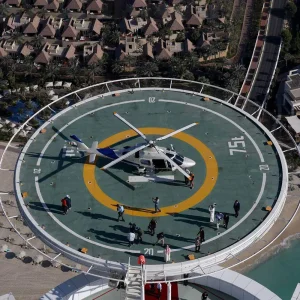
Advancing structural efficiency through custom-engineered 6000-series and 7000-series variations (like 6082-T6 and 7075-T651). Our focus is to deliver higher yield strengths while maintaining fracture toughness in extreme thermal operations, especially for high-altitude helipads and marine environments.
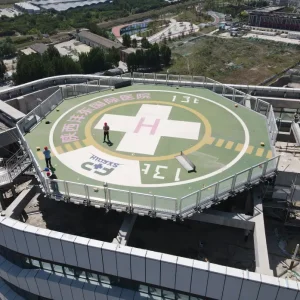
Developing advanced extrusion designs optimized for Friction Stir Welding (FSW). This solid-state joining process eliminates weld defects, ensuring modular helipad platforms retain 100% of their structural load capacity across panel joints without weight penalties.
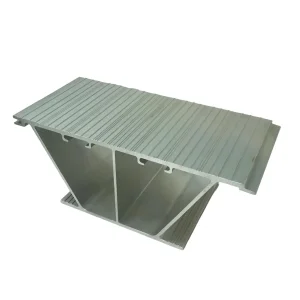
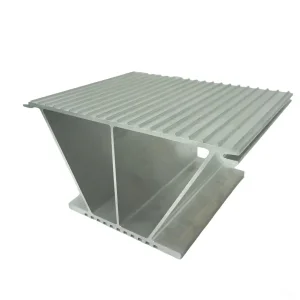
Using finite element analysis (FEA) to design internal structural ribs for our profiles. By relocating metal to high-stress zones, we decrease the total weight per square meter by up to 18%, significantly lowering structural loads on rooftop developments.
Transforming structural raw extrusions into highly reliable systems built for specific real-world sectors.
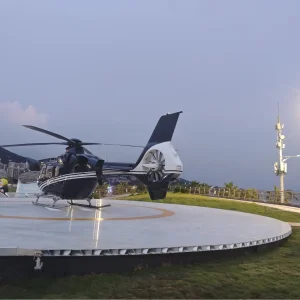
Marine environments require exceptional resistance to chloride stress corrosion. Lvxing supplies aluminum profile solutions in 5083 and 6082 tempers, utilizing integrated interlocking designs that withstand aggressive saltwater exposure, high wind shears, and dynamic helicopter landing impacts.
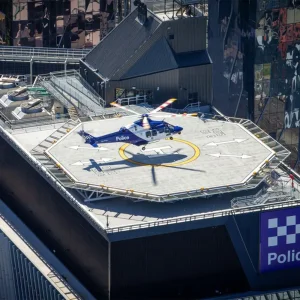
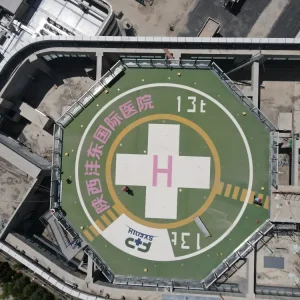
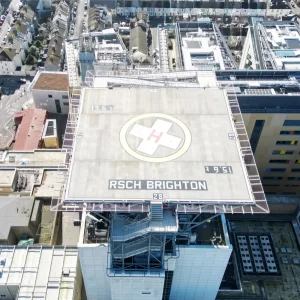
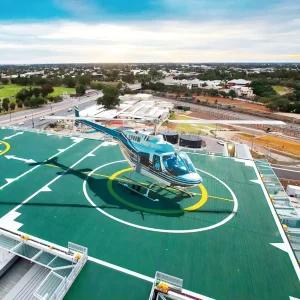
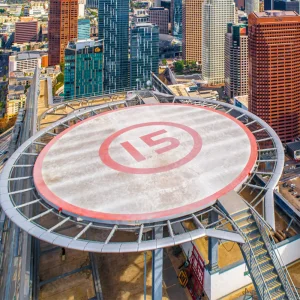
For municipal emergency medical services (EMS) and commercial rooftop facilities, structural load weight reduction is paramount. Our lightweight extruded profile kits distribute structural loads evenly across existing building supports, allowing hospitals to integrate rooftop landing zones without costly structural retrofitting.
Our heavy-duty profile solutions serve as structural elements in train bodies, trailer frames, and large bridge systems. With lengths up to 28 meters, we eliminate structural connection points, significantly reducing stress concentration zones and ensuring longer operational life cycles.
By leveraging certified special aerospace-grade aluminum, we support high-stress defense platforms. Our precise tolerances under EN 755-9 guarantee that interlocking components slide together perfectly in remote and harsh military field installations.
How our Foshan manufacturing facility guarantees consistent production, precise tolerances, and timely logistics.
Operating a fleet of modern extrusion presses from 800 tons up to a monumental 20,000-ton press. This capacity allows Lvxing to manufacture solid and hollow profiles that smaller facilities simply cannot produce, minimizing the need for multi-part mechanical joins.
By sourcing raw aluminum exclusively from industry leaders like Fenglu Aluminum, we ensure trace element consistency. Our raw materials are verified by spectral analysis before entering the reheat furnace, preventing impurities that compromise strength.
Located in Foshan, the global hub of aluminum fabrication. This provides Lvxing with immediate access to surface treatment plants (anodizing, PVDF coating), testing labs, and major container ports (Guangzhou and Shenzhen) for fast global export shipping.
Important factors for procurement managers, structural engineers, and global project planners.
When purchasing extruded aluminum profiles, the initial price per ton is only one factor. Smart procurement teams evaluate total system costs, which include:
We work with international logistics firms to supply structured pricing (FOB, CIF, DDP) and support trade compliance. Our team provides complete country-of-origin documentation, chemical composition analysis reports, and mechanical test certificates (MTRs) to simplify customs processing and secure structural approvals.
Securing structural components for international projects demands strict regulatory compliance. Lvxing ensures all structural profiles conform to the essential safety and environmental guidelines of target markets:
Our structural aluminum profiles are manufactured under strict factory production controls aligned with EN 1090-3 (Execution of aluminium structures) and EN 1999 (Eurocode 9). This guarantees that our profiles satisfy the mechanical deflection and yield standards required throughout the European Economic Area.
Our quality system is certified under GB/T19001-2016/ISO9001:2015. Every production run is fully traceable, from the raw ingot log through the extrusion, heat treatment (aging), surface finishing, and packaging steps.
For major infrastructure and helideck developments, we offer engineering localization support. This includes structural FEA verification, detailed installation drawings, and direct consultations with local regulatory bodies (such as civil aviation authorities or building departments) to ensure smooth project approvals.
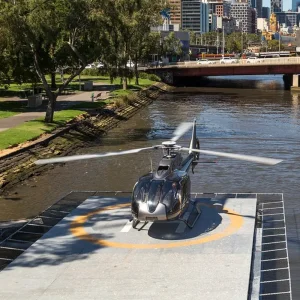
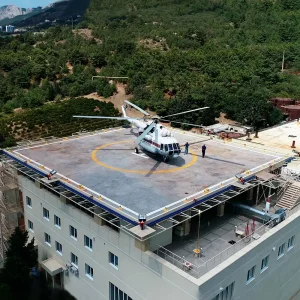
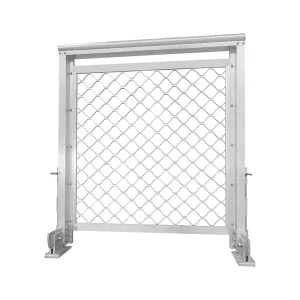
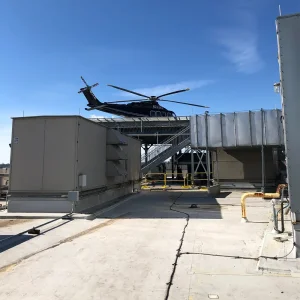
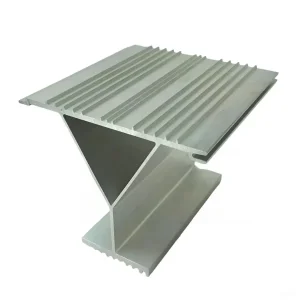
Modular helipad systems, safety perimeters, and specialized wide-section extrusions. Explore products and request custom configuration pricing below.
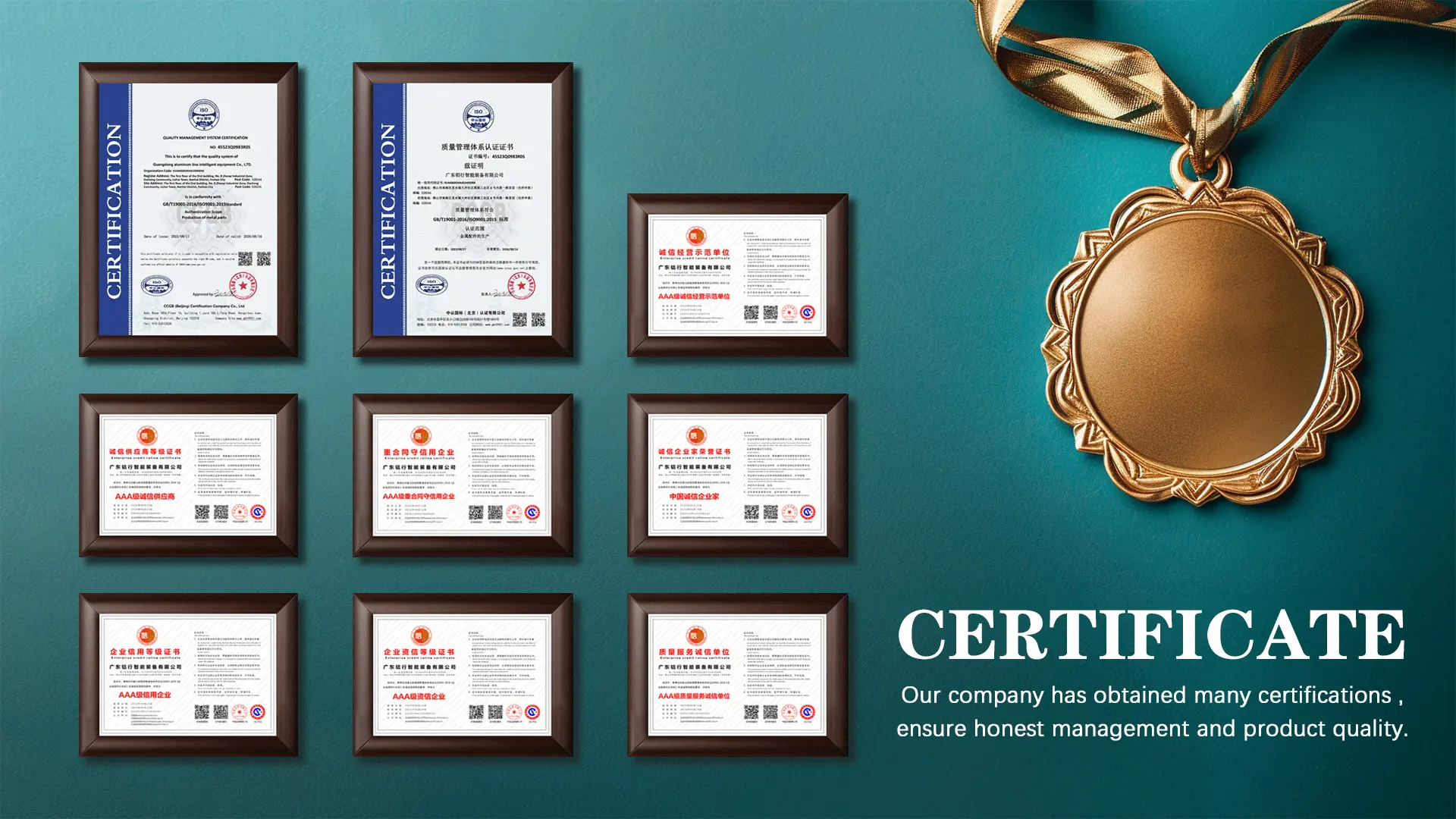
Clear answers regarding alloy availability, custom profile tooling, CE certifications, and pricing calculations.
For custom configurations, design verification and die manufacturing take 15 to 21 days. Trial extrusions are conducted immediately, and physical samples are shipped to the customer for dimensional approval before starting volume production.
Our CE certification indicates conformity with European harmonized standards (such as EN 1090-3). For government, hospital, and municipal installations, this certification confirms the products satisfy structural load-bearing capacity, fatigue resistance, and durability requirements, which streamlines building approvals.
For helidecks and marine installations, we recommend 6082-T6 and 5083-H112 alloys. These materials feature high mechanical strength and excellent resistance to salt spray and atmospheric corrosion.
Our pricing is calculated using a transparent "Al Raw Material Base Price + Processing Fee" model. The raw material base tracks the London Metal Exchange (LME) or Shanghai Metal Exchange (SMM) index, while the processing fee covers extrusion complexity, specific alloy compositions, surface treatments, and packaging options.
Yes. Utilizing our 20,000T extrusion line, we produce multi-chamber hollow profiles with web thicknesses designed for specific shear load requirements, reaching cross-sectional widths up to 1.2 meters in a single pass.
 LvXing