Established in 2015 and located in the industrial metalworking heartland of Foshan City, Guangdong, LvXing Intelligent Equipment Co., Ltd. boasts a highly skilled R&D team with extensive engineering expertise. We leverage exceptional technical capacity to effectively transform customers' blueprints and concepts into reality, consistently meeting precise performance requirements.
We utilize premium Fenglu aluminum, offering a diverse range of alloy profiles for highly demanding, structural applications. Armed with world-class extrusion lines ranging from 800T to 20,000T, we accommodate alloys across 1xxx, 2xxx, 3xxx, 5xxx, 6xxx, and 7xxx series. This allows Lvxing to produce complex, high-precision shaped profiles with cross-sectional dimensions up to 1.2 meters in width and 28 meters in length.
Empowering the manufacture of large-scale structural sections up to 1.2 meters wide.
Fully traceable industrial-grade production for aerospace, military, and maritime security.
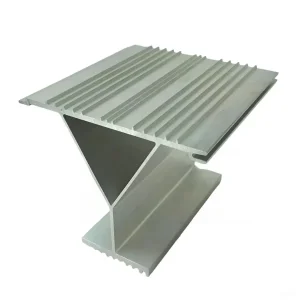
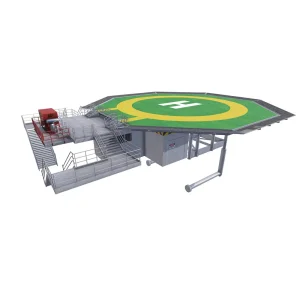
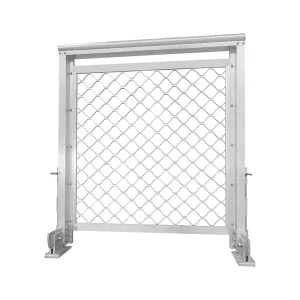
Explore our certified range of aluminum helipad profiles, perimeter safety nets, and customizable helideck components designed for maximum impact mitigation.
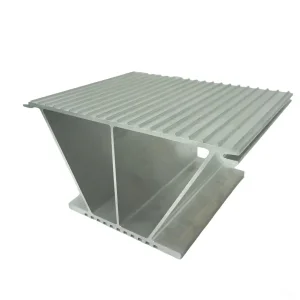
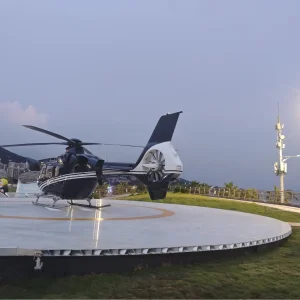
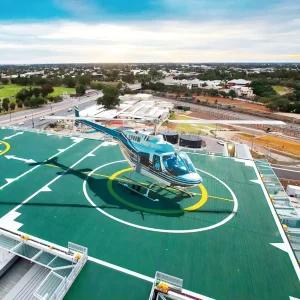
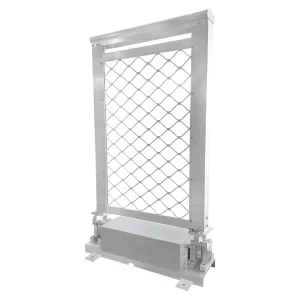
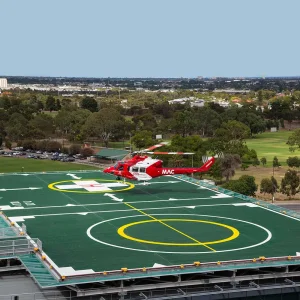
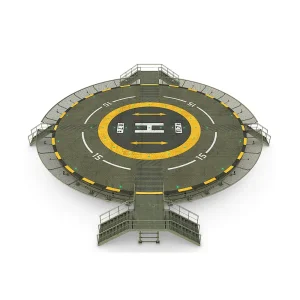
In modern offshore aviation, emergency response infrastructure, and urban high-rise development, safety standards govern every millimeter of engineering. Helidecks and rooftop helipads represent extremely high-risk interfaces where high wind velocity, vertical drops, and kinetic energy convergence meet. Helideck Perimeter Safety Nets are not merely auxiliary structures; they are primary life-saving barriers designed to catch personnel and equipment in the event of an accidental slip or fall from the landing deck.
Traditional structural steel nets present severe maintenance issues in marine and coastal environments, succumbing rapidly to corrosion, salt spray degradation, and structural fatigue. Conversely, modern architectural design relies heavily on marine-grade aluminum alloys (specifically 6061-T6 and 6082-T6) extruded using state-of-the-art heavy machinery. Utilizing aluminum safety net frameworks eliminates degradation pathways, offering a system that maintains its tensile integrity for decades without requiring cost-intensive maintenance.
LvXing Intelligent Equipment Co., Ltd. addresses this macroeconomic and engineering imperative by providing fully customizable, CE-certified aluminum perimeter net solutions. By bridging the gap between metallurgy, mechanical engineering, and global aviation compliance, our structural profiles are optimized for resistance to severe seismic shocks, persistent cyclonic wind loads, and intensive offshore galvanic corrosion environments.
The global demand for high-strength aluminum landing platforms and safety net systems is surging. Key drivers include the expansion of deepwater offshore wind farms, the proliferation of floating production storage and offloading (FPSO) vessels, and the rapid construction of vertical urban skyscrapers equipped with rooftop emergency evacuation facilities.
Currently, offshore operations in the North Sea, the Gulf of Mexico, and the South China Sea mandate rigorous verification of deck safety equipment. The consensus across offshore asset management firms is clear: retrofitting old steel netting with marine-grade aluminum alloys minimizes vessel downtime, reduces deadweight calculation of the platform superstructure, and mitigates health and safety liabilities.
| Material Property | Traditional Galvanized Steel Netting | Lvxing Marine-Grade Aluminum Netting | Engineering Advantage |
|---|---|---|---|
| Specific Gravity (g/cm³) | ~7.85 | ~2.70 | Reduces deck structural load by up to 65% |
| Corrosion Resistance | Poor (Requires regular zinc recoating) | Excellent (Inherent oxide layer + optional anodization) | Eliminates maintenance in marine environments |
| Yield Strength | 250 - 350 MPa | 290 - 310 MPa (Alloy 6082-T6) | High impact absorption with spring-back memory |
| Lifespan in Offshore Marine | 3 - 5 Years | 25+ Years | Substantial reduction in long-term CapEx |
By leveraging Fenglu aluminum's ultra-purified raw alloys, Lvxing ensures that every extruded component possesses structural homogeneity, preventing internal micro-cracking that can lead to catastrophic failure under intense impact conditions. Our massive 20,000T extrusion line enables us to offer monolithic profiles that drastically minimize weld points, a critical vulnerability in traditional safety net frames.
Aviation safety is strictly local in enforcement but global in standardization. To supply high-tier projects, manufacturers must align with international and regional maritime and civil aviation authorities. Our aluminum safety net systems are engineered in strict compliance with the following international frameworks:
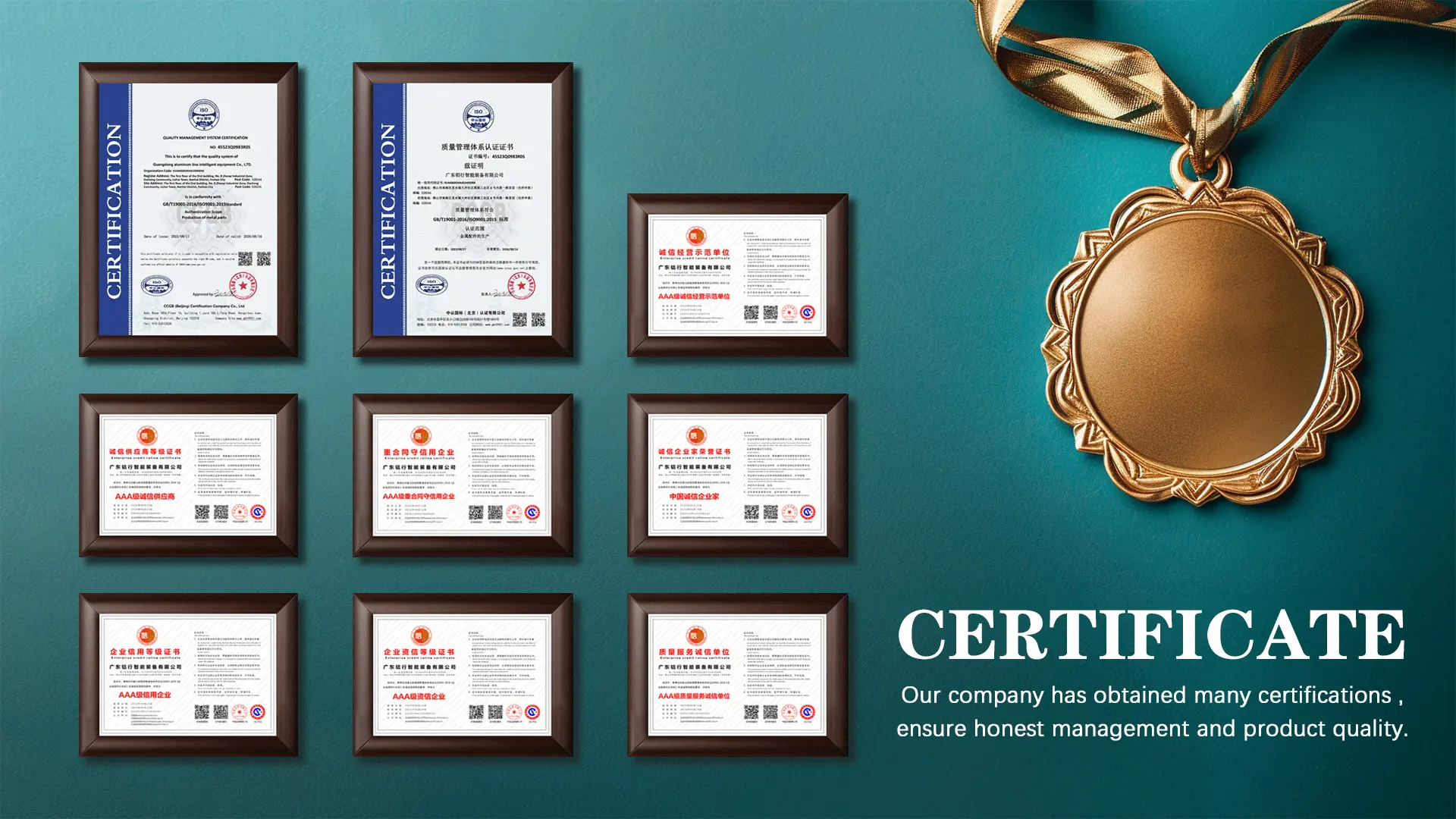
At Lvxing, we supply comprehensive compliance packages with every quote. This includes structural FEA (Finite Element Analysis) reports, material mill certificates traceable to our GB/T19001-2016/ISO9001:2015 quality processes, and certified test reports demonstrating the net's ability to withstand dynamic drop tests of a 200kg mass from prescribed operational heights without structural failure.
Through robust metal extrusion processing, advanced aerospace qualifications, and decades of engineering experience, we convert high-grade alloys into reliable protection barriers.
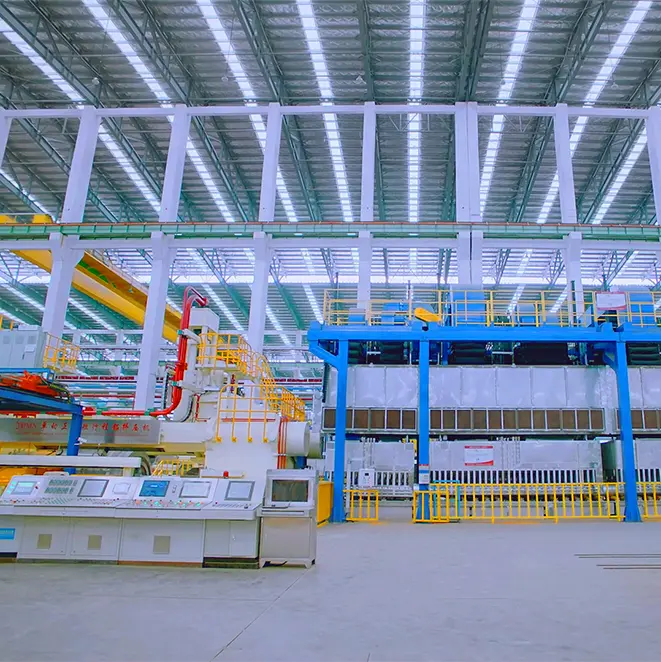

We have obtained the prestigious “Special Aluminium Materials for Aerospace” Certificate, ensuring compliance with strict metallurgical tolerances and mechanical properties required in zero-tolerance environments.
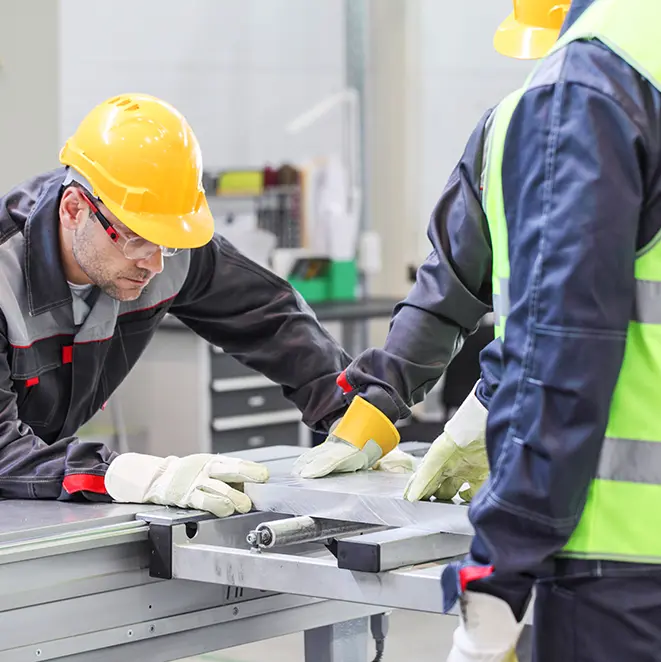

Utilizing high-quality Fenglu aluminum, we manufacture fully shaped structural profiles up to 1.2 meters in width or 28 meters in length, spanning 1xxx through 7xxx alloy classes to suit heavy-duty commercial requests.
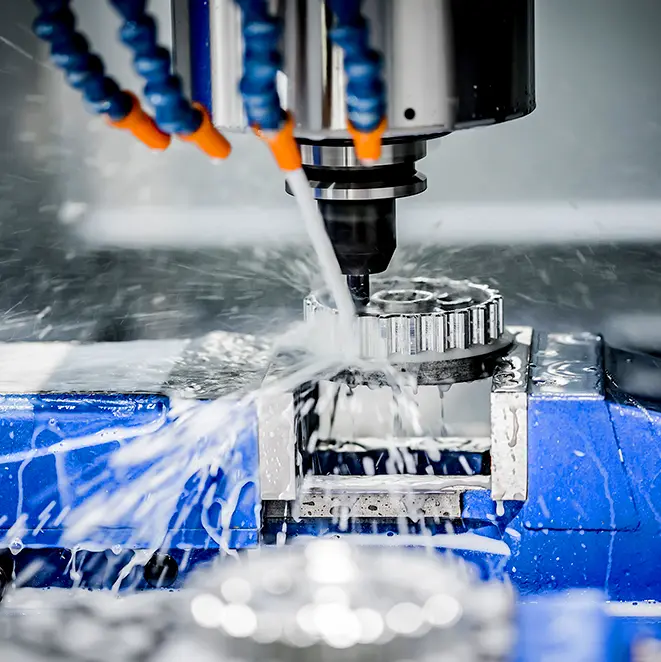

Our design and technical team brings over 15 years of project experience. We review structural load distributions, identify potential mechanical interference, and provide CAD/BIM models to streamline project integration.
Aluminum safety nets must be adapted to diverse environmental conditions. Lvxing designs specialized configurations for distinct operational domains:
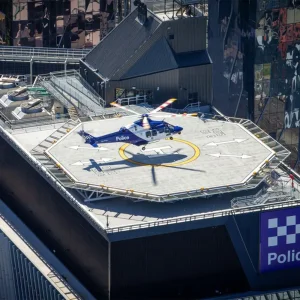
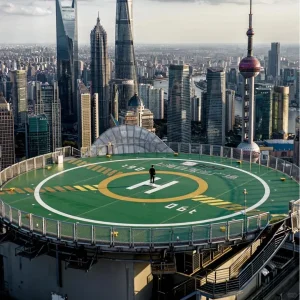
In high-density urban environments, wind sheer and thermal updrafts from building HVAC systems create volatile micro-climates. Helideck safety nets on skyscrapers must withstand significant updraft winds while remaining unobtrusive. Furthermore, aesthetic considerations are paramount. Our anodized, corrosion-resistant profiles present clean lines that blend seamlessly into modern metropolitan architecture while ensuring maximum compliance with municipal fire and rescue codes.
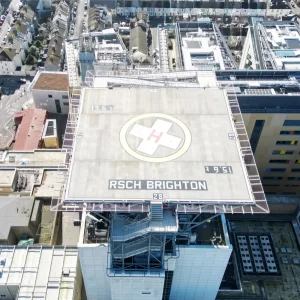
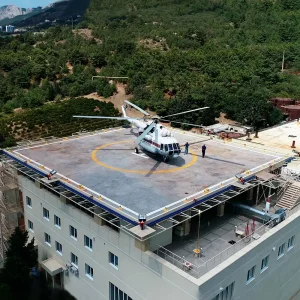
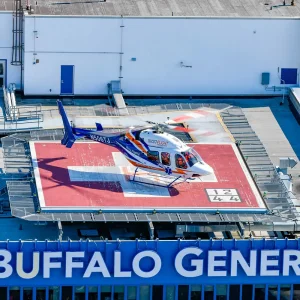
Hospital emergency helipads operate under strict noise, vibration, and safety limits. Safety nets in these environments require absolute reliability, ensuring zero failure risk during emergency patient transfers. Lvxing provides customized, low-profile, non-reflective mesh systems that prevent glare from affecting pilots during critical night landings and emergency EMS operations.
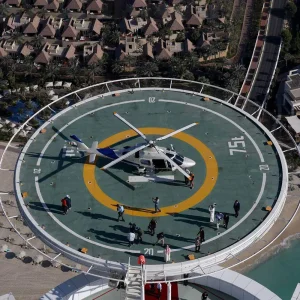
Deep-sea platforms operate in highly corrosive marine zones characterized by constant salt spray and moisture. Standard carbon steel mesh corrodes quickly in these environments. Lvxing’s marine-grade, copper-free aluminum alloy frames are highly resistant to galvanic corrosion, maintaining structural integrity and eliminating the need for regular replacement or maintenance under harsh maritime conditions.
As smart building integration and automated offshore platforms continue to progress, perimeter safety nets are evolving from passive mechanical barriers into active, responsive systems. Lvxing is currently spearheading research and development across several key technical fields:
Read through detailed engineering queries regarding material compositions, safety certificates, wind load ratings, and customized ordering processes.
Explore our structural aluminum range designed for municipal, health sector, and commercial building heliports.
 LvXing