Founded in 2015 and strategically based in Foshan City, Guangdong Province, LvXing Intelligent Equipment Co., Ltd. has established itself as an international benchmark in high-performance aluminum extrusion technology. Our facility is designed to support the complete production lifecycle—from concept visualization to mechanical engineering, heavy-tonnage extrusion, precise multi-axis CNC machining, and state-of-the-art anodizing treatments.
We work exclusively with premium Fenglu aluminum billets, enabling us to guarantee mechanical consistency and structural stability across a wide variety of aluminum alloy series, specifically tailored for demanding heavy industrial, marine, and aerospace applications.
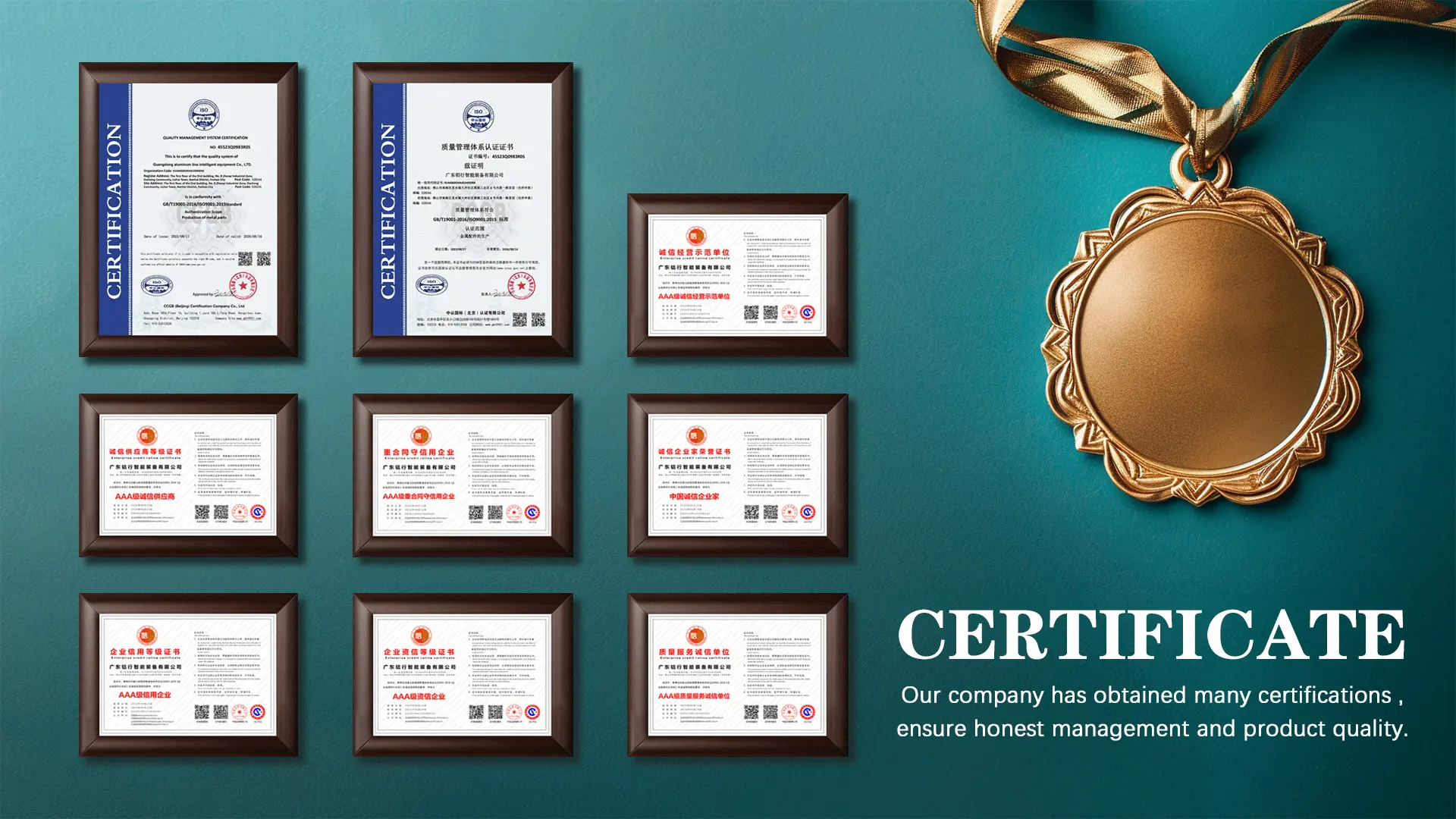
Our commitment to quality management is backed by national recognitions and verified compliance under the GB/T19001-2016/ISO9001:2015 international quality standards. When safety, long service life, and rigorous engineering limits are required, global enterprises rely on LvXing.
Heavy-duty structural configurations like helipads, marine platforms, and high-load transit corridors demand alloys designed for high mechanical shear, tensile strength, and environmental protection. Our capabilities bridge the gap between heavy metallurgy and micro-precision machining.
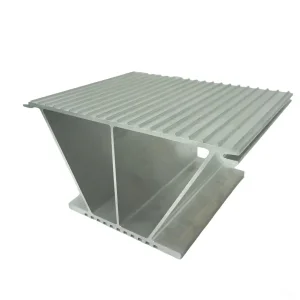
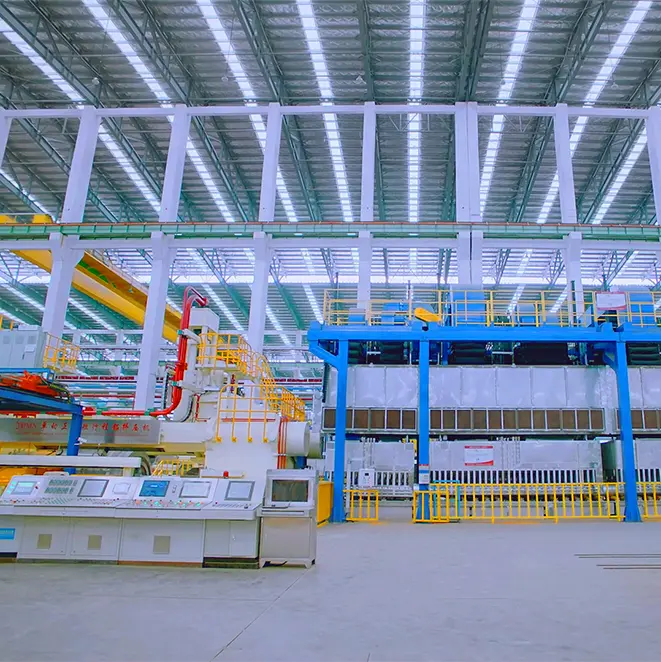
Our heavy manufacturing floor runs a full range of extrusion lines. By utilizing up to 20,000-tonne presses, we can consolidate multiple parts into single, complex extrusions, eliminating weld seams, weak joints, and excessive fasteners.
We process pure electrical grades (1xxx), high-strength copper structural variants (2xxx), manganese-reinforced structural profiles (3xxx), marine corrosion-resistant magnesium alloys (5xxx), architectural & load-bearing profiles (6xxx), and ultra-high-strength aerospace alloys (7xxx).
We specialize in large-section geometries, capable of producing continuous extruded elements up to 1.2 meters wide and up to 28 meters long. This is ideal for continuous modular structural assembly lines, saving processing and install time.
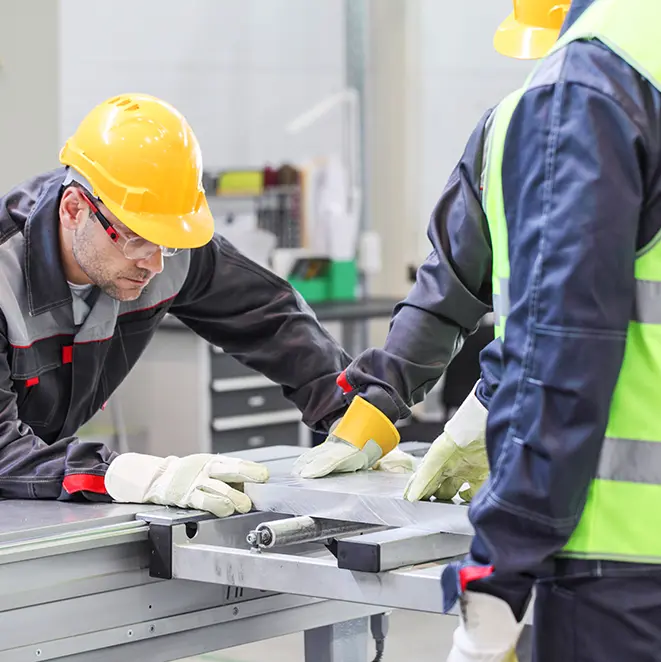
The core mechanical reliability of our profiles is established from raw material selection. We partner with Fenglu Aluminum, utilizing high-quality primary billets. This ensures that every extrusion has consistent density, minimal grain defect ratios, and excellent response to thermal hardening (such as T5, T6, and T651 temper processing).
This attention to chemical balance pays off during subsequent processing. Unlike cheaper secondary scrap aluminum, Fenglu billets yield smooth surfaces with minimal die lines, zero internal micro-porosity, and uniform anodized coatings, preventing chemical discoloration or mechanical failure under load.
Selecting the optimal alloy temper configuration is critical for structural engineering safety and weight calculations. Below is a reference chart showing common configurations manufactured in our Foshan plant:
| Alloy Group | Common Tempers | Yield Strength (MPa) | Ultimate Tensile Strength (MPa) | Main Benefits & Use Cases |
|---|---|---|---|---|
| 6063 Alloy | T5, T6 | 170 - 214 | 220 - 245 | Excellent surface finish, corrosion resistance. Architectural trim, light industrial fixtures. |
| 6061 Alloy | T6, T651 | 240 - 276 | 290 - 310 | High weldability, structural toughness. Industrial frames, CNC processed mounting components. |
| 6082 Alloy | T6 | 250 - 310 | 295 - 340 | Highest strength of the 6xxx class. Heavily used in offshore helidecks, cranes, and structural roofs. |
| 5083 / 5052 | H111, H112, O | 125 - 200 | 275 - 330 | Outstanding marine corrosion resistance. Structural panels, marine tanks, ship superstructures. |
| 7075 Alloy | T6, T651 | 435 - 505 | 510 - 570 | Ultra-high strength-to-weight ratio. Aerospace bulkheads, military armor support structures, custom CNC rigs. |
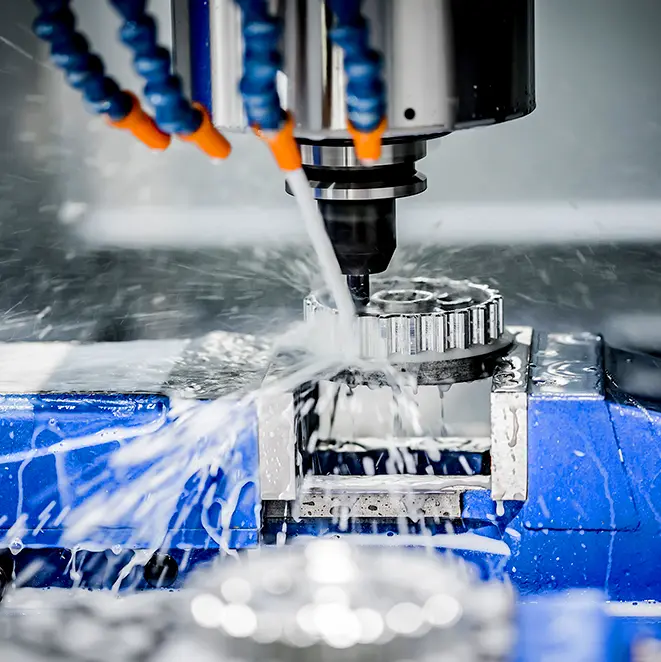
For custom structural applications like heliports and perimeter safety nets, simple extrusion is only the first step. Complex physical properties demand post-extrusion precision. Our factory is equipped with multi-axis CNC machines capable of drilling, milling, tapping, and contouring profiles up to 28 meters in length with tight tolerances of down to ±0.05 mm.
Additionally, our in-house anodization line protects industrial aluminum from harsh environmental factors, including salt spray and ultraviolet degradation:

Sourcing large industrial structural materials from China requires absolute confidence in supply chain transparency, quality certifications, and global shipping standards. By consolidating your procurement with LvXing, you benefit from several structural advantages:
We hold the "Special Aluminium Materials for Aerospace" Certificate. This validates that our metal grain uniformity, structural elasticity, and batch-to-batch traceability meet the stringent quality control criteria required for high-risk applications.
Our plant operates strictly under the GB/T19001-2016/ISO9001:2015 quality standards. Every shipment can be supplied with complete EN 10204 3.1 Mill Test Certificates (MTC) and CE compliance reports for structural construction components.
Located in the heart of Foshan's manufacturing hub, we enjoy direct access to deep-water ports in Guangzhou and Shenzhen. This lowers inland freight costs, provides access to high-quality raw materials, and shortens global shipping times.
Our engineering department, backed by over 15 years of technical expertise, acts as an extension of your own R&D team. When procurement managers submit CAD designs, our team analyzes them for metal flow dynamics, wall thickness uniformity, and potential cooling deformations.
This proactive engineering assessment prevents issues such as uneven wall cooling, local stress concentrations, and surface tearing. The result is a streamlined manufacturing cycle, reduced scrap rates, and lower overall project costs.
High-strength extruded profiles are key components in modern industrial, commercial, and safety infrastructure. Below are common engineering scenarios where our CE Certified profiles are used:
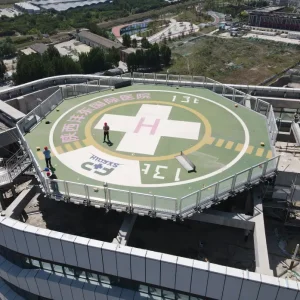
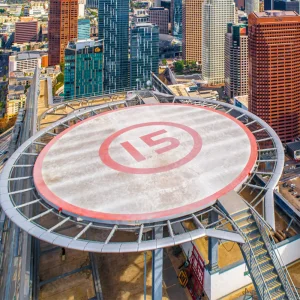
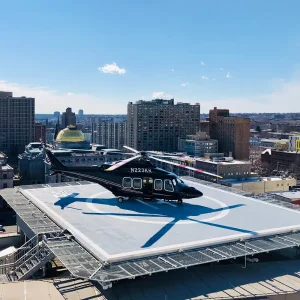
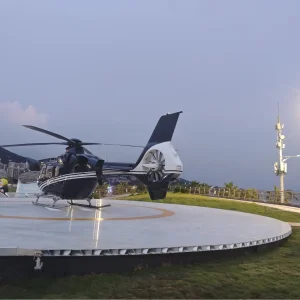
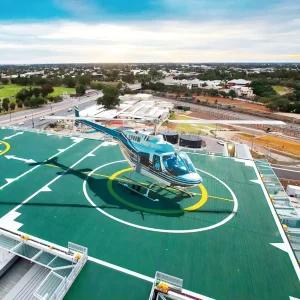
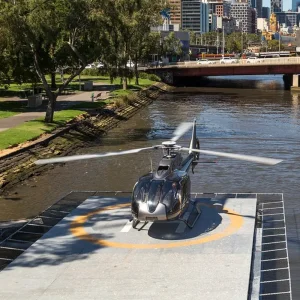
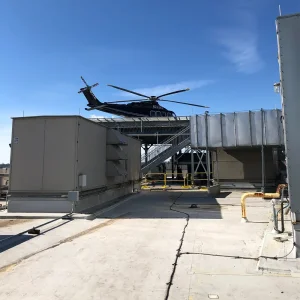
Rooftop installations require low dead weight to minimize building load, alongside high structural strength to absorb dynamic helicopter impacts. Our 6xxx series profiles provide the optimal balance for long-term structural safety.
Offshore oil platforms and vessels face constant exposure to salt air. Our Class I anodized 6082-T6 and 5083 structural extrusions offer exceptional marine corrosion protection, resisting corrosion for decades.
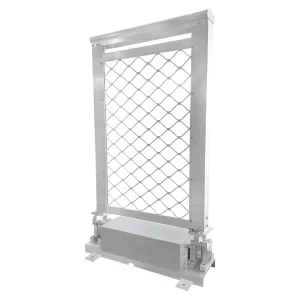
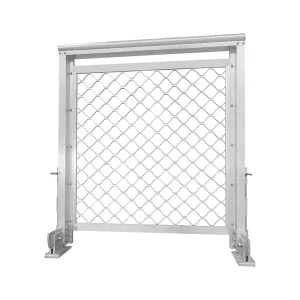
For perimeter safety nets (manual or electric), we manufacture precision profiles that support safety mesh systems. These configurations are designed and tested to withstand high kinetic energy impacts without failing.
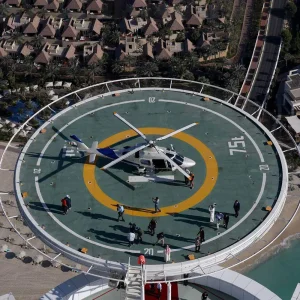
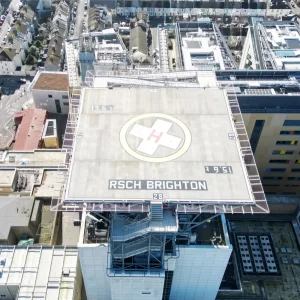
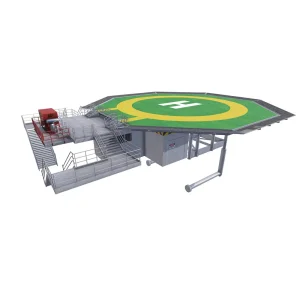
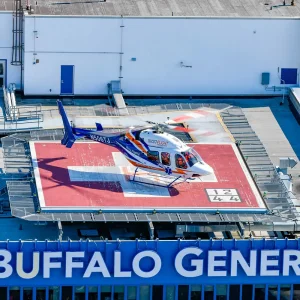
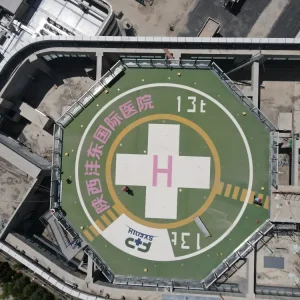
Helicopter landing pads must withstand two primary forces: the static weight of the helicopter and the dynamic impact of emergency landings. Our structural aluminum alloys are engineered to distribute these localized loads across the supporting grid. Using high-tensile 6xxx series alloys allows engineers to reduce structural weight by up to 50% compared to traditional structural steel, without sacrificing safety margins.
Furthermore, our aluminum's natural thermal conductivity helps prevent local heat buildup, and its non-sparking properties are essential in high-risk zones like offshore oil platforms, hospital roofs, and chemical facilities.

As industries seek to reduce carbon emissions and improve efficiency, the demand for precision aluminum extrusions is evolving. Our R&D team remains at the forefront of these industry shifts:
Find technical answers regarding structural design, chemical composition, tolerances, and procurement options.
 LvXing