CE Certified Architectural Aluminum Profiles: Engineering Whitepaper & Industrial Procurement Framework

Foshan Factory-Direct Structural Solutions: High-Capacity Alloys (1xxx-7xxx) for Helipads, Skyscrapers, and Marine Infrastructure

Enterprise Overview

Welcome to Lvxing: A Benchmark in Advanced Aluminum Extrusion & Intelligent Fabrication

Established in 2015 and located in the global metal manufacturing capital of Foshan City, Guangdong, LvXing Intelligent Equipment Co., Ltd. stands as a pioneer in developing architectural and heavy-duty industrial aluminum profile systems. Backed by a high-caliber R&D engineering team with years of deep domain experience, we specialize in converting complex structural concepts into practical, high-strength industrial components.

Our strategic manufacturing partnership leverages premium Fenglu Aluminum raw materials, ensuring superior metallurgical composition, mechanical stability, and grain refinement. Outfitted with state-of-the-art extrusion lines from 800 Tons up to 20,000 Tons, Lvxing handles alloys across the 1xxx, 2xxx, 3xxx, 5xxx, 6xxx, and 7xxx series. This expansive equipment matrix permits the creation of complex, custom-molded profiles spanning up to 1.2 meters in section width and up to 28 meters in linear length.

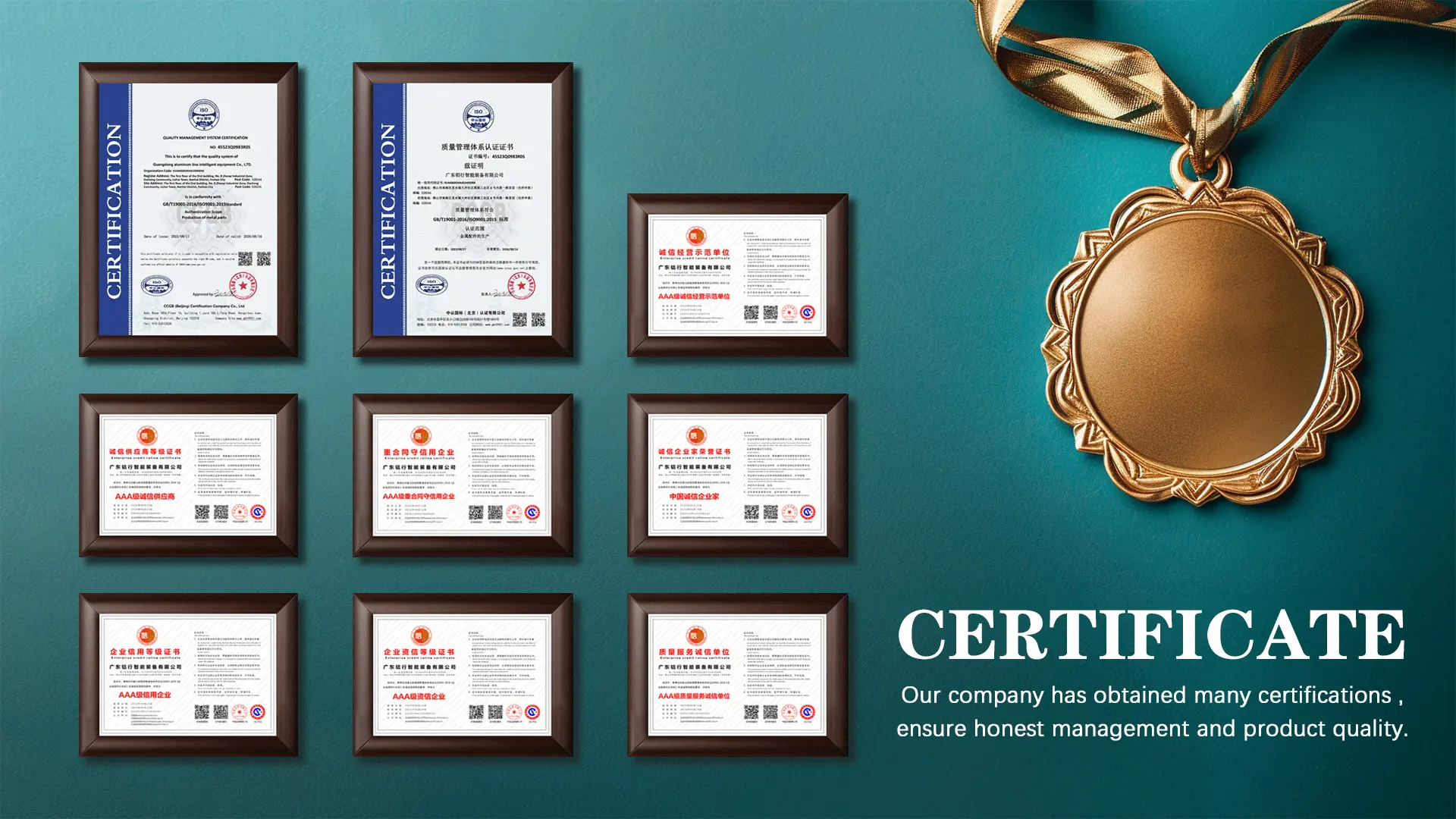
Our commitment to regulatory compliance and international quality standards is reflected in our certifications. As a recognized national honest enterprise, we conform fully to GB/T19001-2016 / ISO9001:2015 quality management standards and hold certifications for specialized structural and aerospace aluminum profiles. From high-stress helipad assemblies to critical structural framing, we stand ready as your expert technical partner.

Precision Tolerances

Applying advanced CNC machining and mechanical design to achieve dimensional tolerances exceeding EN 755-9 specifications.

CE Certified Workflows

Our structural profiles undergo exhaustive testing to fulfill the requirements of EN 1090-3, assuring international conformity.

20,000T
Max Extrusion Capacity
1.2m
Maximum Section Width
28m
Maximum Length Capacity
15+ Yrs
Engineering Experience
Deep Tech

Our Competitive Edge & Material Science

Architectural and industrial structural profile integrity depends heavily on metallurgy, thermal tempering processes, and design expertise. Below is a detailed breakdown of our manufacturing competencies and raw material systems.

Special Aluminium Materials for Aerospace Certificate
Aerospace Certification Icon

Aerospace-Grade Credentials

We have obtained the prestigious “Special Aluminium Materials for Aerospace” Certificate. This validation ensures that our manufacturing processes, metallurgical purity, and testing regimens align with safety-critical systems, providing heavy-duty infrastructure like helicopter landing pads with exceptional resilience under static and dynamic loading.

High-Quality Fenglu Aluminum Extrusion Lines
Extrusion Lines Icon

Advanced Material Selection

We utilize premier Fenglu aluminum profiles. Leveraging extrusion lines ranging from 800T to 20,000T, we process alloys in 1xxx, 2xxx, 3xxx, 5xxx, 6xxx, and 7xxx series. This allows us to manufacture complex architectural sections up to 1.2 meters wide or 28 meters long, minimizing physical joints in massive structural frameworks.

Technical Engineering Team
Technical Experience Icon

15 Years of R&D Expertise

Our engineering division brings over 15 years of technical expertise to your custom architectural projects. By checking design models, analyzing structural stresses, and anticipating manufacturing challenges before extrusion, we turn ideas into functional, durable, and highly optimized aluminum systems.

Market Insights

Trends in Structural & Architectural Aluminum

As developers, architects, and structural designers seek carbon-neutral building strategies, structural aluminum has emerged as a preferred material over steel. The shifting architectural landscape highlights key areas of development:

Decarbonization & Circular Economy

Aluminum is infinitely recyclable, retaining 95% of its physical properties. Global green building mandates like LEED and BREEAM encourage structural systems that use recycled extrusions, reducing lifecycle carbon emissions.

Alloy Modification & Heat Treatment

Modern architectural profiles require high structural capacity. Silicon, magnesium, and copper ratios are finely tuned using advanced thermal processing to optimize yield strength while maintaining excellent weldability and corrosion resistance.

Pre-engineered Modular Prefabrication

On-site labor constraints are driving a transition to off-site pre-fabrication. Interlocking aluminum profiles allow quick assembly of helicopter landing zones, building facades, and sky-bridge links, minimizing installation time.

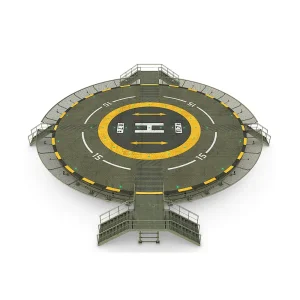
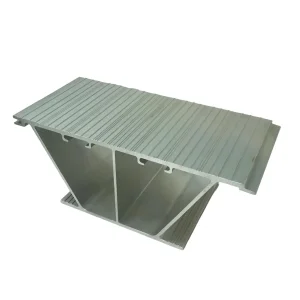
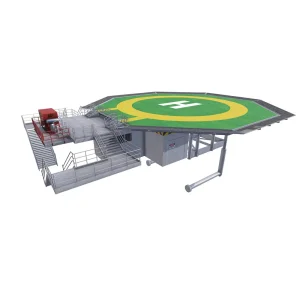
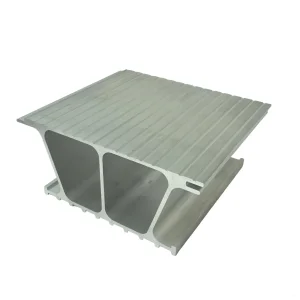
Technical Layout Blueprint of Aluminum Helipad Deck Profiles
Material Science

Alloy Series Chemistry & Engineering Specifications

Selecting the appropriate alloy is critical to prevent fatigue, structural deformation, and galvanic corrosion. Below is a breakdown of our extruded alloys.

Alloy Series Principal Elements Tensile Range (MPa) Primary Architectural Applications Corrosion Resistance
1xxx Series (e.g. 1060, 1100) Pure Al (99.0% Min) 70 - 140 Flashings, highly reflective cladding, trim, electrical conduit busbars. Excellent (Highly passive oxide layer)
2xxx Series (e.g. 2024) Copper (Cu) 300 - 480 Heavy structural brackets, aerospace load plates, tension fittings. Fair (Requires protective coating)
3xxx Series (e.g. 3003, 3105) Manganese (Mn) 110 - 200 Roofing panels, corrugated siding, general sheet fabrication. Very Good (Weather resistant)
5xxx Series (e.g. 5083, 5754) Magnesium (Mg) 190 - 350 Marine structures, offshore vessel helicopter decks, coastal facade brackets. Outstanding (Resists salt spray environment)
6xxx Series (e.g. 6061, 6063, 6082) Magnesium & Silicon 150 - 390 Heavy structural framing, modular helipad decks, curtain wall supports. Excellent (General exposure)
7xxx Series (e.g. 7075) Zinc (Zn) 500 - 600+ Ultra-high-load mechanical pins, aircraft landing systems, structural keys. Moderate (Requires anodizing/sealing)
Industry 4.0

China Factory 4.0: Supply Chain Resilience & Production Efficiency

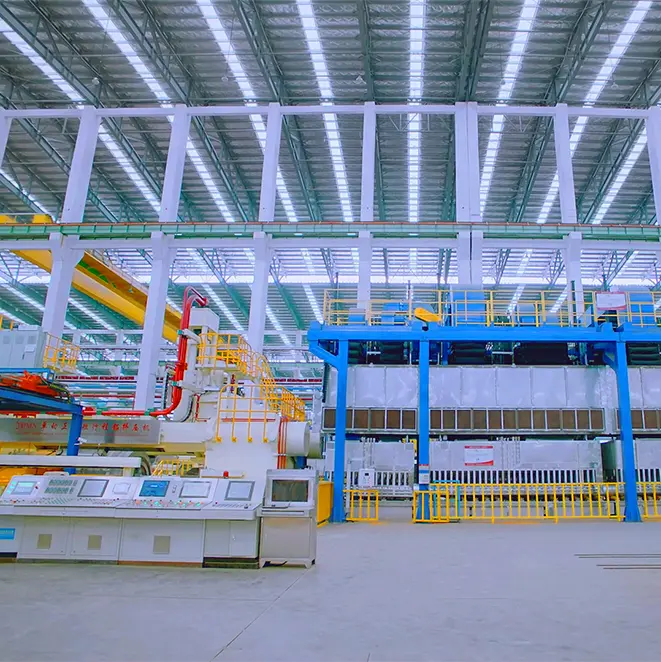
Lvxing leverages the production cluster of Foshan City. Operating under an integrated Industry 4.0 model, our processes run smoothly from direct raw material sourcing through computerized extrusion to final quality assurance.

Our automated lines track extrusion speed, pressure, and cooling parameters in real time. This control prevents interior defects, surface micro-cracks, and warpage. In addition, our proximity to global deep-water shipping lanes in Shenzhen and Guangzhou enables reliable global logistics for fast delivery times.

Automated Quenching

Computer-controlled air and water cooling ensures our structural profiles achieve the precise mechanical properties required for T5, T6, or T6511 tempers.

Precise Machining

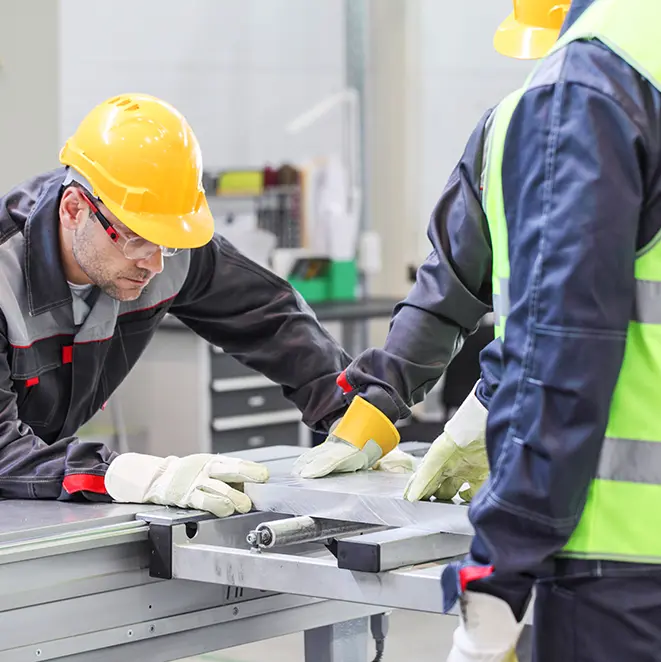
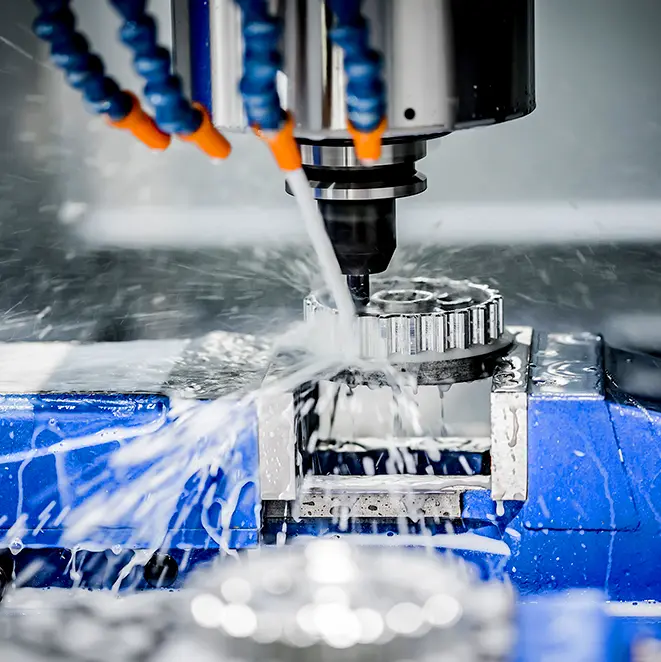
Equipped with heavy-duty multi-axis CNC centers, we perform drilling, milling, and counterboring on profiles up to 28 meters long in a single setup.

Surface Treatment

We offer custom finishing options, including anodizing, PVDF coating, and powder spraying, to ensure durability in marine and industrial settings.

Quality Assurance

Every production batch undergoes ultrasonic testing, hardness verification, and coordinate measurement checks to maintain strict standard compliance.

Applications

Structural & Architectural Applications

Structural aluminum profiles provide versatility in architectural design. Common applications include:

Elevated Helipad Decks

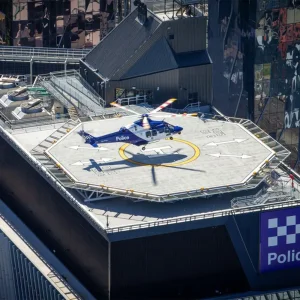
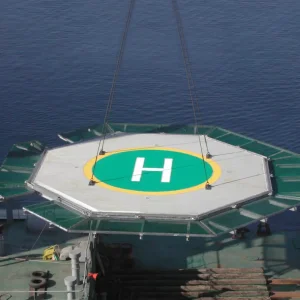
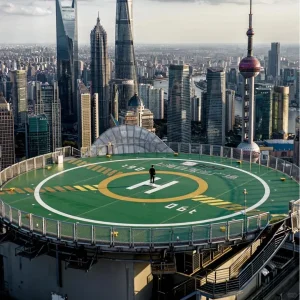
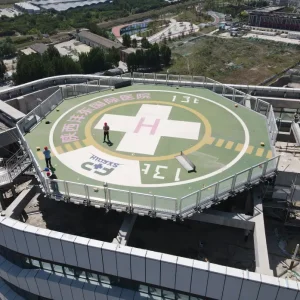
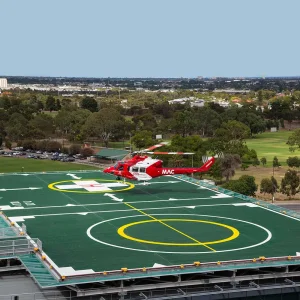
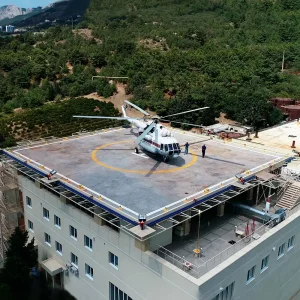
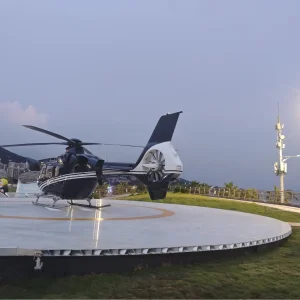
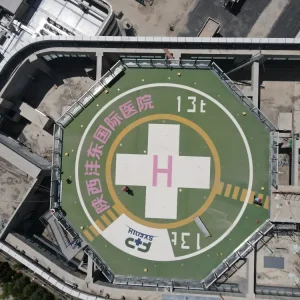
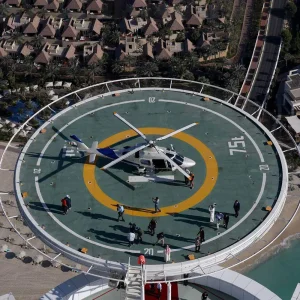
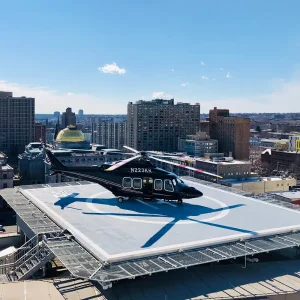
Aluminum profiles are widely used in elevated rooftop helipads, hospital landing pads, and ship decks. Their lightweight nature reduces building load requirements, while their corrosion resistance lowers maintenance needs.

High-Performance Curtain Walls

Our heavy-duty profiles support glass envelopes in modern skyscrapers, offering high wind-load resistance, thermal insulation, and the strength needed to hold heavy glazing units.

Marine & Coastal Infrastructure

Salt spray degrades structural steel quickly. Utilizing marine-grade alloys (such as 5083 and 5754), our profiles resist galvanic degradation, making them suitable for docks, bridges, and sea platforms.

F.A.Q.

Technical FAQ & Purchasing Guidance

Common technical questions from project managers, engineers, and international procurement specialists.

What criteria determine CE compliance under EN 1090-3 for structural aluminum profiles?

CE compliance for structural aluminum (under EN 1090-3, Execution of aluminum structures) mandates that the manufacturing facility holds a Factory Production Control (FPC) certificate. This process audits metallurgical chemistry tracking, welder certifications, NDT inspection reliability, and raw material purity. Every shipment must carry a detailed Declaration of Performance (DoP) and 3.1 Mill Test Certification confirming material performance.

Why is aluminum alloy 6082-T6 preferred for structural helipads instead of 6063-T6?

Alloy 6082-T6 is a high-stress structural alloy. It offers significantly higher tensile strength (minimum 290-310 MPa compared to 6063-T6's 215 MPa) and yield strength (minimum 250-260 MPa compared to 170 MPa). The increased manganese content in 6082 controls grain structures, resulting in higher impact strength, making it ideal for the dynamic loads of helicopter landings.

What are the key elements in your factory's pricing structure for structural aluminum?

Pricing is calculated based on three primary factors: 1) The raw aluminum ingot spot price (aligned with the London Metal Exchange or Nanhai Ingot Index). 2) The processing fee, which depends on profile complexity, weight per meter, and extrusion tonnage (e.g., profiles requiring a 20,000-ton press have higher processing rates). 3) Post-extrusion steps, including CNC drilling, precision cutting, special finishes, packaging, and logistics.

How does the 20,000T extrusion line capacity benefit large-scale construction projects?

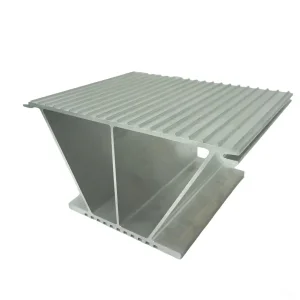
A larger extrusion press allows for the production of wider profile cross-sections (up to 1.2 meters wide) and heavier structural components. This enables designers to use a single large extrusion rather than welding or bolting multiple smaller profiles together, reducing fabrication time, eliminating weak points, and improving overall structural integrity.

What quality standards do your manufacturing facilities meet?

Our quality management systems are certified under GB/T19001-2016 and ISO9001:2015. We also hold certifications for specialized aerospace aluminum, ensuring our production processes meet the high quality standards required by international buyers.

Which surface treatment is recommended for marine or coastal applications?

For marine environments, we recommend a class 2/3 anodized finish (20-25 microns thickness) or a multi-coat PVDF finish. These coatings protect the aluminum from salt air and moisture, preventing pitting and galvanic corrosion over long service lives.

Can you produce custom shapes based on proprietary engineering drawings?

Yes. Our in-house engineering team works directly from customer CAD (DWG, DXF) and 3D files (STEP, IGES). We design and manufacture custom tooling in-house, ensuring correct tolerances, wall thickness control, and material flow during extrusion.