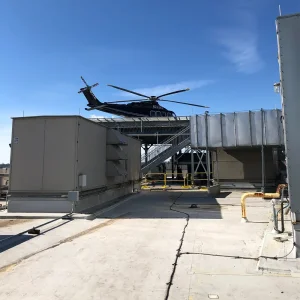
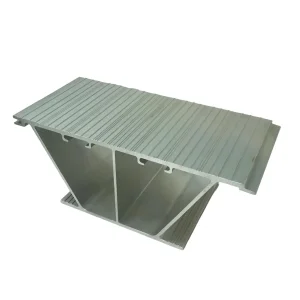
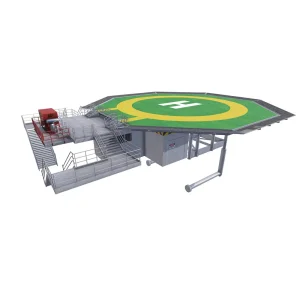
Premium aluminum platforms, perimeter safety nets, and engineering profiles designed for mission-critical installations.
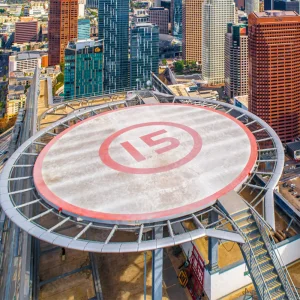
An in-depth analysis of structural integrity, safety netting standardizations, and regulatory updates in maritime and civil aviation.
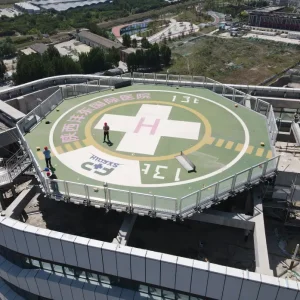
Under ICAO Annex 14, CAP 437, and FAA regulations, safety nets must span the helideck perimeter. Standardized safety boundaries are required to withstand dynamic impacts without compromising helicopter flight corridors.
Elevated structure engineering demands lightweight materials. Heavy steel frameworks are increasingly replaced by marine-grade aluminum alloy profile decks, reducing building structural stress and lowering lifetime maintenance costs.
Whether exposed to offshore saltwater, thermal variations, or industrial pollutants, structural safety nets must maintain flexibility and tensile strength over extended lifespans.
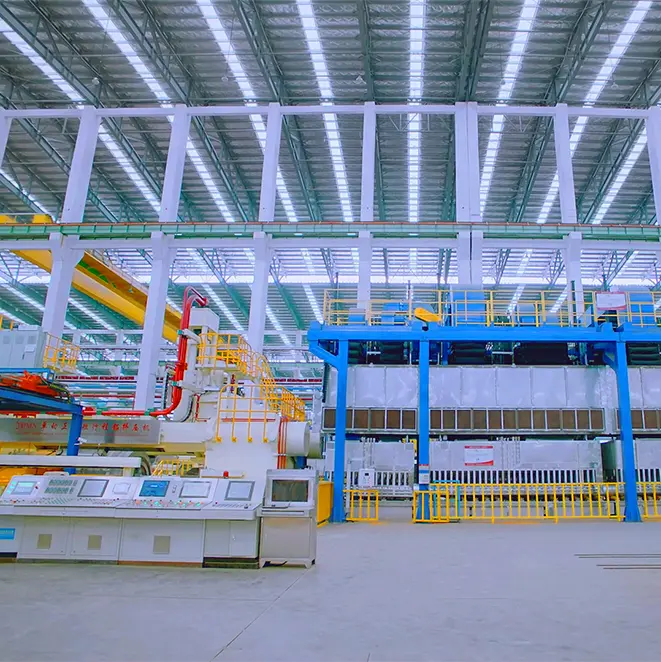
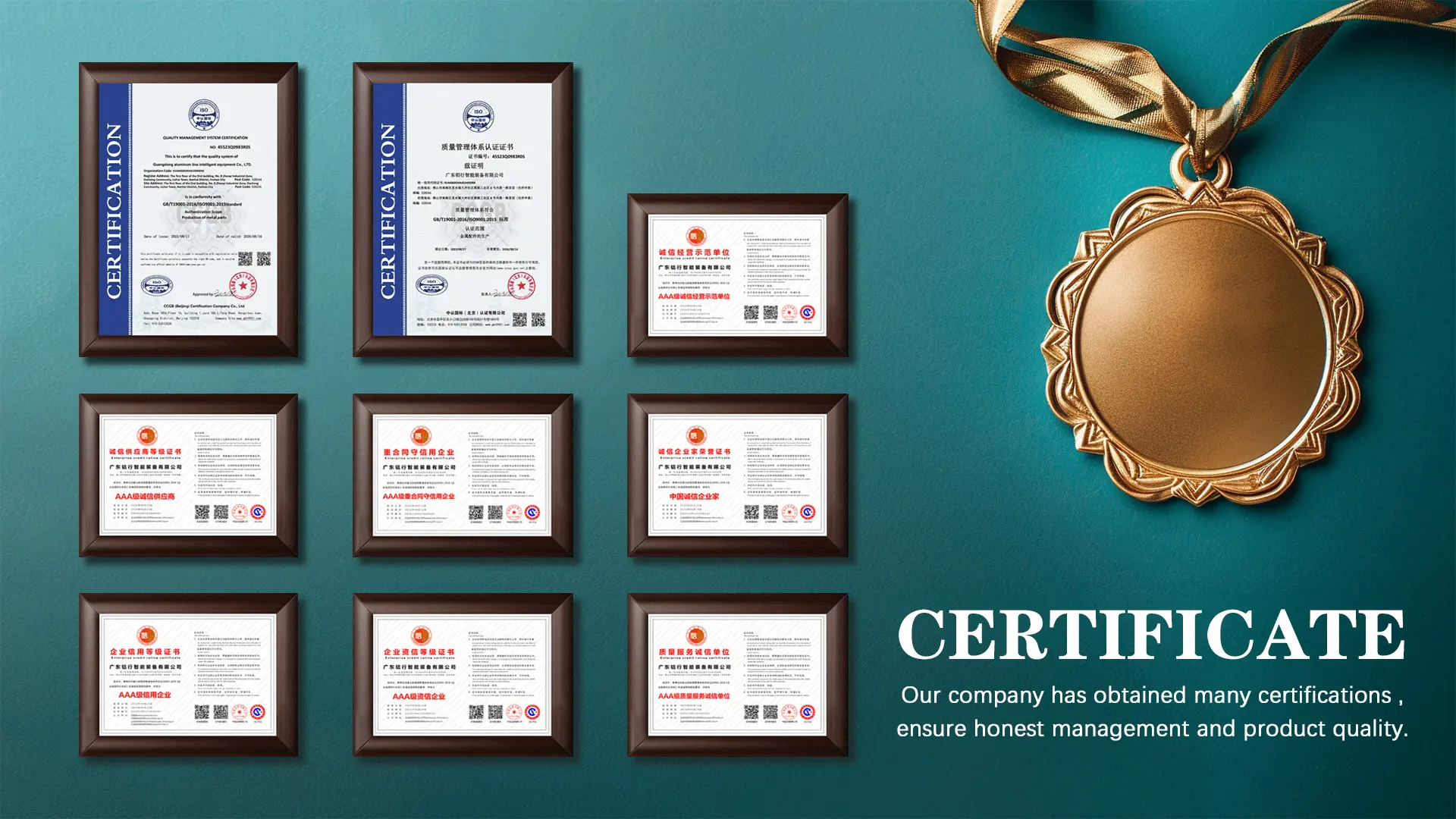
Our commitment to reliable structural performance is backed by certified engineering. LVXING utilizes material extrusion techniques to manufacture structural profiles that meet high-altitude requirements. We have secured the “Special Aluminium Materials for Aerospace” Certificate, ensuring every profile we produce is built for critical operations.
By using optimized aluminum-silicon-magnesium matrices, our profiles offer high yield strength, excellent corrosion resistance, and low structural weight, reducing overall load requirements for rooftop and cantilevered helipads.
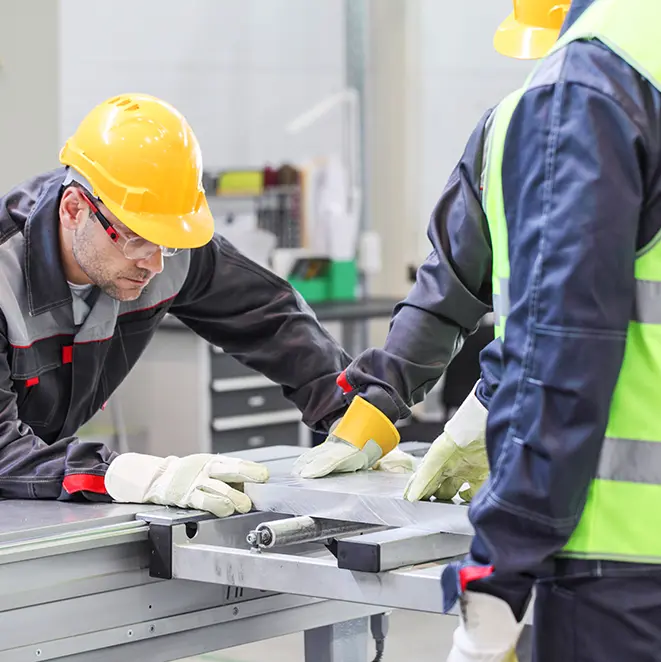
We supply high-quality Fenglu aluminum profiles. Utilizing heavy-duty extrusion lines ranging from 800T to 20,000T, we process a wide selection of alloy systems: 1xxx, 2xxx, 3xxx, 5xxx, 6xxx, and 7xxx series.
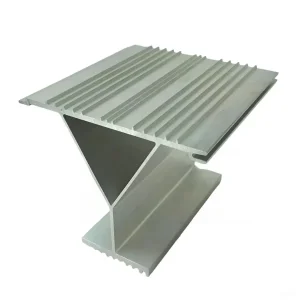
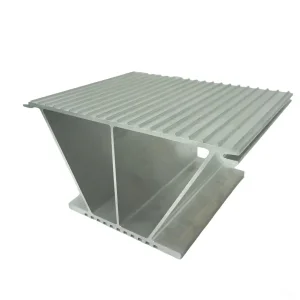
Our facilities produce fully shaped profile configurations with cross-sections up to 1.2 meters in width and seamless lengths up to 28 meters. This capability enables monolithic structural deck designs that minimize joint stress, facilitate quick on-site assembly, and provide robust support for safety netting systems.
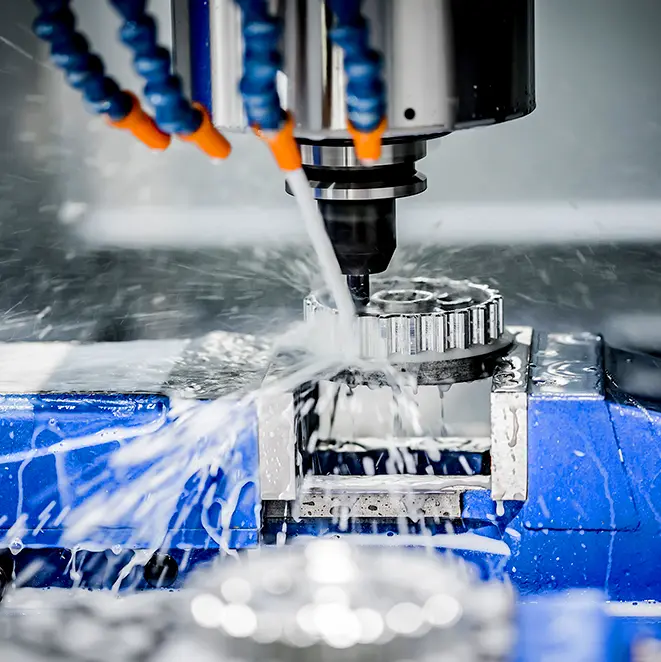
Successful heliport design requires precise engineering. Our technical team brings 15 years of practical industry experience, managing issues related to dynamic loads, wind shear resistance, and thermal expansion on elevated structures.
We work directly with architects, EPC contractors, and aviation consultants to translate project concepts into fully engineered, certified physical installations. This collaborative process ensures structural integrity and compliance with international standards.
Key operational and structural metrics defining our manufacturing scale in China.
How our perimeter netting conforms to European Union standards for mechanical stability and life safety.
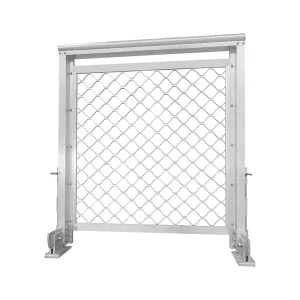
Under CE verification protocols, perimeter safety nets must pass rigid drop tests. The mesh and structural frames are engineered to absorb the dynamic impact of a falling person (complying with standard BS EN 1263-1 requirements) without permanent deformation or structural failure.
Industrial applications expose safety netting to ultraviolet radiation, coastal salt spray, and extreme temperatures. Our systems use premium, corrosion-resistant aluminum alloys and high-grade stainless steel hardware, providing durable protection with minimal upkeep.
We offer both manual swing-away and rigid safety net frame systems. These configurations meet safety codes without interfering with landing operations or emergency response paths.
Based in Foshan City, Guangdong, we utilize advanced manufacturing infrastructure to deliver high-quality, cost-efficient solutions.
Our location in Foshan provides access to premium raw material suppliers, specialized tooling shops, and surface treatment facilities. This industrial density reduces logistics times and optimizes overall production costs.
From initial billet heating to final profile finishing, our operations follow quality management systems in accordance with GB/T19001-2016 / ISO9001:2015. Each structural component undergoes ultrasonic testing, dimensional verification, and yield strength validation.
Elevated heliport structures and perimeter netting require careful handling. We design custom packaging systems to protect components from maritime corrosion and transport damage, ensuring secure delivery to your project site.
Custom structural engineering for demanding civil, medical, and marine environments.
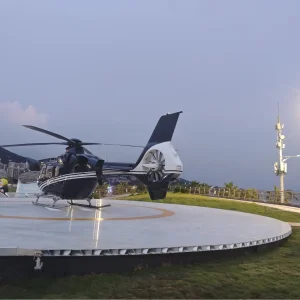
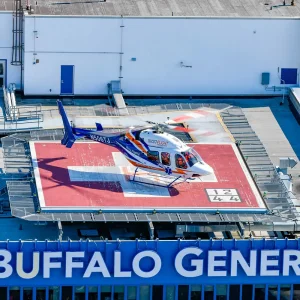
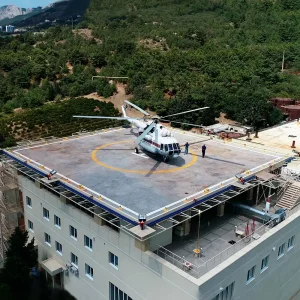
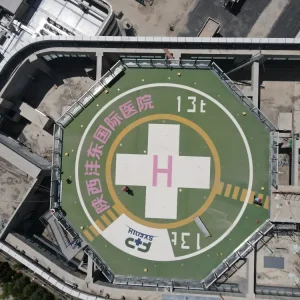
Healthcare facilities rely on rapid helicopter access. Our lightweight rooftop helipads and perimeter safety netting install quickly over existing structural frames, meeting clinical safety and load-bearing requirements.
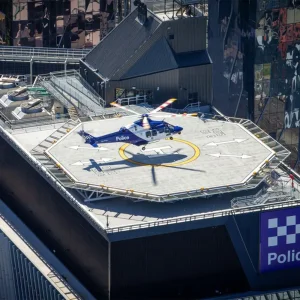
Metropolitan police stations require durable rooftop landing areas. Our custom profile decks and safety nets withstand high wind shears, ensuring reliable operation for municipal air support teams.
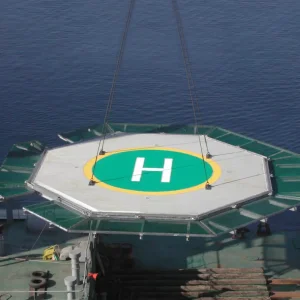
Offshore environments present severe corrosion challenges. Utilizing high-durability marine aluminum and stainless steel components, our systems resist offshore saltwater exposure while maintaining structural safety.
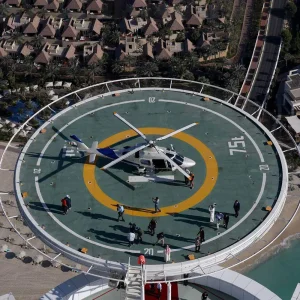
Modern luxury hotels integrate heliports to accommodate VIP transportation. We supply visually clean, low-profile safety nets and decks that fit into building architectures while meeting safety standards.
Structural blueprint representing the interface of aluminum profiles and perimeter safety netting.
Essential factors to specify when requesting quotes for elevated structures and safety nets.
Specify the design aircraft weight (e.g., maximum takeoff weight or MTOW), helipad shape (square, circular, or octagonal), overall dimensions, and structural support layout to ensure accurate loading calculations.
Provide the design wind speeds, potential seismic activity levels, dynamic snow loading criteria, and any salt spray exposure requirements. These inputs determine the appropriate aluminum alloys and hardware selection.
State your required quality standards (e.g., CE, CAP 437, ICAO Annex 14, FAA, or specific classification society approvals like DNV, ABS, or Lloyd's Register) to align structural documentation with local codes.
Expert insights on engineering requirements, design specifications, and compliance standards.
CE-certified safety nets must pass dynamic drop tests that simulate a falling person. This typically requires resisting an impact of 2.3 kJ, equivalent to dropping a 100 kg mass from a height of 2.3 meters. The perimeter net and its framing must absorb this kinetic energy without tearing or collapsing.
Marine-grade aluminum alloys, such as the 6000-series (6061-T6, 6082-T6), offer a high strength-to-weight ratio. They weigh up to 60% less than structural steel, reducing dead loads on building foundations and support columns. Additionally, aluminum forms a protective oxide layer that resists atmospheric corrosion, lowering maintenance costs.
Our designs follow international standards, including ICAO Annex 14 and UK CAA CAP 437. We verify material certifications, extrusion tolerances, and structural weldments using both non-destructive testing (NDT) and physical quality checks.
Yes. Utilizing our industrial extrusion lines, we can produce continuous, fully shaped profiles up to 1.2 meters in width and 28 meters in length. This reduces the number of structural splices and fasteners required, simplifying on-site assembly and increasing overall deck stiffness.
Lead times vary depending on design complexity and required certifications. Standard safety net systems are typically manufactured within 4 to 6 weeks. Customized decks and heavy structural extrusions may take 8 to 12 weeks, including structural modeling and raw material allocation.
Examine our full catalog of aluminum profiles, custom decks, and safety net hardware.
 LvXing