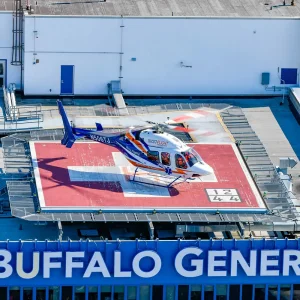
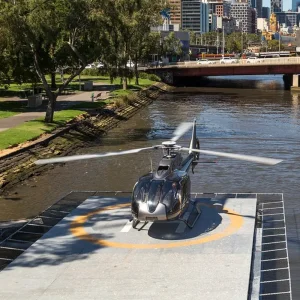
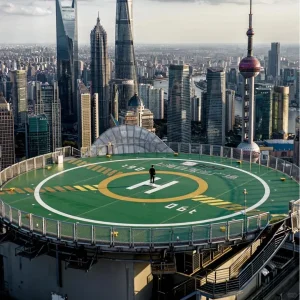
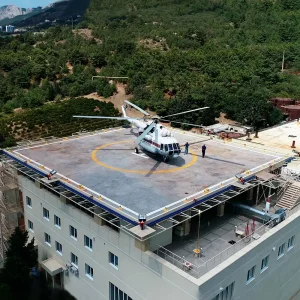
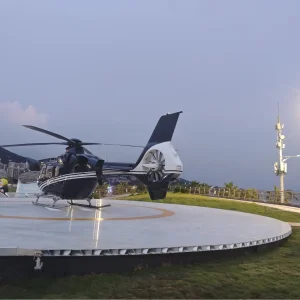
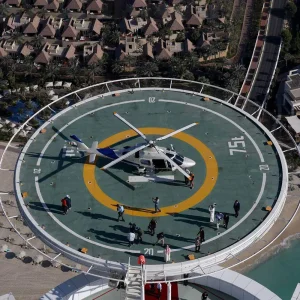
Helideck safety nets, otherwise known as helicopter landing pad perimeter nets, represent a critical safety mechanism designed to prevent personnel, equipment, and litter from falling over the edges of helidecks on marine vessels, offshore drilling platforms, and urban high-rise rooftops. When evaluating these systems, compliance with global aviation authorities such as the International Civil Aviation Organization (ICAO) Annex 14 and UK CAA CAP 437 is mandatory.
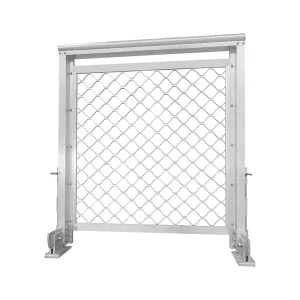
Our CE certified helicopter landing pad nets are engineered using advanced marine-grade materials that exhibit excellent structural integrity under extreme dynamic loads. The mesh structure is specifically built to absorb kinetic energy. In the event of a heavy impact, the safety net deforms elastically, decelerating falling loads safely without producing a trampoline effect, which could throw personnel or equipment back onto the deck or into hazardous zones.
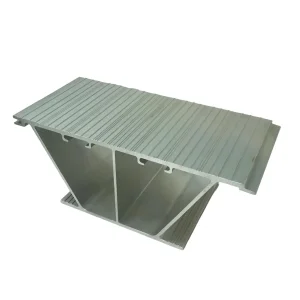
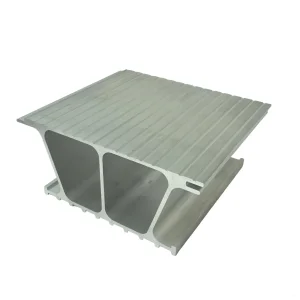
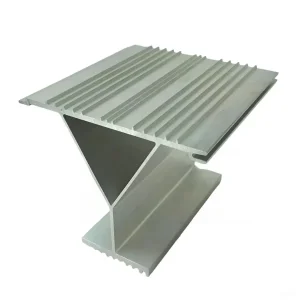
Integrating advanced high-strength aluminum profiles with corrosion-resistant metal or synthetic webbing, modern landing pad mesh systems must withstand prolonged exposure to salt spray, extreme UV radiation, and high wind shear without significant tensile loss. Choosing the correct supplier for these critical components involves evaluating engineering precision, raw material traceability, and certification compliance.
Established in 2015 and located in Foshan City, Guangdong, LvXing Intelligent Equipment Co., Ltd. boasts a skilled R&D team with extensive experience. We leverage exceptional technical expertise to effectively transform customers' ideas into reality, consistently meeting their precise requirements.
We utilize premium Fenglu aluminum, offering a diverse range of profiles for flexible applications. Our extrusion lines, ranging from 800T to 20,000T, accommodate alloys 1xxx, 2xxx, 3xxx, 5xxx, 6xxx, and 7xxx, allowing us to produce shaped products with section dimensions up to 1.2 meters in width and 28 meters in length. These products are recognized for their precision and meticulous processing, finding broad application in aerospace, military, medical, and industrial sectors.
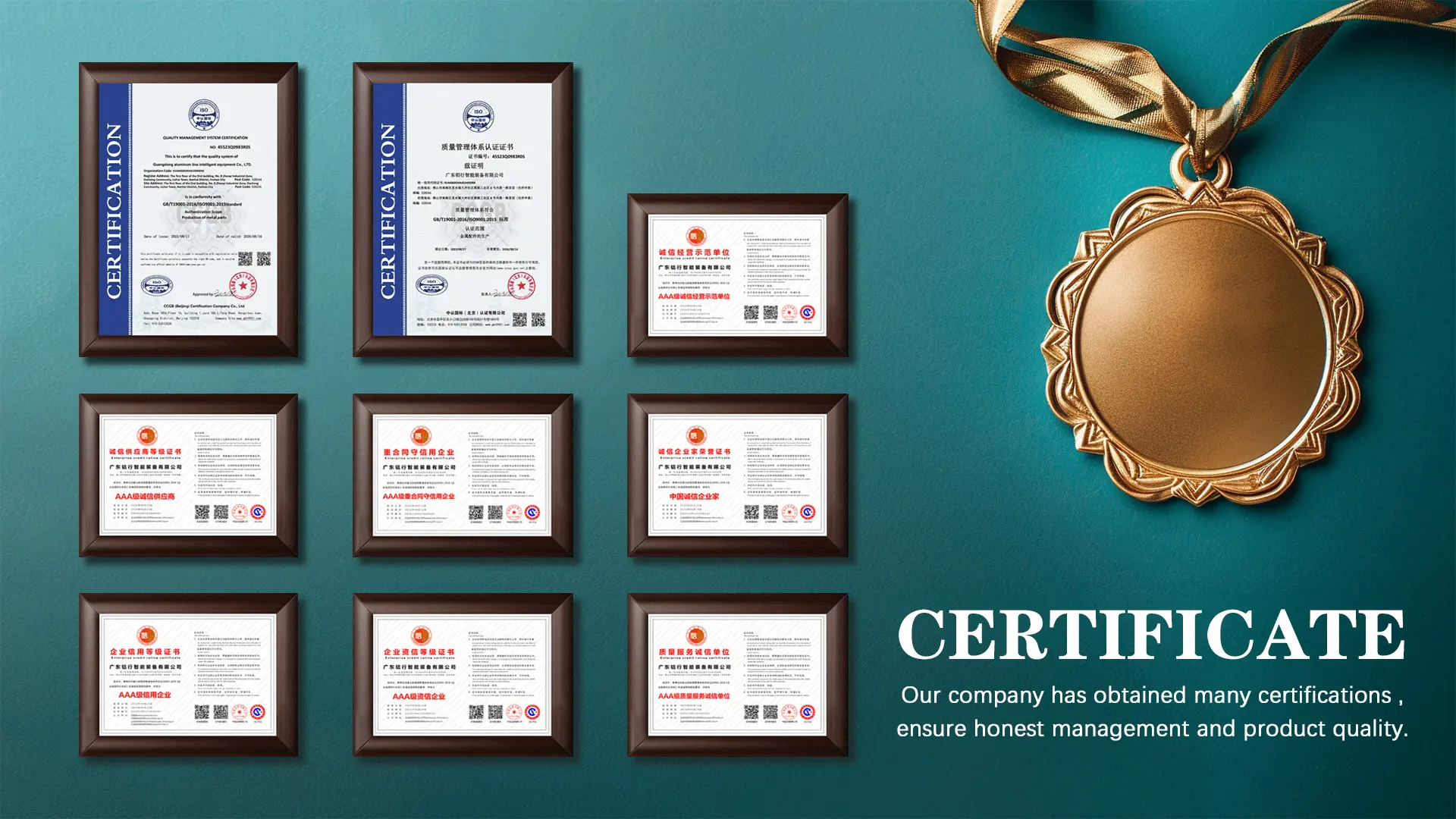
Our commitment to excellence is evident throughout the manufacturing process, rigorous quality control, thorough packaging, and efficient shipping procedures. This dedication has earned us recognition as a national excellent and honest enterprise, along with quality system certification in accordance with GB/T19001-2016/ISO9001:2015 standards.
Foshan's leading high-precision aluminum extrusion and helipad engineering factory delivering premium global safety solutions.
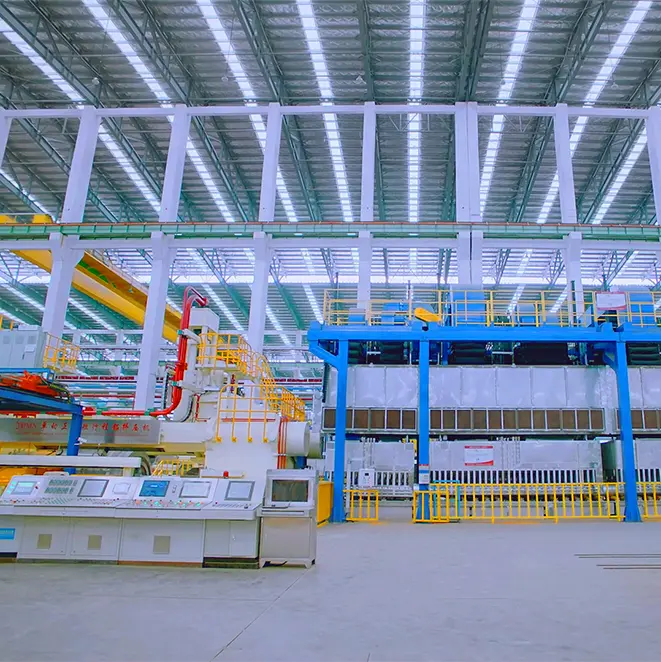

We have obtained the "Special Aluminium Materials for Aerospace" Certificate.

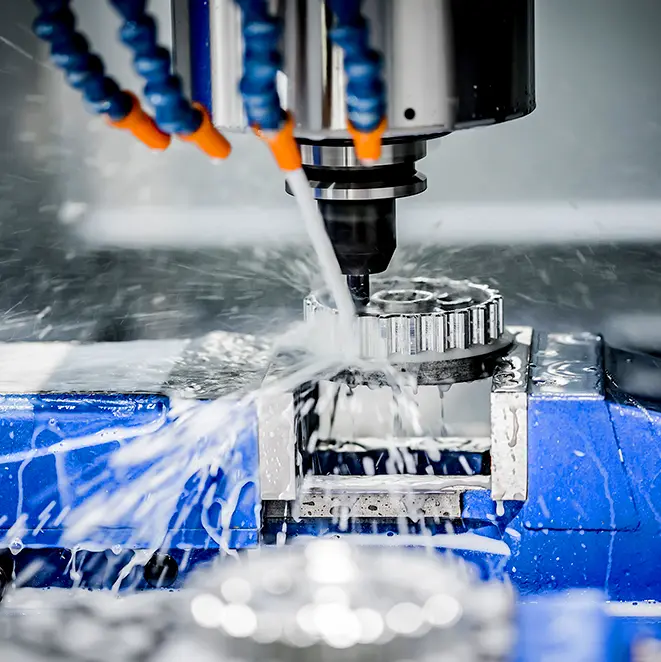
We provide and utilize high-quality Fenglu aluminum profiles. With extrusion lines ranging from 800T to 20,000T, we can produce alloys 1xxx, 2xxx, 3xxx, 5xxx, 6xxx, and 7xxx. We can manufacture fully shaped products with section dimensions up to 1.2 meters in width or 28 meters in length.

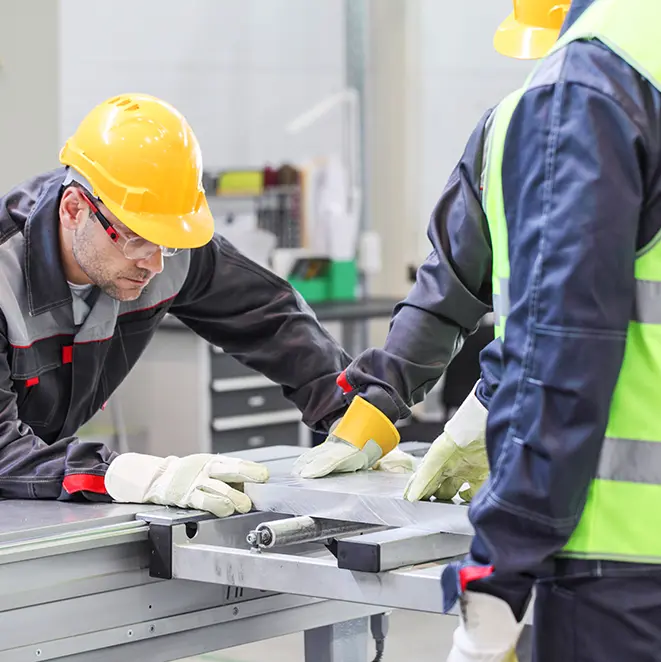
We have a team of technicians with 15 years of invaluable experience. Our deep understanding of customer requirements allows us to identify potential issues and offer practical insights, turning customer ideas into tangible products that meet specific needs.
China's manufacturing ecosystem, specifically centered in Foshan City, Guangdong, offers unprecedented structural advantages for the design, extrusion, and assembly of complex aluminum helideck landing pad nets. As the world's most concentrated cluster for aluminum extrusion and surface processing technology, Foshan provides immediate access to premium raw materials (such as Fenglu Primary Aluminum Ingots) and metallurgical processing lines.
Our strategic partnership with Fenglu Aluminum enables us to select precise alloy compositions. For safety nets and supporting structures, we primarily process 6000-series structural aluminum alloys (specifically 6061-T6 and 6082-T6). These alloys possess excellent strength-to-weight ratios, outstanding weldability, and superior resistance to marine atmospheres, critical for helideck applications.
Acquiring CE certification for helicopter landing pad perimeter safety nets involves compliance with strict European regulatory frameworks governing structural safety, falling protection, and manufacturing consistency. The CE marking demonstrates that our safety nets meet the rigorous requirements of relevant European standards, including EN 1263-1 and EN 1263-2 for safety nets, as well as specific offshore aviation requirements.
The assessment procedure requires rigorous load-bearing tests. To meet ICAO Annex 14 and UK CAA CAP 437 guidelines, the perimeter safety net must be designed to withstand an impact test of 2.3 kJ (kilo-Joules). This is equivalent to a 100 kg weight falling from a height of 2.4 meters onto any section of the net. The net must retain the body without tearing, cracking, or causing critical failure of the frame or anchoring components.
Helicopter landing pad nets are not "one size fits all" components. Depending on the environment, the structural design, profile choice, and mesh selection vary significantly:
1. Offshore Oil & Gas Platforms: Subject to high salinity, heavy winds, and constant structural vibrations. The perimeter nets require high-strength aluminum alloy frames combined with SS316 marine-grade wire rope mesh, ensuring that salt spray does not cause galvanic corrosion.
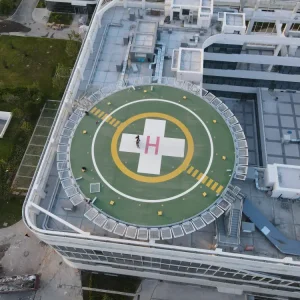
2. Urban Rooftops & Hospitals: Hospital emergency landing pads and commercial skyscraper helipads require non-combustible material integration, light weight (to reduce roof dead-loads), and a minimal visual profile. Aluminum extrusion frames offer the ideal solution here, merging aesthetic integration with high safety properties.
3. Marine Vessels & Megayachts: For luxury yachts and military patrol vessels, the perimeter safety net must often be foldable or removable. LvXing designs custom hinge systems and manual folding aluminum mechanisms that lock securely when deployed and fold flush against the hull when yacht operations require it.
Large engineering firms, EPC contractors, and airport developers face challenging technical compliance demands. Global purchasers require clear traceability of materials, verified tensile test reports, and third-party inspection certifications (such as DNV, ABS, or Lloyd's Register).
Through LvXing's advanced QC department, all aluminum billets are traceable to original smelters, accompanied by chemical composition reports. Every batch of helipad extrusion profiles is tested for hardness (Vickers and Webster), dimensional tolerances (in accordance with EN 755-9 standards), and structural integrity. By ensuring that our products conform to CE norms, we significantly reduce project risk, fast-track engineering approvals, and ensure swift custom clearance for global deliveries.
Our flexible manufacturing lines allow us to supply both standard profiles (such as our custom LX-HP01, LX-HP02, and LX-HP03 series) and bespoke extrusion designs to meet any architectural or naval layout.
| System Element | Alu Frame + SS316 Mesh (LvXing Premium) | Traditional Galvanized Steel Frame & Net | Synthetic Webbing Systems |
|---|---|---|---|
| Corrosion Resistance | Excellent (Marine Anodized + SS316) | Poor (Prone to rust in 12-24 months) | Moderate (Suffer from UV degradation) |
| Structural Weight | Ultra-Lightweight (approx. 40% of steel) | Heavy (Requires heavy load support beams) | Lightweight |
| Dynamic Load Capability | Conforms to >2.3kJ CAP 437 standard | Varies (Degrades rapidly with rust) | Fails early due to UV aging unless replaced |
| Service Life | 15 - 25 Years (Minimal maintenance) | 3 - 5 Years (Demands regular repainting) | 2 - 3 Years (Requires frequent replacement) |
| CE & ICAO Compliant | Fully Certified (LvXing designs) | Difficult to certify universally | Certified only with short replacement intervals |
 LvXing