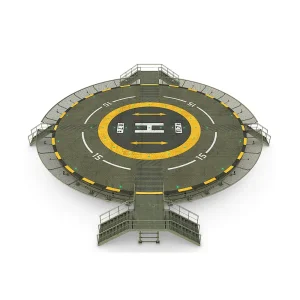
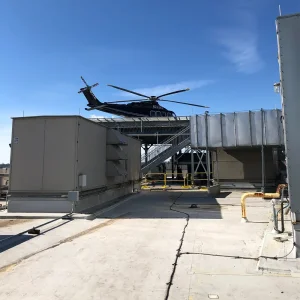
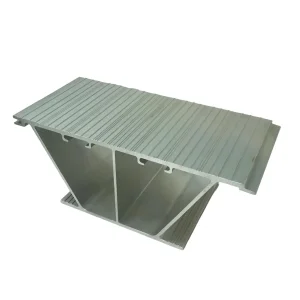
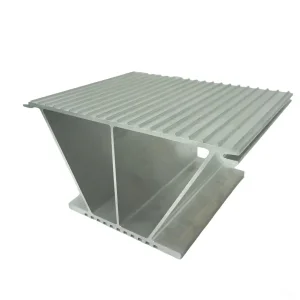
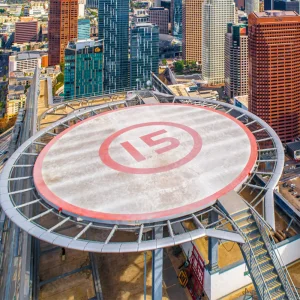
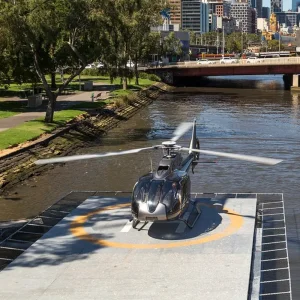
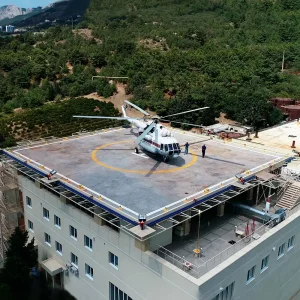
Explore our premium range of CE-certified aluminum profiles, landing platforms, and custom-engineered safety nets.
LVXING: SPECIALIZING IN AVIONIC ALUMINUM SOLUTIONS
Established in 2015 and located in the industrial heart of Foshan City, Guangdong, LvXing Intelligent Equipment Co., Ltd. boasts a highly skilled R&D team with extensive industry experience. We leverage our deep technical expertise to transform custom client concepts into certified realities, consistently matching the precise specifications of global architectural and aviation codes.
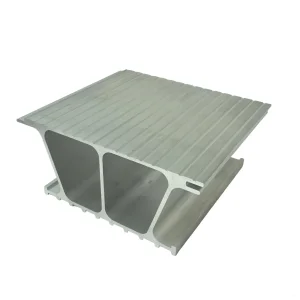
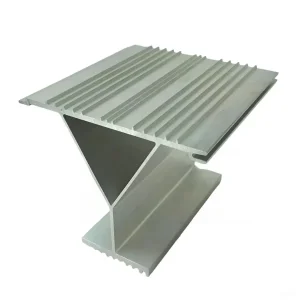
We strictly utilize premium Fenglu Aluminum raw materials, offering a comprehensive and flexible range of structural profiles. Our extrusion capability ranges from 800T to 20,000T, allowing us to process high-strength alloys across the 1xxx, 2xxx, 3xxx, 5xxx, 6xxx, and 7xxx series. We easily manufacture complex, fully shaped products with cross-sectional dimensions up to 1.2 meters in width and 28 meters in length.
Our commitment to engineering excellence is implemented throughout every phase of manufacturing, rigid quality assurance protocols, secure ocean-worthy packaging, and reliable shipping logistics. These measures have secured our reputation as an excellent, trustworthy national enterprise, fully certified under the GB/T19001-2016/ISO9001:2015 quality management standard.
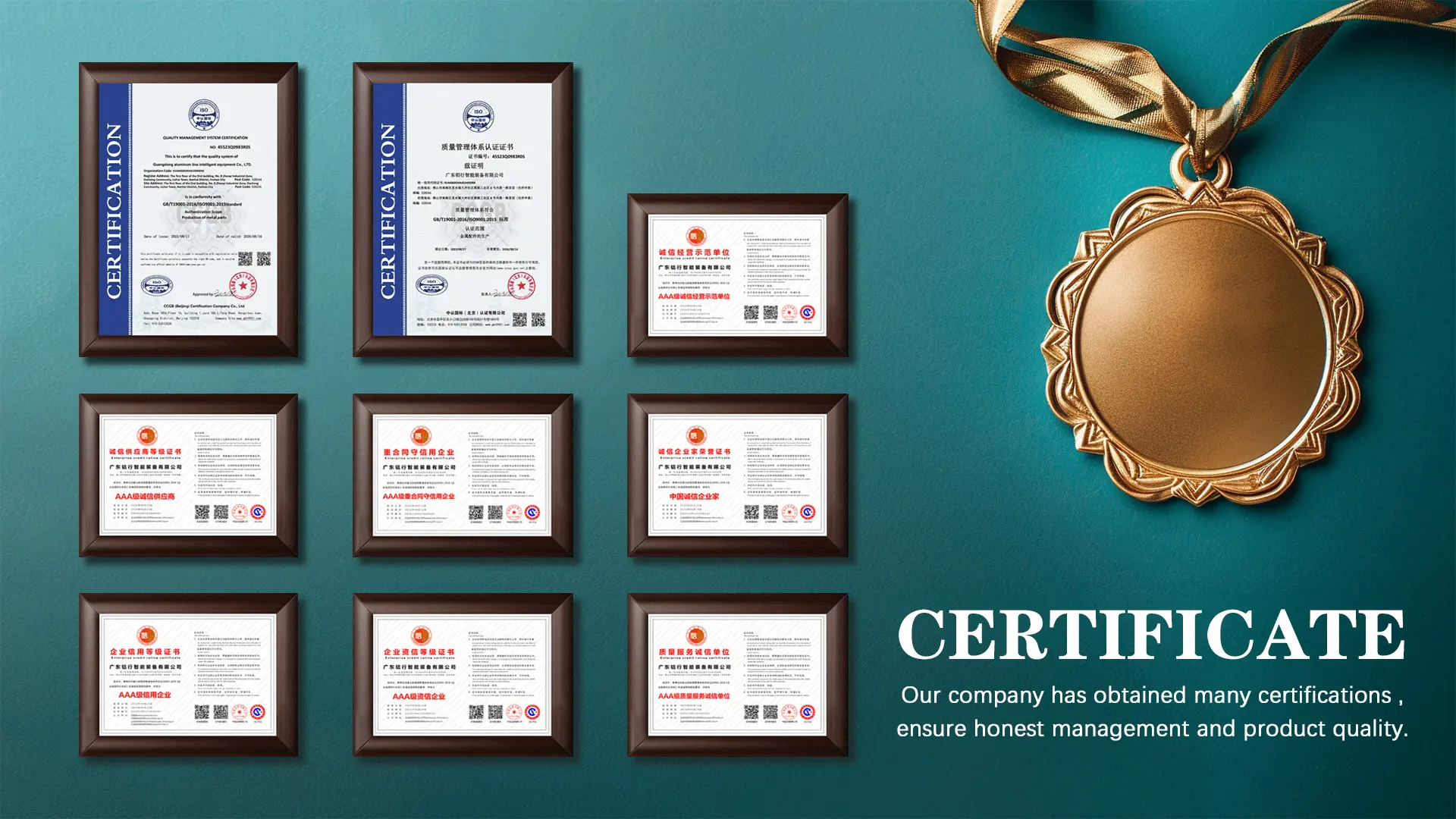
Why Tier-1 aviation contractors and offshore developers trust LvXing for helipad construction and perimeter safety nets.
We have proudly obtained the "Special Aluminium Materials for Aerospace" Certificate. This ensures that every extrusion and safety net component conforms to the density, tensile strength, and fatigue resistance standards required by extreme aeronautical operations.
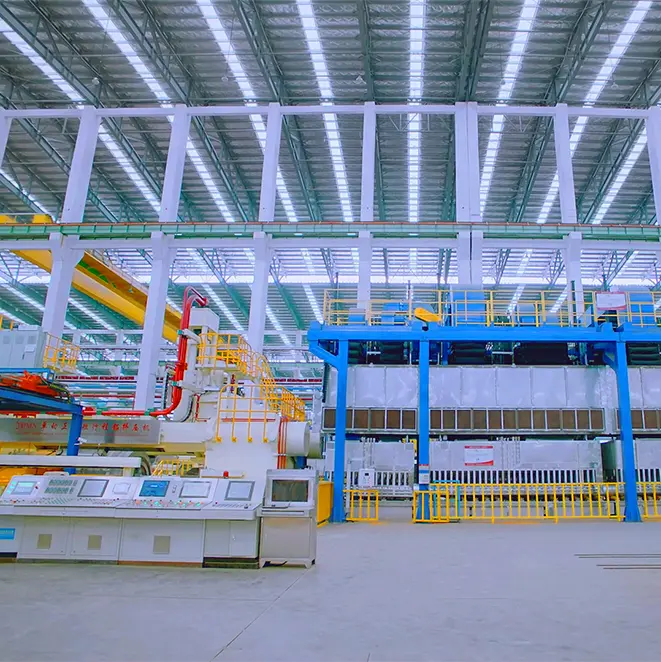
Utilizing high-end Fenglu aluminum, our extrusion systems process multiple alloy groups (1xxx to 7xxx). We manufacture shaped elements up to 1.2m wide or 28m long, allowing for modular deck designs with fewer joins and superior structural integrity.
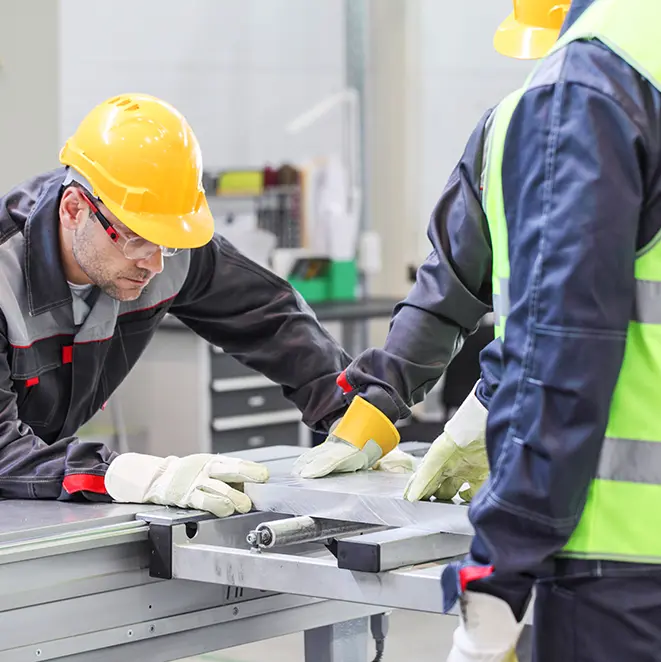
Our dedicated technical team has over 15 years of industry-specific engineering experience. We collaborate closely with procurement managers, resolving architectural challenges and verifying drawings before manufacturing begins.
A technical guide on safety net designs under CAP 437, ICAO Annex 14, and European safety directives.
Helipad safety nets, also known as perimeter safety mesh systems, serve a vital function: preventing personnel, ground crews, or loose equipment from falling off elevated landing decks. In civil aviation, military logistics, and offshore marine operations, these nets are not optional accessories; they are strict safety systems mandated by global authorities.
Our safety nets are constructed from corrosion-resistant, high-tensile materials—primarily utilizing marine-grade 316 stainless steel wire mesh or structural 6000-series aluminum frames. With CE certification, our products undergo extensive load testing to ensure they can withstand a dynamic impact of at least 122 kg dropped from a height of 1 meter without structural failure, conforming to the EN standards for fall protection.
Under CE guidelines, the design of customized helipad safety nets must meet rigorous mechanical parameters:
By implementing finite element analysis (FEA) during the design phase, Lvxing engineers calculate the exact load-bearing behavior of each custom net shape, ensuring maximum reliability under critical emergency situations.
How the integration of direct raw materials, advanced extrusions, and localized expertise delivers superior value.
Located in Foshan, the global hub for aluminum extrusion, Lvxing maintains direct partnerships with premium primary aluminum suppliers like Fenglu. This integration eliminates intermediate trade markups, ensuring we procure high-grade alloys (6082-T6, 6061-T6) at the best baseline costs.
With access to heavy extrusion lines (up to 20,000 Tons), we manufacture large-span structural profiles that Western facilities struggle to produce in single pieces. Fewer joints translate to reduced structural weak points, faster field assembly, and lower freight weights.
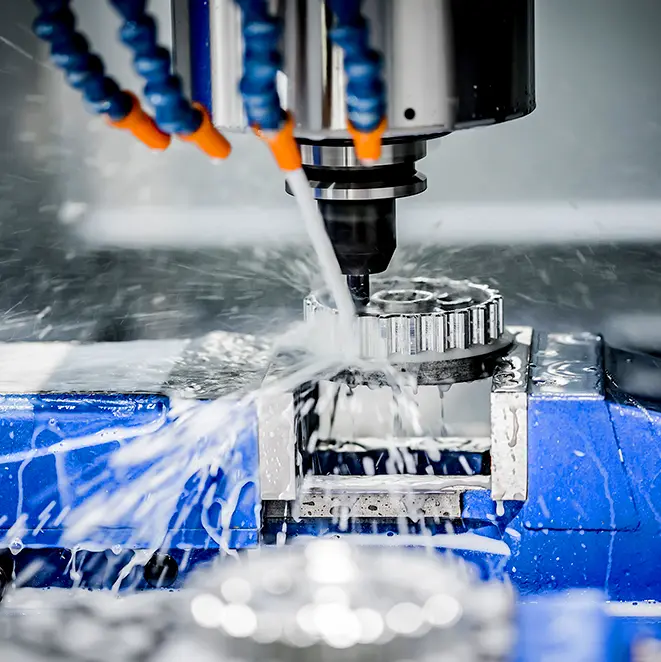
Our in-house toolmaking and CNC processing allow Lvxing to design, manufacture, and test customized safety net frame samples in under three weeks. This rapid prototyping ensures that civil contractors can finalize architectural drawings and meet tight construction deadlines.
Discover how Lvxing designs safety net systems for diverse architectural, maritime, and emergency infrastructures.
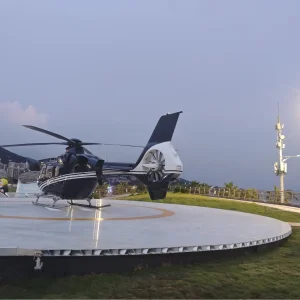
Marine environments represent the ultimate challenge for safety net systems. Saltwater spray, high winds, and constant hull motion cause rapid degradation of low-grade metals. Lvxing designs dedicated ship deck helipad solutions using premium 316 marine-grade stainless steel wire mesh paired with anodized aluminum frames. Our nets are verified through 1,000-hour salt-spray tests to confirm their rust-proof capabilities.
Commercial rooftops require safety nets that merge structural integrity with aesthetic appeal. For hotels and corporate towers, a bulky or industrial-looking net can detract from the building's architectural profile. Lvxing's customized aluminum profiles provide a sleek, low-profile frame. The safety net mesh is tensioned to stay flat and inconspicuous while providing a reliable safety barrier for flight crews and VIP passengers.
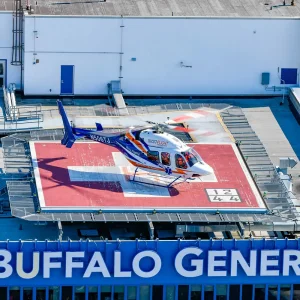
In medical emergency flight networks, seconds count. Safety nets on hospital rooftop landing zones must support heavy, rapid foot traffic. They must also remain free of ice and snow buildup in cold climates to prevent slipping hazards. Our custom hospital emergency helipad nets feature optimized mesh sizes that allow snow to fall through while preventing safety hazards for medical personnel and gurney wheels.
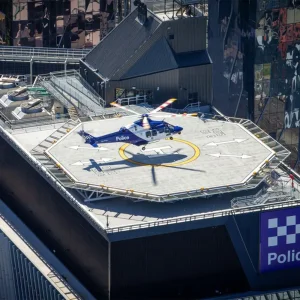
Police rooftop helipads are high-frequency operation hubs that require heavy-duty durability. Landing pads situated on public safety buildings must withstand variable flight paths and regular training drills. Lvxing supplies complete packages including customized deck profiles and perimeter safety mesh, engineered to absorb high winds and rotor wash without vibrating or generating structural noise.
Insights into Advanced Air Mobility (AAM), eVTOL ports, smart materials, and environmental sustainability.
The rise of Urban Air Mobility (UAM) utilizing electric vertical takeoff and landing (eVTOL) aircraft is transforming urban rooftops. These vehicles require unique vertiport landing pad designs. Lvxing is at the forefront of this trend, developing high-induction, lightweight aluminum deck systems and integrated perimeter safety nets tailored to vertical flight infrastructure in metropolitan zones.
Modern architectural projects are demanding safety nets that do more than catch falling personnel. The latest industry designs feature integrated LED safety lights woven directly into the steel mesh border. This provides pilots with enhanced visual height references during nighttime or adverse weather landings while reducing deck clutter.
Under international green building standards (such as LEED certification), building developers must choose sustainable materials. Aluminum alloys represent the ideal choice. Unlike composite materials, our 6000-series helipad profiles and frames are completely recyclable at the end of their operational lifecycle, reducing environmental impact.
Understanding the cost variables, material choices, and RFQ structuring for global supply chains.
Because every helipad installation features unique dimensions, structural load configurations, and local building codes, safety net pricing is customized for each project. A standardized price per square meter does not account for the engineering, certification, and raw material grading required for aviation compliance.
At Lvxing, we provide a transparent, line-item pricelist based on several primary cost drivers:
| Component / Specification | Standard Option | Premium Marine Option | Impact on Pricelist |
|---|---|---|---|
| Frame Profile | 6061-T6 Aluminum | 6082-T6 Aluminum | Base structure cost (Moderate) |
| Safety Mesh | 304 Stainless Steel | 316 Stainless Steel Mesh | Mesh durability cost (High) |
| Tensioning Hardware | Hot-Dip Galvanized | SUS316 Marine Hardware | Long-term wear resistance (Low) |
| Surface Treatment | Mill Finish / Powder Coated | Anodized >15μm | Corrosion resistance cost (Moderate) |
| Compliance Certification | Standard Factory QA | Full CE & CAP 437 Dynamic Test | Engineering & compliance cost (Fixed) |
Get answers to technical, logistical, and compliance questions about Lvxing's customized helipad safety nets.
Yes. Our customized helipad safety net systems are engineered to meet or exceed ICAO Annex 14 Vol. II, FAA Advisory Circular AC 150/5390-2C, and UK CAA CAP 437 standards. We provide supporting engineering data and load testing certificates with every delivery.
We construct our frames using premium aluminum alloys, including 6082-T6 or 6061-T6 sourced from Fenglu. The mesh is made from marine-grade 316 stainless steel wire mesh or high-tensile coated mesh, ensuring optimal strength and corrosion resistance.
Thanks to the corrosion-resistant properties of anodized 6000-series aluminum and marine-grade stainless steel, our safety net systems have a design life exceeding 20 years with minimal maintenance, even in harsh coastal and offshore marine environments.
Yes. Since every building, vessel, and offshore platform has unique geometry, all of our safety net frames are custom manufactured. Our team of technicians, drawing on over 15 years of experience, collaborates directly with you to match your project specifications.
Under CE criteria, the system must undergo a drop test where a 100 kg weight (representing a person) is dropped onto the mesh from a specified height. The net must absorb this dynamic impact, containing the load safely without tearing or structural failure of the frames.
Typically, toolmaking and structural frame extrusion take 3 to 4 weeks. Assembly, anodizing, and packaging require another 1 to 2 weeks. Total lead times generally range between 30 and 45 days, depending on the complexity and scale of the project.
Absolutely. Our engineers design customized mounting brackets and anchor interfaces that allow our lightweight aluminum safety nets to bolt directly onto existing concrete slabs, steel structures, or composite marine decks.
We use heavy-duty steel crates and protective foam wrapping for international shipping. Each frame section is clearly labeled to streamline assembly at your construction site or shipyard.
Complete your landing deck construction with our specialized range of customized aluminum profiles and systems.
 LvXing