Engineered to exact civil aviation regulations and structural safety standards globally.
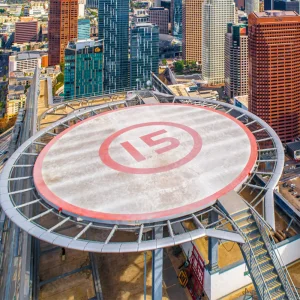
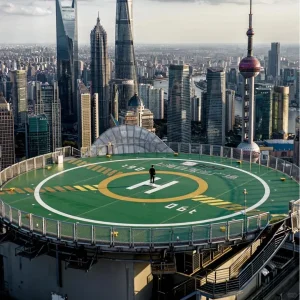
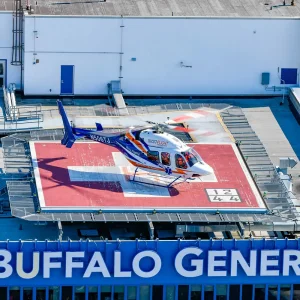
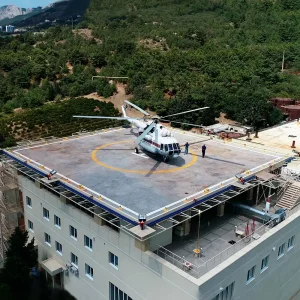
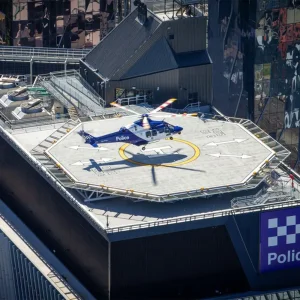
Helicopter Landing Pads (Helidecks) and their surrounding safety systems are critical safety barriers in offshore energy production, maritime search and rescue, healthcare facilities, and modern high-rise logistics. As commercial aviation moves toward heavier and more advanced rotorcrafts, such as the Sikorsky S-92, AgustaWestland AW101, and NextGen Urban Air Mobility (UAM) platforms, the engineering of helidecks requires unmatched safety and structural reliability. In this context, utilizing high-grade aluminum materials and certified safety perimeter nets is essential for structural longevity and risk reduction.
Global procurement teams in offshore drilling, EPC construction, and emergency healthcare projects operate under strict safety guidelines. The main compliance frameworks for manufacturing and exporting helicopter landing pad safety systems include:
When sourcing these products, buyers look for manufacturers capable of producing custom solutions, utilizing premium raw materials, and delivering certified products that stand up to harsh maritime or high-altitude conditions.
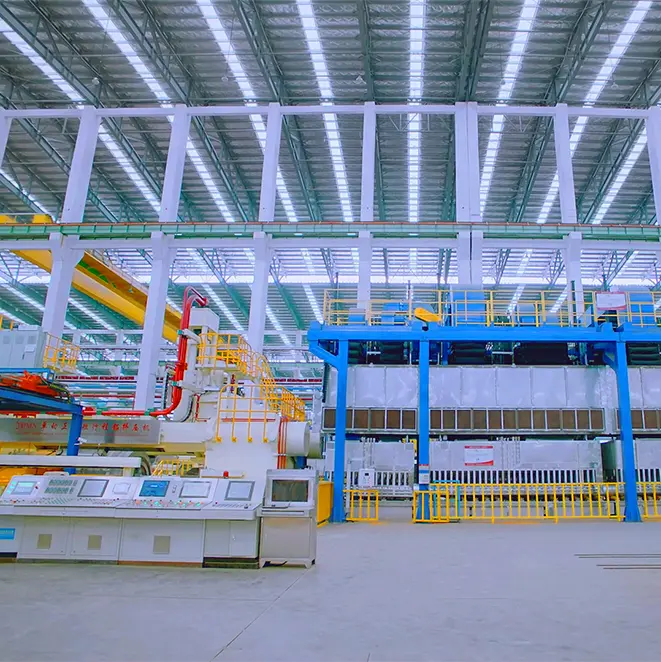
Established in 2015 and located in Foshan City, Guangdong, LvXing Intelligent Equipment Co., Ltd. features a skilled R&D team with extensive experience in the industry. We use our technical expertise to transform customers' ideas into practical solutions, consistently meeting their design and safety requirements.
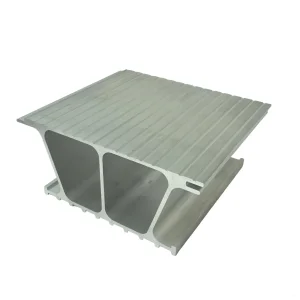
We build our products using premium Fenglu aluminum, offering a diverse range of high-performance profiles for demanding applications. Our extrusion lines range from 800T to 20,000T, allowing us to process alloys in the 1xxx, 2xxx, 3xxx, 5xxx, 6xxx, and 7xxx series. We produce shaped profiles with cross-sectional widths up to 1.2 meters and lengths up to 28 meters. These profiles are recognized for their dimensional precision, finding application in the aerospace, military, medical, and industrial sectors.
Our commitment to quality is evident throughout the manufacturing process, from raw material inspection and extrusion to fabrication, testing, packaging, and shipping. This focus on reliability has earned us recognition as a trusted national enterprise, backed by quality system certification in accordance with GB/T19001-2016 / ISO9001:2015 standards.
Why global EPC contractors and developers choose Lvxing for their landing pad systems.

We have obtained the "Special Aluminium Materials for Aerospace" Certificate, confirming our ability to supply materials for demanding, high-load aviation applications.
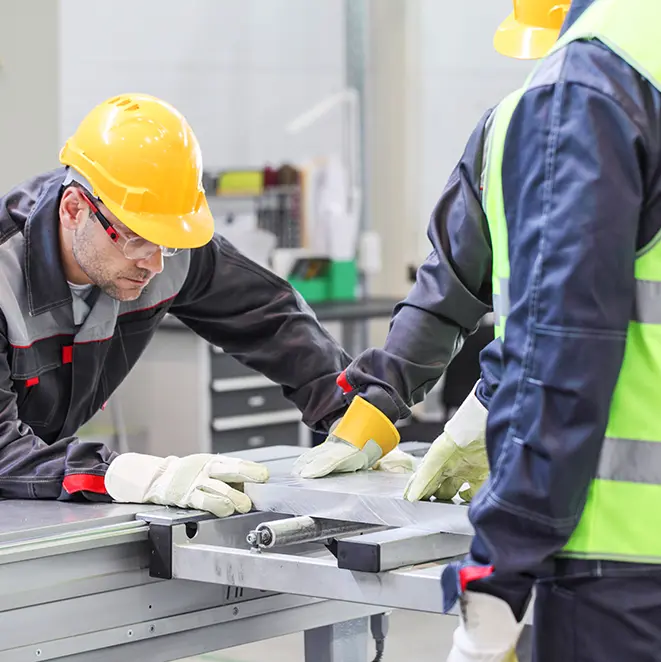

We utilize high-quality Fenglu aluminum profiles. With extrusion lines ranging from 800T to 20,000T, we process alloys in the 1xxx, 2xxx, 3xxx, 5xxx, 6xxx, and 7xxx series to manufacture shaped products up to 1.2 meters in width or 28 meters in length.
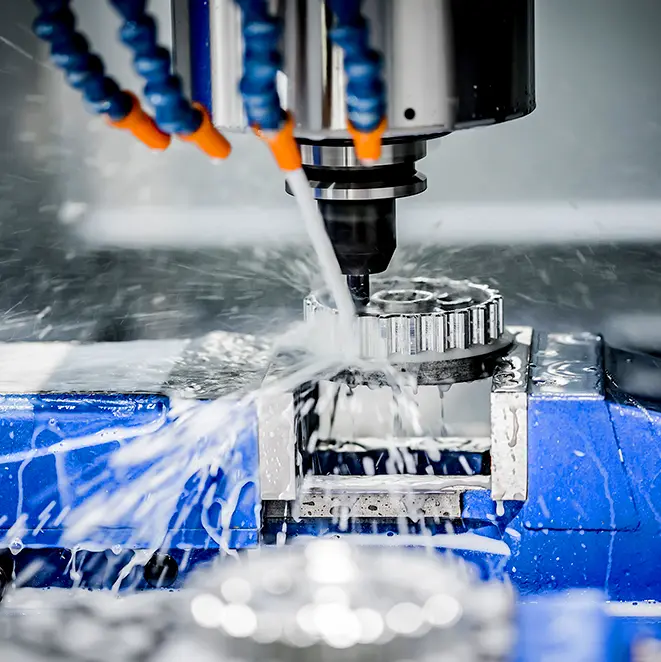

Our technical team brings 15 years of industry experience to every project. This expertise allows us to anticipate design issues and provide insights that align with custom project specifications.
Traditional structural steel helidecks are increasingly being replaced by lightweight aluminum alloys. This shift is driven by the need to minimize top-side weight on offshore platforms and marine vessels, while also reducing ongoing maintenance costs. Here is a breakdown of the material benefits and engineering requirements for modern helideck systems:
Using 6000 and 7000 series aluminum alloys allows engineers to reduce the deadweight of rooftop helidecks by up to 50% compared to structural steel. This reduction simplifies structural support designs, especially for hospital retrofits and high-rise developments.
Offshore environments present high salinity and humidity levels. Our profiles are treated to withstand C5-M high-corrosivity ratings. This prevents galvanic corrosion and degradation, ensuring a service life that often exceeds 30 years without the need for extensive painting.
High-conductivity aluminum profiles facilitate the integration of active heating systems directly into the deck's structural channels. This ensures safe operations in Arctic or cold-weather zones by preventing snow and ice accumulation.
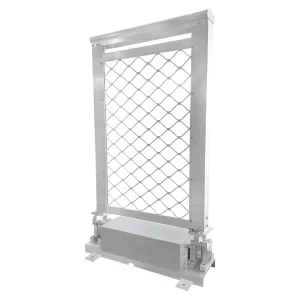
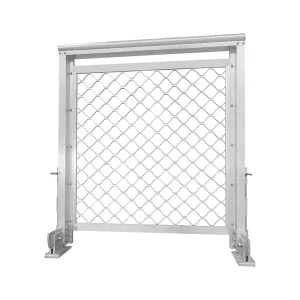
A crucial component of any offshore or rooftop landing pad is the perimeter safety net. The main role of this system is to catch personnel, equipment, or debris in the event of a slip or fall, preventing them from falling from the deck edge. According to CAP 437 standards, perimeter safety nets must meet specific criteria:
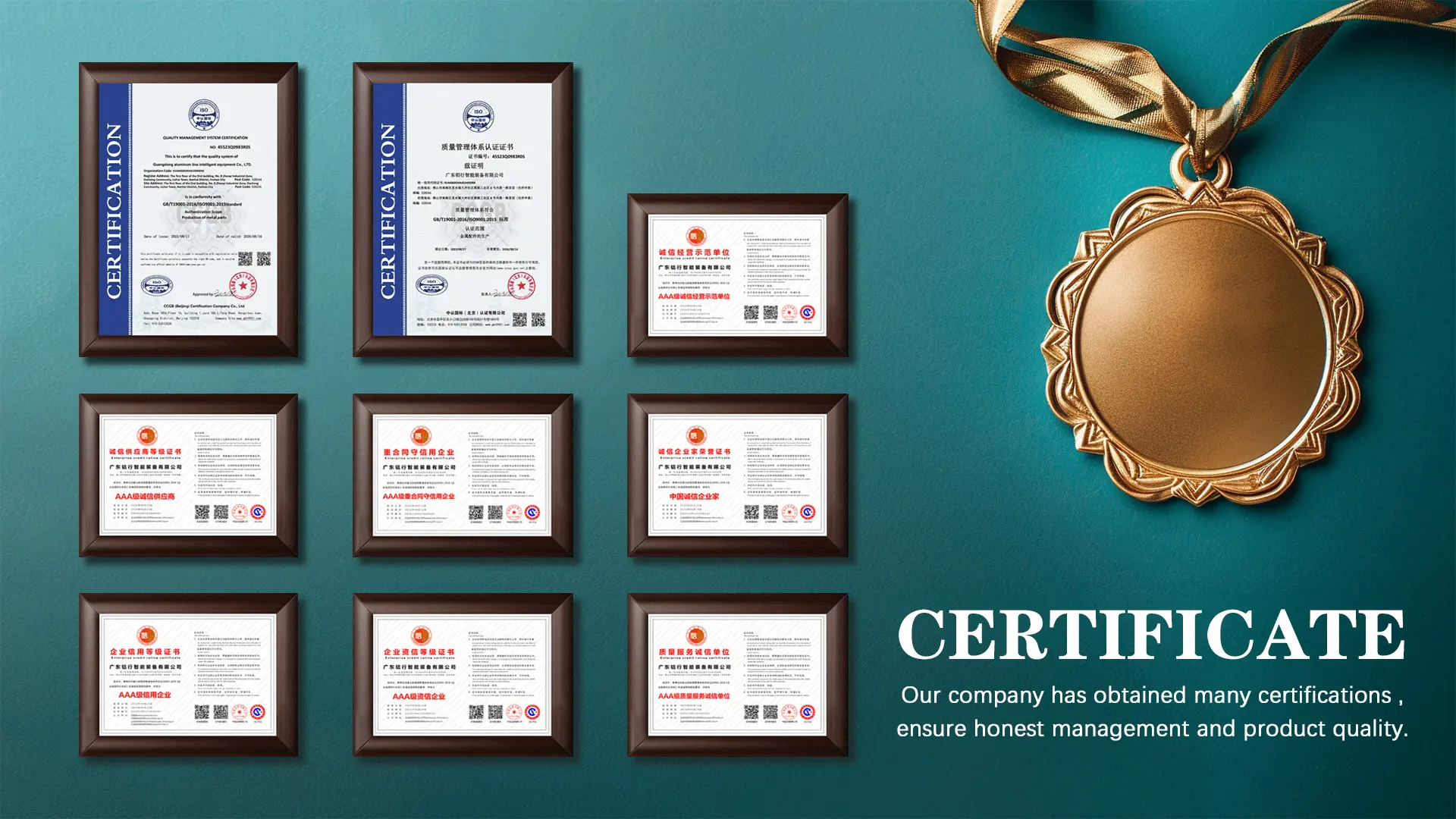
Figure 1: Cross-Sectional Structural Profile & Perimeter Safety Net Mounting Arrangement.
Every industry presents unique operational challenges that influence the design and installation of helideck systems. Our engineering and manufacturing processes are tailormade to address these specific demands:
For medical facilities, rooftop helidecks must minimize structural vibration and acoustic transmission into the building below. Our multi-layered aluminum extrusion profiles incorporate integrated acoustic damping and meet strict building code requirements.
Offshore environments require high resistance to dynamic loads and severe weather. Our aluminum helidecks are engineered for wind-shear stability and feature non-slip, serrated surfaces that remain effective under wet or oily conditions.
High-altitude rooftop installations must account for microclimatic wind currents. We construct these decks using specialized aerodynamic profiles that prevent upward drafts, ensuring a safer approach and departure path for aircraft.
As the aviation industry advances, landing pad infrastructure must evolve. The next generation of helidecks is moving toward smart integrations, including built-in pressure sensors to monitor aircraft landing loads, integrated LED lighting tracks within the aluminum profiles, and automated fire suppression systems. At Lvxing, we continue to research and develop new aluminum extrusion techniques to support these smart technologies, helping to build safer and more efficient infrastructure for global aviation.
Common questions from engineers, buyers, and aviation safety officers.
Explore our full line of safety solutions for modern aviation infrastructure.
 LvXing