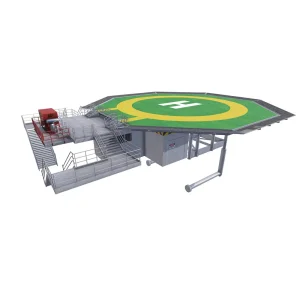
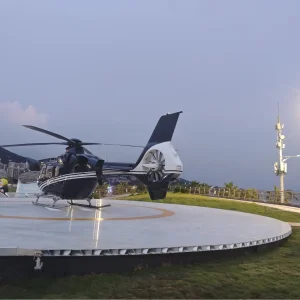
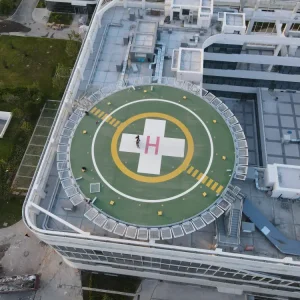
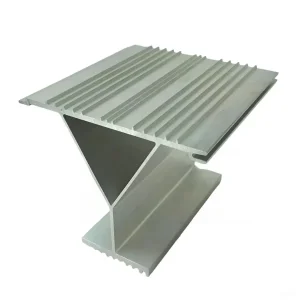
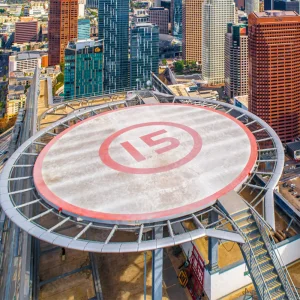
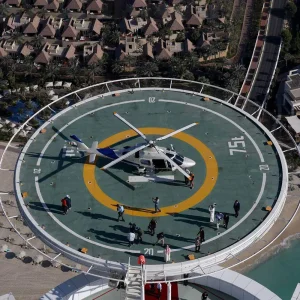
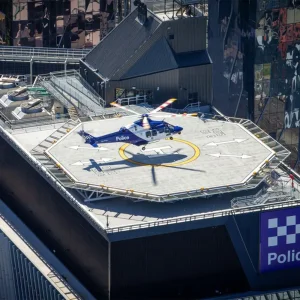
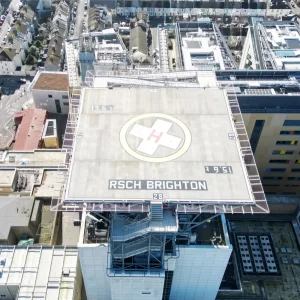
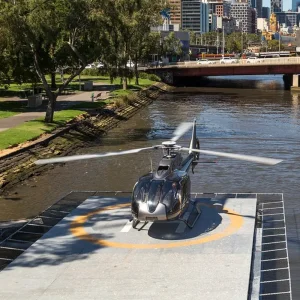
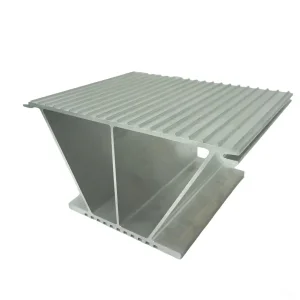
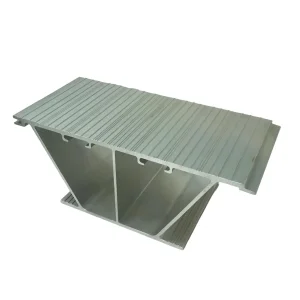
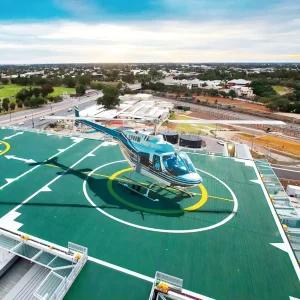
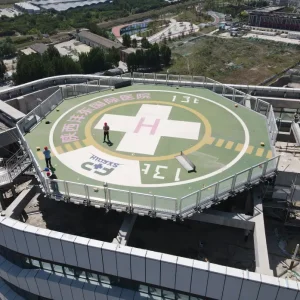
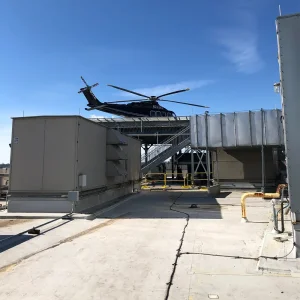
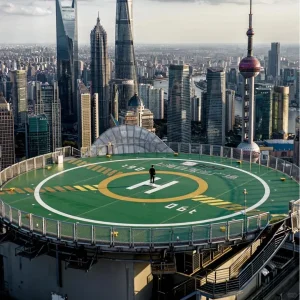
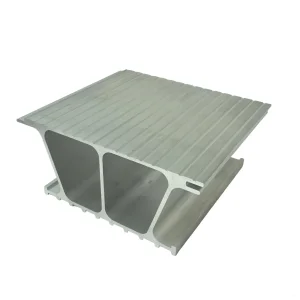
Explore our flagship configurations of high-performance aluminum helipads and regulatory-compliant safety mesh systems engineered for harsh marine and offshore operations.
Helicopter deck (helideck) perimeter safety nets serve as the absolute last line of life-saving fall protection for personnel operating on offshore platforms, marine vessels, and elevated rooftop structures. Standard aviation safety regulations dictated by the International Civil Aviation Organization (ICAO Annex 14) and the Civil Aviation Authority (CAP 437) require safety nets to be installed around the entire perimeter of a helideck to prevent personnel from falling overboard or down shaft drops during flight deck operations.
Strict structural adherence ensuring the net system deflects energy smoothly. Every unit must be drop-tested and certified to safely retain a 100 kg body weight dropped from a height of 1 meter without failure or tearing.
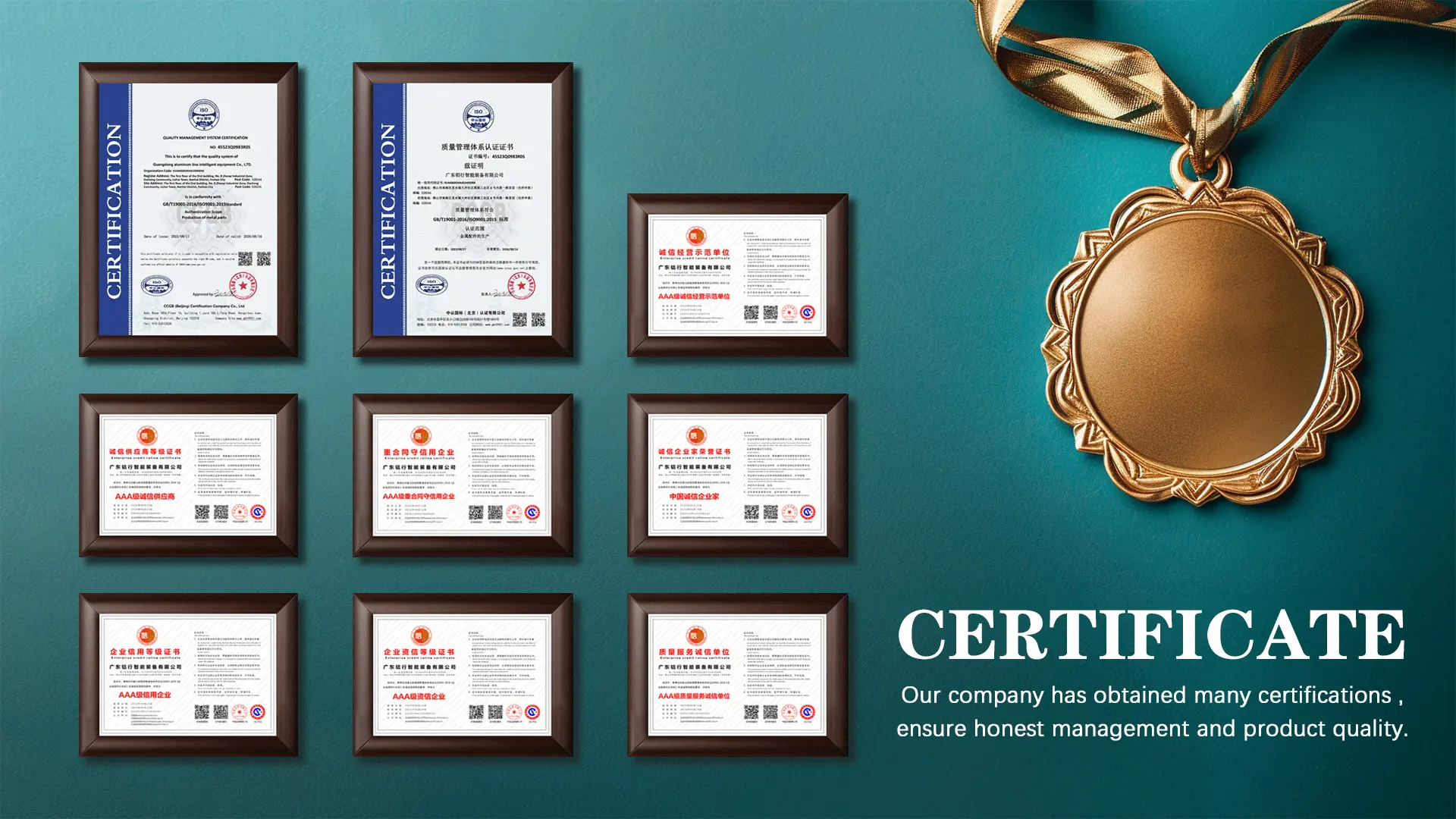
Fully compliant with EU Construction Products Directives and Safety Standards (including EN 1263-1 parameters for safety nets) guaranteeing metallurgical and mechanical testing protocols are validated periodically.
Engineered to handle extreme maritime microclimates. Features advanced anodized protection layers and high-tensile 316 stainless steel or marine-grade aluminum frame configurations to prevent galvanic corrosion.
In modern offshore architecture, historical textile/nylon safety net options are being rapidly phased out. Traditional synthetic fiber nets decay rapidly under persistent exposure to high ultraviolet radiation, thermal fluctuations, and saline conditions, demanding expensive, labor-intensive annual replacement cycles. Modern engineering favors heavy-duty metallic mesh systems utilizing marine-grade aluminum alloy and stainless steel wire ropes. These systems offer up to 25 years of maintenance-free service life while maintaining a predictable spring-like dampening action during impact tests, mitigating severe injuries to falling personnel.
Established in 2015 and located in Foshan City, Guangdong, LvXing Intelligent Equipment Co., Ltd. boasts a skilled R&D team with extensive experience. We leverage exceptional technical expertise to effectively transform customers' ideas into reality, consistently meeting their precise requirements.
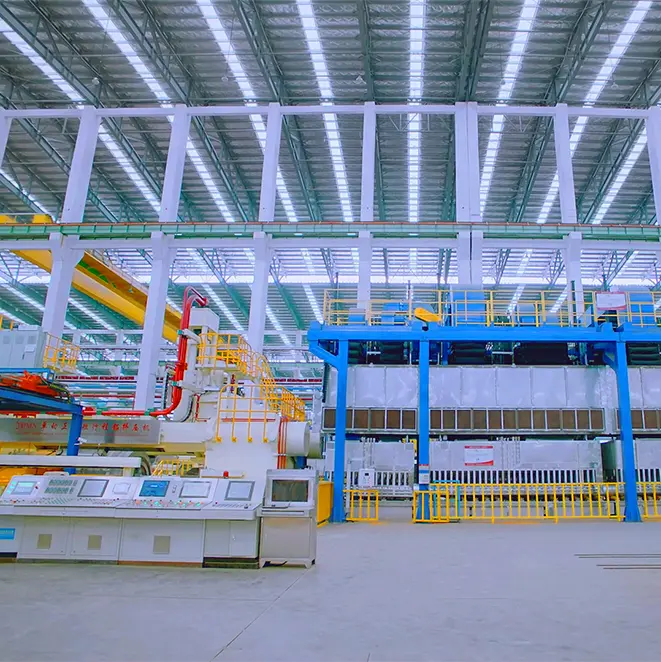
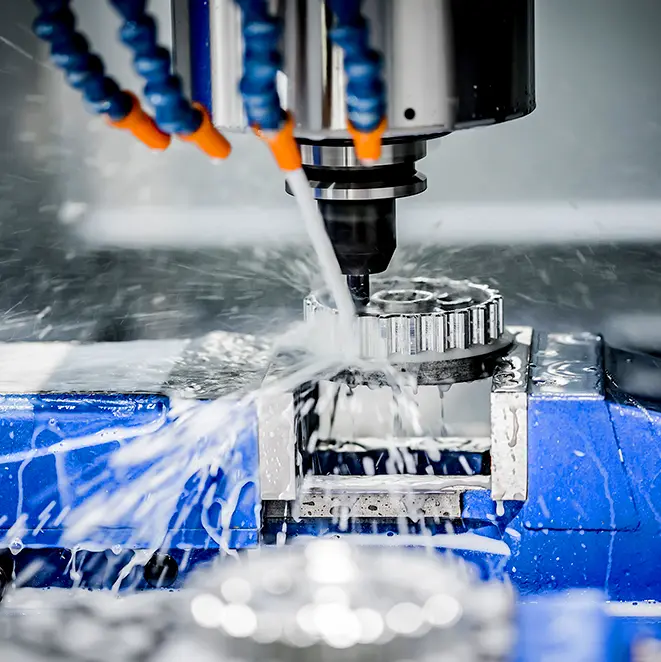
We utilize premium Fenglu aluminum, offering a diverse range of profiles for flexible applications. Our extrusion lines, ranging from 800T to 20,000T, accommodate alloys 1xxx, 2xxx, 3xxx, 5xxx, 6xxx, and 7xxx, allowing us to produce shaped products with section dimensions up to 1.2 meters in width and 28 meters in length. These products are recognized for their precision and meticulous processing, finding broad application in aerospace, military, medical, and industrial sectors.
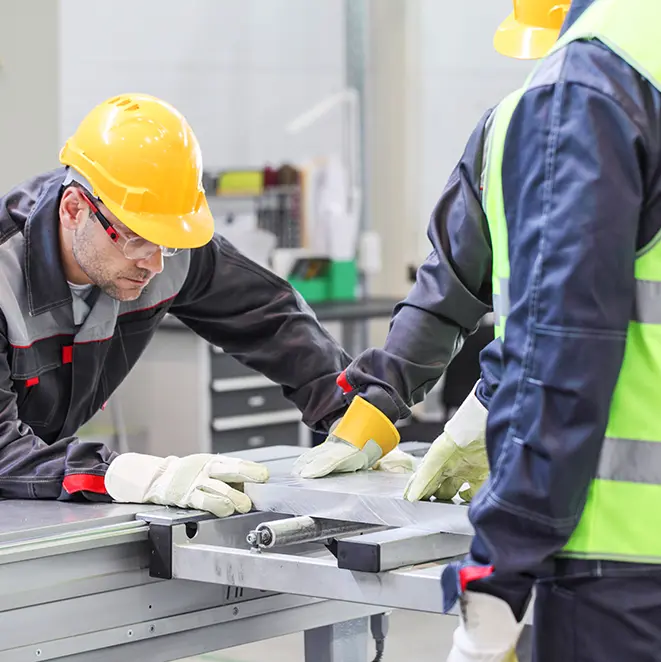
Our commitment to excellence is evident throughout the manufacturing process, rigorous quality control, thorough packaging, and efficient shipping procedures. This dedication has earned us recognition as a national excellent and honest enterprise, along with quality system certification in accordance with GB/T19001-2016/ISO9001:2015 standards.
Combining heavy industrial capability with precision aviation compliance standards.
As offshore platforms integrate complex automation systems, safety components are evolving to keep pace. The technical development strategy at Lvxing focused on helipad perimeter safety nets is structured around two distinct operational themes: Advanced Light-Weight Structural Metallurgy and Structural Health Monitoring Systems (SHMS).
Future iterations of our CE certified safety nets will integrate tension and structural strain sensors. In high-vibration maritime environments (such as drillships and FPSOs), these IoT nodes feed stress readings to platform control networks, warning operations managers when a safety net assembly requires service or has suffered impact degradation.
By shifting structural support brackets from standard marine-grade steel to optimized, high-strength 7xxx series aluminum, our R&D team plans to reduce the deadweight of helideck support structures by up to 45%. This weight reduction increases safety margins on floating assets and high-rise commercial structures.
| Technology Generation | Core Material Design | Sensory & Health Monitoring | Anti-Corrosion Profile | Structural Load Margin |
|---|---|---|---|---|
| Gen I (Legacy) | Synthetic Polymer (Nylon / Polyester) | None (Manual Inspections) | Poor (High UV Degradation) | Base CAP 437 Minimum (100 kg) |
| Gen II (Current) | Stainless Steel 316 + Aluminum 6000 | Visual Strain Indicators | Excellent (Anodized & Passivated) | Exceeds CAP 437 (+20% safety margin) |
| Gen III (Next-Gen) | Smart-alloy Hybrid Mesh (Titanium-Al) | Real-time IoT strain gauged frames | Superb (Self-healing Oxide Layers) | Exceeds CAP 437 (+50% safety margin) |
A safety net is only as effective as the engineering adaptation to its specific micro-environment. Lvxing provides comprehensive, turnkey aluminum profile and safety mesh systems optimized for four critical macro industries:
Designed to resist continuous saltwater splashing, extreme high winds, and severe temperature fluctuations. The safety mesh frame locks directly into custom structural extrusions manufactured on our 20,000T press line.
Aesthetic integration is key. Our low-profile, high-tension safety net profiles provide reliable fall protection without interrupting passenger views or compromising maritime design elegance.
For critical urban trauma center helipads. These require fast, vibration-damped designs. The aluminum profiles allow modular installations on concrete roof structures with minimal anchor penetrations.
Optimized to handle strong wind forces at high elevations. Our safety nets are designed with aerodynamic mesh structures that reduce wind loading while ensuring maximum safety for corporate aircraft operations.
Operating out of Foshan City, Guangdong—the heart of China's high-end aluminum fabrication hub—Lvxing Intelligent Equipment employs advanced factory management systems that integrate raw material procurement, precision extrusion, and computerized quality control testing. Our long-term strategic partnership with Fenglu Aluminum ensures a reliable supply of premium billet material, even during global market shortages.
Cost-Efficiency & Scale: By operating extrusion lines up to 20,000T in a single integrated facility, we minimize production steps. The savings in energy and labor are directly passed down to EPC buyers, presenting a massive cost benefit over European and North American alternatives.
Rapid Prototyping and Fast Shipping: Custom helideck perimeter safety net designs can transition from CAD drafts to fully extruded test mockups in under 15 days, with efficient marine shipping out of adjacent Guangzhou and Shenzhen container ports.
For international Engineering, Procurement, and Construction (EPC) companies, purchasing safety net systems goes beyond comparing cost per linear meter. The purchasing process must address several key regulatory and design challenges:
Provisions of Mill Test Certificates (MTC) according to EN 10204 3.1, CE certification documentation, and physical drop test validation certificates are critical to clear third-party site audits.
Vessel maintenance window downtimes are incredibly costly. Net panels must feature simple slide-and-lock frame designs that allow local maintenance crews to replace single sections without welding.
Working with a manufacturer that provides clear installation CAD files, detailed video walk-throughs, and on-call engineering feedback is vital during complex installations.
Expert answers addressing regulatory, chemical, and design questions surrounding helipad safety net systems.
Select from our complete range of certified helipad extrusion profiles, platform structures, and peripheral fall protection safety solutions.
 LvXing