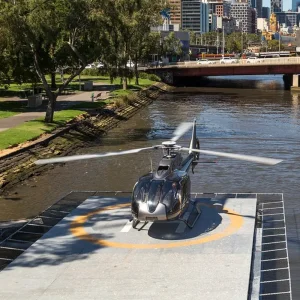
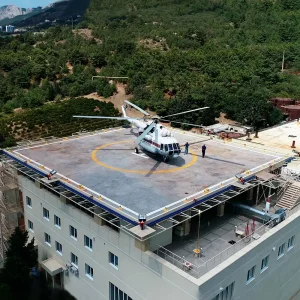
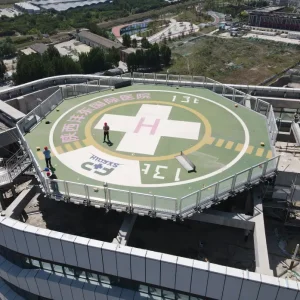
Explore our leading range of high-strength all-aluminum helipads, profile extrusions, and safety perimeter nets engineered for global structural projects.
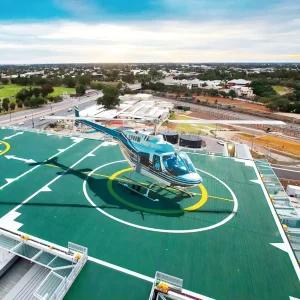
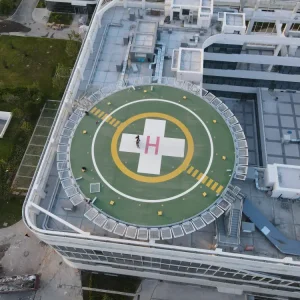
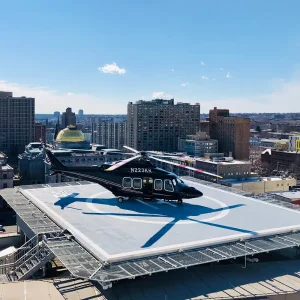
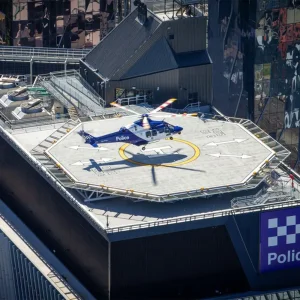
Modern commercial and industrial helipads are complex engineering structures deployed in demanding environments—ranging from deep-sea offshore drilling rigs and marine military vessels to urban skyscraper rooftops and hospital emergency flight decks. In these critical locations, safety perimeter netting systems are mandatory safety structures designed to save lives.
Historically, fall protection netting was treated as a secondary accessory. Today, international regulatory shifts have made certified safety nets an essential parameter of structural sign-off. As urban air mobility (UAM) and eVTOL (electric vertical take-off and landing) infrastructures grow globally, the demand for high-strength, lightweight, corrosion-resistant safety netting systems has accelerated.
Helipad safety nets are not simple mesh barriers; they are highly specialized engineering systems designed to catch personnel without causing injury, while simultaneously resisting extreme downwash wind loads from helicopters.
For offshore helidecks, the UK Civil Aviation Authority's CAP 437 is the global benchmark. It stipulates that perimeter safety nets must be made of materials that do not degrade easily under ultra-violet (UV) light and marine atmospheres. It requires the perimeter net to extend at least 1.5 meters outwards from the landing area, sloping upwards slightly to retain fallen personnel securely.
Our safety mesh and support frame systems adhere strictly to EN 1263-1 (safety netting systems). This standard mandates strict dynamic testing, including drop testing with a 100kg mass to verify energy absorption capacity, ensuring structural integrity is maintained during sudden impacts without structural collapse.
Combining high-grade 316 stainless steel wire mesh or high-tensile structural aluminum alloy frames (specifically 6000 and 7000 series alloys) ensures our nets withstand the harsh environmental corrosion of oceanic regions while delivering a service life exceeding 15 years.
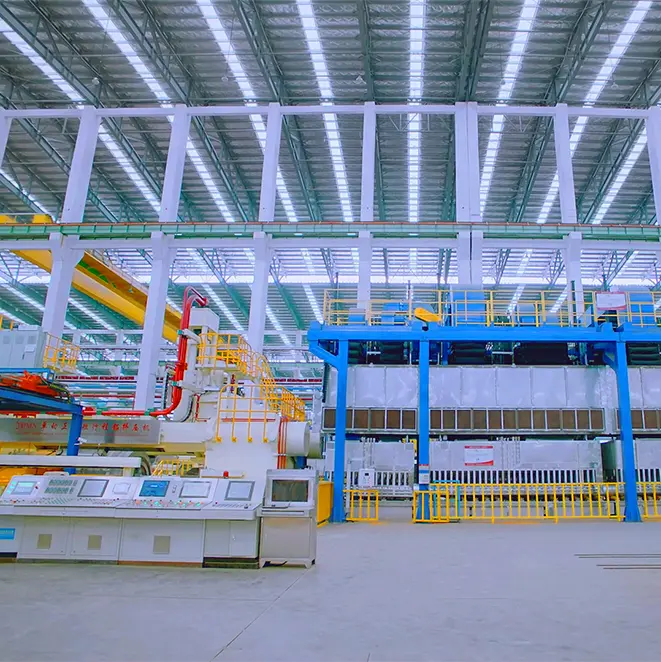
Operating out of Foshan City, Guangdong—the global capital for high-tech aluminum extrusion and metal fabrication—allows LvXing Intelligent Equipment Co., Ltd. to optimize raw materials, precision machining, and logistics pipelines. This local cluster efficiency allows us to deliver certified, premium-grade helideck fall safety netting systems at highly competitive rates.
By Utilizing premium **Fenglu aluminum profiles** as structural framing elements, we guarantee structural integrity. Our local supply chains integrate advanced anodizing, powder coating, and metal testing capabilities within a 50km radius. This localized ecosystem significantly reduces delivery lead times for large-scale EPC contractors worldwide, offering a competitive advantage that isolated Western factories cannot match.
Different installation environments pose unique engineering challenges. We design safety net configurations tailored to specific applications.
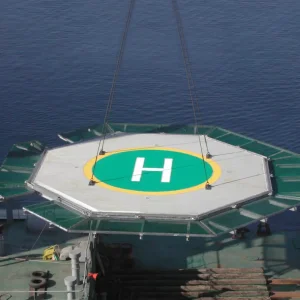
Offshore patrol vessels, luxury yachts, and oil drilling rigs are subject to constant salt-spray, heavy wave impact, and movement. Our safety net frames utilize marine-grade 5000 and 6000 series aluminum, paired with 316 stainless steel mesh. This configuration passes rigorous ASTM B117 salt spray testing, preventing galvanic corrosion and preserving mechanical strength.
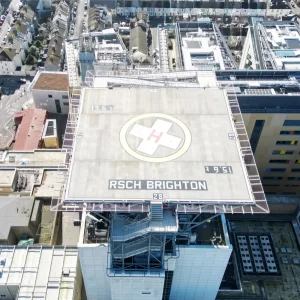
Medical helipads require maximum vibration absorption and sound dampening to protect building occupants below. The safety nets must integrate seamlessly with lightweight aluminum profiles. Our designs prioritize quick-fold or walk-on capabilities, facilitating routine inspections and cleaning of the helideck drainage system.
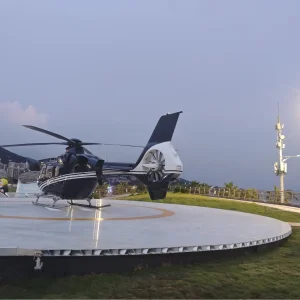
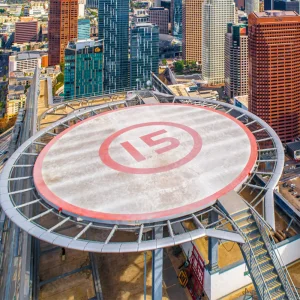
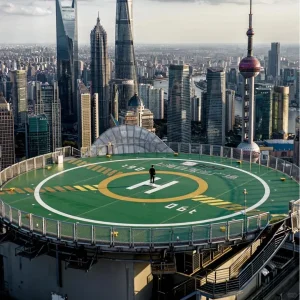
High-altitude rooftop installations contend with intense wind shears and turbulence. Traditional flexible fabric nets can sail or flap, creating aerodynamic hazards for incoming aircraft. We supply tension-engineered mesh panels with low wind-drag coefficients, maintaining structural stability even during category 12 typhoon wind loads.
Established in 2015 and located in Foshan City, Guangdong, LvXing Intelligent Equipment Co., Ltd. boasts a skilled R&D team with extensive experience. We leverage exceptional technical expertise to effectively transform customers' ideas into reality, consistently meeting their precise requirements.
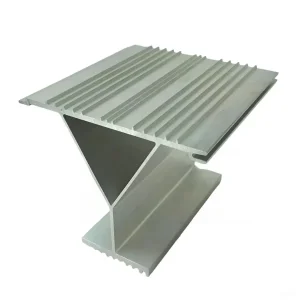
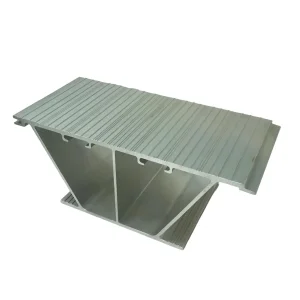
We utilize premium Fenglu aluminum, offering a diverse range of profiles for flexible applications. Our extrusion lines, ranging from 800T to 20,000T, accommodate alloys 1xxx, 2xxx, 3xxx, 5xxx, 6xxx, and 7xxx, allowing us to produce shaped products with section dimensions up to 1.2 meters in width and 28 meters in length. These products are recognized for their precision and meticulous processing, finding broad application in aerospace, military, medical, and industrial sectors.
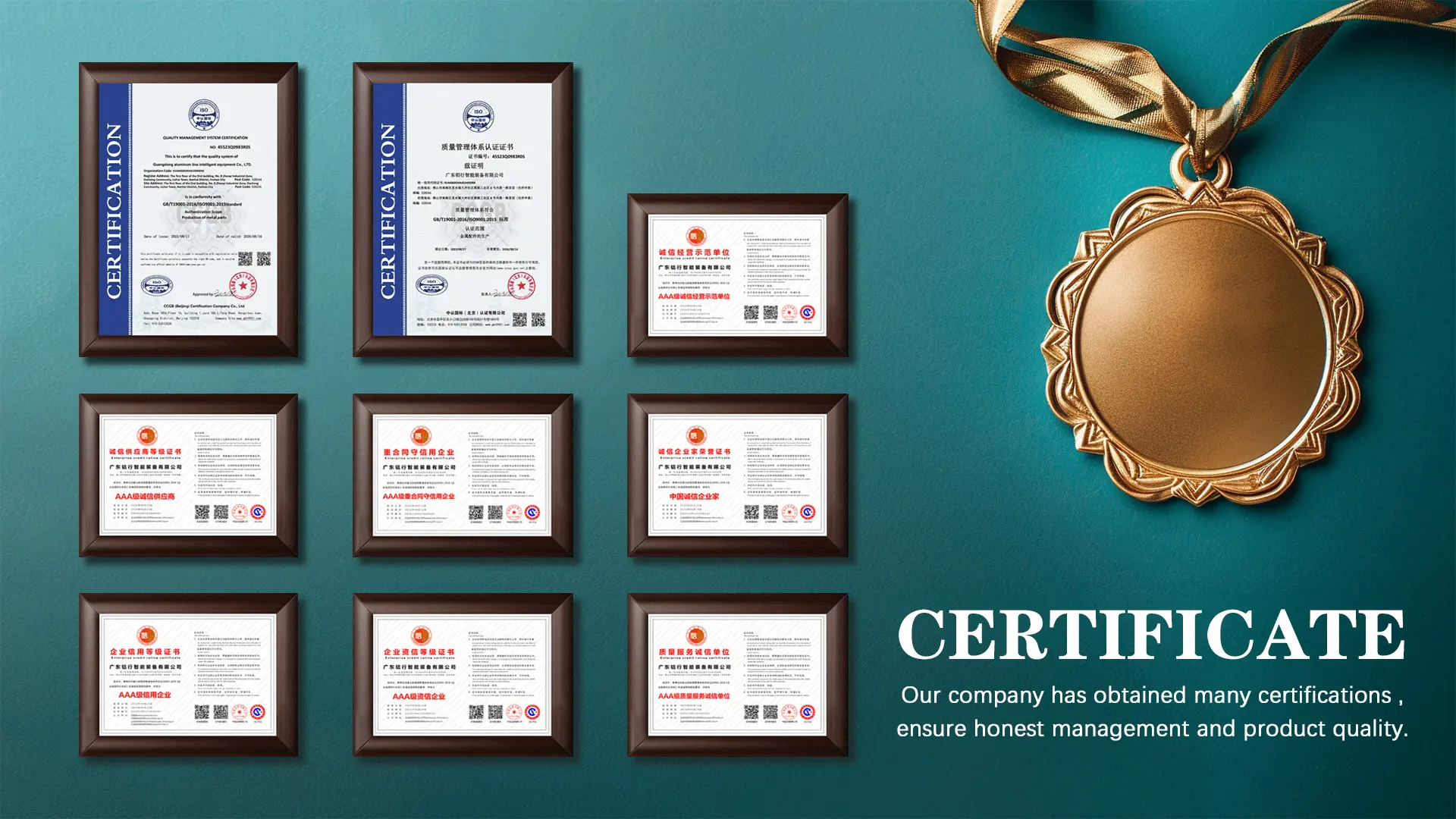
Our commitment to excellence is evident throughout the manufacturing process, rigorous quality control, thorough packaging, and efficient shipping procedures. This dedication has earned us recognition as a national excellent and honest enterprise, along with quality system certification in accordance with GB/T19001-2016/ISO9001:2015 standards.
We aspire to be your trusted business partner and warmly invite you to visit our factory.
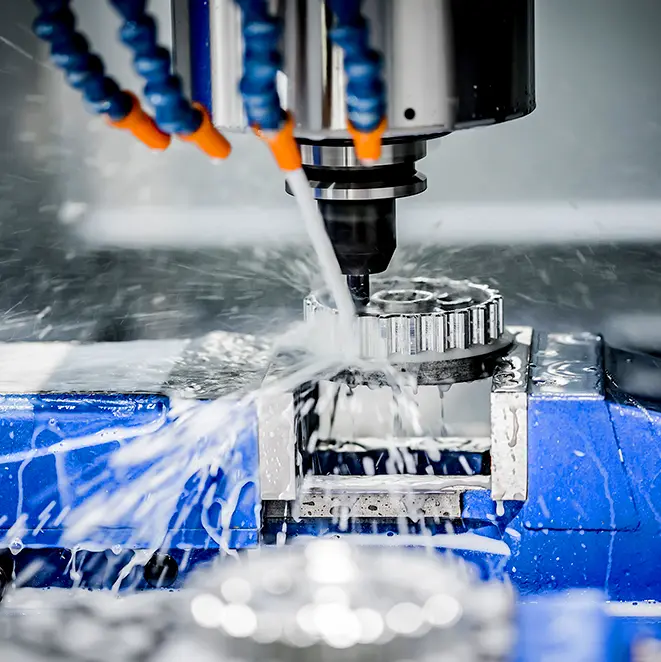
Combining world-class production capabilities with decades of practical industry experience.

We have obtained the “Special Aluminium Materials for Aerospace” Certificate.
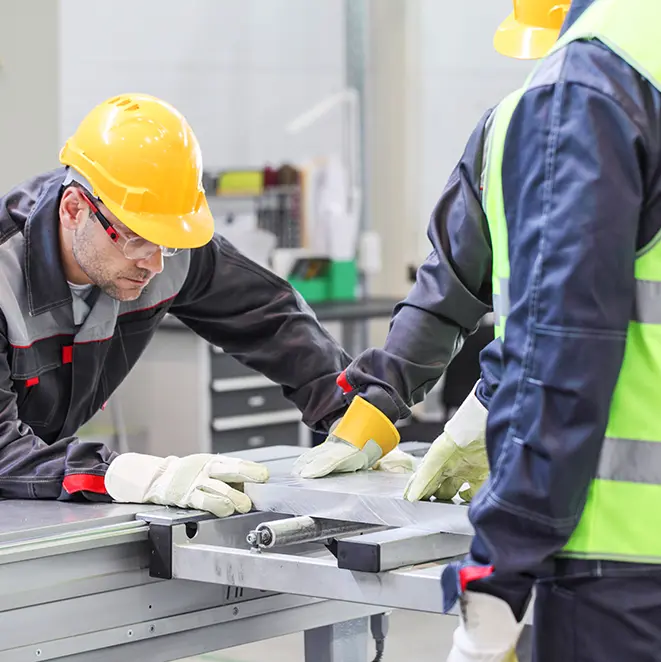

We provide and utilize high-quality Fenglu aluminum profiles. With extrusion lines ranging from 800T to 20,000T, we can produce alloys 1xxx, 2xxx, 3xxx, 5xxx, 6xxx, and 7xxx. We can manufacture fully shaped products with section dimensions up to 1.2 meters in width or 28 meters in length.

We have a team of technicians with 15 years of invaluable experience. Our deep understanding of customer requirements allows us to identify potential issues and offer practical insights, turning customer ideas into tangible products that meet specific needs.
For international EPC contractors and architectural consulting agencies, sourcing safety components requires verification of supply-chain authenticity. A crucial step during the planning stage is ensuring the vendor can provide full documentation—including Mill Test Certificates (MTC), compliance documents for CE EN 1263-1, and corrosion resistance performance data.
LvXing coordinates with inspection firms (SGS, Bureau Veritas, TÜV SÜD) to run pre-shipment tests. By validating the tensile strength of the safety mesh, the structural load capabilities of our customized aluminum profiles, and the integrity of the border connections, we ensure our assemblies arrive at the work site ready for installation and sign-off.
In-depth structural and regulatory insights compiled by our lead safety engineering team.
Browse our complete catalog of aluminum alloy profiles, helipad components, and certified security mesh products.
 LvXing