Explore our certified structural profiles, aluminum alloy deck panels, and high-performance safety netting engineered for extreme-condition aviation requirements.
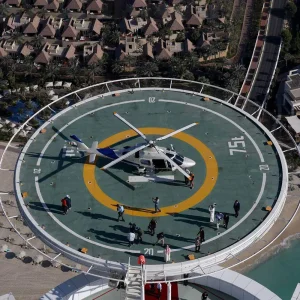
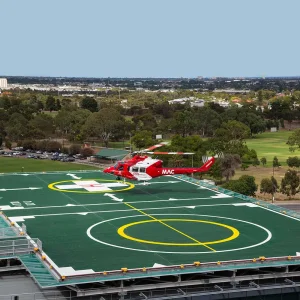
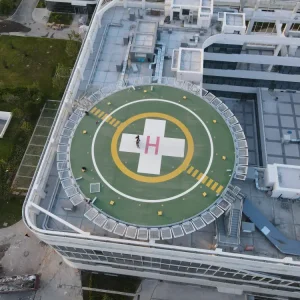
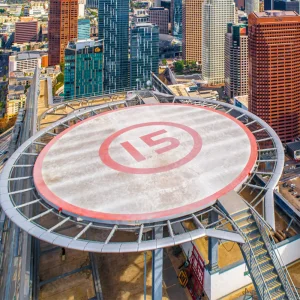
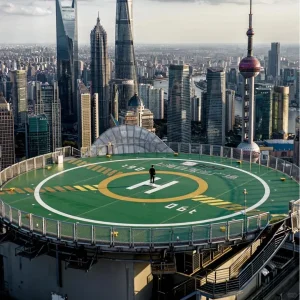
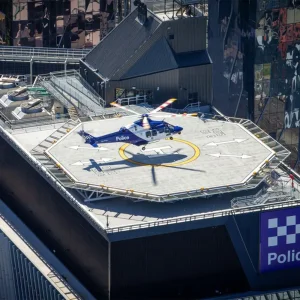
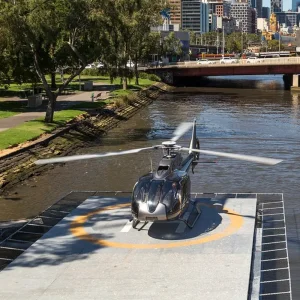
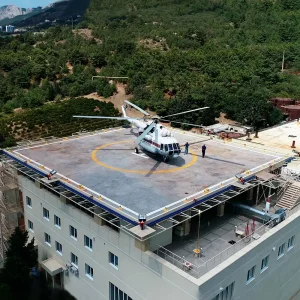
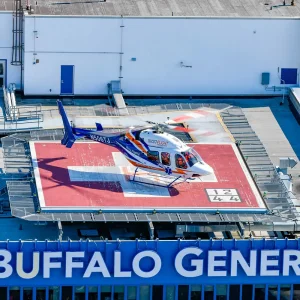
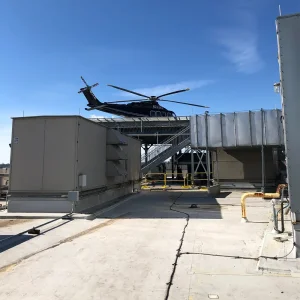
Elevated heliports constructed on commercial skyscrapers, regional hospitals, and deep-sea platforms operate under high-stress meteorological profiles. The primary landing challenges include intense wind shears, thermal updrafts, dynamic deck impact loads, and the risk of personnel or equipment sliding beyond the perimeter boundary. An integrated perimeter safety netting system is not merely an optional protective accessory; it is a vital, load-bearing regulatory mechanism required for continuous flight operations.
International aviation authorities including the Federal Aviation Administration (FAA AC 150/5390-2C), the Civil Aviation Authority (UK CAA CAP 437), and the European Aviation Safety Agency (EASA) dictate that high-rise rooftop landing pads must be surrounded by a dedicated safety net system. These safety nets must project outwards by at least 1.5 meters, decline slightly to prevent aerodynamic uplift interference, and absorb dynamic kinetic impact energies of at least 122 kg falling from heights without deformation or failure. Lvxing’s CE-certified product portfolio satisfies these requirements, providing optimal drop-test energy mitigation and life-safety assurance.
Established in 2015 and located in the global aluminum hub of Foshan City, Guangdong, LvXing Intelligent Equipment Co., Ltd. has grown to become a premier research, development, and manufacturing organization specializing in advanced structural aluminum systems. By blending advanced metallurgical engineering with custom design services, we assist civil aviation authorities, hospital groups, and high-rise structural engineers in bringing their elevated helipad visions to life.
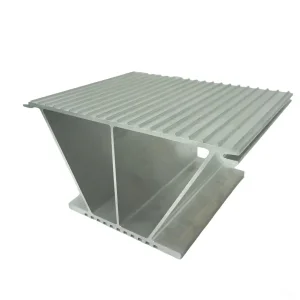
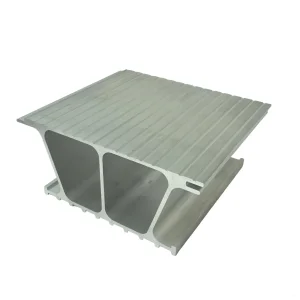
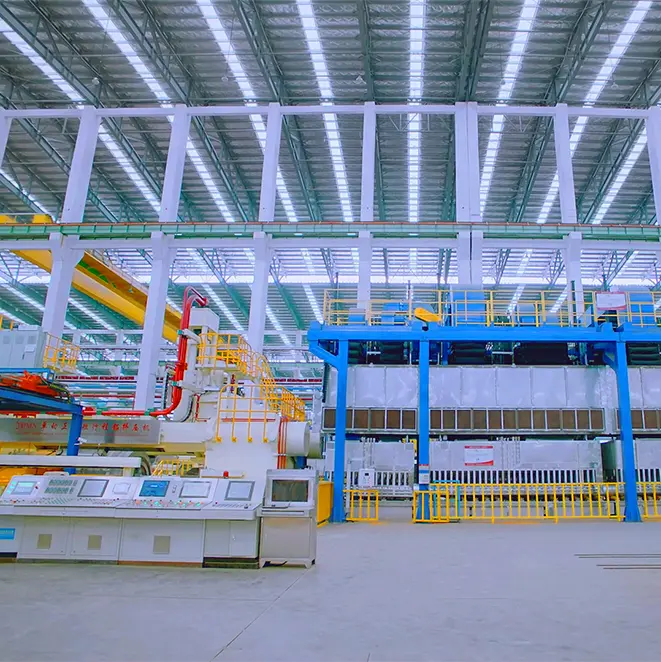
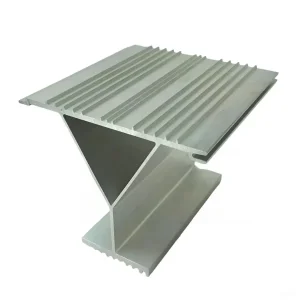
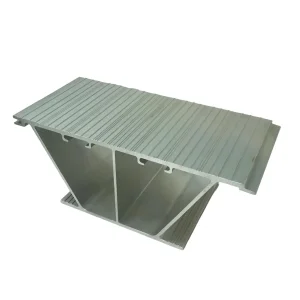
We utilize premium Fenglu aluminum, offering a diverse range of high-alloy profiles for flexible structural applications. Our extrusion capacity is anchored by comprehensive processing lines ranging from 800T to 20,000T. This enables us to extrude alloys in the 1xxx, 2xxx, 3xxx, 5xxx, 6xxx, and 7xxx series, producing fully shaped products with cross-sectional widths up to 1.2 meters and total continuous lengths of 28 meters. These profiles are designed for aerospace, military, medical, and specialized industrial facilities.
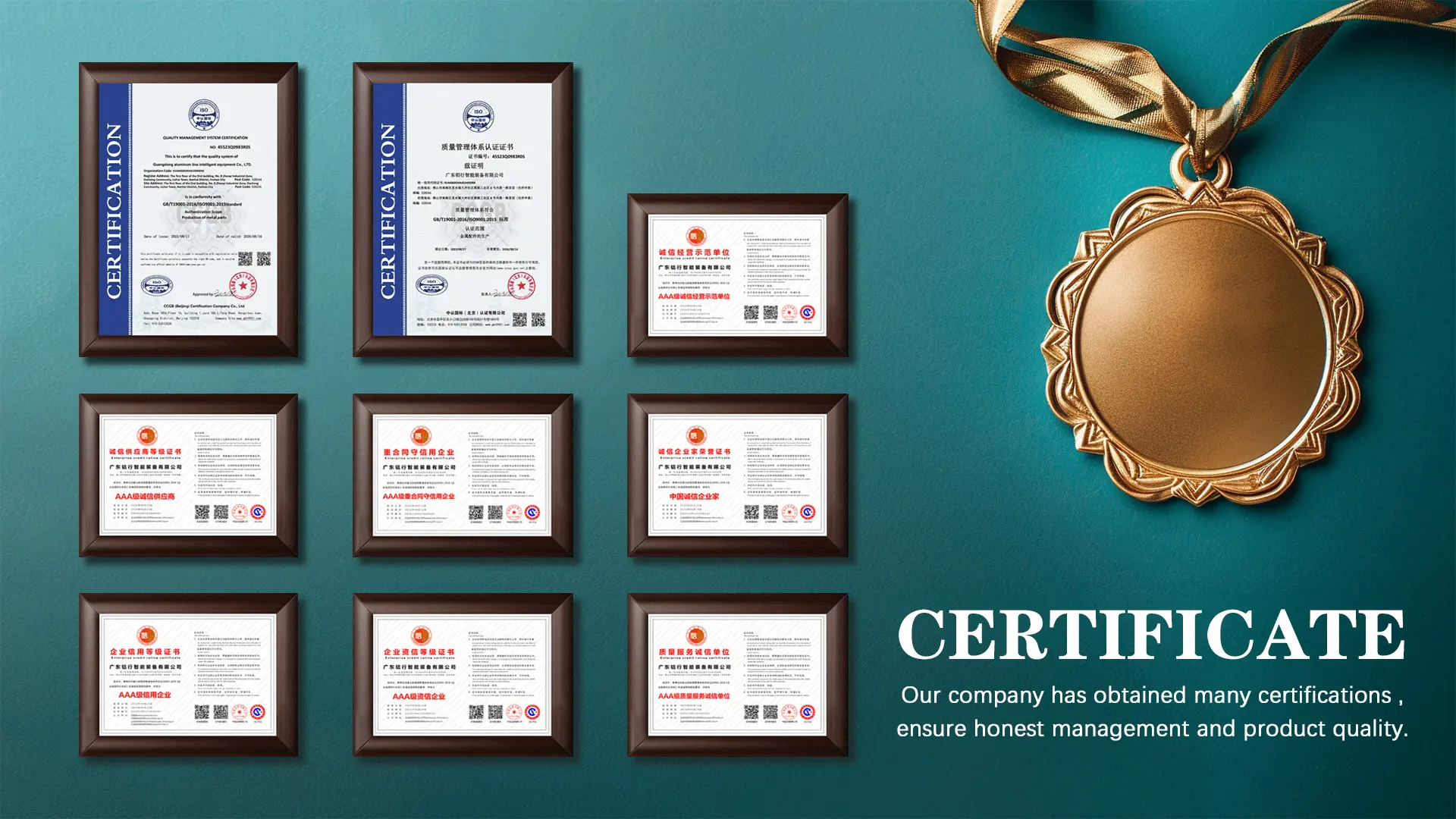
Our ISO-compliant quality system (GB/T19001-2016/ISO9001:2015) ensures rigorous quality control over incoming alloys, extrusion runs, surface anodizing, packaging, and shipping. This reliable standard of production has earned our factory a reputation for excellence in the structural aluminum sector.
| Founded: | 2015 (Foshan City, Guangdong, China) |
| Extrusion Scale: | 800 Tons up to 20,000 Tons Press Capacity |
| Alloy Processing: | 1xxx, 2xxx, 3xxx, 5xxx, 6xxx, 7xxx Series |
| Max Dimensions: | 1.2m Width Section, 28m Max Profile Length |
| Certifications: | ISO9001:2015, GB/T19001-2016, CE Compliance |
| Raw Material: | Fenglu Premium Grade Primary Ingot |
A combination of advanced aerospace metallurgy, large-scale extrusion machinery, and 15 years of engineering experience.
We have obtained the official “Special Aluminium Materials for Aerospace” Certificate, ensuring compliance with aviation-grade structural safety protocols.

We utilize premium Fenglu aluminum. With extrusion lines from 800T to 20,000T, we manufacture components up to 1.2m wide or 28m long.

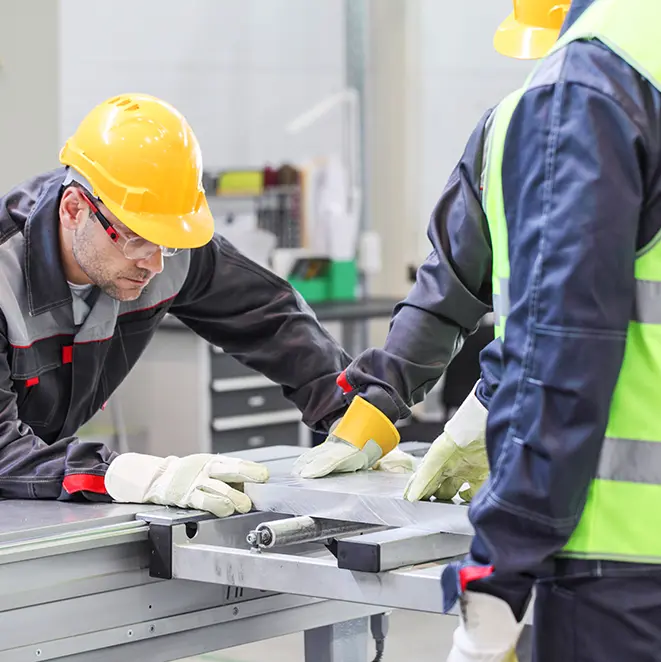
Our technicians bring 15 years of industry experience to resolve design conflicts, simulate loads, and deliver tailored structural outcomes.

Providing specialized structural aluminum profiles and custom-fit perimeter nets across diverse sectors.
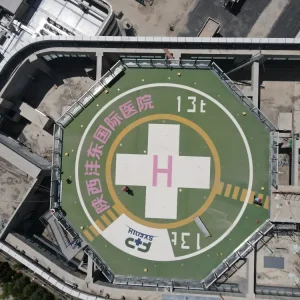
High-frequency emergency medical services require vibration-dampened rooftop helipads. We offer customized structural solutions featuring integrated lighting pathways and high-tensile safety netting.
Medical Grade ComplianceDesigned to handle severe wind loads, localized turbulence, and thermal updrafts on premium commercial skyscrapers and high-rise luxury hotels.
Wind-Load RatedBuilt with corrosion-resistant 6082-T6 and 5xxx-series marine-grade aluminum, designed to withstand continuous exposure to saltwater spray.
Marine Corrosion ResistantEngineered for heavy-duty flight profiles and quick-deployment operations, ensuring consistent durability and structural stability.
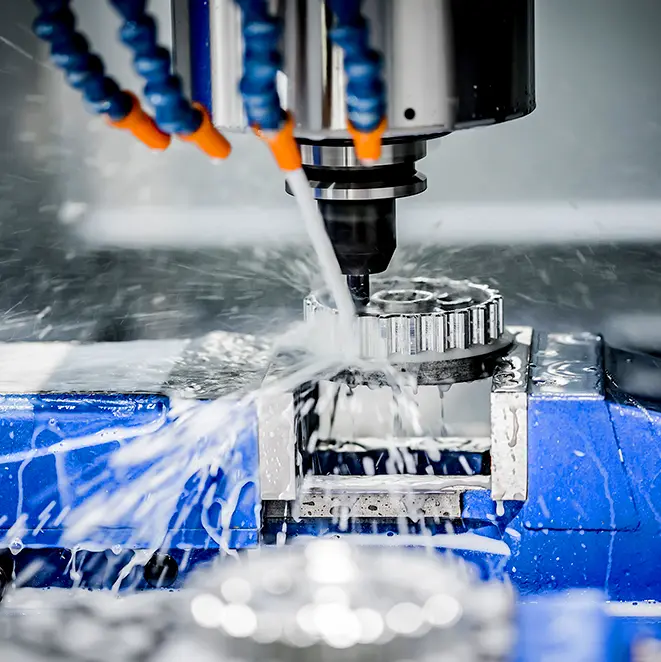
High-Duty CyclesOperating out of Foshan's manufacturing hub, our facility implements advanced industrial management systems to maximize throughput and maintain tight dimensional tolerances. By controlling the entire manufacturing workflow—from primary ingot selection (exclusively utilizing high-purity Fenglu aluminum) to multi-stage extrusion, heat treatment (tempering), precision CNC machining, and surface treatment—we minimize processing bottlenecks and ensure structural reliability.
With our 20,000T extrusion line, we can manufacture large structural profiles without the need for welding. This reduces stress concentrations, eliminates weld-heat-affected zone softening, and enhances structural lifespan under dynamic helicopter touchdown cycles.
We run automated anodizing and powder-coating systems that apply salt-spray resistant barriers to all aluminum profiles. This protects against atmospheric corrosion in coastal and urban industrial areas, ensuring the helipad decks remain durable over decades of service.
Detailed engineering criteria and verification standards for our helipad profiles and safety nets.
Our safety net components undergo dynamic drop testing to verify kinetic energy absorption. The netting mesh and frame must stop a 100 kg test weight dropped from a height of 7 meters, simulating emergency crew egress or equipment loss.
Our systems satisfy the perimeter requirements for commercial offshore helipads, featuring weather-resistant materials designed to limit glare and provide aerodynamic stability.
Every profile and netting component is marked with a batch number linked to its raw material chemical analysis. This allows full quality traceability from the foundry to the final installation.
As helicopter transportation demands increase in density—especially with the development of electric vertical takeoff and landing (eVTOL) aircraft and urban air mobility networks—the requirements for elevated landing platforms are evolving. Lvxing's engineering team is actively researching next-generation safety solutions:
Smart Net Monitoring: We are testing fiber-optic sensors integrated directly into the perimeter safety mesh. These sensors monitor tension degradation, thermal weathering, and impact events, sending real-time maintenance alerts to airport operations teams.
Graphene-Enhanced Alloys: In collaboration with metallurgical universities, we are testing graphene-infused aluminum alloys. These new materials are designed to increase structural yield strength and improve long-term corrosion resistance.
Designing lightweight, vibration-isolated aluminum deck structures tailored for commercial eVTOL aircraft.
Integrating strain gauge sensors into safety net boundaries to automate tension checks.
Using low-carbon, recycled primary aluminum alloys to reduce project emissions while maintaining structural safety.
A checklist for international engineers and purchasing managers requesting custom helipad structures.
Provide the Maximum Takeoff Weight (MTOW), helicopter rotor diameter, and deck loading configurations (e.g., standard truss mounting or structural concrete slab installation).
Detail average wind velocity profiles, expected seismic activity, and proximity to marine environments to help us select the optimal alloy composition and anodizing thickness.
Confirm local building codes and aviation regulatory standards (e.g., CAA, FAA, or EASA) to ensure your safety netting and deck layouts meet compliance requirements.
Technical clarifications regarding materials, testing certifications, custom engineering, and international shipping.
Explore our engineering options, including custom profiles and high-durability safety netting.
 LvXing