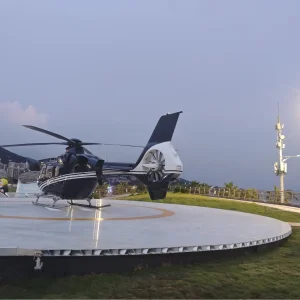
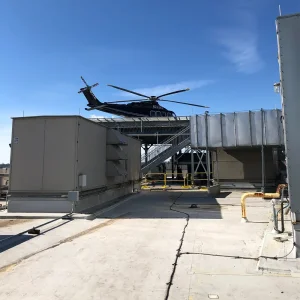
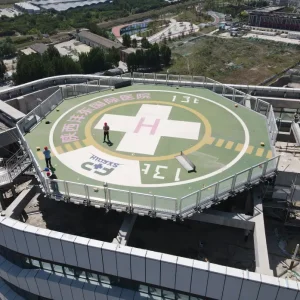
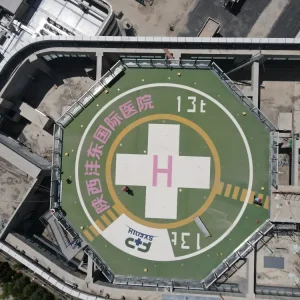
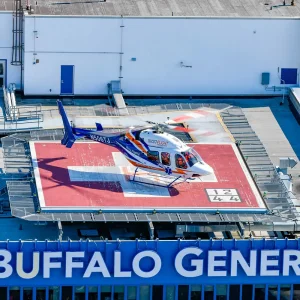
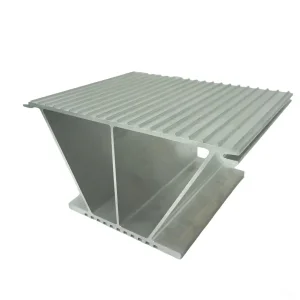
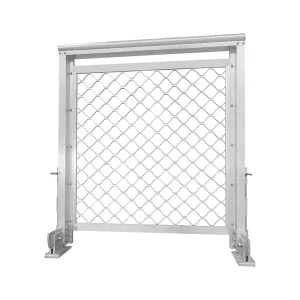
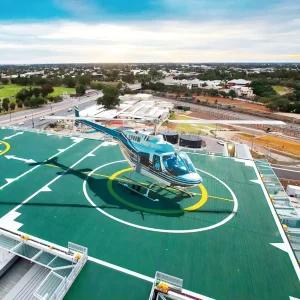
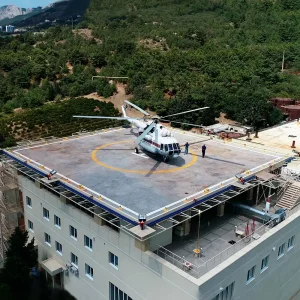
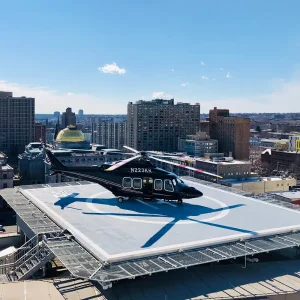
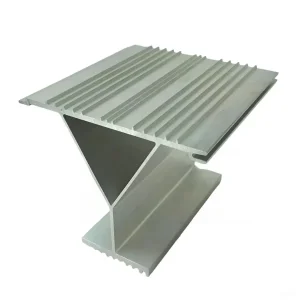
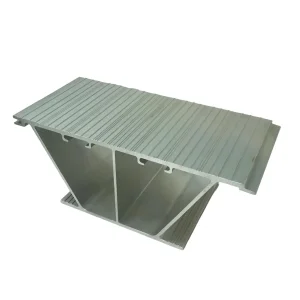
High-tolerance profiles engineered to support magnetic rotor assemblies, perimeter safety structures, and industrial landing infrastructure.
The global transition towards electrification has placed high-frequency Permanent Magnet Synchronous Motors (PMSMs) at the core of industrial innovation. At the heart of these electric drivetrains lies the Magnet Motor Rotor Wheel—a high-tolerance structural component responsible for holding, stabilizing, and balancing high-coercivity rare earth magnets (such as NdFeB) under extreme centrifugal forces and thermal stresses. Ensuring structural integrity at speeds exceeding 20,000 RPM requires not only micro-level machining precision but also rigorous material composition analysis.
For procurement officers in Europe, North America, and high-growth APAC corridors, sourcing components from a CE-certified factory is not merely a compliance check—it is a baseline risk mitigation strategy. CE certification establishes that the rotor assemblies conform to the Machinery Directive 2006/42/EC, Low Voltage Directive 2014/35/EU, and relevant electromagnetic compatibility (EMC) standards. This guarantees that structural parts will not suffer catastrophic mechanical fatigue under long-term cyclic loading.
Our strategic manufacturing tolerances ensure mechanical integrity and minimize eddy current loss in demanding environments.
Leveraging our established aerospace aluminum expertise to manufacture world-class structural and motor rotor systems.
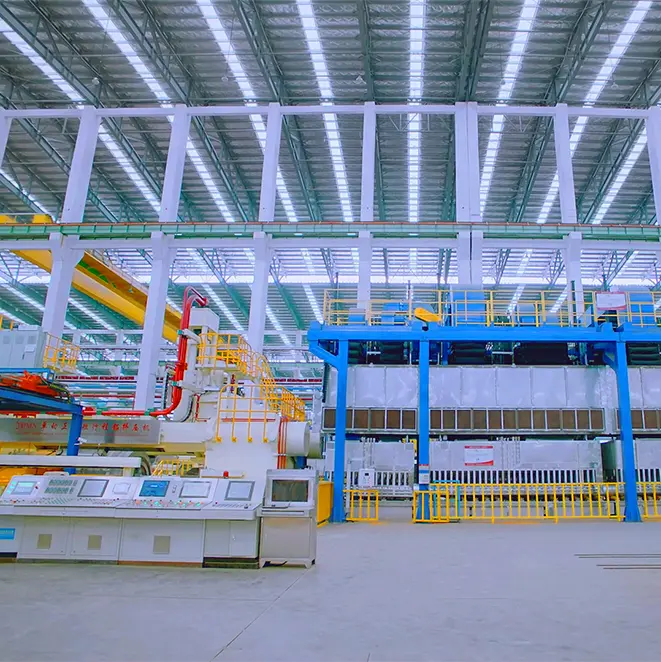
Using premium Fenglu aluminum, we run high-capacity extrusion lines (800T to 20,000T) accommodating alloys from 1xxx up to 7xxx. We regularly manufacture custom shaped profiles up to 1.2m in width and 28m in length, featuring microstructures that resist fatigue under cyclic stress.
Established in 2015 in Foshan City, Guangdong, LvXing Intelligent Equipment Co., Ltd. houses a team of technicians with over 15 years of industrial experience. We transform demanding concepts into reliable components for the aerospace, military, and power transmission industries.
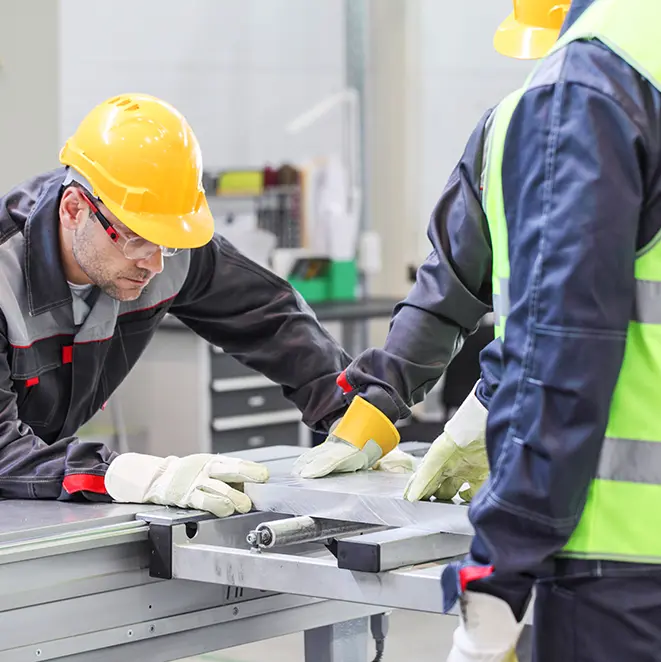
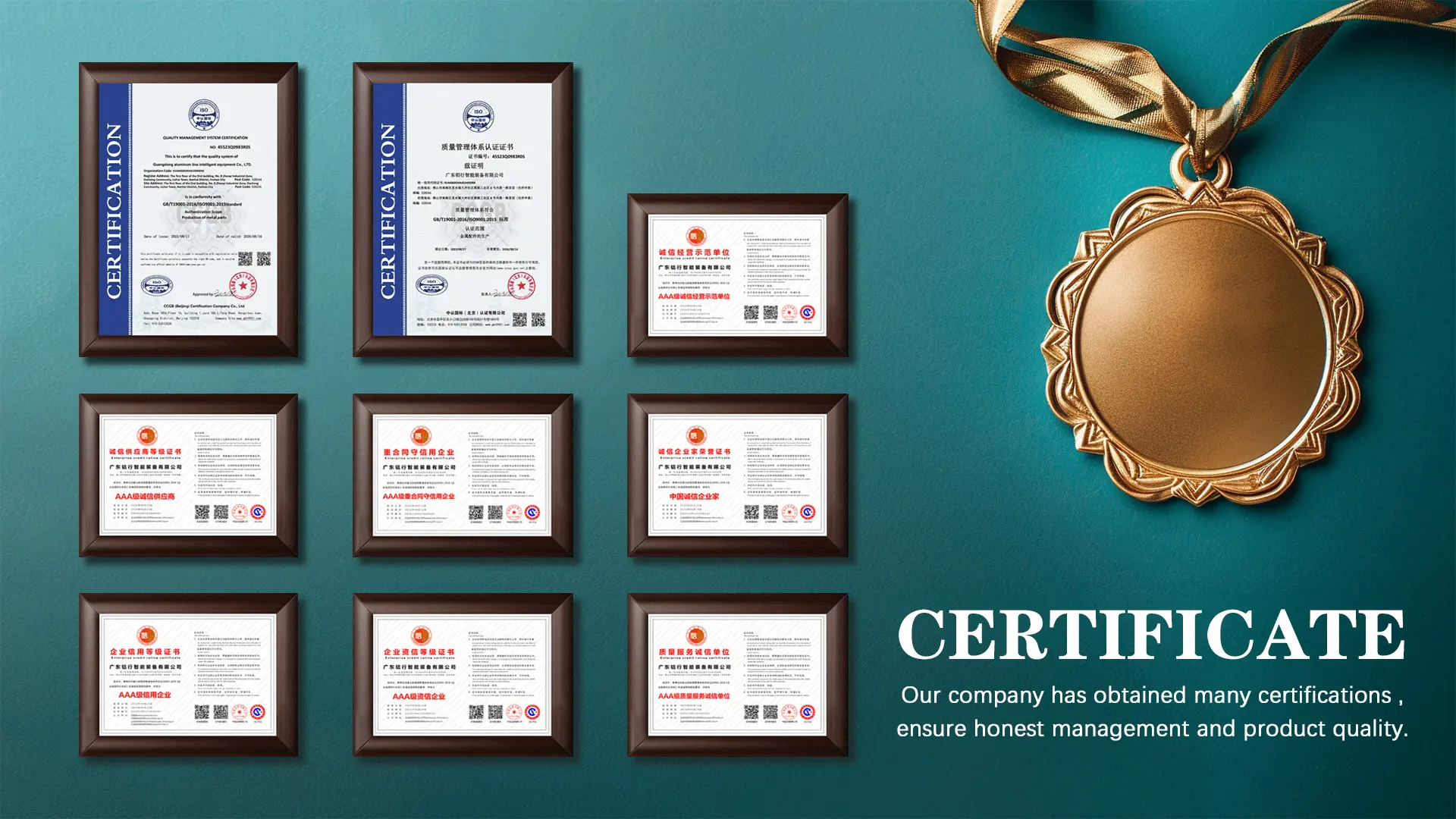
Certified under GB/T19001-2016/ISO9001:2015, our quality protocols govern every phase of manufacturing. From primary billet testing to 3D coordinate inspection, every batch of motor rotor wheels and high-precision extrusions matches our internal zero-defect target.
Verified physical facilities and official certificates guaranteeing absolute material reliability.
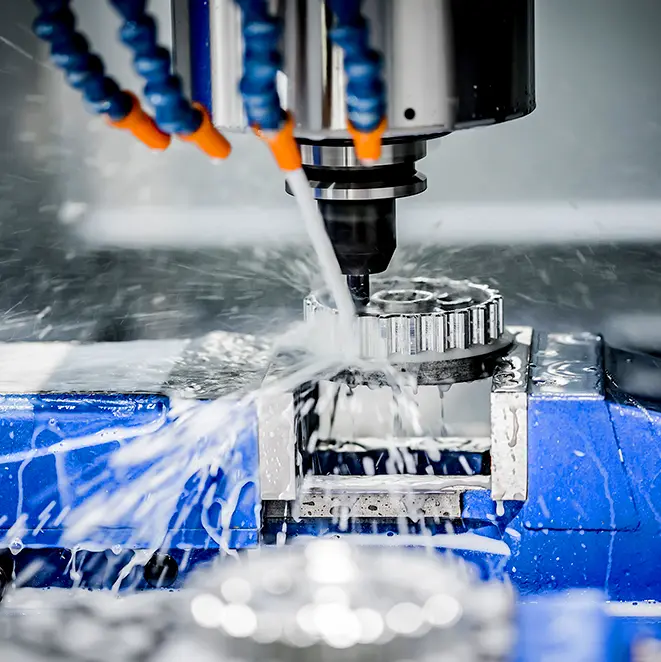
Our multi-axis CNC machines maintain tight runout limits required for dynamic rotor stability.

Authorized certification proving compliance of our aluminum profiles with high-stress aerospace applications.
Heavy-duty 20,000T extrusion capability managing complex cross-sectional profiles without structural voids.
Our inspection lines utilize ultrasonic and coordinate measuring machines to verify dimensions.
In high-performance permanent magnet motors, efficiency losses primarily stem from two sources: magnetic hysteresis and eddy currents induced within the rotor structures. The structural design of the Magnet Motor Rotor Wheel directly impacts these factors. When operating at high speeds, alternating magnetic fields generate significant heat in both the permanent magnets and the surrounding aluminum containment sleeve.
To address this, our manufacturing design prioritizes:
Sourcing large volumes of high-precision components requires robust supply chain logistics. At LvXing Intelligent Equipment, we leverage our location in Foshan City, Guangdong—a primary international maritime hub—to coordinate export packaging and customs logistics. Our specialized shipping boxes utilize anti-static, vapor-corrosion-inhibiting (VCI) bags and customized foam molds to prevent any mechanical damage or atmospheric oxidation during transit.
The manufacturing sector faces increasing pressure to reduce Scope 3 carbon emissions. By integrating energy-efficient processes into our heavy extrusion lines (such as smart regenerative burners and closed-loop scrap recycling), we significantly lower the carbon footprint of our finished aluminum components. This aligns our products with the strict ESG purchasing requirements of global tier-1 automotive manufacturers and aerospace contractors.
Technical clarifications and procurement details regarding CE certified magnet motor rotor wheels.
Explore our full line of certified structural extrusions and helideck components.
 LvXing