Engineered for extreme offshore, commercial, and emergency vertical takeoff and landing infrastructures.
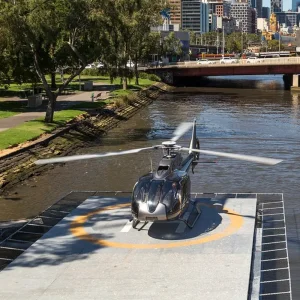
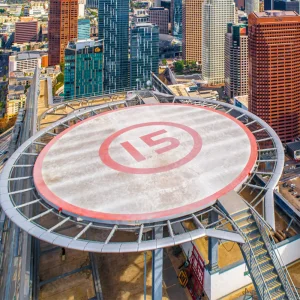
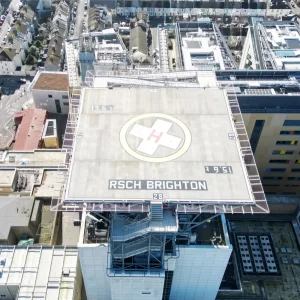
An authoritative analysis of compliance, dynamic load performance, and architectural integration in modern aviation safety structures.
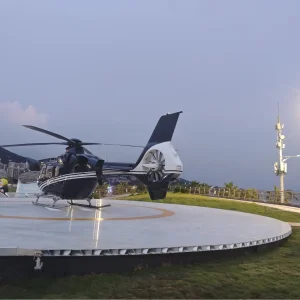
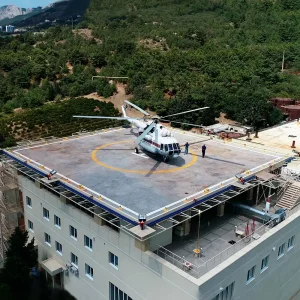
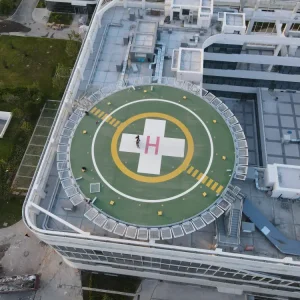
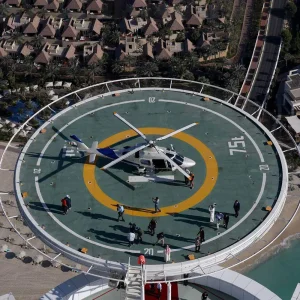
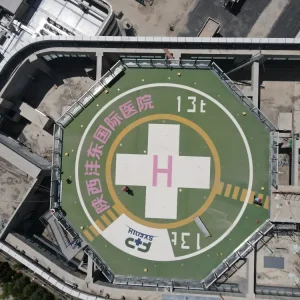
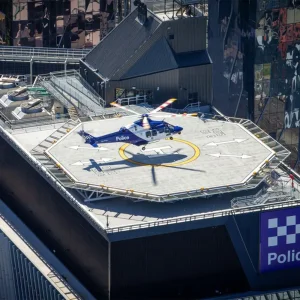
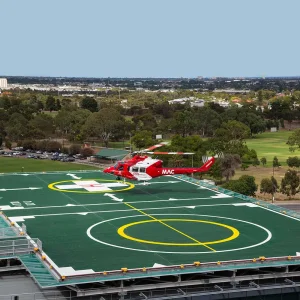
Vertical landing pads—ranging from high-altitude hospital helipads and skyscraper structural decks to offshore oil platform helidecks—operate under stringent safety regulations. A perimeter safety system is critical for mitigating falls, securing personnel, and preventing catastrophic failure during sudden helicopter turbulence or emergency egress.
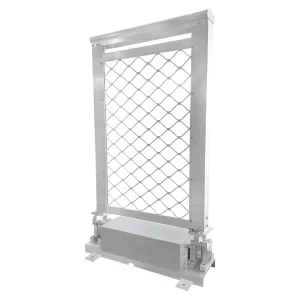
CE Certification (under standard EN 1263-1 and related offshore CAP 437/ICAO regulations) ensures that perimeter safety nets can absorb dynamic impacts of falling objects or personnel without snapping or failing structurally. These standards mandate specific energy absorption indexes, dynamic load-bearing thresholds (up to 125 kg from a drop height of several meters), and high-durability coating standards to endure UV, marine salt spray, and extreme thermal conditions.
Without verifiable CE Certification, a manufacturer's safety net is a structural liability. Compliance ensures that vertical landing pads satisfy local building inspectorates, aviation registries (like FAA and EASA), and civil construction codes globally.
The global demand for high-strength aluminum helipads and high-density perimeter safety nets is driven by three main factors:
| Material Class | Tensile Strength (MPa) | Corrosion Resistance | Dynamic Impact Capacity | Ideal Application Environment |
|---|---|---|---|---|
| Aerospace Aluminum Alloy (6xxx Series) | 290 - 310 | Excellent (Anodized/Powder-coated) | High (Ductile deformation) | skyscrapers, Offshore Platforms, HEMS Rooftops |
| Stainless Steel (316L Grade) | 485 | Very High (Passivated) | Extreme (High mass weight) | Heavy Marine Drilling Decks, Polar Vessels |
| High-Strength Polymer Mesh | 120 - 150 | Moderate (Degrades under UV) | Medium (High elasticity) | Temporary/Secondary Terrestrial Vertiports |
Vertical landing pad safety systems must be engineered around localized atmospheric and structural constraints:
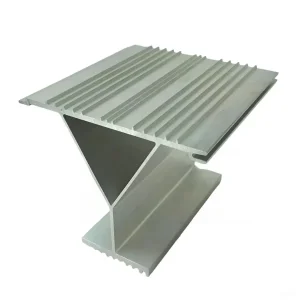
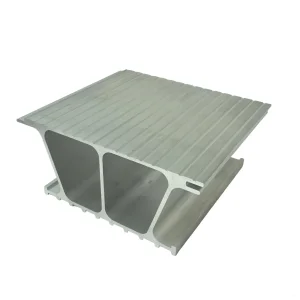
These environments prioritize wind shear stability and low-profile visual aesthetic compliance. Safety nets must be angled exactly 10 to 15 degrees outwards and slightly upwards, extending at least 1.5 meters from the deck edge. The frames must utilize lightweight aluminum alloy extrusions (such as 6000-series alloys) to prevent adding deadload to existing building columns.
Subjected to persistent marine salt spray, galvanic corrosion, and high velocity winds. Safety nets require marine-grade stainless steel cables or heavily anodized, structural-grade aluminum profiles. The nets must also incorporate electric deployment mechanisms to allow clearance during cargo hoisting operations.
Decks installed in Alpine or mountainous locations face heavy snow loads, ice accumulation, and thermal contraction. The mesh design must allow ice shedding and minimize wind resistance (high porosity ratio) to prevent structural damage during alpine storms.
LVXING, SPECIALIZES IN ALUMINUM SOLUTIONS.
Established in 2015 and located in Foshan City, Guangdong, LvXing Intelligent Equipment Co., Ltd. boasts a skilled R&D team with extensive experience. We leverage exceptional technical expertise to effectively transform customers' ideas into reality, consistently meeting their precise requirements.
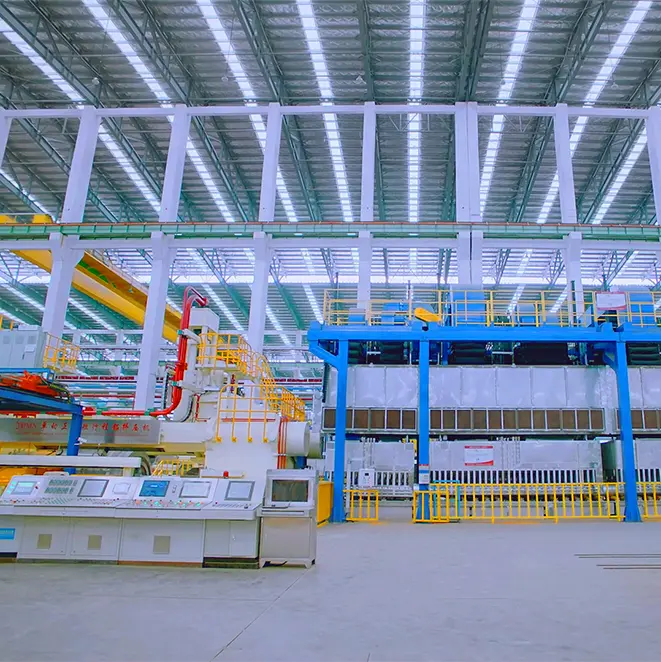
We utilize premium Fenglu aluminum, offering a diverse range of profiles for flexible applications. Our extrusion lines, ranging from 800T to 20,000T, accommodate alloys 1xxx, 2xxx, 3xxx, 5xxx, 6xxx, and 7xxx, allowing us to produce shaped products with section dimensions up to 1.2 meters in width and 28 meters in length. These products are recognized for their precision and meticulous processing, finding broad application in aerospace, military, medical, and industrial sectors.
Our commitment to excellence is evident throughout the manufacturing process, rigorous quality control, thorough packaging, and efficient shipping procedures. This dedication has earned us recognition as a national excellent and honest enterprise, along with quality system certification in accordance with GB/T19001-2016/ISO9001:2015 standards.

We have obtained the "Special Aluminium Materials for Aerospace" Certificate, confirming our raw materials conform to the highest aviation structural parameters.
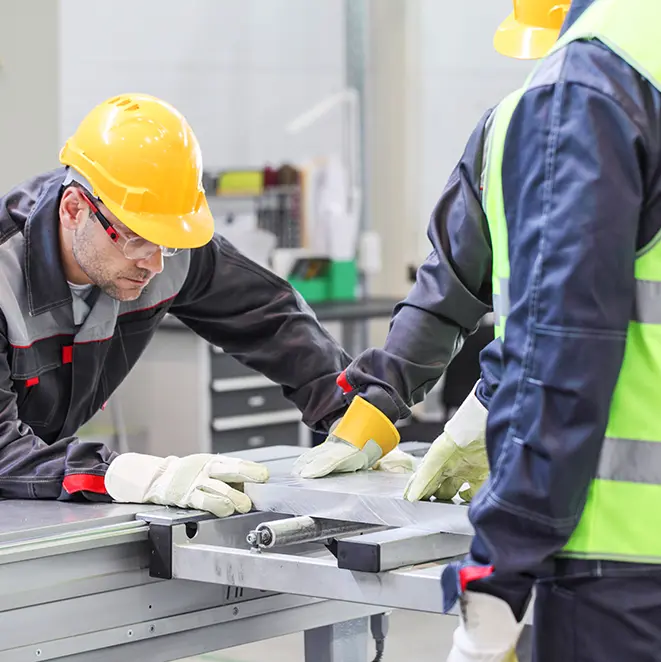

Utilizing high-quality Fenglu aluminum profiles. With extrusion lines ranging from 800T to 20,000T, we can manufacture fully shaped products up to 1.2m width or 28m length.
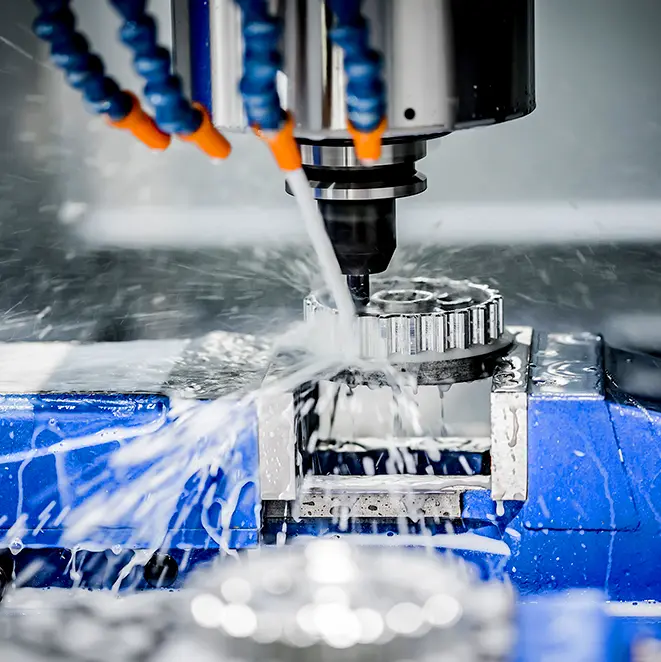

Our team of technicians has 15 years of invaluable experience, enabling us to identify potential structural issues, customize configurations, and deliver turn-key helipad solutions.
As vertical flight and logistics infrastructures evolve, the safety net systems supporting them must keep pace. Our R&D division is focusing on three key technology pathways:
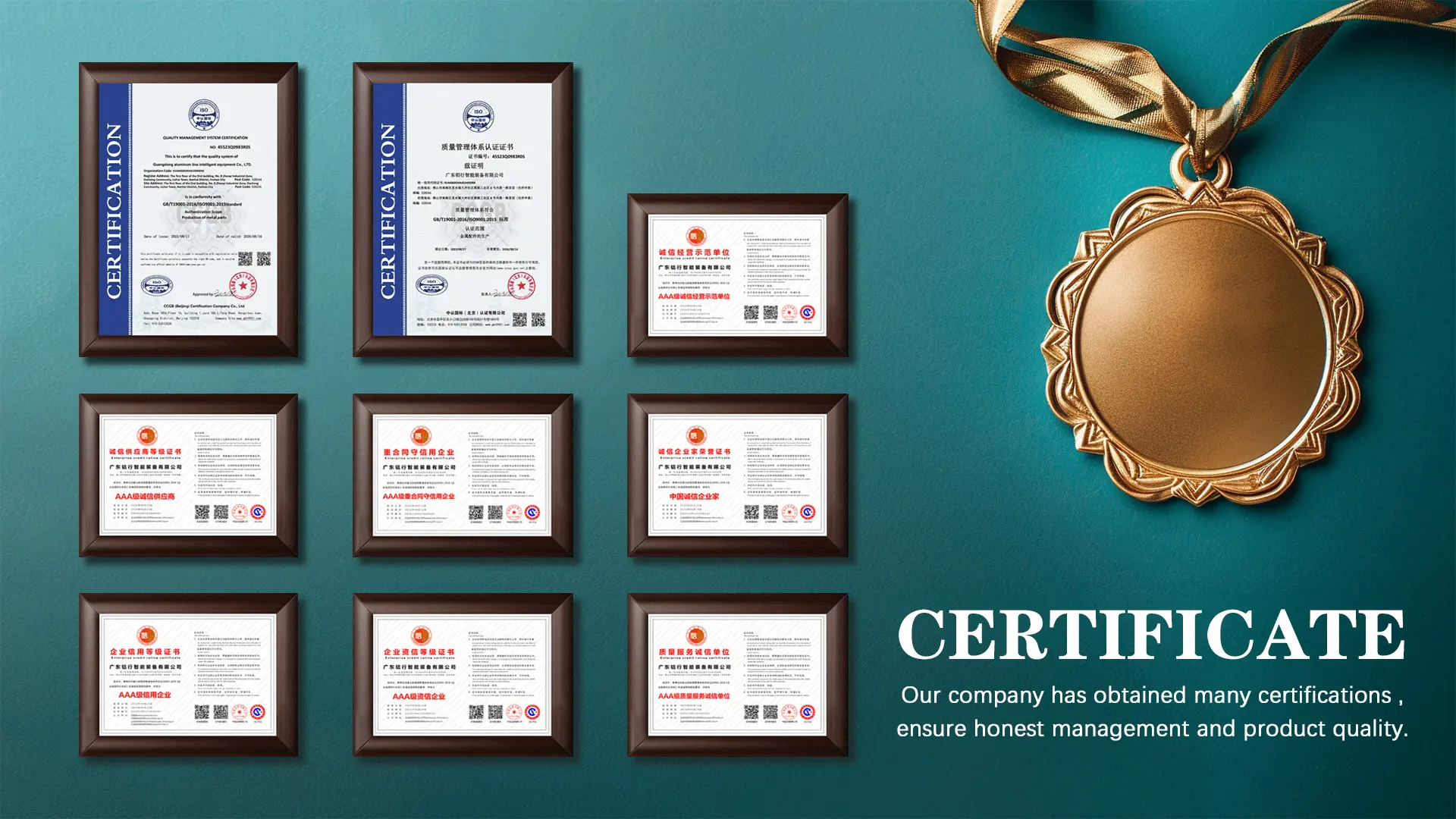
A premium safety net system is only as strong as the helideck profile to which it is secured. Lvxing provides end-to-end, integrated solutions combining helipad structures, extruded profiles, and CE-certified perimeter safety nets:
Discover our comprehensive range of helideck profiles, perimeter meshes, and structural components.
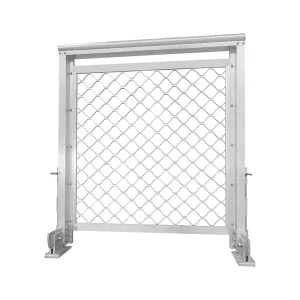
 LvXing