Established in 2015 and strategically positioned in Foshan City, Guangdong—the absolute global capital of non-ferrous metal processing—LvXing Intelligent Equipment Co., Ltd. has pioneered the engineering frontier of high-strength structural aluminum systems. By combining continuous metallurgical research with large-scale industrial capability, we support national and global infrastructure initiatives with precise, high-performance structural configurations.
Our operation integrates premium raw material chemistry via partnerships with industry leaders like Fenglu Aluminum. This access guarantees raw billets free from micro-voids, porosity, and localized phase segregation. With an advanced engineering R&D department boasting average tenures over 15 years, Lvxing effectively bridges the gap between sophisticated schematic concepts and structural deployment.
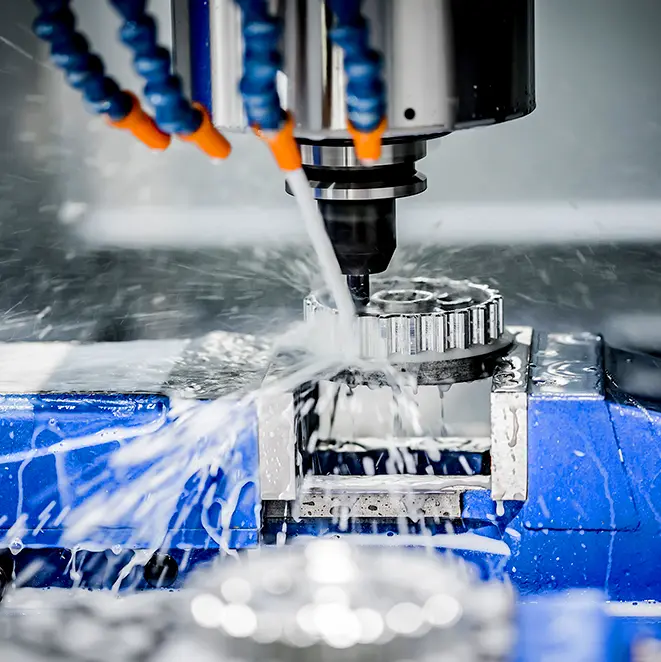
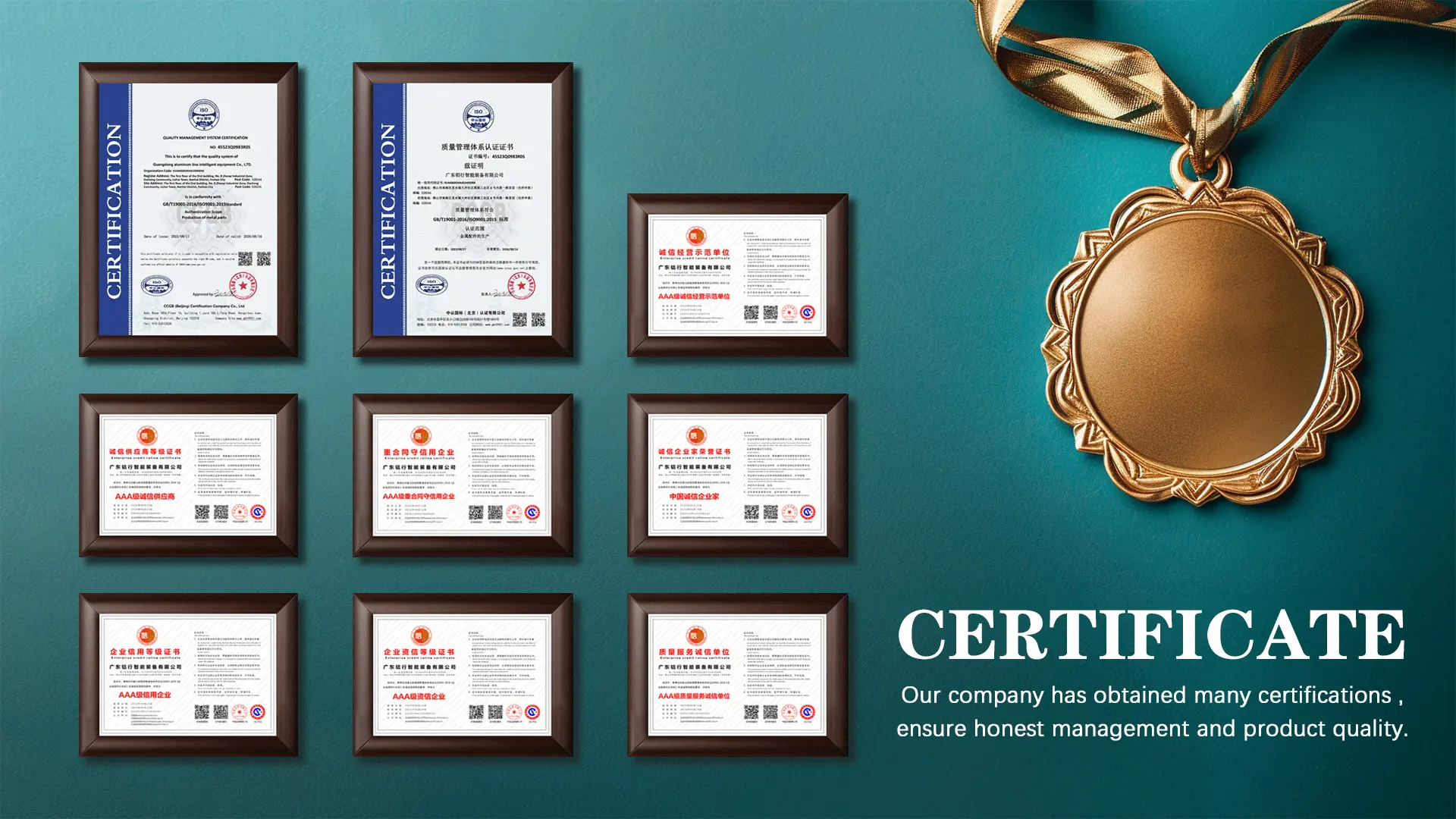
We are a certified national high-quality enterprise operating strictly under GB/T19001-2016/ISO9001:2015 standards. This certification underpins every manufacturing step, from raw billet spectral verification through die temperature control to multi-axis mechanical post-processing and final logistics execution.
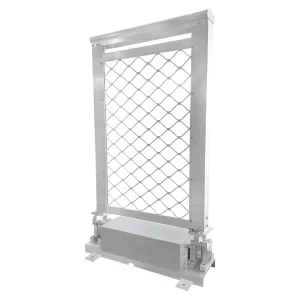
* Certified aerospace-grade structural alloy configurations and safety netting, tested under harsh environments for dynamic offshore operations.

Lvxing has obtained the prestigious "Special Aluminium Materials for Aerospace" certificate, validating our structural profiles for deep-space, high-altitude, and severe-duty applications where mechanical breakdown is not an option.

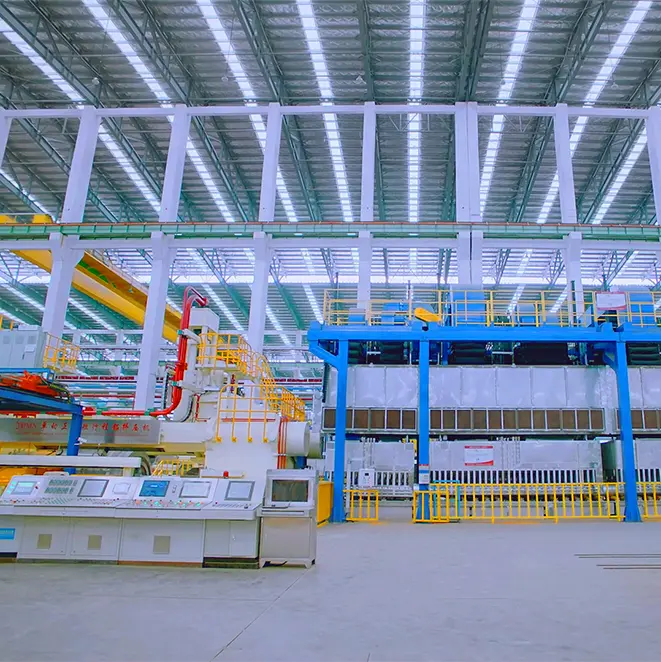
Our heavy-duty hydraulic extrusion press inventory processes alloys from the 1xxx through 7xxx families. We manufacture complex profile cross-sections up to 1.2m wide and up to 28m in length with precise geometric tolerances.

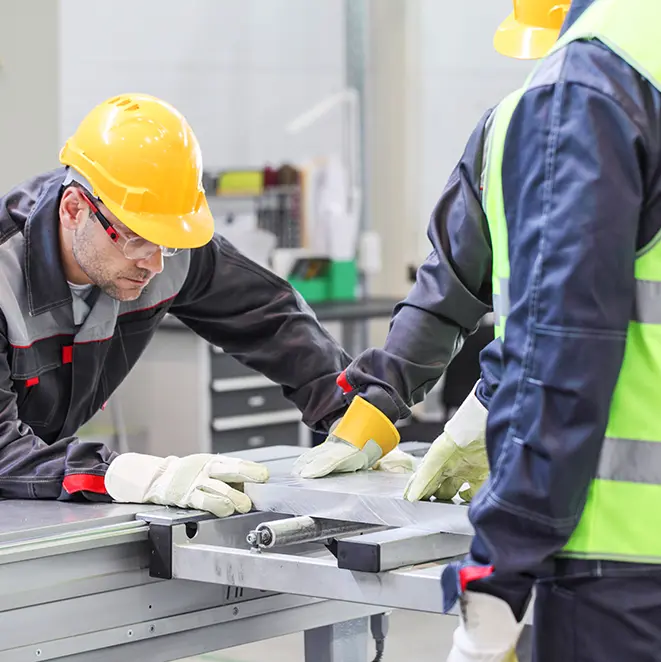
Our R&D team addresses critical parameters like thermal expansion, wind shear resistance, and stress limits. This proactive approach identifies potential design challenges before tooling begins, reducing lead times.
In structural design, naming conventions for aluminum profiles are linked directly to chemical compositions defined by the International Alloy Designation System (IADS). Choosing the correct alloy designation is critical, as mechanical properties vary across different series. Sourcing engineers must balance tensile strength, weldability, corrosion resistance, and extrudability to select the right material for their application.
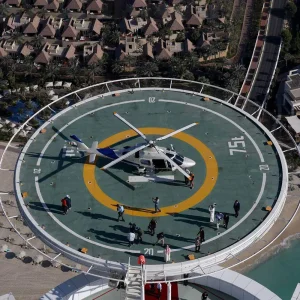
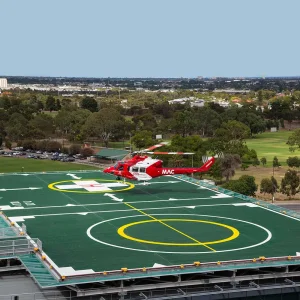
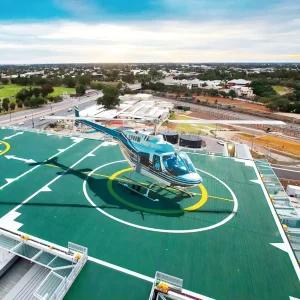
For high-load environments like helicopter landing decks, marine structural elements, and aerospace framing, specific properties are required:
| Alloy Group | Primary Alloying Element | Common Tempers | Tensile Strength (MPa) | Primary Industrial Applications |
|---|---|---|---|---|
| 6063 | Magnesium & Silicon | T5, T6 | 186 - 241 | Architectural details, framing, lightweight conduit, interlocking decking panels. |
| 6061 | Magnesium & Silicon | T6 | 290 - 310 | Heavy-duty structural components, marine vessels, railway carriages, helipad supports. |
| 6082 | Magnesium & Silicon | T6 | 310 - 340 | Highly-stressed applications, structural bridges, cranes, transport applications. |
| 7075 | Zinc | T6, T73 | 510 - 570 | Aerospace structural frames, defense components, mobile military installations. |
Lvxing's deep vertical integration with Fenglu Aluminum ensures that our raw materials undergo precise melt refinement. By managing trace elements like iron (Fe), copper (Cu), and manganese (Mn), we prevent intergranular corrosion and improve extrusion surface quality.
Our heavy-duty hydraulic press extrudes dense, large cross-section profiles without cracking. This allows for single-piece components with complex interior geometry, reducing the need for structural welding.
We produce extra-wide profile widths up to 1.2 meters. This capability is ideal for manufacturing interlocking deck panels, flat landing decks, and wide-span bridge panels, minimizing joint weak points.
Lvxing manufactures continuous profiles up to 28 meters in length. This is essential for aerospace structural beams, long marine decks, and heavy railway frames, ensuring high longitudinal strength.
High-strength aluminum extrusions are key components in modern civil engineering, maritime transport, and aviation logistics. They are selected for their high strength-to-weight ratio, which reduces support structure loads, simplifies installation, and lowers long-term maintenance costs. Lvxing designs and manufactures tailored solutions for key high-performance applications:
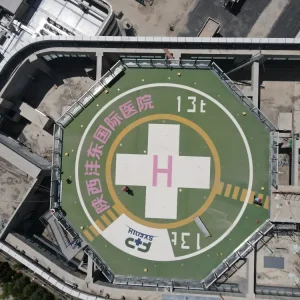
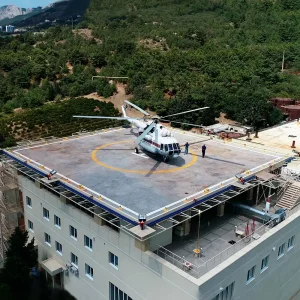
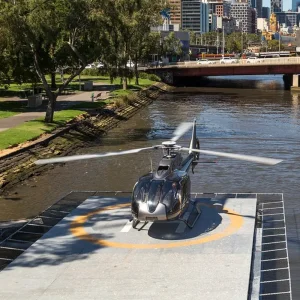
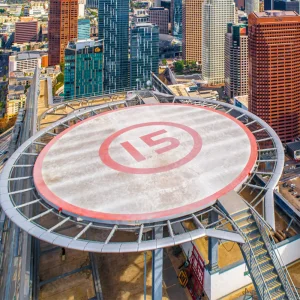
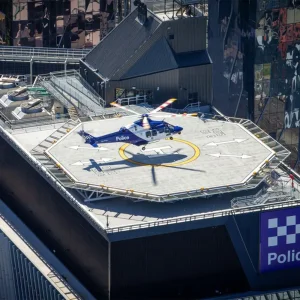
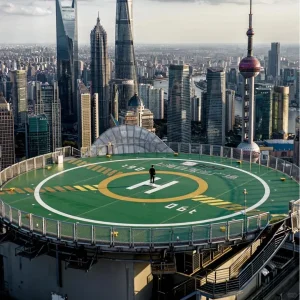
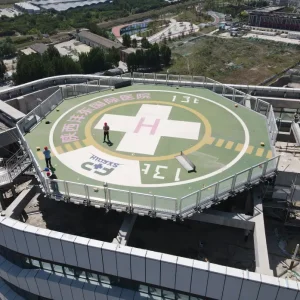
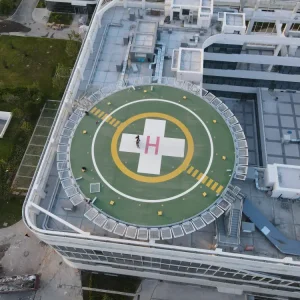
Urban high-rise building projects require lightweight structural designs. Traditional concrete helipads add significant dead weight to skyscrapers, which increases structural load requirements and seismic vulnerability. Lvxing's all-aluminum interlocking helipad decks reduce weight by up to 70% compared to concrete alternatives. This weight reduction simplifies structural designs, while the corrosion-resistant aluminum prevents rust-water staining on the building facade.
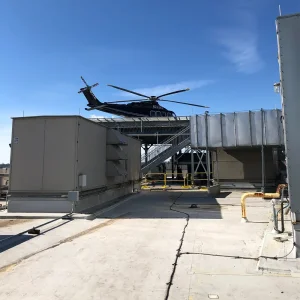
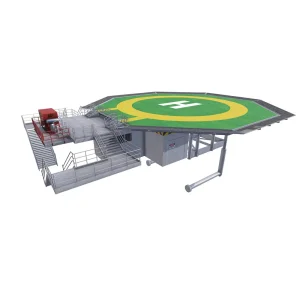
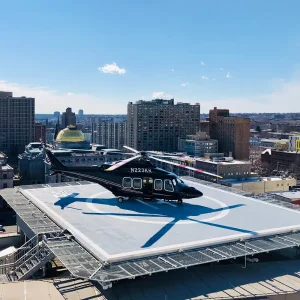
For hospital rooftops, Lvxing provides complete helipad systems that integrate electric safety nets, landing deck profiles, and municipal fire system connections. These systems meet strict safety regulations and support continuous emergency rescue operations.
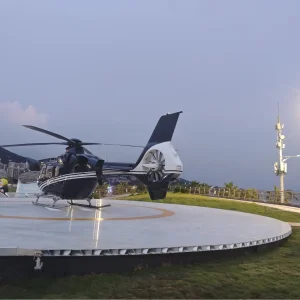
Offshore environments expose structures to high salinity, humidity, and constant mechanical motion. Sourcing agents for offshore platforms prioritize corrosion resistance and structural durability. Lvxing's marine-grade 6000-series structural profiles receive specialized anodizing and anti-saline surface coatings. Our helideck safety systems are certified to meet international maritime safety standards, protecting personnel and aircraft in demanding offshore conditions.
Aerospace framing requires materials that perform reliably under dynamic stress and thermal variation. Our aerospace-certified aluminum profiles are processed using heat treatments that achieve a precise balance between tensile strength and fatigue resistance. These profiles are used in structural framework applications, including heavy-cargo container guides, aircraft maintenance scaffolding, and rapid-assembly runways for field operations.
For procurement officers, sourcing managers, and estimators, navigating the pricing of custom extrusions requires a clear understanding of the cost components. Sourcing high-volume structural aluminum profiles from China involves several cost factors that determine the final landed price.
The standard industry pricing formula for structural aluminum profiles is structured as follows:
Understanding these variables helps procurement teams manage budgets and optimize sourcing costs:
By working directly with a manufacturer like Lvxing, sourcing teams bypass trading intermediaries, gaining direct access to technical support and factory-direct pricing.
 LvXing